.avif)
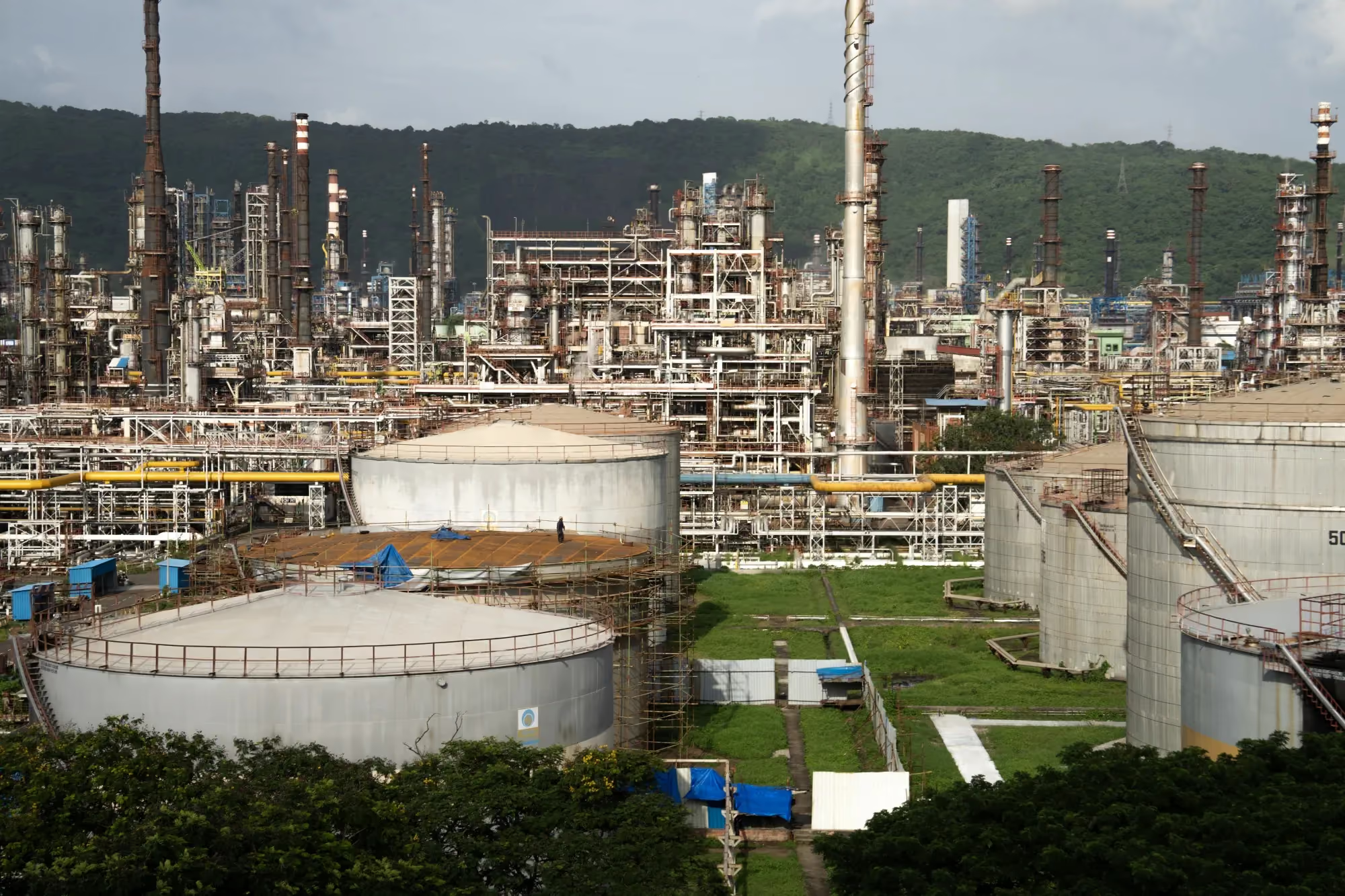
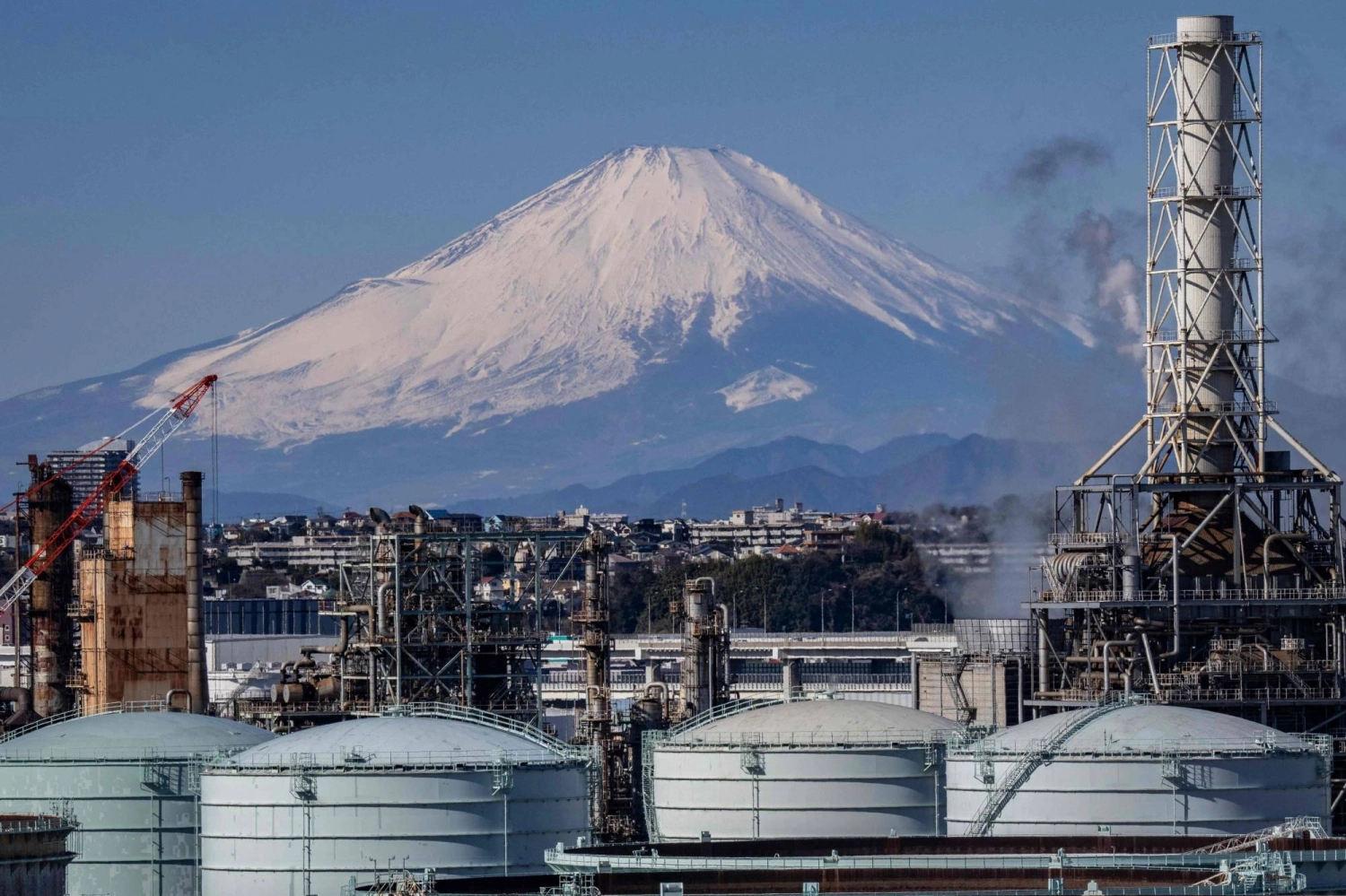
Indian State Refiners face margin compression from unsustainable cost absorption that began in March. Brent crude oil futures climbed back toward $111 per barrel on Monday, while petrol and diesel prices were increased by Rs 3 per litre, followed by an average hike of 90 paise per litre across the country. The mismatch between crude costs and retail price increases a gap of approximately $15–25/MT is being absorbed by Indian refiners through government pressure, creating structural financial stress that cannot persist beyond short-term crisis management.
A windfall tax an additional levy imposed on excessive profits, typically in energy sectors during price spikes is distorting India's fuel export economics. To ensure domestic availability of fuel, the government raised export duties to ₹21.5 (23¢ US) per litre on diesel and to ₹29.5 (31¢ US) per litre on aviation fuel. Consider a mid-sized Indian refiner shipping a 50,000 tonne diesel cargo to Southeast Asia. Pre-crisis, delivered margins were thin but viable at $20–25/MT. The ₹21.5/litre export duty adds roughly $28/MT, erasing the margin entirely. The cargo stays in India, sacrificing export revenue to maintain domestic supply. The extension of the US waiver on Russian crude lands at a critical moment for India, just as Russian barrels have grown to around 40% of its 4.5 million b/d crude import slate, but Indian refiners are now paying a $2–$4 premium over Brent for Russian crude.
On the buy side: Large integrated refiners like Reliance Industries and Indian Oil Corporation benefit from expanded processing margins during supply disruptions refining margins remain at historically high levels, supported by record middle distillate cracks but face government pressure to cap retail prices, creating a profit-loss tension. Smaller regional refiners without derivative hedging access cannot protect against crude cost volatility and face working capital strain from inventory revaluation. Major reductions in imports were also seen in Japan (-1.9 mb/d), Korea (-1 mb/d) and India (-760 kb/d), reducing feedstock availability for processing.
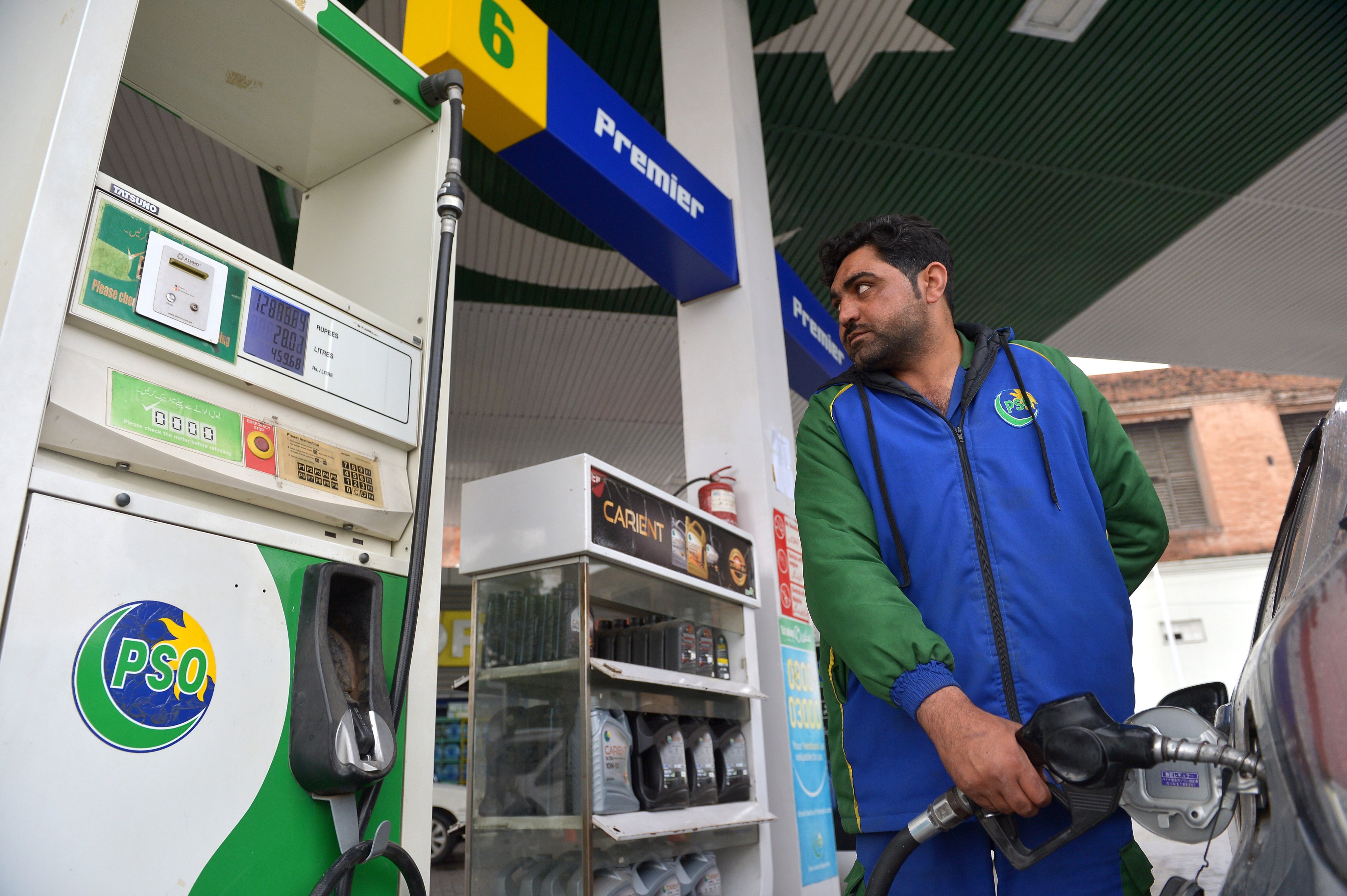
On the sell side: State-owned marketing companies (Indian Oil, Bharatiya Petroleum, Hindustan Petroleum) absorb retail fuel subsidies through reduced margins rather than passing full crude cost increases to consumers. Private fuel retailers face competitive pressure to match state company pricing while lacking subsidy support. I don't think any country has handled the crisis better than we have. The United States, which is the largest producer of energy in the world, also had to increase fuel prices. But, we have seen marginal increases in our country, according to former Foreign Secretary Harsh Vardhan Shringla, though this claim masks the structural cost absorption occurring within the refining sector.
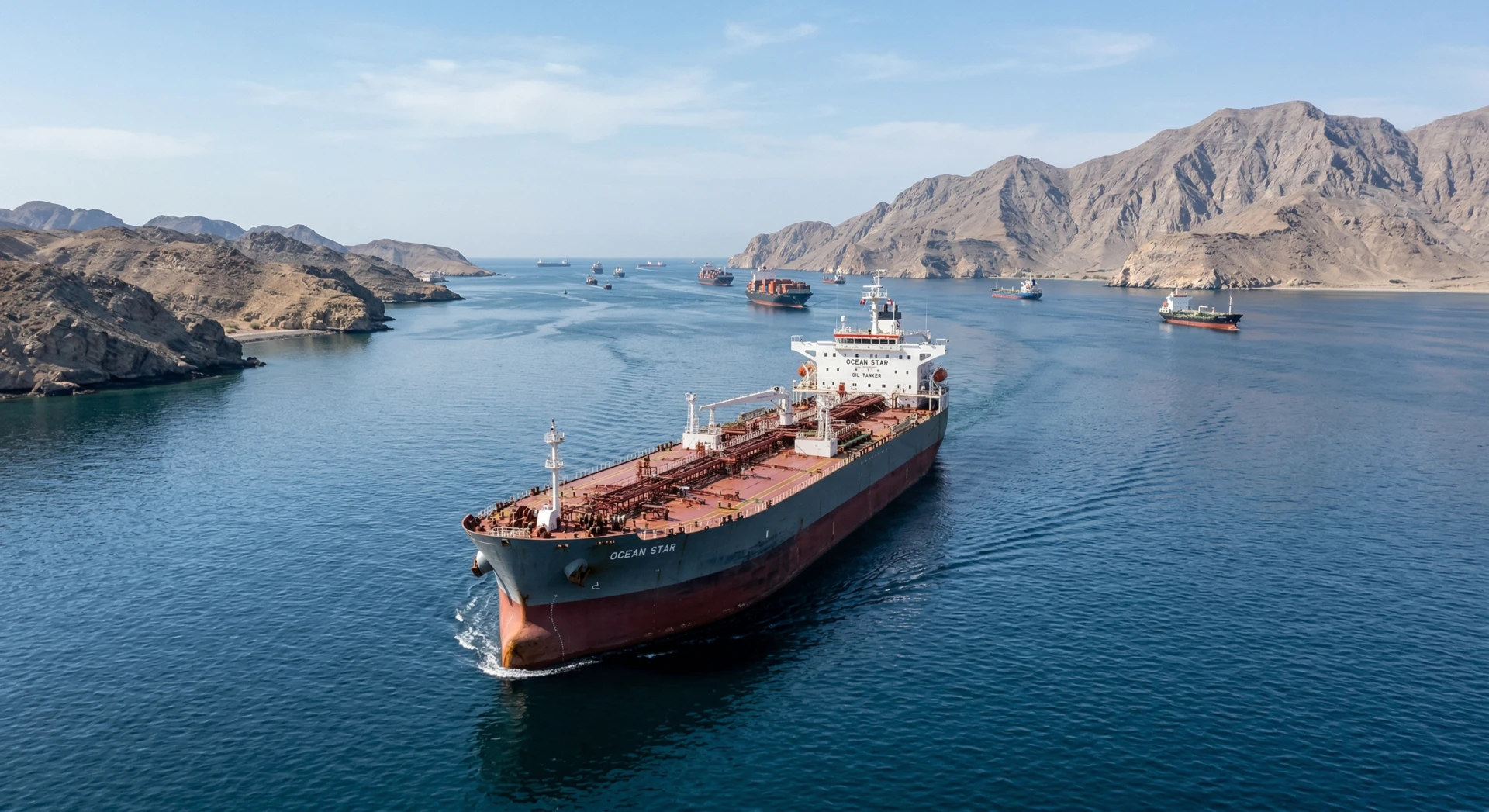
For observers: Watch Singapore middle distillate prices middle distillate prices in Singapore reaching all-time highs above $290/bbl which serve as the regional benchmark for diesel and jet fuel pricing in Asia-Pacific. A sustained break above $300/barrel signals that Indian refiners' cost absorption model becomes financially unsustainable within 30–45 days. Oil prices had been rallying for over a week as US-Iran peace talks stalled and shipping through the vital Strait of Hormuz remained effectively closed, with the Strait of Hormuz remains effectively closed until late May, with shipping traffic beginning to pick up in June. The Indian government's ability to maintain retail fuel price stability depends entirely on refiners' willingness to absorb margin compression a temporary measure disguised as permanent policy.
.jpg)

'%3e%3cg id='Final-Copy-2_2_' transform='translate(1275.000000, 200.000000)'%3e%3cpath class='st0' d='M7.4,12.8h6.8l3.1-11.6H7.4C4.2,1.2,1.6,3.8,1.6,7S4.2,12.8,7.4,12.8z'/%3e%3c/g%3e%3c/g%3e%3c/g%3e%3cg id='final---dec.11-2020'%3e%3cg id='_x30_208-our-toggle' transform='translate(-1275.000000, -200.000000)'%3e%3cg id='Final-Copy-2' transform='translate(1275.000000, 200.000000)'%3e%3cpath class='st1' d='M22.6,0H7.4c-3.9,0-7,3.1-7,7s3.1,7,7,7h15.2c3.9,0,7-3.1,7-7S26.4,0,22.6,0z M1.6,7c0-3.2,2.6-5.8,5.8-5.8 h9.9l-3.1,11.6H7.4C4.2,12.8,1.6,10.2,1.6,7z'/%3e%3cpath id='x' class='st2' d='M24.6,4c0.2,0.2,0.2,0.6,0,0.8l0,0L22.5,7l2.2,2.2c0.2,0.2,0.2,0.6,0,0.8c-0.2,0.2-0.6,0.2-0.8,0 l0,0l-2.2-2.2L19.5,10c-0.2,0.2-0.6,0.2-0.8,0c-0.2-0.2-0.2-0.6,0-0.8l0,0L20.8,7l-2.2-2.2c-0.2-0.2-0.2-0.6,0-0.8 c0.2-0.2,0.6-0.2,0.8,0l0,0l2.2,2.2L23.8,4C24,3.8,24.4,3.8,24.6,4z'/%3e%3cpath id='y' class='st3' d='M12.7,4.1c0.2,0.2,0.3,0.6,0.1,0.8l0,0L8.6,9.8C8.5,9.9,8.4,10,8.3,10c-0.2,0.1-0.5,0.1-0.7-0.1l0,0 L5.4,7.7c-0.2-0.2-0.2-0.6,0-0.8c0.2-0.2,0.6-0.2,0.8,0l0,0L8,8.6l3.8-4.5C12,3.9,12.4,3.9,12.7,4.1z'/%3e%3c/g%3e%3c/g%3e%3c/g%3e%3c/g%3e%3c/svg%3e) Privacy Choices
Privacy Choices