.avif)
.jpg)
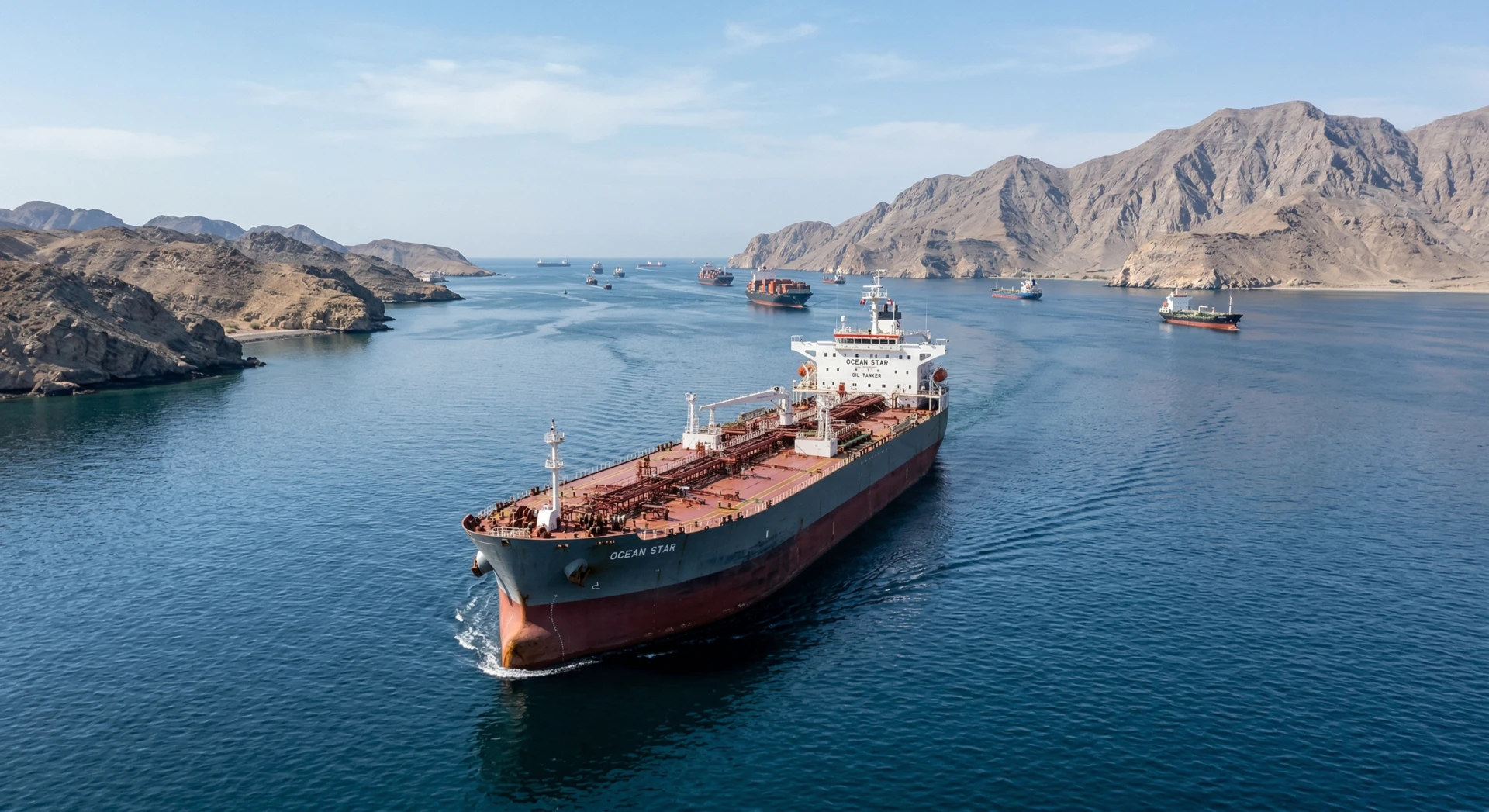
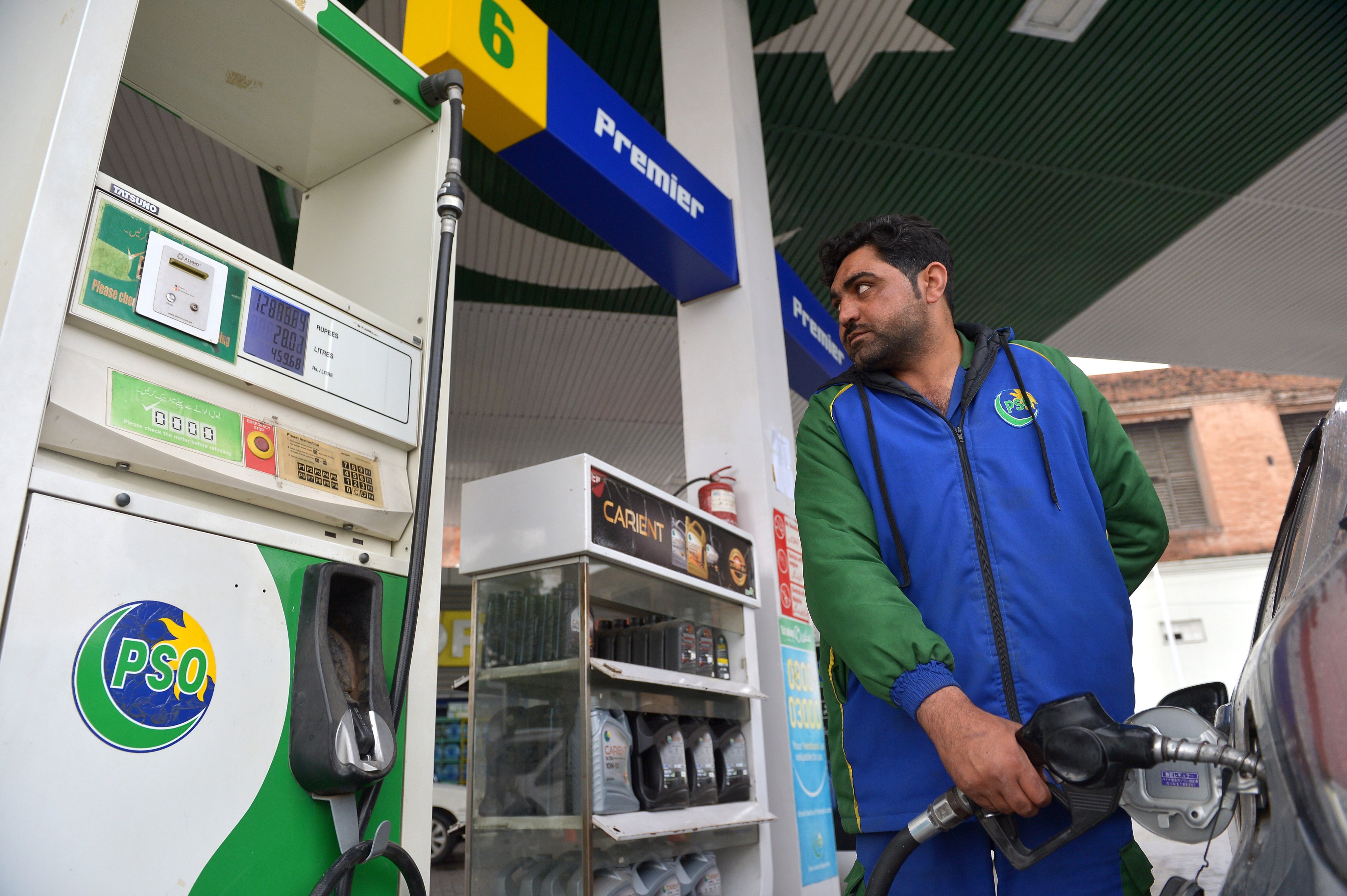
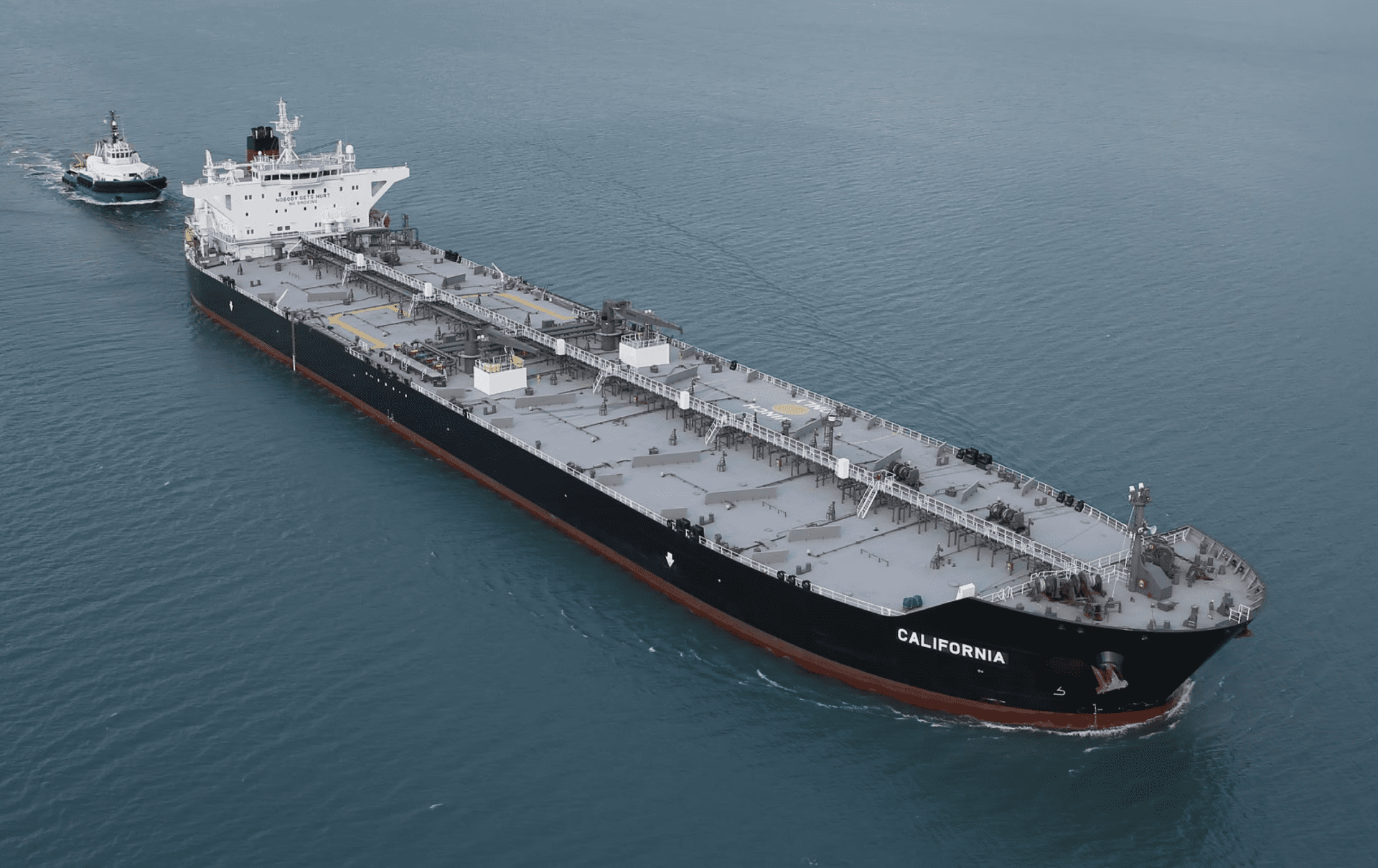
Indian Oil Corporation's record Rs 36,802 crore FY26 profit up 184% year over year masks a structural timing mismatch that will reverse sharply in Q1 FY27. The state refiner's profitability was "largely protected as inventory was procured at pre-conflict prices" before Brent crude spiked from $70 to $110+ per barrel within weeks of the West Asia crisis. State refiners are currently bleeding Rs 30,000 crore monthly selling petrol, diesel, and LPG below cost while absorbing Rs 24-30 per litre in subsidies to shield domestic prices. The inventory cushion that delivered record profits is finite and nearly exhausted.
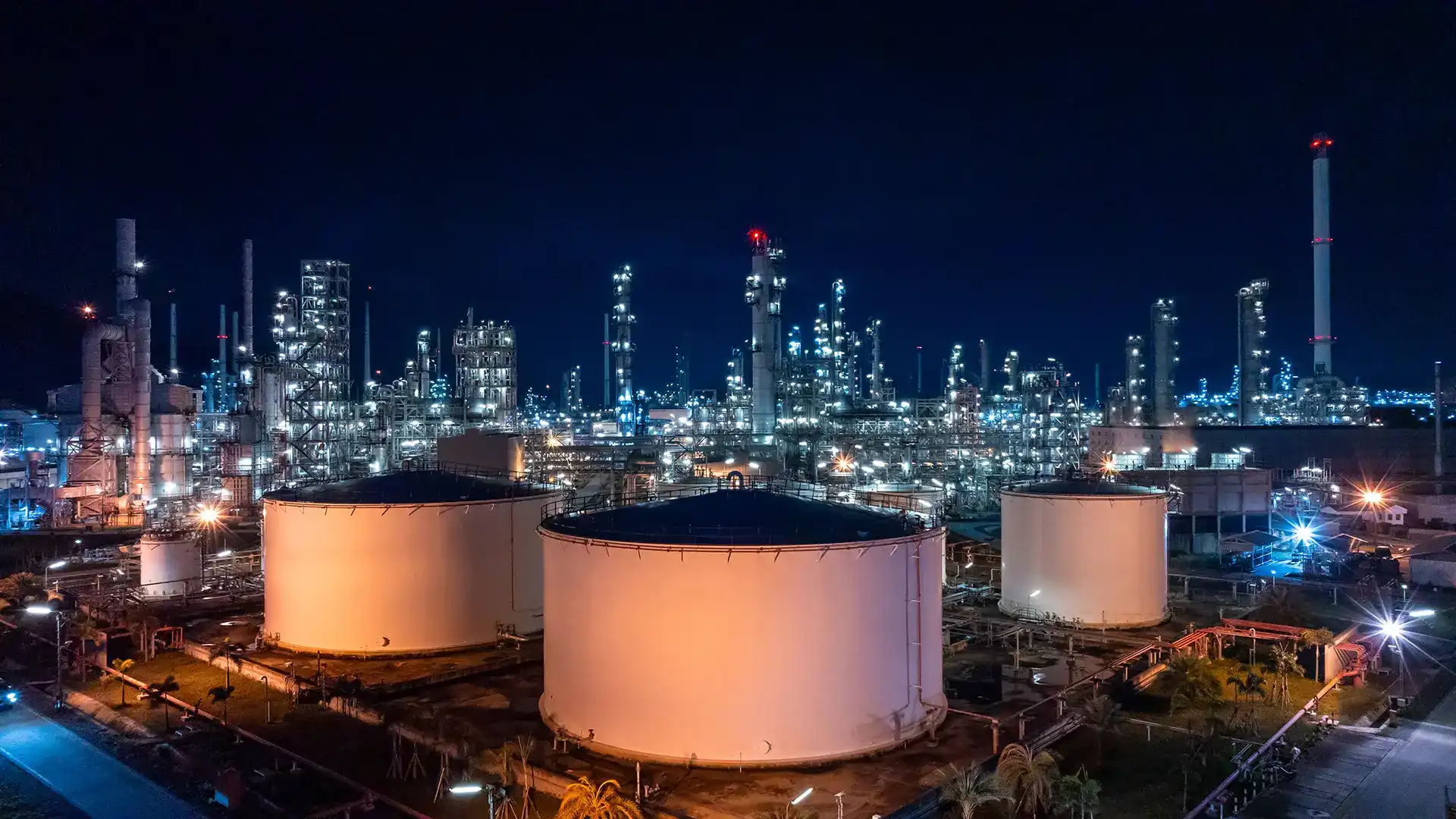
A refinery inventory buffer the crude oil purchased and stored before processing into fuels typically covers 4-6 weeks of operations for a facility like IOC's integrated refineries. IOC's refineries achieved record crude throughput of 75.4 million metric tonnes with 107.4% capacity utilisation, processing approximately 1.45 million barrels daily. At current run rates, pre-conflict inventory purchased at $70-80/barrel is depleting rapidly. The company had Rs 5,411 crore in crude oil shipments stranded in the Persian Gulf as of March 31, though these cargoes have since been received. The margin arithmetic is stark: every $10/barrel increase in crude input costs translates to roughly Rs 7,000 crore annually in additional expense for IOC's throughput volumes.
On the buy side: State-run oil companies including Indian Oil, Bharat Petroleum, and Hindustan Petroleum are coordinating supply while facing impossible margin compression. Consider a typical IOC refinery processing 200,000 barrels daily moving from $75/barrel pre-conflict crude to current $110/barrel supply adds $7 million daily in input costs, or roughly Rs 58 crore monthly per facility. India has aggressively diversified crude sourcing to Russia, the US, West Africa, and other suppliers, but geography cannot override price reality. On the sell side: The government chose to absorb the burden through fiscal measures rather than direct consumer pass-through, protecting households from global fuel inflation by maintaining retail price controls even as international costs surged.
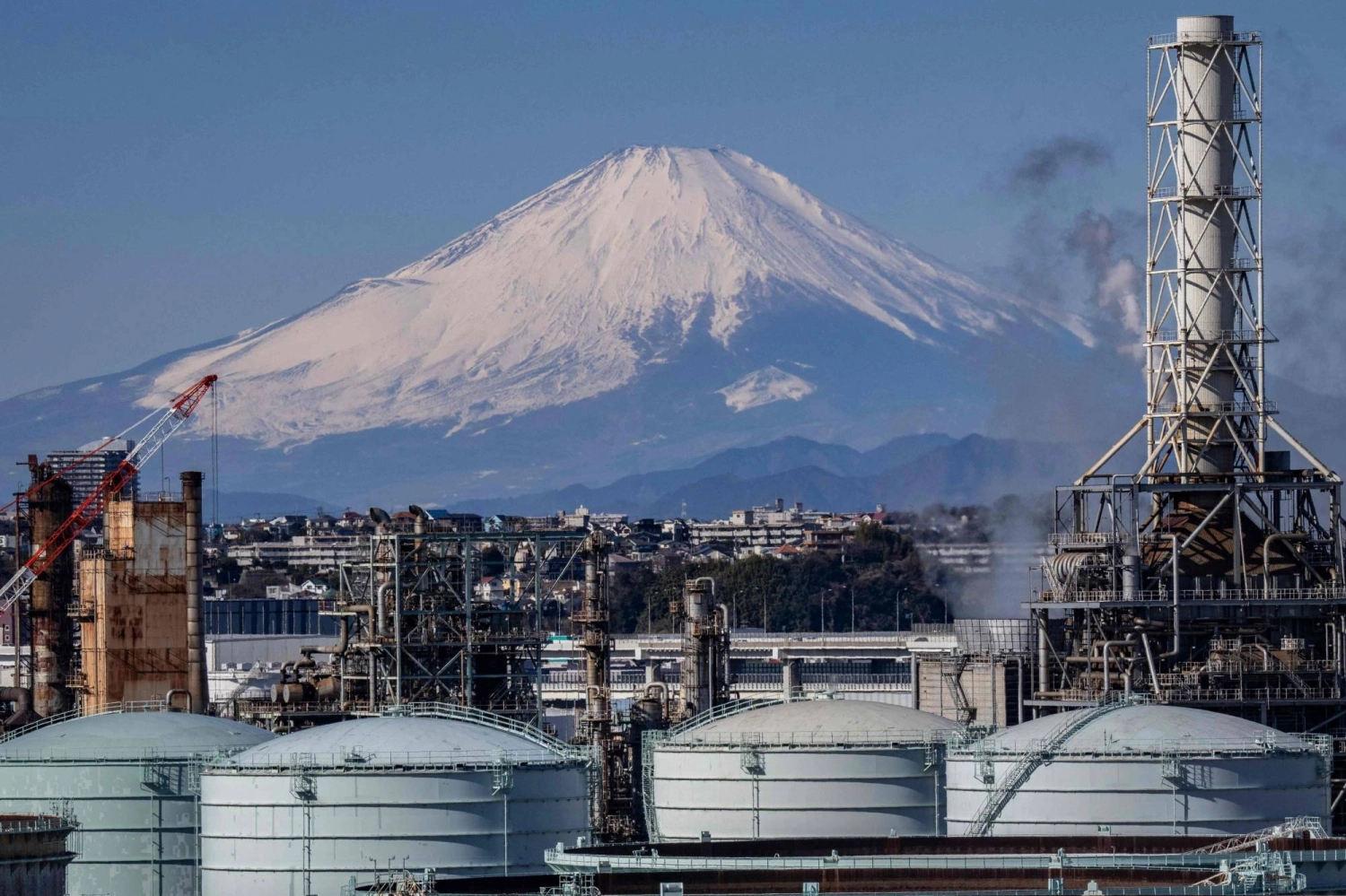
For large integrated oil companies globally Saudi Aramco, ExxonMobil, Shell the current environment offers both crude production windfalls and refining margin compression, offset by derivatives hedging and geographic diversification. These players can hedge forward crude purchases or lock in refining margins using crack spreads on ICE and NYMEX. Asian refiners face particular pressure as the 3-2-1 crack spread on Brent has widened to $24 per barrel against typical $14-16, while paying Dubai crude premiums. For smaller regional players without derivatives access mid-tier Asian refiners, independent fuel distributors the equivalent protection comes through bilateral supply contracts with price floors, diversified supplier relationships, or strategic inventory management, none of which Indian state refiners can employ while maintaining government price controls.
For observers: If current duty structures continue through FY27, revenue losses will reach Rs 1.3 lakh crore, with prolonged price suppression creating policy trade-offs that weaken market signals. Monitor IOC's Q1 FY27 earnings announcement by July 2026 for the first full-quarter impact of high-cost crude inventory. If elevated crude prices persist, "a calibrated combination of retail price rationalisation, targeted government support, and broader burden sharing mechanisms will likely be required to restore financial viability". The Indian rupee's performance against the dollar through June 2026 will determine whether currency depreciation compounds the crude cost burden at $120/barrel crude, India's import bill escalates dramatically, creating a self-reinforcing feedback loop where a weaker rupee increases rupee denominated crude costs.
.jpg)

'%3e%3cg id='Final-Copy-2_2_' transform='translate(1275.000000, 200.000000)'%3e%3cpath class='st0' d='M7.4,12.8h6.8l3.1-11.6H7.4C4.2,1.2,1.6,3.8,1.6,7S4.2,12.8,7.4,12.8z'/%3e%3c/g%3e%3c/g%3e%3c/g%3e%3cg id='final---dec.11-2020'%3e%3cg id='_x30_208-our-toggle' transform='translate(-1275.000000, -200.000000)'%3e%3cg id='Final-Copy-2' transform='translate(1275.000000, 200.000000)'%3e%3cpath class='st1' d='M22.6,0H7.4c-3.9,0-7,3.1-7,7s3.1,7,7,7h15.2c3.9,0,7-3.1,7-7S26.4,0,22.6,0z M1.6,7c0-3.2,2.6-5.8,5.8-5.8 h9.9l-3.1,11.6H7.4C4.2,12.8,1.6,10.2,1.6,7z'/%3e%3cpath id='x' class='st2' d='M24.6,4c0.2,0.2,0.2,0.6,0,0.8l0,0L22.5,7l2.2,2.2c0.2,0.2,0.2,0.6,0,0.8c-0.2,0.2-0.6,0.2-0.8,0 l0,0l-2.2-2.2L19.5,10c-0.2,0.2-0.6,0.2-0.8,0c-0.2-0.2-0.2-0.6,0-0.8l0,0L20.8,7l-2.2-2.2c-0.2-0.2-0.2-0.6,0-0.8 c0.2-0.2,0.6-0.2,0.8,0l0,0l2.2,2.2L23.8,4C24,3.8,24.4,3.8,24.6,4z'/%3e%3cpath id='y' class='st3' d='M12.7,4.1c0.2,0.2,0.3,0.6,0.1,0.8l0,0L8.6,9.8C8.5,9.9,8.4,10,8.3,10c-0.2,0.1-0.5,0.1-0.7-0.1l0,0 L5.4,7.7c-0.2-0.2-0.2-0.6,0-0.8c0.2-0.2,0.6-0.2,0.8,0l0,0L8,8.6l3.8-4.5C12,3.9,12.4,3.9,12.7,4.1z'/%3e%3c/g%3e%3c/g%3e%3c/g%3e%3c/g%3e%3c/svg%3e) Privacy Choices
Privacy Choices