.avif)

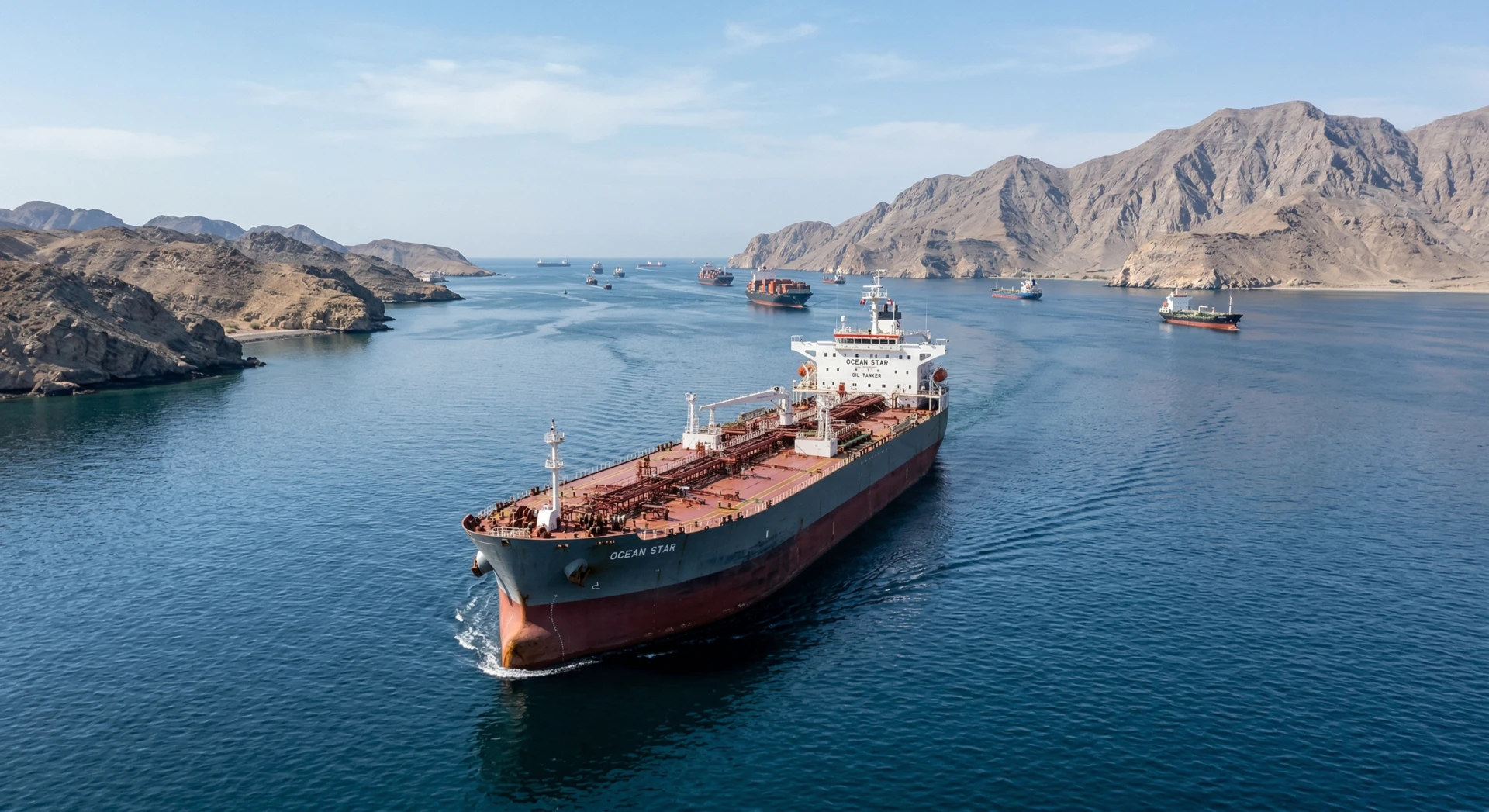
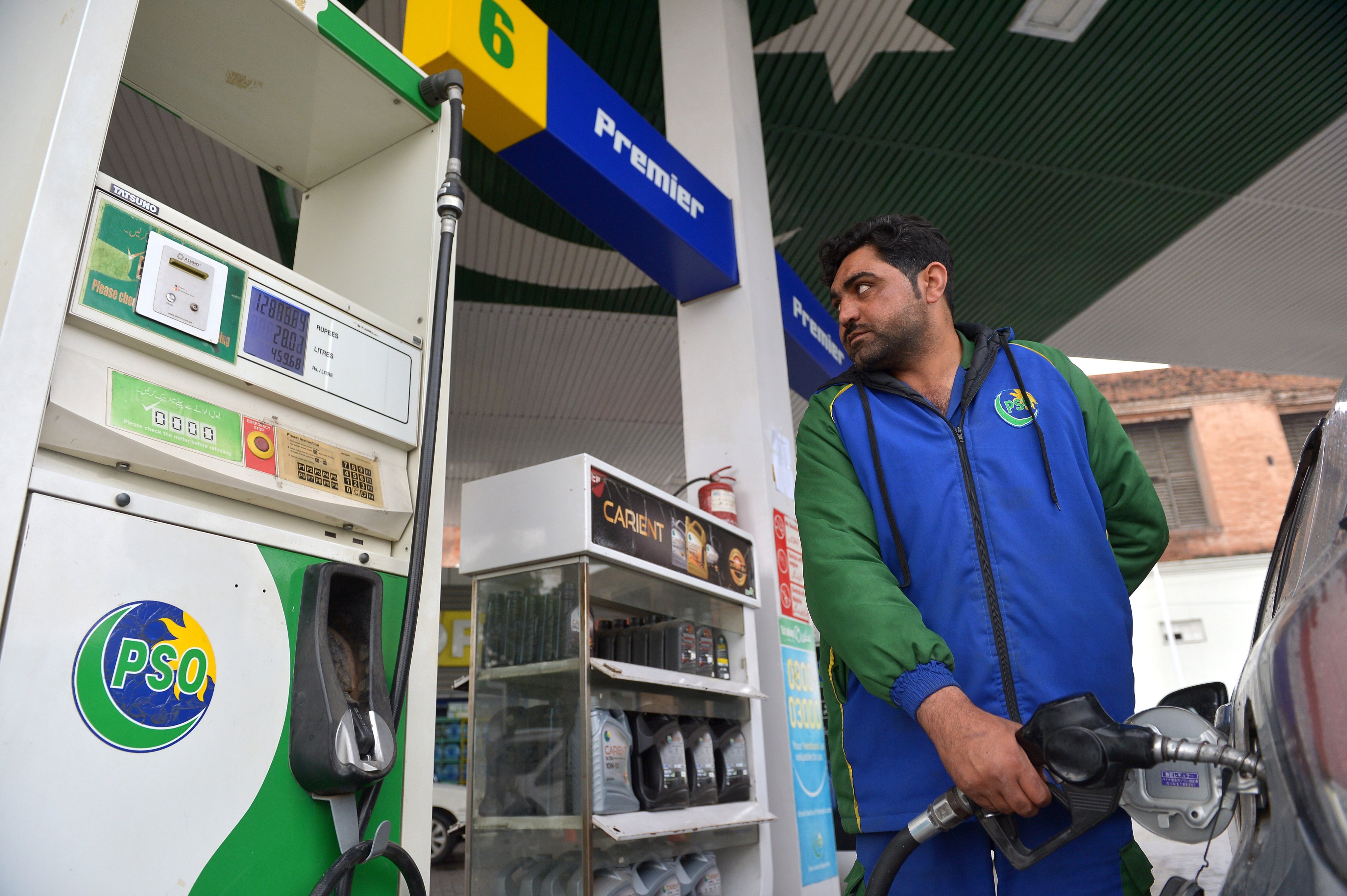
Brent crude futures strengthened above $107 per barrel on Friday as WTI crude oil futures climbed more than 4.5% to near $106 per barrel against the backdrop of the Strait of Hormuz crisis that has disrupted roughly 20% of the world's oil and LNG flows. India's three state-owned oil companies Indian Oil Corporation (IOC), Bharat Petroleum (BPCL), and Hindustan Petroleum (HPCL) raised petrol and diesel prices by ₹3 per litre each on May 15, with petrol in Delhi now costing ₹97.77 per litre and diesel ₹90.67. This marks the first retail fuel price increase in 49 months, ending a pricing freeze that had cost state oil marketers an estimated ₹1,000–1,200 crore daily in under-recoveries.
The margin arithmetic reveals the political nature of Indian fuel pricing. India's crude oil import basket averaged $69 per barrel in February 2026 before the West Asia crisis, then surged to $113–114 per barrel a 50% increase. Oil ministry officials reportedly stated that retailers were losing ₹100 per litre on diesel and ₹20 per litre on petrol at prevailing prices. The ₹3 hike recovers only a fraction of these losses consider a mid-sized Indian refiner processing 100,000 barrels daily. At current crude differentials, input costs increased by roughly ₹32 per litre, yet retail prices rose by only ₹3. The arithmetic gap means state oil companies remain loss-making on every litre sold, with the three PSU oil companies absorbing these losses for close to 11 weeks before the hike became financially unavoidable.
On the buy side, transport operators and logistics companies face immediate margin compression. A typical long-haul trucking operator consuming 40,000 litres monthly now pays ₹1.2 lakh additional in fuel costs annually per vehicle manageable for large fleet operators with fuel surcharge mechanisms, but potentially margin destroying for smaller operators without pricing power. Passenger vehicle owners in major cities pay ₹150–200 more monthly for average consumption. Industrial users with captive diesel generators common across Indian manufacturing see operating costs rise by approximately 3.3%, feeding directly into input price inflation.
On the sell side, state oil marketing companies gain partial relief but remain structurally unprofitable. The ₹3 increase generates roughly ₹360 crore daily across the three companies' combined retail network, recovering approximately 30% of their current under-recovery position. Analysts estimated a ₹15–20 per litre increase is needed for OMCs to stop incurring losses. Private refiners like Reliance benefit from wholesale price increases without retail price controls, capturing improved refining margins. Fuel retailers see no direct benefit dealer margins remain unchanged but avoid the operational disruption of further under-recovery accumulation.
For large integrated energy traders (Vitol, Trafigura, state trading arms), the Indian price adjustment signals broader Asian demand rationing. India imports nearly 90% of its crude needs, making it a bellwether for regional price tolerance. The muted ₹3 increase suggests Indian consumers will absorb higher energy costs gradually rather than trigger immediate demand destruction. Traders can position accordingly: Asian crude differentials remain elevated, making Atlantic Basin crude exports to India economically attractive despite longer voyage times.
For smaller regional operators independent fuel importers, mid-sized refiners without derivatives access the Indian precedent suggests gradual price pass-through rather than sudden demand collapse. Regional fuel distributors can model similar incremental pricing strategies, spreading cost increases across multiple adjustments rather than single large moves. However, without government support, these operators face the full input cost impact immediately, unlike India's state companies that can absorb losses temporarily.
The restriction of shipments by more than 90% from the Strait of Hormuz has reduced oil flows by around 10 million barrels per day, with Brent crude prices jumping 10–13% in early trading. The US EIA expects global oil inventories to fall by an average of 8.5 million b/d in Q2 2026, keeping Brent prices around $106/b in May and June before dropping to $89/b in Q4 2026 as Middle East oil production rises. The Strait of Hormuz a 33 kilometre chokepoint through which roughly 20% of world traded oil flows illustrates how geopolitical disruption translates into retail pump prices via a 2 month transmission lag. The Indian government's decision to maintain fuel subsidies through state elections, then adjust prices immediately afterward, demonstrates that fuel pricing remains a political tool disguised as commercial policy.
The direct impact on Consumer Price Index (CPI) inflation is estimated at around 15 basis points, but the indirect effect via transport costs, logistics, food prices and manufacturing inputs could be more pronounced. Fuel price shocks in India have significant second-round inflationary effects through input costs in agriculture and manufacturing, with transport cost pass-through typically completing within two to three months, meaning the ₹3 hike will be felt across household expenses, freight rates and factory prices through July and August 2026. The timing exactly 16 days after assembly elections concluded reveals the subsidy burden was politically maintained rather than economically justified.
For observers monitoring Asian energy import vulnerability, track the Brent-Dubai spread and India's monthly petroleum product imports through June 2026. A widening spread above $3/barrel signals Asian buyers are paying premiums for non-Gulf crude. Import volumes declining below 18 million tonnes monthly would indicate demand destruction is beginning to offset supply disruptions. The next Indian fuel price adjustment will signal whether ₹3 represents gradual cost recovery or a one time political pressure release before the next election cycle.
.jpg)

'%3e%3cg id='Final-Copy-2_2_' transform='translate(1275.000000, 200.000000)'%3e%3cpath class='st0' d='M7.4,12.8h6.8l3.1-11.6H7.4C4.2,1.2,1.6,3.8,1.6,7S4.2,12.8,7.4,12.8z'/%3e%3c/g%3e%3c/g%3e%3c/g%3e%3cg id='final---dec.11-2020'%3e%3cg id='_x30_208-our-toggle' transform='translate(-1275.000000, -200.000000)'%3e%3cg id='Final-Copy-2' transform='translate(1275.000000, 200.000000)'%3e%3cpath class='st1' d='M22.6,0H7.4c-3.9,0-7,3.1-7,7s3.1,7,7,7h15.2c3.9,0,7-3.1,7-7S26.4,0,22.6,0z M1.6,7c0-3.2,2.6-5.8,5.8-5.8 h9.9l-3.1,11.6H7.4C4.2,12.8,1.6,10.2,1.6,7z'/%3e%3cpath id='x' class='st2' d='M24.6,4c0.2,0.2,0.2,0.6,0,0.8l0,0L22.5,7l2.2,2.2c0.2,0.2,0.2,0.6,0,0.8c-0.2,0.2-0.6,0.2-0.8,0 l0,0l-2.2-2.2L19.5,10c-0.2,0.2-0.6,0.2-0.8,0c-0.2-0.2-0.2-0.6,0-0.8l0,0L20.8,7l-2.2-2.2c-0.2-0.2-0.2-0.6,0-0.8 c0.2-0.2,0.6-0.2,0.8,0l0,0l2.2,2.2L23.8,4C24,3.8,24.4,3.8,24.6,4z'/%3e%3cpath id='y' class='st3' d='M12.7,4.1c0.2,0.2,0.3,0.6,0.1,0.8l0,0L8.6,9.8C8.5,9.9,8.4,10,8.3,10c-0.2,0.1-0.5,0.1-0.7-0.1l0,0 L5.4,7.7c-0.2-0.2-0.2-0.6,0-0.8c0.2-0.2,0.6-0.2,0.8,0l0,0L8,8.6l3.8-4.5C12,3.9,12.4,3.9,12.7,4.1z'/%3e%3c/g%3e%3c/g%3e%3c/g%3e%3c/g%3e%3c/svg%3e) Privacy Choices
Privacy Choices