.avif)
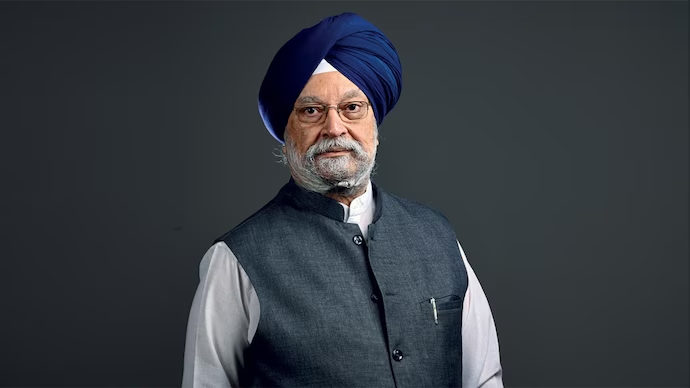
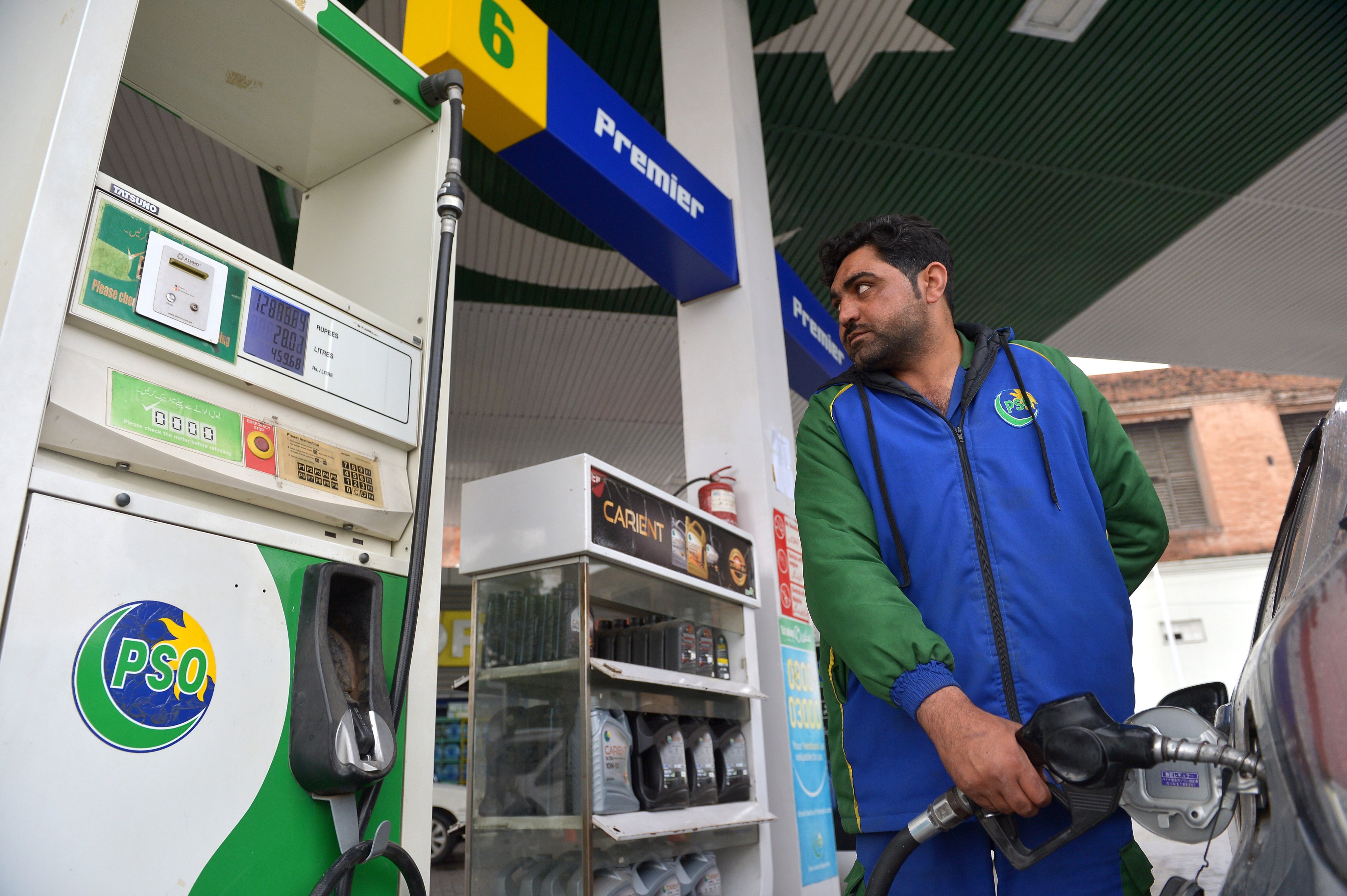
State oil refiners across India raised petrol and diesel prices by ₹3 per litre on May 15, the first increase in four years, forcing truckers to immediately absorb a 4-5% fuel cost increase while households face higher transport and food bills. The hike comes after Oil Minister Hardeep Singh Puri warned that state-run fuel retailers were losing ₹1,000 crore per day, with quarterly losses sufficient to eliminate annual profits. A subsidy rationalisation the practice of state-owned companies absorbing global oil price increases to shield domestic consumers forces these operators to cover rising input costs from their own balance sheets until political pressure permits pass-through pricing. India's wholesale inflation surged to 8.3% in April from 3.88% in March, with gasoline wholesale prices up 32.4% and diesel up 25.19%. The retail price freeze, maintained through 11 weeks of crude price increases, demonstrates how energy import dependence constrains domestic pricing flexibility.
According to ICRA estimates, at current crude prices of $105-110 per barrel, oil marketing companies incur losses of approximately ₹500 crore daily on auto fuels and domestic LPG sales, even after the ₹3 price increase. Consider a mid-sized state refiner processing 200,000 barrels per day: before the Iran war, crude input costs averaged $70 per barrel. With Brent crude now at $109 per barrel and Dubai crude at $112.85 due to Asian refinery bidding for scarce Hormuz cargoes, the same refiner faces an additional $7.8 million daily in raw material costs. The ₹3 retail increase generates roughly $6 million daily in additional revenue covering only 77% of the crude cost delta. The remaining $1.8 million per day accumulates as operating losses that erode working capital and debt capacity. Every ₹1 per litre increase in retail margins boosts EBITDA by 12-17% across major state refiners, but additional hikes may be required to fully offset marketing losses.
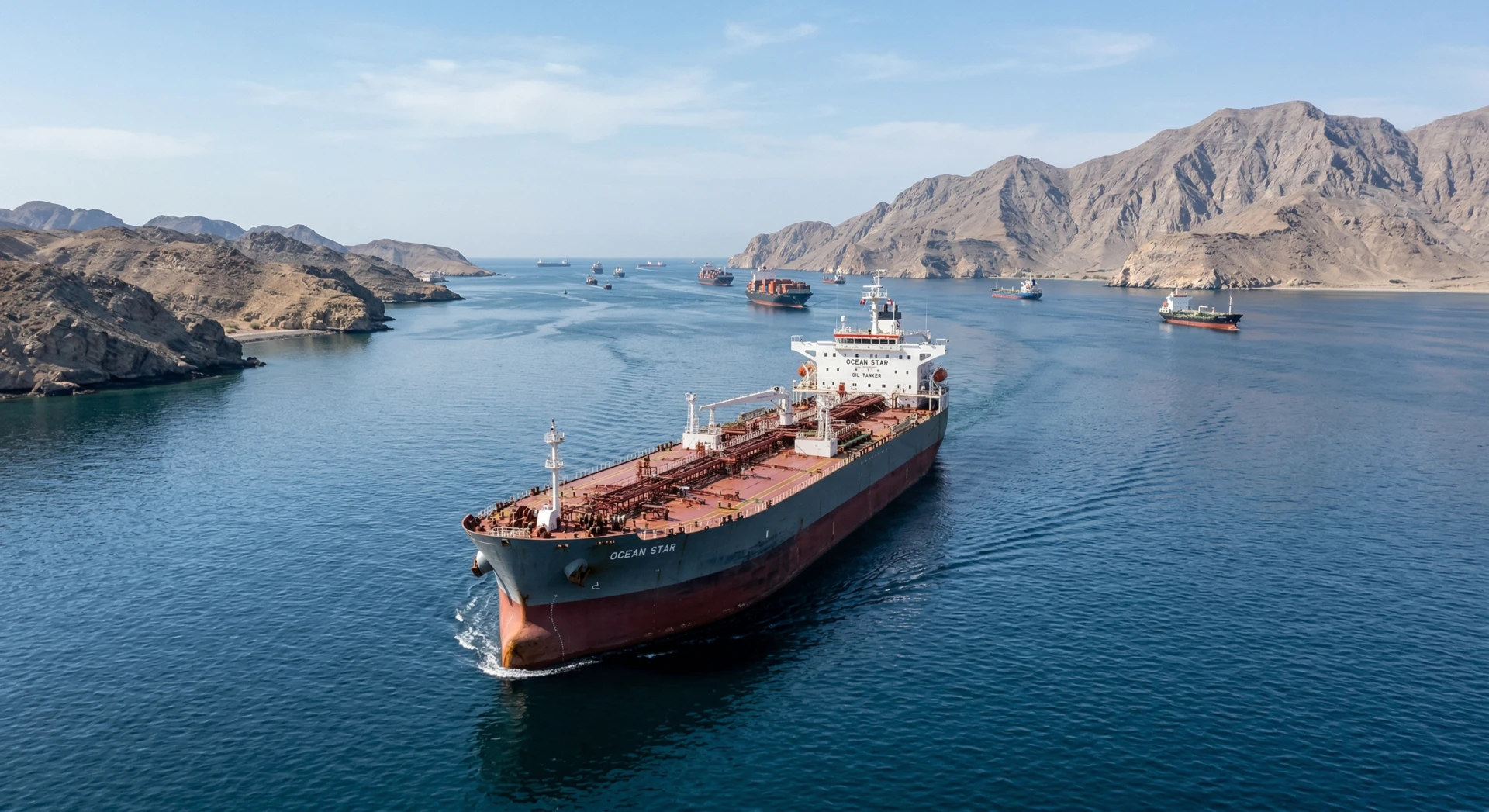
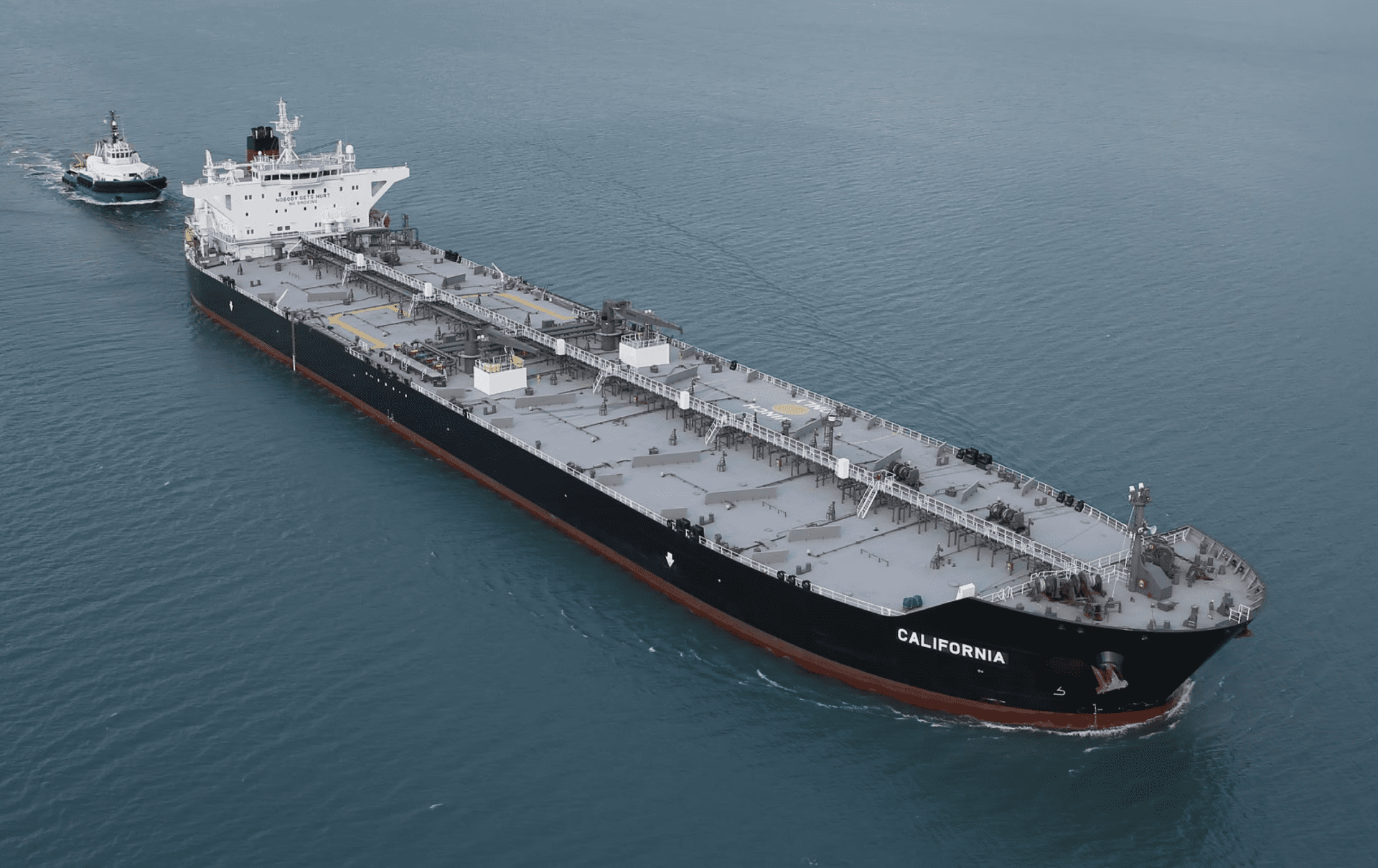
India imports 90% of its oil consumption, with roughly half transiting the Strait of Hormuz before the war, making the country heavily exposed to Middle East supply disruptions. The closure of the Strait of Hormuz has disrupted approximately 20% of global oil trade, forcing Indian refiners to source replacement barrels from more expensive Atlantic Basin crude or compete with other Asian buyers for the limited Gulf production still reaching markets via alternative routes. Saudi Arabia's East-West pipeline operates at its 5 million barrel per day capacity, while Iranian crude exports to China continue at 1.6 million barrels per day despite US pressure. The route economics have deteriorated: a VLCC loading Dubai crude for delivery to Jamnagar typically earned freight of $1.8 million pre-war. The same voyage now requires insurance war-risk premiums adding $800,000, alternative routing via the Cape of Good Hope adding 14 days and $2.2 million in additional fuel and charter costs, or premium bidding for scarce Saudi Ras Tanura loadings.
On the buy side: Independent fuel distributors face immediate margin compression as their wholesale procurement costs rise while retail competition prevents immediate pass-through. A regional distributor sourcing 50,000 litres daily sees input costs increase ₹150,000 daily, forcing either margin absorption or customer price increases that risk volume loss to integrated competitors. On the sell side: State refiners recover an estimated ₹2-3 per litre of accumulated under-recoveries through the increase, but industry sources indicate they need 15-20 rupees per litre to cope with current crude prices, suggesting 80% of required adjustment remains outstanding. LPG losses for HPCL alone are estimated at ₹670 per cylinder in May 2026 versus ₹84 per cylinder in Q4 FY26. For trading houses and fuel aggregators: The price increase reduces but does not eliminate the arbitrage between subsidised Indian fuel and regional market prices, maintaining cross-border smuggling incentives particularly along Pakistan and Bangladesh borders.
The ₹3 increase is insufficient to offset oil above $100 per barrel or meaningfully curb demand, with analysts expecting additional hikes as state refiners exhaust balance sheet capacity to absorb losses. The direct inflation impact is estimated at 15 basis points on consumer prices, though indirect effects will be larger, with economists describing this as potentially the start of multiple staggered hikes. For large integrated traders (Reliance, private refiners) with derivatives access: hedge crude exposure via Brent futures or Dubai swaps, typically 60-90 days forward, costing $0.80-1.20 per barrel in time value for at the money protection. For smaller regional operators (state marketing companies, cooperative societies) without derivatives capability: negotiate fixed-price contracts with 30-60 day terms, diversify supplier base between Middle East and Atlantic Basin crudes, or adjust inventory levels to match sales cycles. For observers: monitor Indian Oil Corporation's quarterly earnings announcement scheduled for May 28 if under-recoveries exceed ₹40,000 crore, expect additional ₹2-4 per litre increases within 45 days.
.jpg)

'%3e%3cg id='Final-Copy-2_2_' transform='translate(1275.000000, 200.000000)'%3e%3cpath class='st0' d='M7.4,12.8h6.8l3.1-11.6H7.4C4.2,1.2,1.6,3.8,1.6,7S4.2,12.8,7.4,12.8z'/%3e%3c/g%3e%3c/g%3e%3c/g%3e%3cg id='final---dec.11-2020'%3e%3cg id='_x30_208-our-toggle' transform='translate(-1275.000000, -200.000000)'%3e%3cg id='Final-Copy-2' transform='translate(1275.000000, 200.000000)'%3e%3cpath class='st1' d='M22.6,0H7.4c-3.9,0-7,3.1-7,7s3.1,7,7,7h15.2c3.9,0,7-3.1,7-7S26.4,0,22.6,0z M1.6,7c0-3.2,2.6-5.8,5.8-5.8 h9.9l-3.1,11.6H7.4C4.2,12.8,1.6,10.2,1.6,7z'/%3e%3cpath id='x' class='st2' d='M24.6,4c0.2,0.2,0.2,0.6,0,0.8l0,0L22.5,7l2.2,2.2c0.2,0.2,0.2,0.6,0,0.8c-0.2,0.2-0.6,0.2-0.8,0 l0,0l-2.2-2.2L19.5,10c-0.2,0.2-0.6,0.2-0.8,0c-0.2-0.2-0.2-0.6,0-0.8l0,0L20.8,7l-2.2-2.2c-0.2-0.2-0.2-0.6,0-0.8 c0.2-0.2,0.6-0.2,0.8,0l0,0l2.2,2.2L23.8,4C24,3.8,24.4,3.8,24.6,4z'/%3e%3cpath id='y' class='st3' d='M12.7,4.1c0.2,0.2,0.3,0.6,0.1,0.8l0,0L8.6,9.8C8.5,9.9,8.4,10,8.3,10c-0.2,0.1-0.5,0.1-0.7-0.1l0,0 L5.4,7.7c-0.2-0.2-0.2-0.6,0-0.8c0.2-0.2,0.6-0.2,0.8,0l0,0L8,8.6l3.8-4.5C12,3.9,12.4,3.9,12.7,4.1z'/%3e%3c/g%3e%3c/g%3e%3c/g%3e%3c/g%3e%3c/svg%3e) Privacy Choices
Privacy Choices