.avif)

Crude oil speculators banking on Iranian de-escalation captured $32 per barrel in profit Monday as Brent crude oil futures eased to $94 per barrel after having crossed $98 earlier on Monday after Iran stated it had ended its military operations against Israel. The retreat from the 52 week price range for Brent Oil futures spans from 58.72 to 126.41 delivered windfalls to short positions while exposing the margin vulnerability of crude traders who entered long positions near the peak. Iran and Israel said they had halted attacks on each other after an appeal from U.S. President Donald Trump that they immediately "stop 'shooting'", though Tehran said it would resume strikes if Israel continued to hit Hezbollah in Lebanon. This conditional ceasefire structure escalation triggers clearly defined but implementation fragile creates a binary options market where crude positions face continued volatility risk despite the headline retreat.
The margin anatomy reveals why this ceasefire announcement triggered such violent price compression. Consider a European crude trader who established a $100 million long position in Brent futures at $120/barrel on Monday morning a standard 833,000 barrel exposure betting on further escalation. The retreat to $94 destroyed $21.7 million in position value within hours. "While there is some relief from the latest pause in direct strikes, investors are not convinced the truce will hold," said Tim Waterer, chief market analyst at KCM Trade. The speed of this unwind $32/barrel in a single session demonstrates how concentrated long positions become when geopolitical premiums collapse. Traders holding overnight positions discovered that war risk insurance (typically $2-3/barrel in premium during Middle East tensions) evaporated faster than the underlying crude exposure could be hedged.
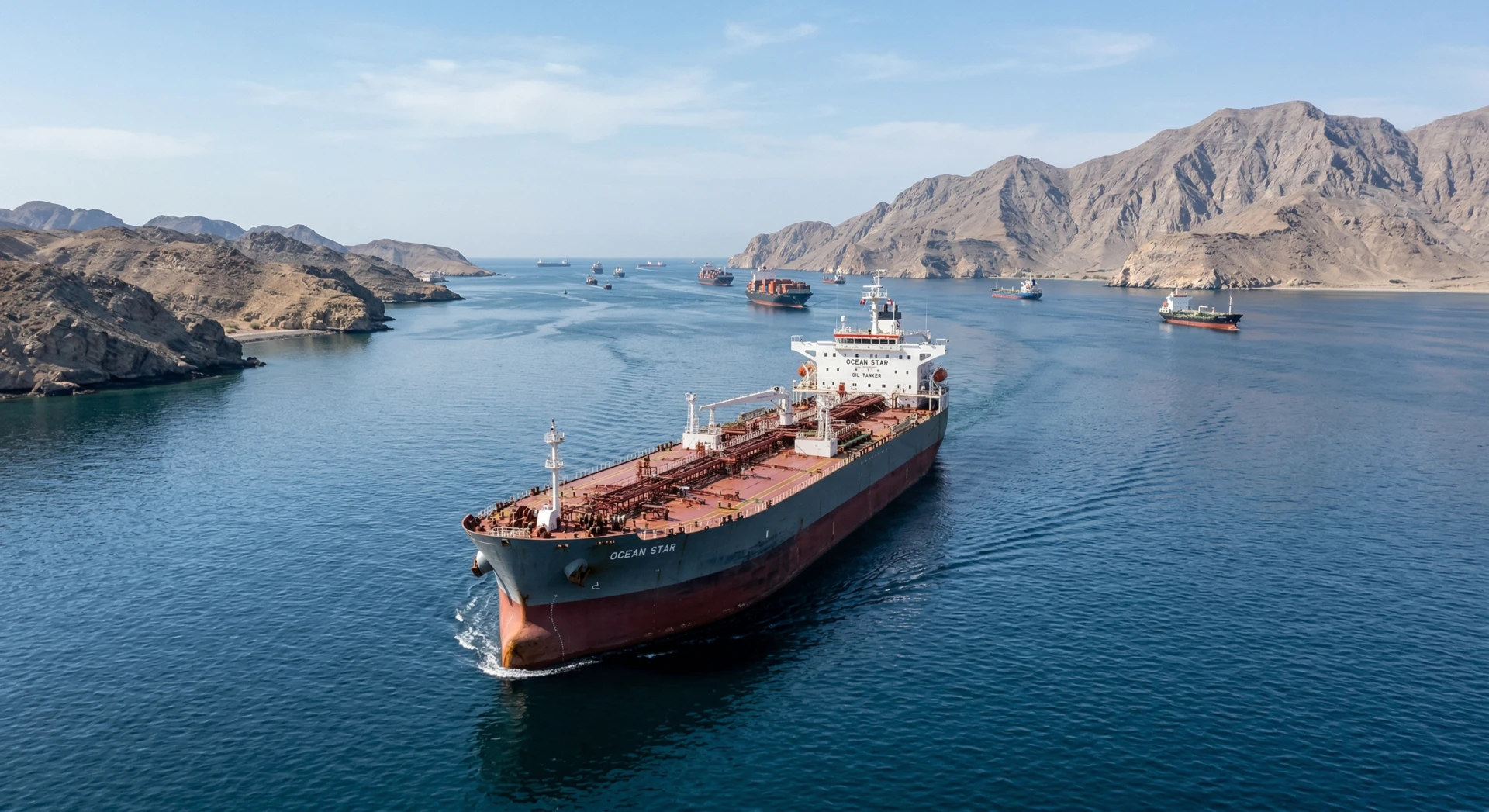
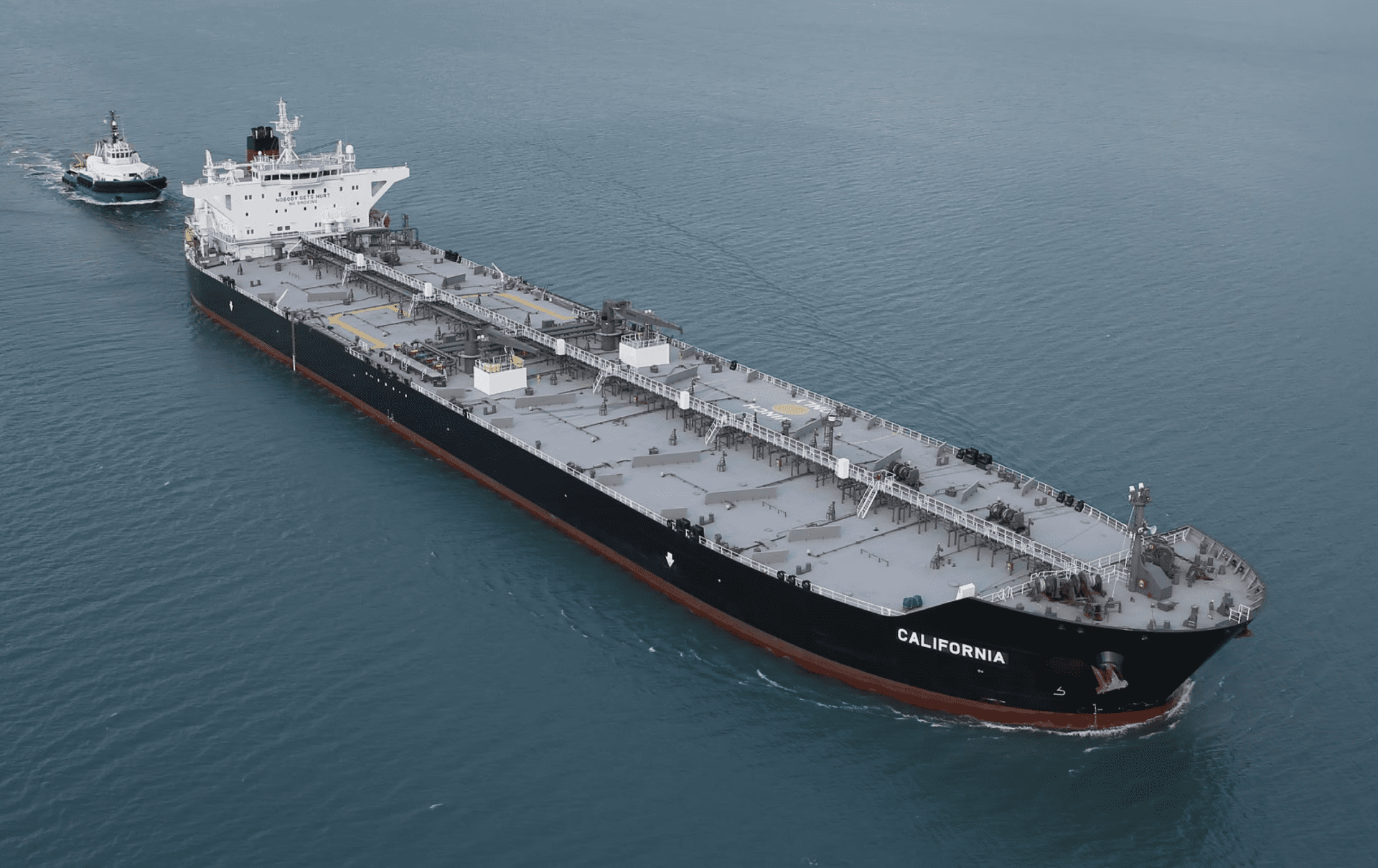
Freight rates expose the second order complexity that headline crude prices obscure. A VLCC (Very Large Crude Carrier) capable of transporting 2 million barrels from the Middle East to Asia commanded charter rates exceeding $300,000 per day during Monday's escalation peak, compared to baseline rates around $25,000 per day before the crisis. The Iranian Revolutionary Guard Corps (IRGC) issued warnings forbidding passage through the strait, boarded and attacked merchant ships, and laid sea mines in the strait. Until the US–Israeli war against Iran, the Strait of Hormuz was open and about 25% of the world's seaborne oil trade and 20% of the world's liquefied natural gas (LNG) passed through it. Even with Iran's strike cessation, these charter rates remain elevated at approximately $200,000 per day because vessel operators price continuing transit risk through Hormuz. The $175,000 daily premium above normal rates $3.5 million per 20 day voyage adds roughly $1.75 per barrel in freight costs that persist regardless of crude price volatility.
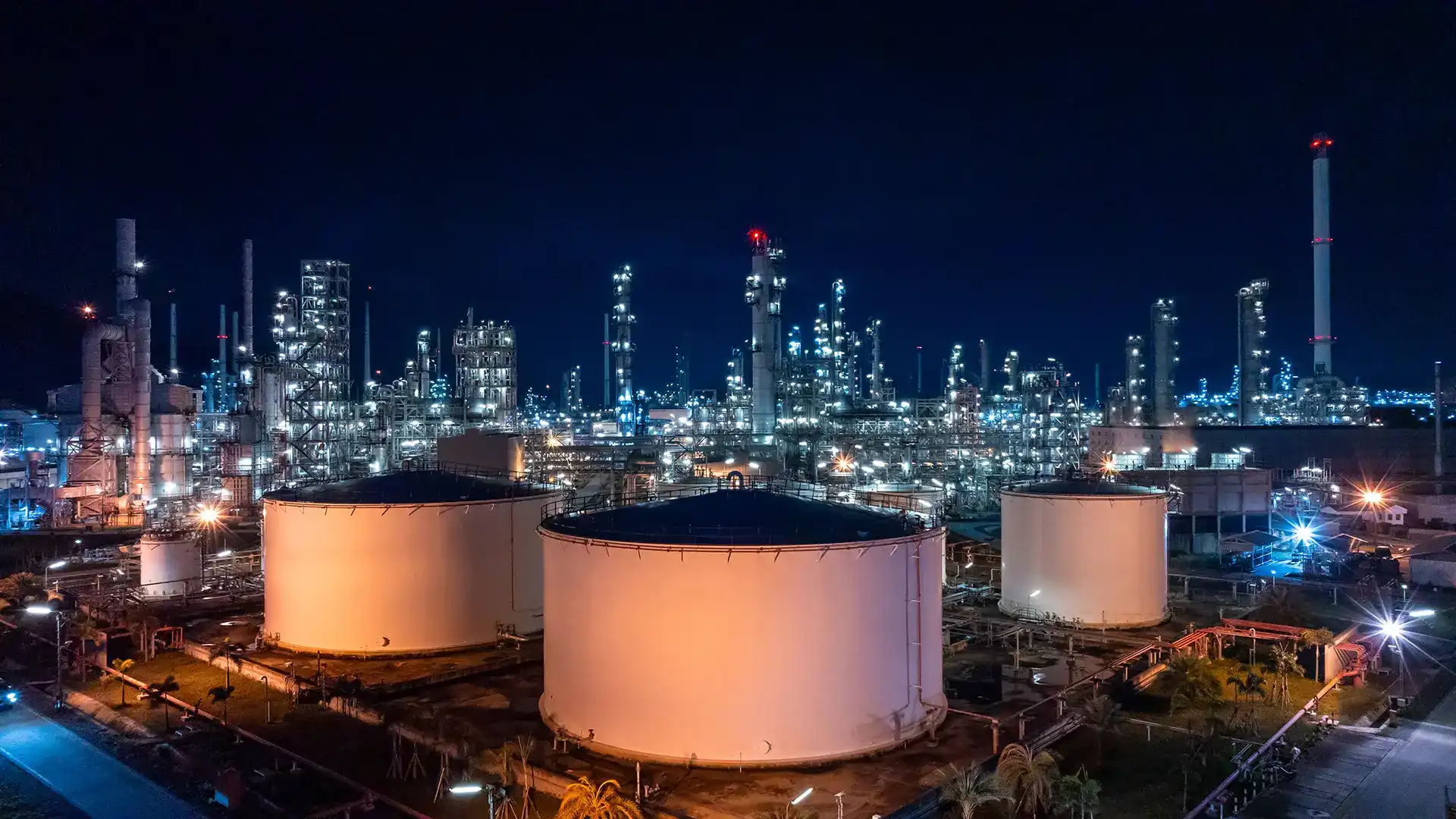
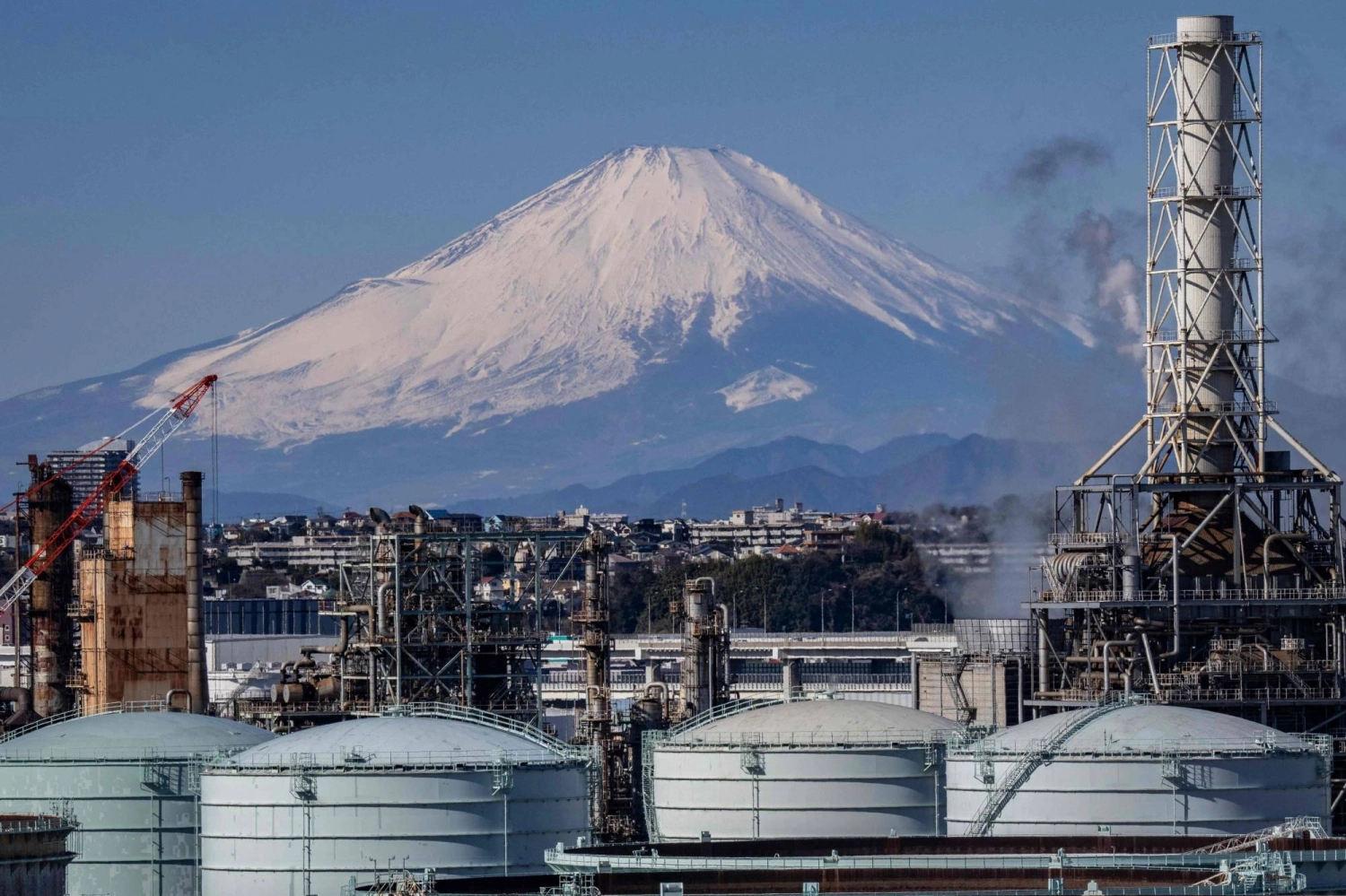
Buyer-side pressure concentrates among Asian refineries dependent on Middle Eastern crude flows. 84% of the crude oil and condensate and 83% of the liquefied natural gas that moved through the Strait of Hormuz went to Asian markets in 2024. China, India, Japan, and South Korea were the top destinations for crude oil moving through the Strait of Hormuz to Asia, accounting for a combined 69% of all Hormuz crude oil and condensate flows in 2024. A mid-sized Japanese refiner processing 200,000 barrels per day typically maintains 30-45 days of crude inventory roughly 6-9 million barrels. At current elevated freight rates, each cargo replacement costs an additional $3.5 million in shipping versus pre-crisis baselines, translating to approximately $0.40-0.60 per refined barrel in unavoidable freight margin compression. These refiners cannot hedge freight rates with the same derivatives liquidity available for crude pricing, creating persistent margin exposure even during crude price retreats.
Seller-side dynamics reveal why Saudi Arabia's response to the ceasefire matters more than Iranian production announcements. Saudi Arabia and the UAE have some infrastructure in place that can bypass the Strait of Hormuz, which may somewhat mitigate any transit disruptions through the strait. The pipelines do not typically operate at full capacity, and we estimate that about 2.6 million b/d of capacity from the Saudi and UAE pipelines could be available to bypass the Strait of Hormuz in the event of a supply disruption. Saudi Aramco operates the 5 million-b/d East-West crude oil pipeline, which runs from the Abqaiq oil processing center near the Persian Gulf to the Yanbu port on the Red Sea. Aramco's July crude pricing the official selling price for Arab Light crude to Asia at a premium of $9.50 a barrel above regional benchmarks down from a $15.50 premium in June signals confidence that Red Sea alternative routing can maintain supply. However, this $6/barrel OSP reduction masks the reality that pipeline transport to Yanbu costs approximately $2-3/barrel more than Hormuz tanker routing, meaning Saudi margin compression continues even as headline price premiums decline.
For large integrated traders with derivatives access Vitol, Trafigura, national oil company trading arms the volatility collapse creates immediate hedging opportunities through calendar spread trades. The Brent July-December spread widened to $4/barrel during Monday's spike before compressing to $1.80/barrel after the ceasefire announcement. Sophisticated operators can structure contango positions (buying near-month, selling forward) to capture the geopolitical premium decay while maintaining underlying crude exposure. A $50 million calendar spread trade capturing $2.20/barrel ($1.83 million profit) provides exposure to continued volatility without directional crude price risk. These operators additionally benefit from their ability to physically relocate inventory via controlled storage facilities moving 1 million barrels from Cushing to Singapore costs approximately $2.3 million but eliminates geopolitical premium exposure during Middle East escalations.
Smaller regional operators face fundamentally different margin pressures without derivatives hedging capabilities. A mid-sized fuel distributor in Southeast Asia importing 50,000 barrels per month of diesel from Middle East refineries confronts persistent freight rate premiums that cannot be hedged bilaterally. Their practical equivalent involves diversifying supplier geography (securing West African or U.S. Gulf Coast diesel at $3-5/barrel premiums) and adjusting inventory cycles to minimize exposure to freight volatility. These operators typically negotiate quarterly pricing terms with oil majors, effectively transferring freight risk to suppliers with better hedging capabilities in exchange for $1-2/barrel OSP premiums. Regional cooperatives managing heating oil distribution can implement demand pooling aggregating 200,000 barrel purchase commitments across multiple members to achieve charter rate economies that individual operators cannot access.
The structural financing dimension exposes why this ceasefire creates banking sector pressure rather than relief. Letters of credit (LCs) bank guarantees that payment will be made once shipping documents are presented become the instrument determining which crude trades execute during geopolitical uncertainty. A 2 million barrel VLCC cargo valued at $188 million requires LC coverage, but regional banks now demand war risk insurance as LC collateral. This insurance currently costs 0.75-1.25% of cargo value ($1.4-2.35 million per voyage), compared to 0.15-0.25% during stable periods. Iranian ceasefire announcements do not immediately reduce these insurance requirements because underwriters price the resumption probability rather than current strike activity. Banks additionally increase margin requirements on crude trading facilities typically demanding 15-20% cash collateral instead of pre-crisis 5-10% levels meaning a $100 million crude trading operation requires an additional $10-15 million in tied-up capital regardless of Tuesday's price retreat.
The historical precedent suggests that ceasefire announcements in Hormuz transit crises create false margin relief. During the Iran-Iraq tanker war of the 1980s, multiple temporary cessations in attacks failed to restore normal tanker traffic because vessel operators and cargo insurers priced resumption risk rather than current conflict status. "While this helped stop the situation snowballing, the geopolitical backdrop remains tense, and a lasting peace deal remains elusive," said Tony Sycamore, market analyst at IG. The key difference in 2026 involves the financing structure: modern crude trade relies heavily on short-term credit facilities and "just in time" inventory management that amplifies the margin impact of persistent freight and insurance premiums. "The key question is whether current de-escalation efforts can finally translate into a longer-lasting resolution, or if we're simply in another temporary lull," Waterer said.
For observers monitoring crude market signals beyond headline prices, the Brent-Dubai spread compression provides the most reliable indicator of whether this ceasefire translates into structural supply normalization. One of the key issues Washington is pressing Tehran for in peace talks is the reopening of the Strait of Hormuz, through which about a fifth of the world's supply of oil passed before the U.S. and Israel launched airstrikes on Iran at the end of February. The spread currently $3.20/barrel versus pre-crisis $1.80/barrel prices the cost of replacing Middle East crude with Atlantic Basin alternatives. If the ceasefire produces genuine Hormuz transit normalization, this spread should compress to $2.20/barrel or below within 7-10 days as Asian refiners resume Iranian and UAE crude purchases. However, continued elevated freight rates above $150,000 per day for VLCCs, despite crude price retreat, signals that vessel operators who possess the most granular intelligence on Middle East shipping conditions remain unconvinced that Monday's announcement represents lasting de-escalation.

.jpg)

'%3e%3cg id='Final-Copy-2_2_' transform='translate(1275.000000, 200.000000)'%3e%3cpath class='st0' d='M7.4,12.8h6.8l3.1-11.6H7.4C4.2,1.2,1.6,3.8,1.6,7S4.2,12.8,7.4,12.8z'/%3e%3c/g%3e%3c/g%3e%3c/g%3e%3cg id='final---dec.11-2020'%3e%3cg id='_x30_208-our-toggle' transform='translate(-1275.000000, -200.000000)'%3e%3cg id='Final-Copy-2' transform='translate(1275.000000, 200.000000)'%3e%3cpath class='st1' d='M22.6,0H7.4c-3.9,0-7,3.1-7,7s3.1,7,7,7h15.2c3.9,0,7-3.1,7-7S26.4,0,22.6,0z M1.6,7c0-3.2,2.6-5.8,5.8-5.8 h9.9l-3.1,11.6H7.4C4.2,12.8,1.6,10.2,1.6,7z'/%3e%3cpath id='x' class='st2' d='M24.6,4c0.2,0.2,0.2,0.6,0,0.8l0,0L22.5,7l2.2,2.2c0.2,0.2,0.2,0.6,0,0.8c-0.2,0.2-0.6,0.2-0.8,0 l0,0l-2.2-2.2L19.5,10c-0.2,0.2-0.6,0.2-0.8,0c-0.2-0.2-0.2-0.6,0-0.8l0,0L20.8,7l-2.2-2.2c-0.2-0.2-0.2-0.6,0-0.8 c0.2-0.2,0.6-0.2,0.8,0l0,0l2.2,2.2L23.8,4C24,3.8,24.4,3.8,24.6,4z'/%3e%3cpath id='y' class='st3' d='M12.7,4.1c0.2,0.2,0.3,0.6,0.1,0.8l0,0L8.6,9.8C8.5,9.9,8.4,10,8.3,10c-0.2,0.1-0.5,0.1-0.7-0.1l0,0 L5.4,7.7c-0.2-0.2-0.2-0.6,0-0.8c0.2-0.2,0.6-0.2,0.8,0l0,0L8,8.6l3.8-4.5C12,3.9,12.4,3.9,12.7,4.1z'/%3e%3c/g%3e%3c/g%3e%3c/g%3e%3c/g%3e%3c/svg%3e) Privacy Choices
Privacy Choices