.avif)
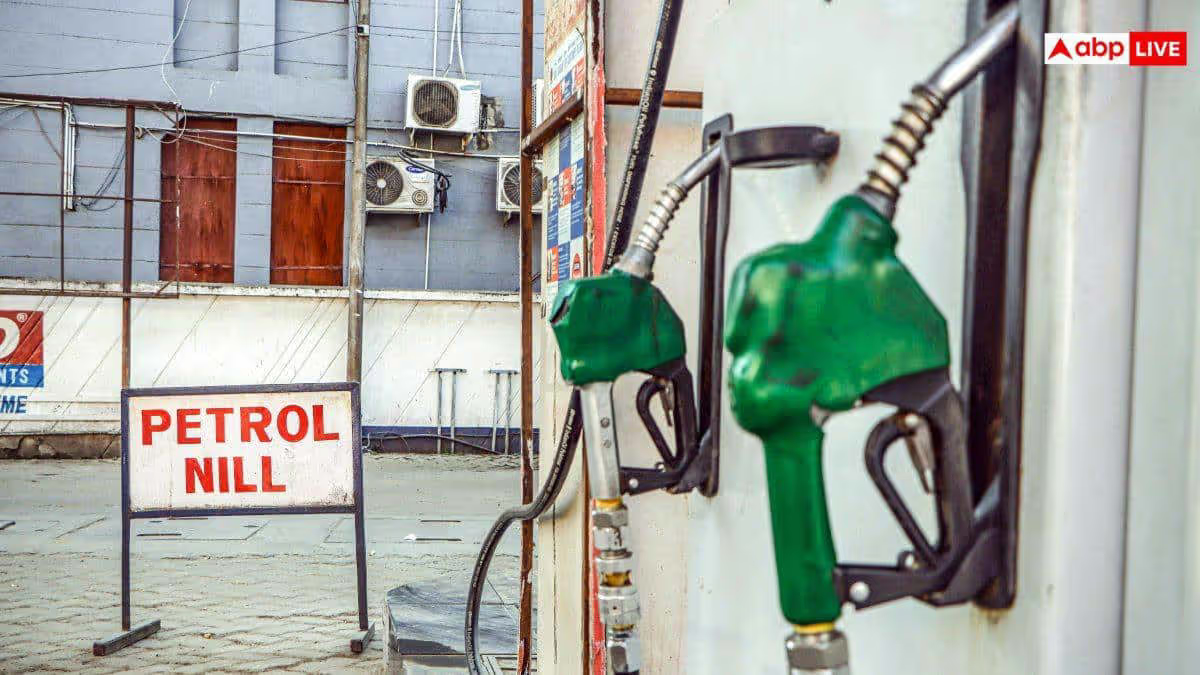
India's state oil companies are absorbing ₹30,000 crore in losses every month to keep fuel prices unchanged, and now Kerala's fuel purchase limits signal the financial strain is forcing operational changes. Customers can only buy a maximum of 200 litres of diesel and petrol worth Rs 5,000, making Kerala the first state to impose such limits. The caps are framed as demand management, but the underlying reality is margin preservation disguised as supply smoothing.
The mathematics are stark. State-run oil marketing companies are losing approximately ₹18 per litre on petrol and ₹35 per litre on diesel. For a typical Kerala urban pump selling up to 10,000 litres of diesel per day, that translates to ₹350,000 in daily losses on diesel alone. Over a month, a single pump's diesel losses approach ₹1 crore. The 200 litre cap reduces bulk purchase exposure while the ₹5,000 petrol limit (approximately 46 litres at current Kerala prices of ₹110/litre) prevents large volume commercial buyers from draining station inventory during peak demand.
On the buy side, commercial fleet operators and bulk fuel users face immediate working capital pressure. A small transport company previously purchasing 1,000 litres of diesel weekly must now make five separate transactions across multiple days. This fragments procurement, increases transaction costs, and forces operators to maintain larger cash reserves for advance payments rather than credit terms. For fuel retailers, this move is part of supply management measures amid rising concerns over stock availability, but it effectively shifts credit risk from oil marketing companies (OMCs) to retail station owners.
On the sell side, OMCs are using Kerala as a testing ground for broader financial discipline. Indian state run fuel retailers won't get government payout for losses and must absorb costs or raise bulk buyer prices. The advance payment requirement mentioned in source reports represents a critical shift from traditional credit based supply chains. Where retailers previously received 15-30 day credit terms, they now pay cash on delivery, improving OMC cash flow by an estimated 2-3% of working capital annually.
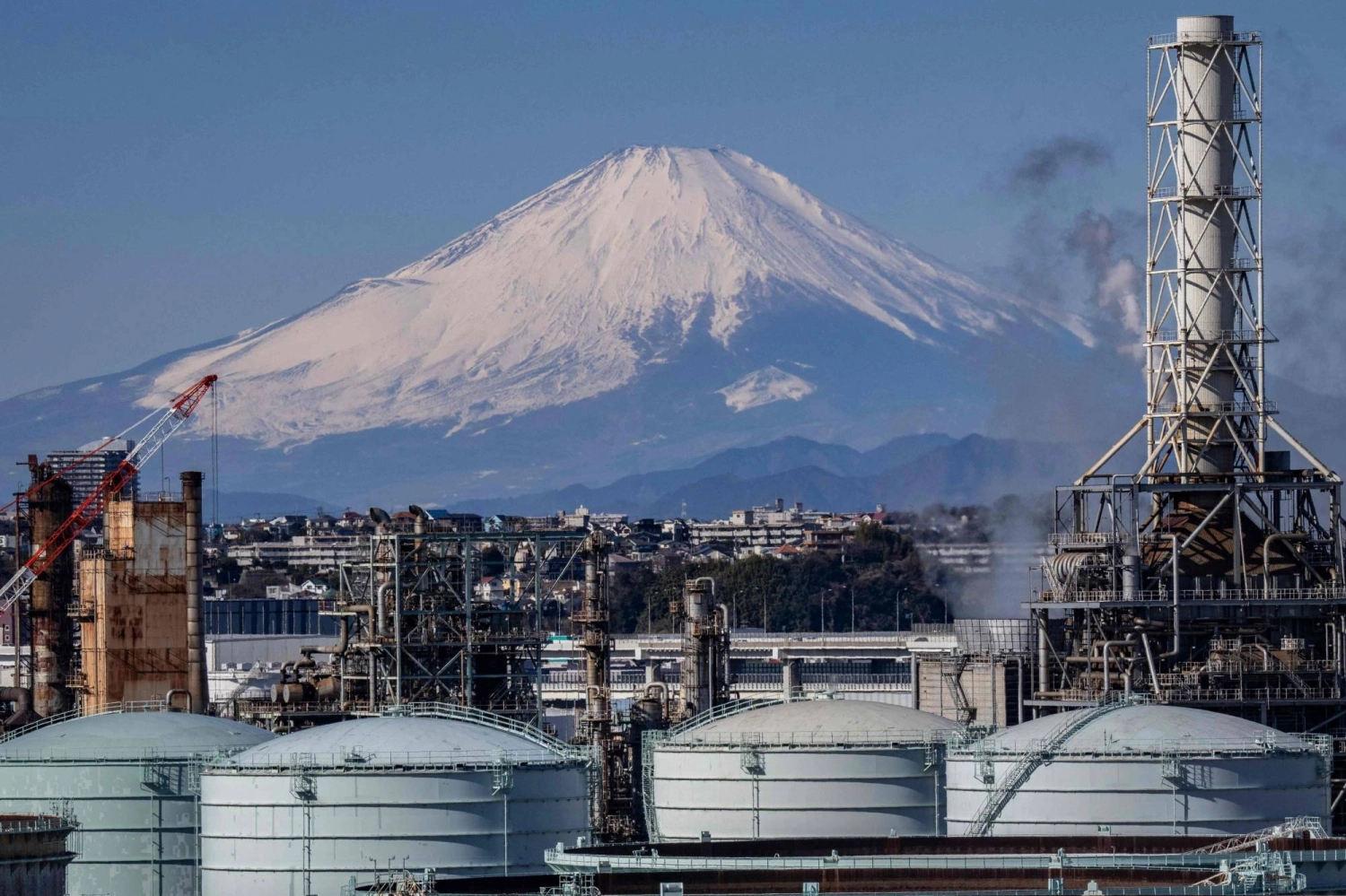
For large integrated players like Indian Oil Corporation, Bharat Petroleum, and Hindustan Petroleum, Kerala's model provides a framework for national rollout without triggering consumer backlash. While countries from Japan to United Kingdom have raised petrol and diesel prices by up to 30% since the start of the West Asia conflict, fuel prices in India continue at two year old levels. The purchase caps allow OMCs to maintain political cover while quietly managing volume exposure and cash flow.
For smaller regional distributors and independent station owners, the model imposes significant constraints. Advance payment terms reduce available credit lines, while purchase caps limit bulk procurement advantages. A mid-sized fuel distributor in Kerala previously leveraging 60 day credit terms to finance inventory now requires equivalent cash reserves, increasing financing costs by approximately ₹3-4 per litre in working capital charges. This margin compression forces smaller players toward consolidation or exit.
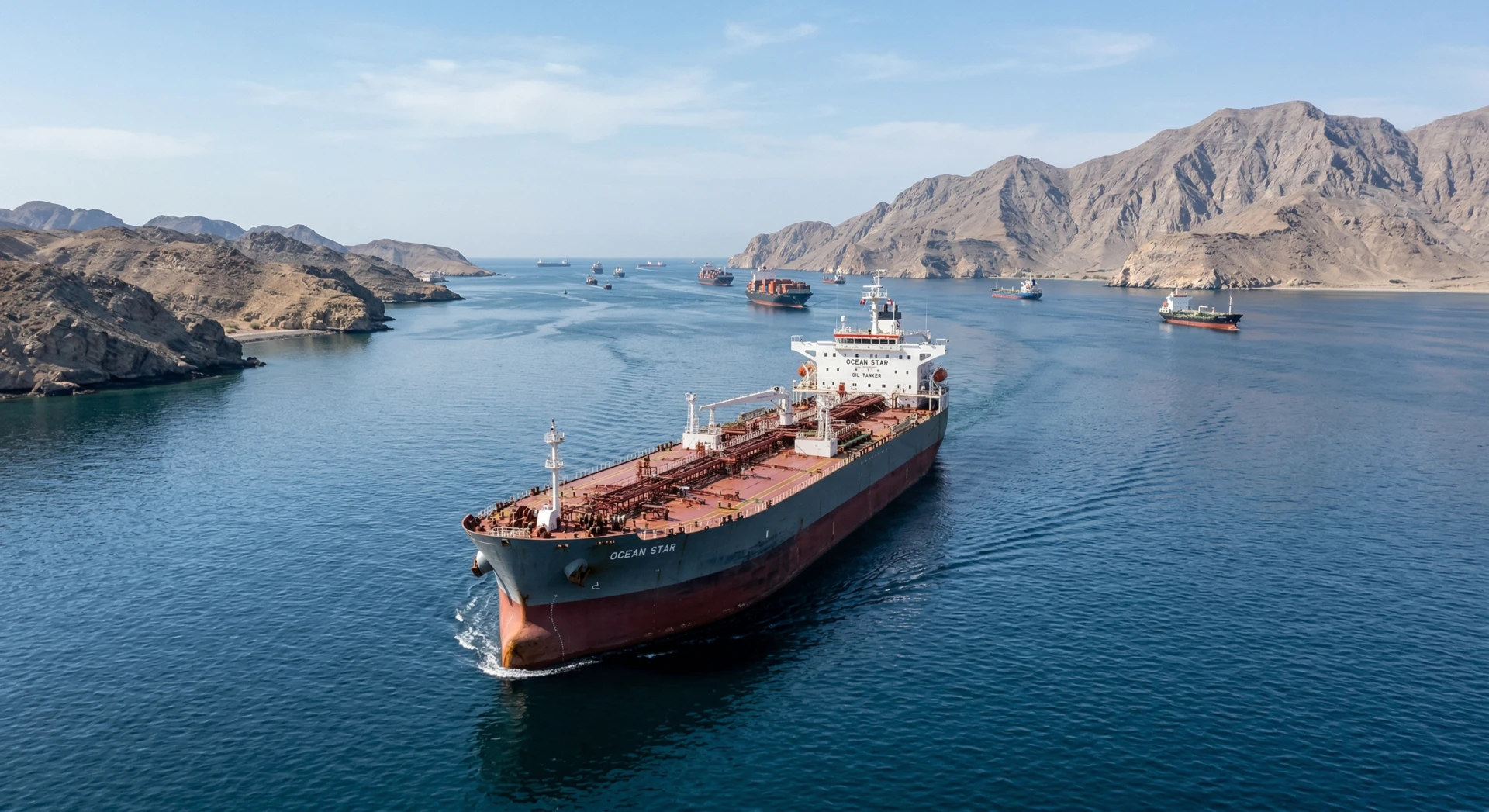
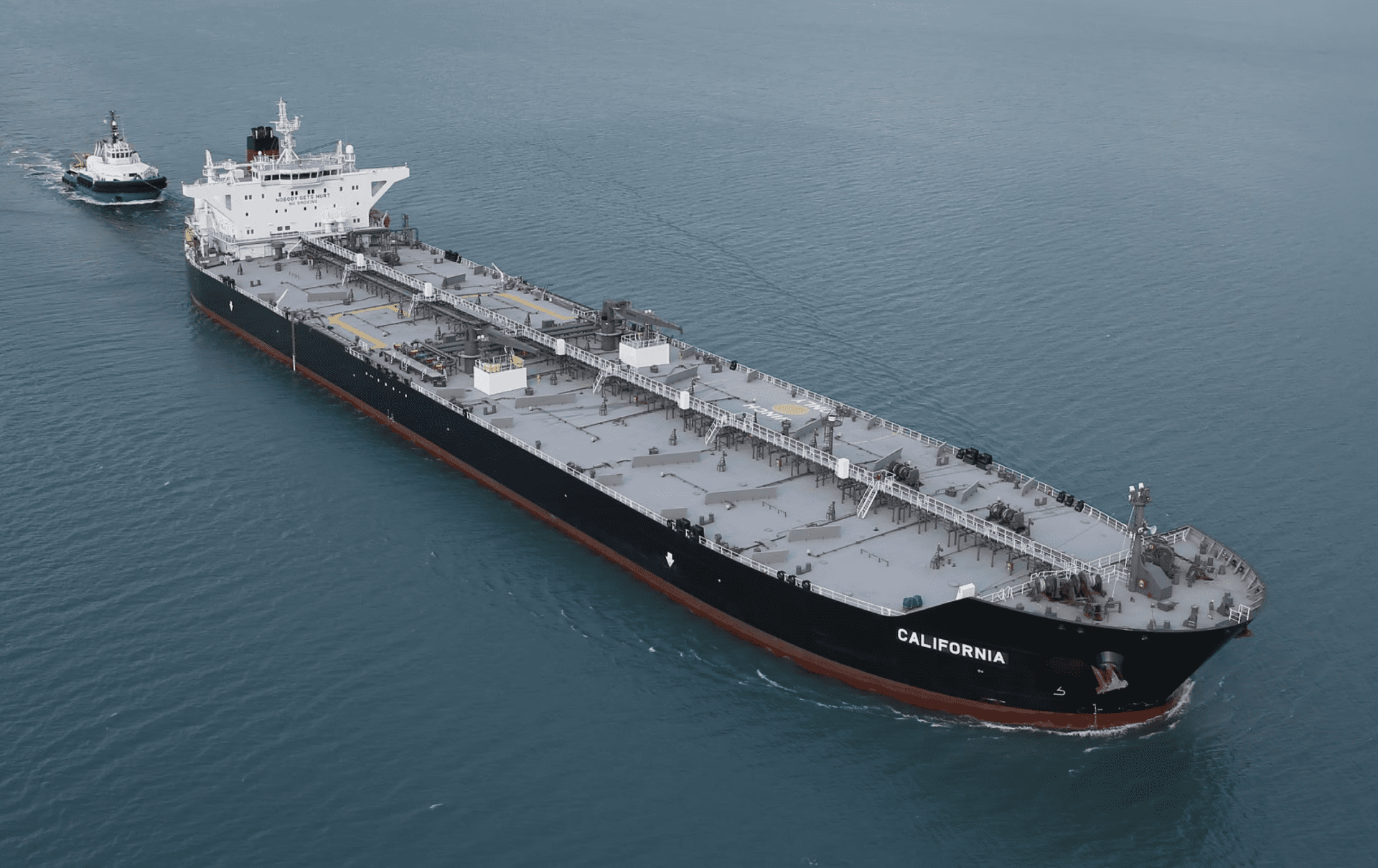
The physical supply chain implications extend beyond Kerala. The war disrupted India's import of 40% of crude oil, 90% cooking gas LPG and 65% natural gas, but crude and fuel flows through the Strait of Hormuz dropped by around 4 million barrels per day in March and April. Kerala's 2,500 petrol pumps represent roughly 3% of India's retail fuel network, making it an ideal pilot for supply management protocols that could scale nationally if Hormuz disruptions persist.
The arbitrage opportunity concentrates in credit intermediation rather than physical fuel trading. Financial institutions capable of providing advance payment financing to fuel retailers can capture spreads of ₹2-3 per litre while OMCs preserve balance sheet liquidity. This credit disintermediation shifts margin from fuel distribution to working capital finance, creating opportunities for non-bank lenders and supply chain financiers.
For observers, Kerala's purchase limits represent a leading indicator for national fuel policy shifts. Daily under recoveries during April were estimated at about ₹18 per litre on petrol and ₹25 per litre on diesel. Monitor state level fuel policy announcements through the Kerala State Petroleum Traders Association within 14 days similar caps in Tamil Nadu or West Bengal would signal coordinated national implementation ahead of any official price revision announcements.
.jpg)

'%3e%3cg id='Final-Copy-2_2_' transform='translate(1275.000000, 200.000000)'%3e%3cpath class='st0' d='M7.4,12.8h6.8l3.1-11.6H7.4C4.2,1.2,1.6,3.8,1.6,7S4.2,12.8,7.4,12.8z'/%3e%3c/g%3e%3c/g%3e%3c/g%3e%3cg id='final---dec.11-2020'%3e%3cg id='_x30_208-our-toggle' transform='translate(-1275.000000, -200.000000)'%3e%3cg id='Final-Copy-2' transform='translate(1275.000000, 200.000000)'%3e%3cpath class='st1' d='M22.6,0H7.4c-3.9,0-7,3.1-7,7s3.1,7,7,7h15.2c3.9,0,7-3.1,7-7S26.4,0,22.6,0z M1.6,7c0-3.2,2.6-5.8,5.8-5.8 h9.9l-3.1,11.6H7.4C4.2,12.8,1.6,10.2,1.6,7z'/%3e%3cpath id='x' class='st2' d='M24.6,4c0.2,0.2,0.2,0.6,0,0.8l0,0L22.5,7l2.2,2.2c0.2,0.2,0.2,0.6,0,0.8c-0.2,0.2-0.6,0.2-0.8,0 l0,0l-2.2-2.2L19.5,10c-0.2,0.2-0.6,0.2-0.8,0c-0.2-0.2-0.2-0.6,0-0.8l0,0L20.8,7l-2.2-2.2c-0.2-0.2-0.2-0.6,0-0.8 c0.2-0.2,0.6-0.2,0.8,0l0,0l2.2,2.2L23.8,4C24,3.8,24.4,3.8,24.6,4z'/%3e%3cpath id='y' class='st3' d='M12.7,4.1c0.2,0.2,0.3,0.6,0.1,0.8l0,0L8.6,9.8C8.5,9.9,8.4,10,8.3,10c-0.2,0.1-0.5,0.1-0.7-0.1l0,0 L5.4,7.7c-0.2-0.2-0.2-0.6,0-0.8c0.2-0.2,0.6-0.2,0.8,0l0,0L8,8.6l3.8-4.5C12,3.9,12.4,3.9,12.7,4.1z'/%3e%3c/g%3e%3c/g%3e%3c/g%3e%3c/g%3e%3c/svg%3e) Privacy Choices
Privacy Choices