.avif)
.avif)
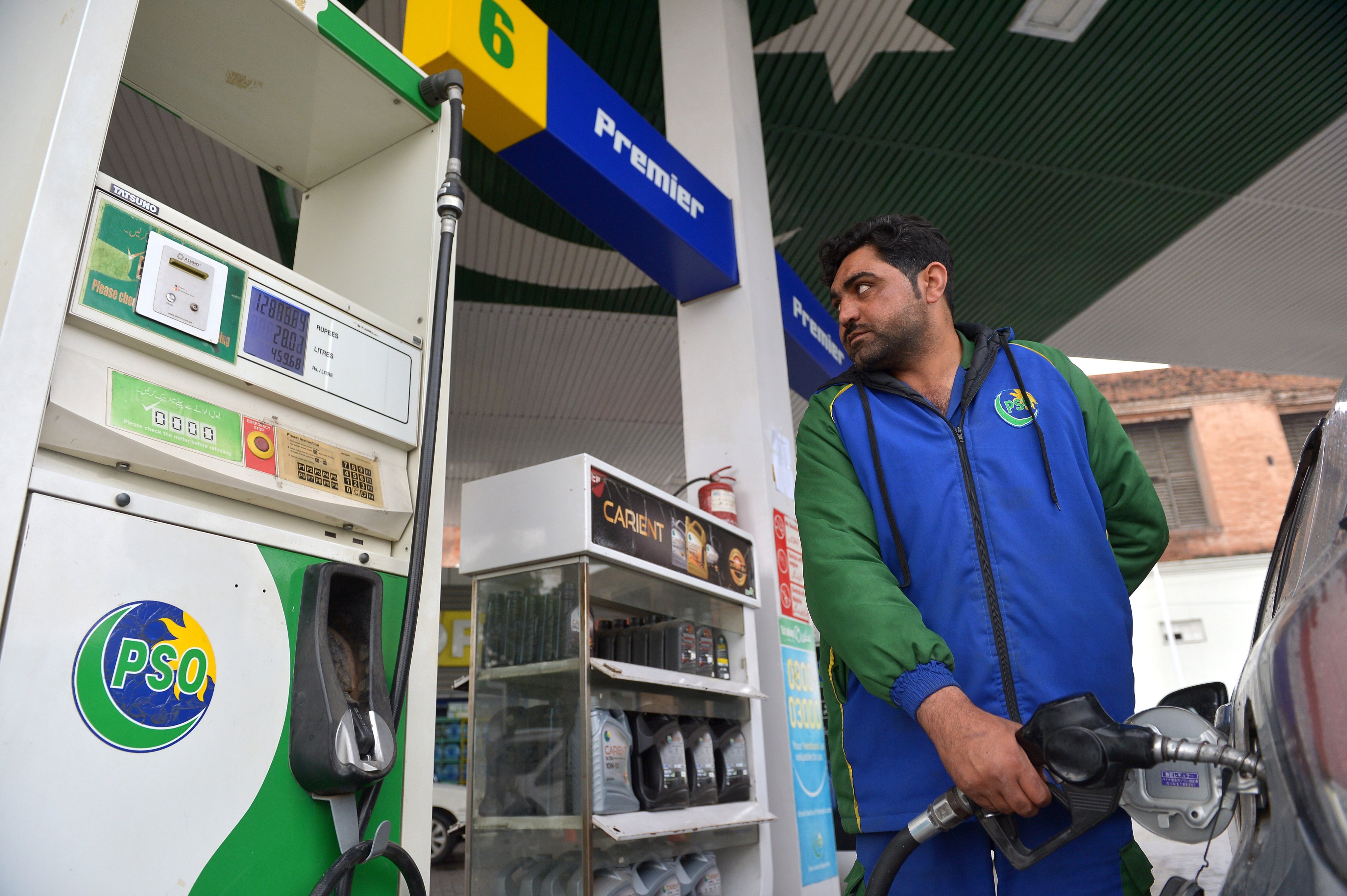
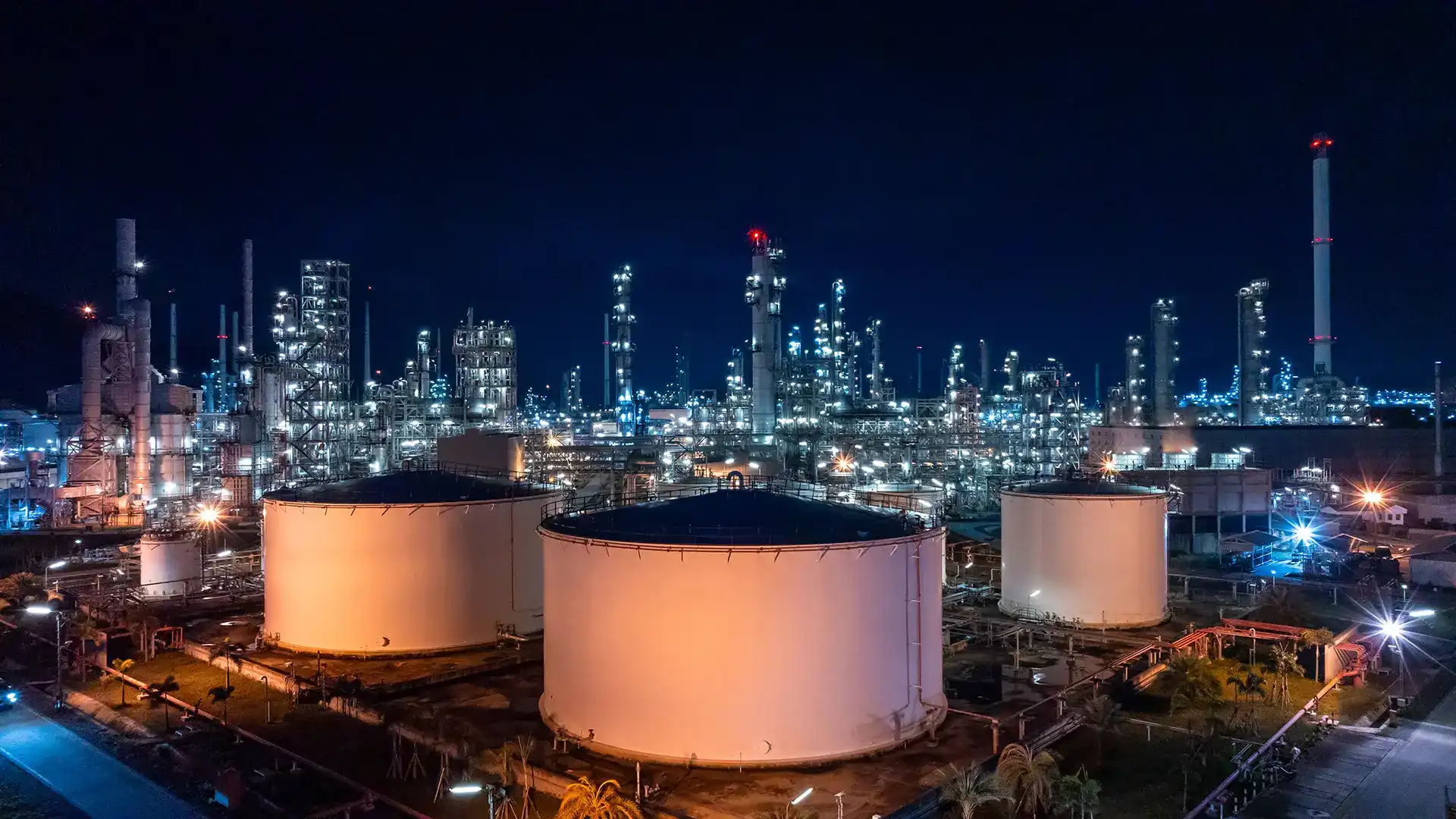
Indian oil refiners face margin compression of approximately $3-5 per barrel as Brent crude trades near $114 and the rupee weakens to 94.95 per dollar. Consider Indian Oil Corporation (IOC), India's largest refiner: processing 70 million tonnes annually at an average margin of $6-8/barrel in normal conditions. With Brent jumping from $108 to $114 over recent sessions and rupee depreciation adding roughly Rs 2.5 per litre to imported crude costs, IOC's gross refining margin contracts to $2-4/barrel barely covering operational expenses. The arithmetic is unforgiving. India imports roughly 85-90% of its oil, so higher crude prices increase demand for dollars. Every $10 increase in Brent crude costs an additional $15 billion annually for India's oil import bill, intensifying dollar demand precisely when the rupee is weakest.
On the buy side: Indian refiners face a financing crunch as working capital requirements surge. Foreign portfolio investors withdrew $6.5 billion in April alone, bringing total 2026 outflows to $20.6 billion unprecedented capital flight that tightens domestic liquidity. Mid-sized refiners like Chennai Petroleum Corporation Limited (CPCL) must now secure letters of credit (LC) bank guarantees for crude purchases at elevated rupee interest rates while their dollar procurement costs rise. A typical 1 million barrel crude cargo that cost $108 million at 92/dollar now requires Rs 1,026 crore instead of Rs 994 crore an additional Rs 32 crore per shipment. On the sell side: Refiners cannot immediately pass through cost increases to domestic fuel consumers due to political pricing constraints. As India is heavily reliant on oil imports, a spike in energy prices is set to inflate the import bill, widen the current account deficit while refiners absorb the margin hit temporarily.
For large integrated players (IOC, Bharat Petroleum Corporation Limited, Hindustan Petroleum Corporation Limited) with derivatives access: currency hedging through rupee forwards offers partial protection but comes at significant cost. Six-month USD/INR forwards trade at a 200-basis-point premium to spot, reflecting market expectations of continued rupee weakness. A refiner hedging 50% of its annual dollar requirements faces hedging costs of approximately Rs 150 crore for every Rs 1 of expected depreciation. For smaller regional refiners Mangalore Refinery and Petrochemicals Limited (MRPL), Numaligarh Refinery Limited without sophisticated financial market access: the practical equivalent involves fixing crude purchase terms bilaterally with suppliers, typically at 60-90 day payment terms rather than spot transactions, and adjusting inventory management to reduce exposure to price volatility.
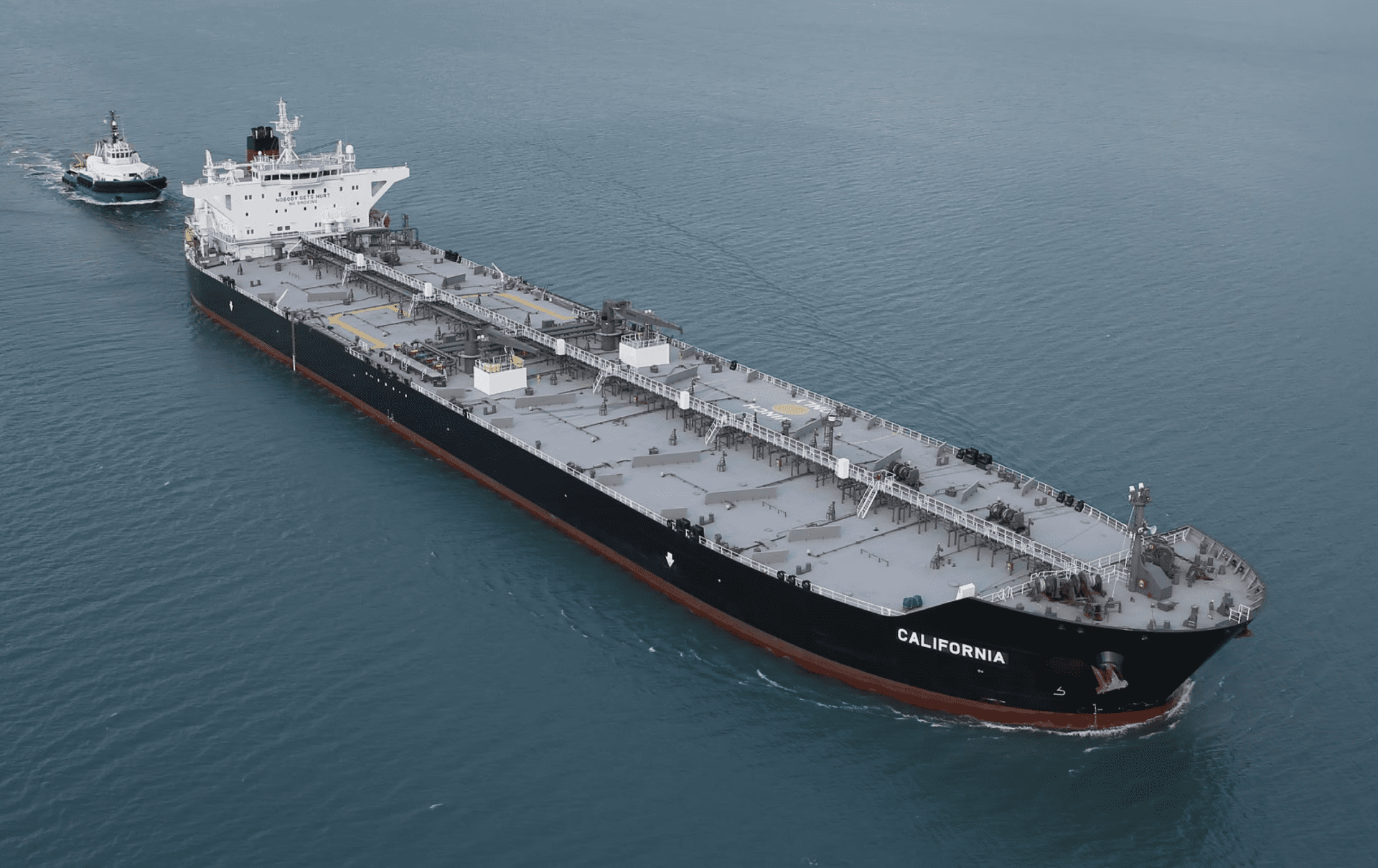
The margin anatomy reveals where costs concentrate. Brent crude futures jumped 5% to $114 per barrel on Monday, with prices briefly surging above $114 following Iranian missile attacks. Processing margins for diesel India's primary refined product export compress as the crack spread (the difference between refined product prices and crude oil) narrows. The Brent-Dubai spread (the price difference between North Sea crude and Middle East crude) currently favours Middle East suppliers, but transportation risk premiums negate much arbitrage opportunity. War-risk ship insurance premiums for the strait increased from 0.125% to between 0.2% and 0.4% of ship insurance value per transit. For a VLCC (Very Large Crude Carrier) valued at $100 million carrying 2 million barrels, insurance costs have tripled from $125,000 to $400,000 per voyage.
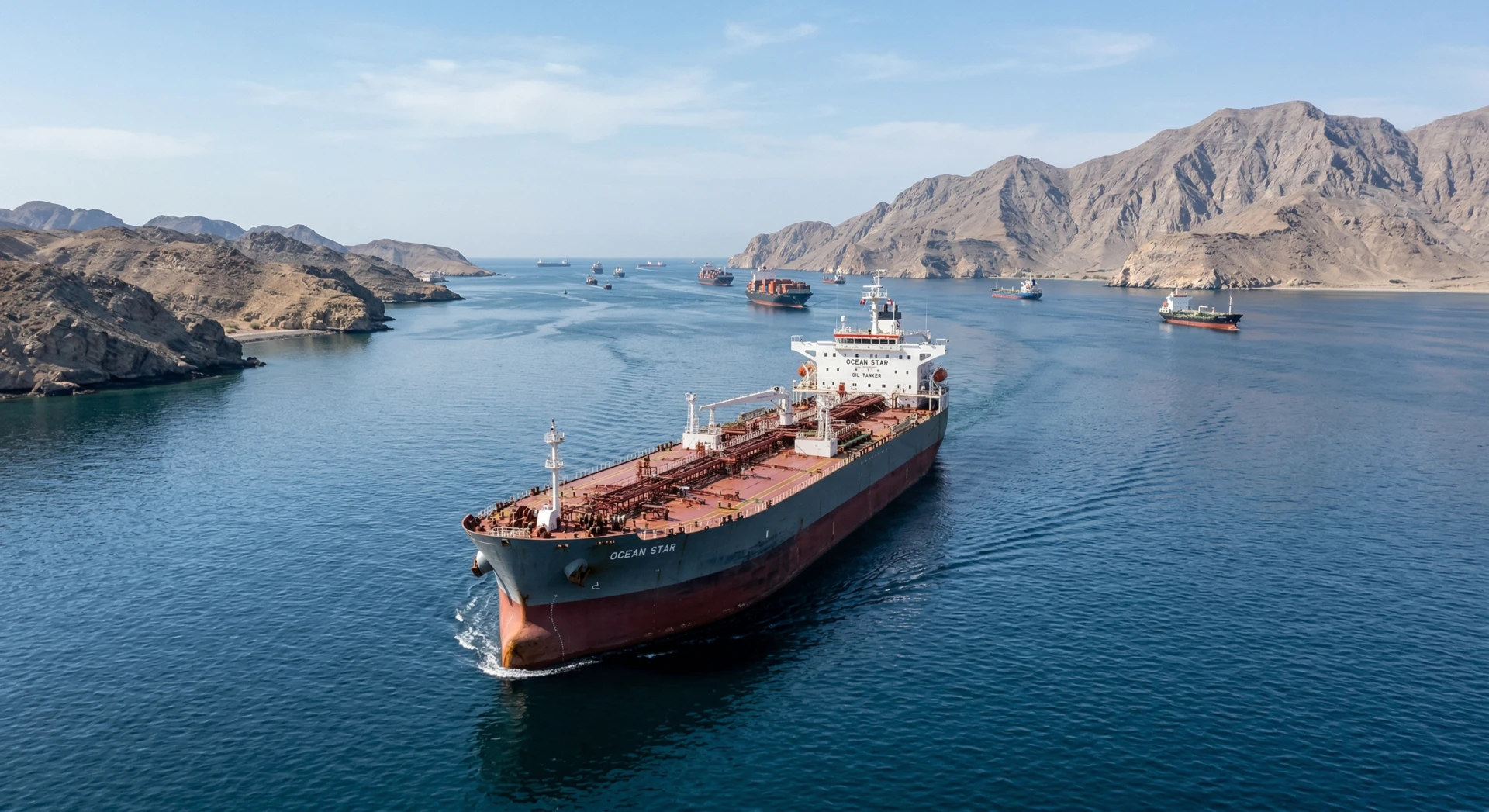
Freight becomes the margin killer. About 25% of the world's seaborne oil trade and 20% of liquefied natural gas passed through the Strait of Hormuz before the war, with tanker traffic dropping by about 70%. VLCC day rates on the Persian Gulf to India route have surged from $14,000 to $45,000 daily a $31,000 increase that adds approximately $620,000 to a 20 day voyage. This freight premium of roughly $0.30/barrel gets absorbed entirely by cargo owners (refiners), not vessel operators. Alternative routing via the Cape of Good Hope adds 15 days and $2/barrel in additional transport costs, making it economically unviable for spot purchases.
Financing structures amplify margin pressure through currency mismatch. Indian refiners typically procure crude oil in dollars but sell refined products domestically in rupees. Oil prices crossing $100 per barrel, the rupee weakening towards 92 against the dollar, and resurgence of inflation concerns have made India's Nifty valuation appear expensive. Working capital loans in rupees carry interest rates of 8.5-9.5% while dollar funding costs remain elevated at 4-5%. The currency hedging cost adds another 200-250 basis points, creating an effective funding cost of 11-12% for dollar-denominated crude purchases. Refiners must now decide whether to hedge currency exposure (protecting against further rupee weakness but locking in current elevated costs) or remain unhedged (benefiting if rupee stabilizes but exposed to further deterioration).
President Donald Trump announced plans to "guide" stranded ships from the Strait of Hormuz under "Project Freedom," though operational specifics remain limited. The policy announcement lacks convoy schedules, escort vessel allocation, or transit capacity estimates. Military analysts note the US Navy has only about 12 vessels capable of escort duty, while pre-war Hormuz traffic exceeded 100 transits daily. The mathematical mismatch means Project Freedom can accommodate perhaps 2-3 tanker transits weekly rather than the 15-20 daily transits needed to normalize oil flows. Iran's deputy parliament speaker warned that any US interference would violate the ceasefire, while Iranian officials said guiding ships through the strait would be considered a violation.
Historical comparison illuminates current margin compression. During the 1988 Tanker War, when Iran and Iraq targeted oil infrastructure, freight rates tripled within six weeks while crude oil prices spiked 40%. However, that conflict involved primarily attacks on vessels and facilities, not comprehensive strait closure. Iran announced the Strait of Hormuz was "closed" on March 4, threatening to attack any ship attempting passage a more systematic disruption than historical precedents. The 2019 Hormuz tensions saw insurance premiums rise 300% but lasted only weeks; current disruption approaches month three with no resolution timeline.
For observers tracking this unfolding margin crisis: monitor the Dubai Mercantile Exchange (DME) Oman crude futures curve. Backwardation (where near-term prices exceed forward prices) currently shows front-month contracts trading $3-4 above six month forwards, signaling acute physical supply tightness. If backwardation steepens beyond $5/barrel, expect refiner inventory destocking and further working capital strain. Second, watch the Indian rupee's performance against other Asian currencies specifically the Korean won and Thai baht rather than just against the dollar. Over the past seven sessions, the rupee has fallen about 1.7%. If rupee underperformance versus regional peers exceeds 200 basis points over a rolling two week period, expect additional FPI outflows and further margin compression.
The resolution timeline determines refiner survival. The US and Iran have maintained a ceasefire since early April, though Trump has suggested military strikes could resume if Iran doesn't reach a deal. Iran's latest proposal aims to end the war rather than extend the ceasefire, seeking resolution within 30 days, though Trump expressed doubt about reaching agreement. Until transit normalization occurs, Indian refiners face a structural margin squeeze requiring either government fuel price adjustments, emergency credit facilities, or inventory optimization to maintain operational viability. The margin math with crude costs up $6-8/barrel and currency weakness adding another $2-3/barrel creates an unsustainable $8-11/barrel headwind that exceeds typical refining spreads entirely.
.jpg)
'%3e%3cg id='Final-Copy-2_2_' transform='translate(1275.000000, 200.000000)'%3e%3cpath class='st0' d='M7.4,12.8h6.8l3.1-11.6H7.4C4.2,1.2,1.6,3.8,1.6,7S4.2,12.8,7.4,12.8z'/%3e%3c/g%3e%3c/g%3e%3c/g%3e%3cg id='final---dec.11-2020'%3e%3cg id='_x30_208-our-toggle' transform='translate(-1275.000000, -200.000000)'%3e%3cg id='Final-Copy-2' transform='translate(1275.000000, 200.000000)'%3e%3cpath class='st1' d='M22.6,0H7.4c-3.9,0-7,3.1-7,7s3.1,7,7,7h15.2c3.9,0,7-3.1,7-7S26.4,0,22.6,0z M1.6,7c0-3.2,2.6-5.8,5.8-5.8 h9.9l-3.1,11.6H7.4C4.2,12.8,1.6,10.2,1.6,7z'/%3e%3cpath id='x' class='st2' d='M24.6,4c0.2,0.2,0.2,0.6,0,0.8l0,0L22.5,7l2.2,2.2c0.2,0.2,0.2,0.6,0,0.8c-0.2,0.2-0.6,0.2-0.8,0 l0,0l-2.2-2.2L19.5,10c-0.2,0.2-0.6,0.2-0.8,0c-0.2-0.2-0.2-0.6,0-0.8l0,0L20.8,7l-2.2-2.2c-0.2-0.2-0.2-0.6,0-0.8 c0.2-0.2,0.6-0.2,0.8,0l0,0l2.2,2.2L23.8,4C24,3.8,24.4,3.8,24.6,4z'/%3e%3cpath id='y' class='st3' d='M12.7,4.1c0.2,0.2,0.3,0.6,0.1,0.8l0,0L8.6,9.8C8.5,9.9,8.4,10,8.3,10c-0.2,0.1-0.5,0.1-0.7-0.1l0,0 L5.4,7.7c-0.2-0.2-0.2-0.6,0-0.8c0.2-0.2,0.6-0.2,0.8,0l0,0L8,8.6l3.8-4.5C12,3.9,12.4,3.9,12.7,4.1z'/%3e%3c/g%3e%3c/g%3e%3c/g%3e%3c/g%3e%3c/svg%3e) Privacy Choices
Privacy Choices