.avif)
.avif)
Iranian crude FOB sellers front-of-business (FOB) operators who own crude at the loading terminal and sell to international buyers face compressed decision windows of 48-72 hours following reports of postponed strikes against Iran that initially swung oil markets before fundamentals reasserted control. According to sources, military action that traders had priced into near-month Brent futures at a $3-5/barrel risk premium was delayed, creating immediate volatility as algorithmic systems unwound positions. For a typical 2 million barrel Iranian crude FOB sale to Asian refiners, this translates to $6-10 million in notional value swings within hours. The core challenge, Iranian sellers operating under sanctions constraints cannot access traditional derivatives markets to hedge price risk, forcing them to make loading and pricing decisions in a narrow window when geopolitical premiums fluctuate wildly. Small and mid-tier Iranian crude marketers, who lack integrated trading arms, find themselves particularly exposed to this timing risk as they cannot easily adjust their sales strategies mid-transaction.
The margin anatomy for Iranian crude FOB sellers reveals why timing decisions have become critical in the current environment. A baseline Iranian Heavy crude cargo (1-2 million barrels) typically trades at Dated Brent minus $2-4/barrel, depending on sulfur content and API gravity. Transportation costs to key Asian destinations add $1.5-2.5/barrel, while financing costs elevated due to sanctions related banking restrictions add another $0.50-1.50/barrel. Insurance premiums have doubled to $0.30-0.50/barrel since tensions escalated. The seller's margin, historically $1-3/barrel, gets compressed when geopolitical premiums swing rapidly because Iranian operators cannot hedge through conventional futures markets. When strike expectations built a $4/barrel premium into Brent, Iranian sellers faced a dilemma, price their cargoes immediately to capture the premium, or wait for volatility to settle at the risk of losing $8-12 million in cargo value if premiums collapsed. The postponement reports triggered exactly this scenario, leaving FOB sellers with narrow windows to lock in pricing before market sentiment shifts again.
On the buy side, Asian refiners particularly independent Chinese teapots and Indian state owned enterprises like Indian Oil Corporation have emerged as primary beneficiaries of the pricing volatility surrounding Iranian crude sales. Chinese independent refiners, operating with quotas that allow them flexibility in crude selection, can capitalize on distressed Iranian FOB pricing when sellers need to move cargoes quickly. A typical 1 million barrel purchase by a Shandong based teapot refiner might secure Iranian Heavy at a $2-3/barrel discount to prevailing Middle East benchmarks when FOB sellers face time pressure. These buyers often operate with shorter decision cycles than major international oil companies, allowing them to move quickly when opportunities arise. Indian refiners, despite facing secondary sanctions risks, continue purchasing Iranian crude through complex payment mechanisms, with Reliance Industries and Indian Oil Corporation structuring deals that take advantage of seller urgency. The postponed strikes created a brief window where these buyers could negotiate more favorable terms as Iranian sellers sought to clear cargoes before renewed geopolitical uncertainty.
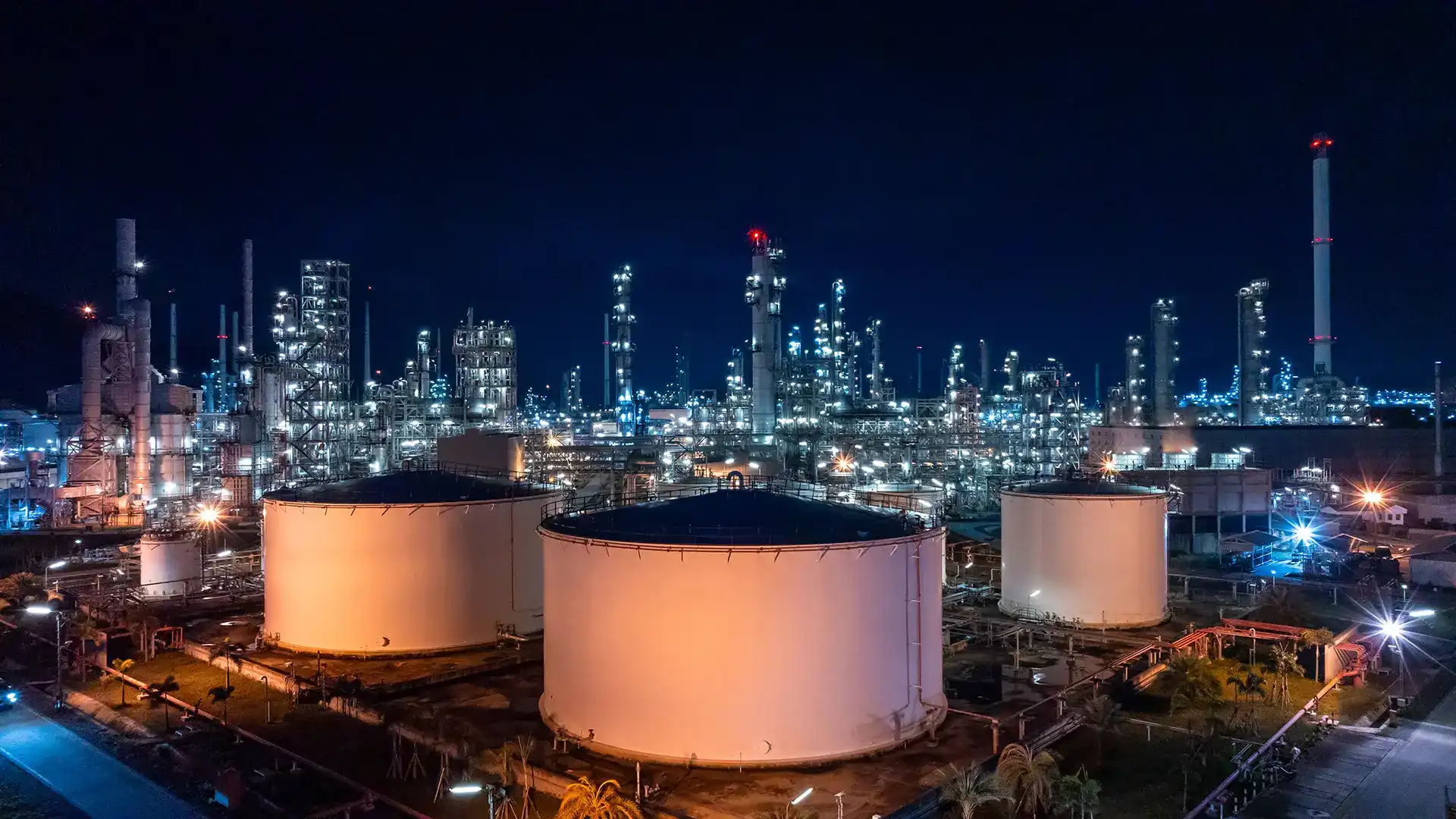
On the sell side, Iranian crude marketers operate through a constrained network that intensifies timing pressures during volatile periods. State-owned National Iranian Oil Company (NIOC) controls upstream production but relies on intermediary trading entities some based in Dubai and Singapore to execute international sales. These intermediaries, often smaller scale operators without major trading house resources, must make rapid pricing and counterparty decisions when geopolitical premiums fluctuate. A mid-tier Iranian crude marketer might handle 5-10 cargoes monthly, with each cargo representing $100-200 million in value at current prices. When strike expectations created market volatility, these sellers faced pressure to either commit to sales at prevailing prices or risk cargo backing up at Kharg Island terminal if buyers delayed commitments. The sanctions environment means Iranian sellers cannot access standard credit facilities or hedging instruments, forcing them to rely on bilateral arrangements with buyers who demand significant price concessions for taking on sanctions risk. Larger integrated players with diversified crude portfolios can weather short-term volatility, but smaller Iranian-focused marketers find themselves squeezed between volatile pricing and limited hedging options.
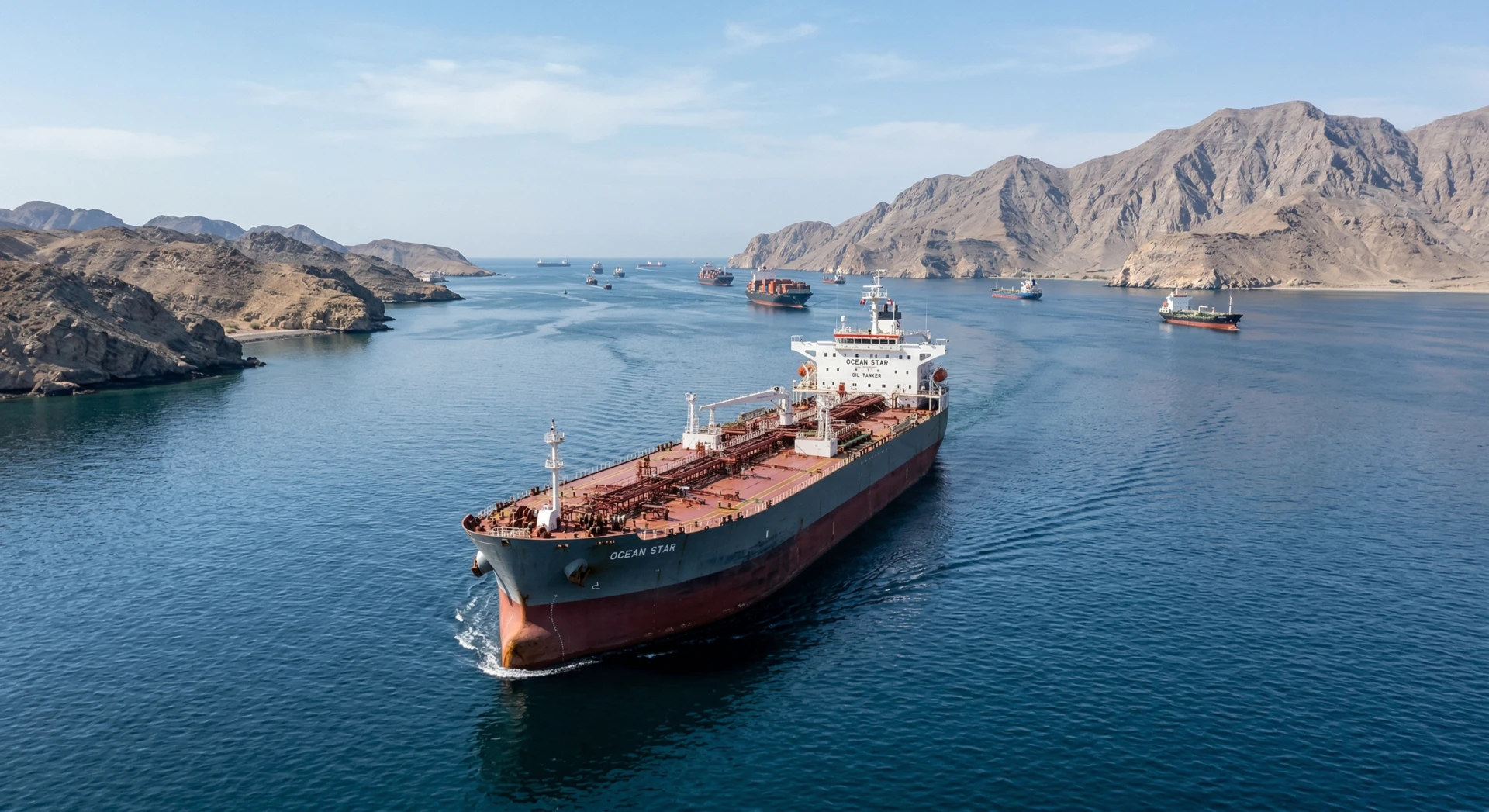
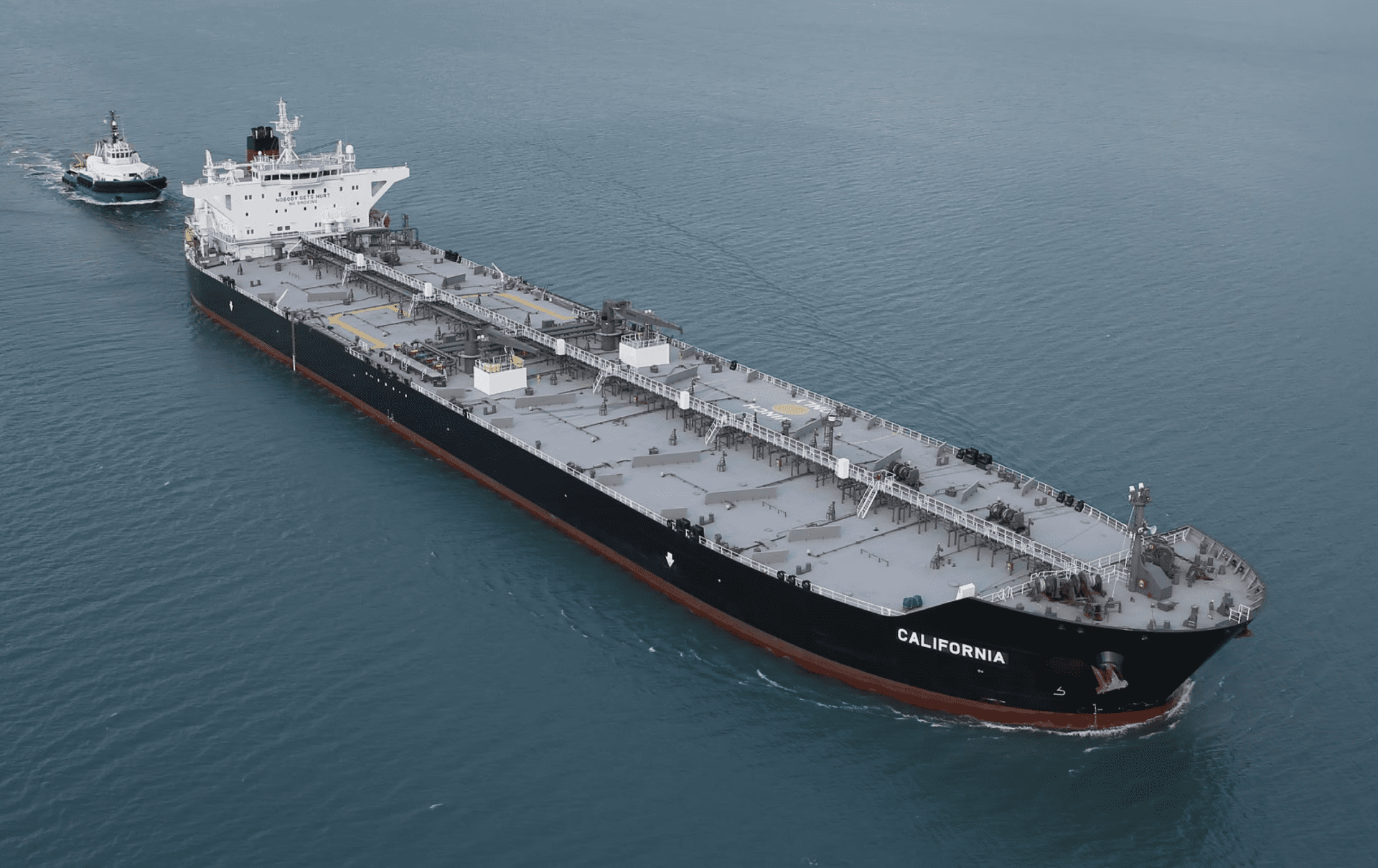
The vessel logistics dimension amplifies timing pressures for Iranian crude FOB operations, as sanctions related constraints limit both shipping options and loading flexibility. Very Large Crude Carriers (VLCCs) suitable for long-haul Iranian crude shipments to Asia represent a constrained resource, with many international shipping companies avoiding Iranian cargoes due to sanctions compliance concerns. A typical Iran to China voyage requires 14-21 days transit time, meaning cargo pricing decisions made today affect deliveries weeks ahead when geopolitical circumstances may shift dramatically. Iranian FOB sellers often rely on a limited fleet of older VLCCs, some operating under flags of convenience, with daily charter rates of $35,000-50,000 that must be factored into already compressed margins. When postponed strike reports created pricing volatility, sellers with vessels already fixed or waiting at Kharg Island faced particular pressure to secure buyers quickly rather than risk expensive vessel demurrage costs. The sanctions environment also means Iranian crude often moves through ship-to-ship transfers in international waters, adding operational complexity and timing risk that conventional FOB sellers in other regions do not face.
Two distinct operator scales face markedly different challenges in navigating Iranian crude FOB timing decisions during periods of geopolitical volatility. Large integrated trading houses with Iranian crude exposure such as Vitol or Glencore operating through third-party arrangements maintain sophisticated risk management capabilities including access to Brent futures for partial hedging, even if they cannot directly hedge Iranian crude positions. These operators can structure complex deals involving multiple crude grades and destinations, spreading timing risk across portfolios. They might sell Iranian crude against purchases of similar grade crudes like Basrah Heavy, creating synthetic hedges that reduce exposure to Iran specific volatility. In contrast, smaller regional traders and Iranian focused intermediaries operate with limited risk management tools and concentrated exposure to Iranian crude pricing. A regional trader handling 2-3 Iranian cargoes monthly cannot easily diversify timing risk and must make binary decisions about pricing windows. These operators often rely on pre-negotiated volume commitments with regular buyers, but face pressure to discount heavily when market volatility creates uncertainty about cargo timing and delivery.
Forward market signals suggest Iranian crude FOB sellers should prepare for continued timing volatility as geopolitical tensions interact with broader oil market fundamentals through the remainder of 2026. The postponement of military action, if confirmed, likely represents tactical delay rather than strategic de-escalation, meaning similar volatility episodes could recur with little warning. Chinese crude import quotas for independent refiners a key demand source for Iranian crude face potential government adjustments in Q2 2026, creating additional timing uncertainty for sellers who rely on this buyer segment. Brent-WTI spreads widening beyond $3/barrel could signal broader crude market tightness that benefits Iranian FOB sellers, but only if they can time their sales to capture such premiums before geopolitical events trigger renewed volatility. The completion of new crude storage capacity at Kharg Island, expected by mid-2026, should provide Iranian sellers more operational flexibility in timing cargo releases, potentially reducing the severity of forced sale scenarios during volatile periods. However, sanctions enforcement trends from Washington and European capitals remain the dominant variable determining whether Iranian crude continues flowing at current volumes or faces additional constraints that would intensify timing pressures for remaining operators.

.jpg)

'%3e%3cg id='Final-Copy-2_2_' transform='translate(1275.000000, 200.000000)'%3e%3cpath class='st0' d='M7.4,12.8h6.8l3.1-11.6H7.4C4.2,1.2,1.6,3.8,1.6,7S4.2,12.8,7.4,12.8z'/%3e%3c/g%3e%3c/g%3e%3c/g%3e%3cg id='final---dec.11-2020'%3e%3cg id='_x30_208-our-toggle' transform='translate(-1275.000000, -200.000000)'%3e%3cg id='Final-Copy-2' transform='translate(1275.000000, 200.000000)'%3e%3cpath class='st1' d='M22.6,0H7.4c-3.9,0-7,3.1-7,7s3.1,7,7,7h15.2c3.9,0,7-3.1,7-7S26.4,0,22.6,0z M1.6,7c0-3.2,2.6-5.8,5.8-5.8 h9.9l-3.1,11.6H7.4C4.2,12.8,1.6,10.2,1.6,7z'/%3e%3cpath id='x' class='st2' d='M24.6,4c0.2,0.2,0.2,0.6,0,0.8l0,0L22.5,7l2.2,2.2c0.2,0.2,0.2,0.6,0,0.8c-0.2,0.2-0.6,0.2-0.8,0 l0,0l-2.2-2.2L19.5,10c-0.2,0.2-0.6,0.2-0.8,0c-0.2-0.2-0.2-0.6,0-0.8l0,0L20.8,7l-2.2-2.2c-0.2-0.2-0.2-0.6,0-0.8 c0.2-0.2,0.6-0.2,0.8,0l0,0l2.2,2.2L23.8,4C24,3.8,24.4,3.8,24.6,4z'/%3e%3cpath id='y' class='st3' d='M12.7,4.1c0.2,0.2,0.3,0.6,0.1,0.8l0,0L8.6,9.8C8.5,9.9,8.4,10,8.3,10c-0.2,0.1-0.5,0.1-0.7-0.1l0,0 L5.4,7.7c-0.2-0.2-0.2-0.6,0-0.8c0.2-0.2,0.6-0.2,0.8,0l0,0L8,8.6l3.8-4.5C12,3.9,12.4,3.9,12.7,4.1z'/%3e%3c/g%3e%3c/g%3e%3c/g%3e%3c/g%3e%3c/svg%3e) Privacy Choices
Privacy Choices