.avif)
Indian diesel exporters face complete margin destruction as the government's Rs 21.5 per litre windfall tax — imposed to secure domestic fuel supply amid Middle East disruptions — has erased the $25-30 per metric tonne export margins that kept international sales viable. Consider a mid-sized refiner shipping a 50,000-tonne diesel cargo to Singapore: before the levy, delivered margins barely covered operational costs at approximately $28 per metric tonne. The windfall tax adds roughly $28 per metric tonne to domestic acquisition costs, turning every export cargo into a loss-making proposition. Meanwhile, LPG importers confront a double squeeze as Middle East supply disruptions force them toward expensive Atlantic Basin alternatives while domestic retail prices remain regulated. The fuel policy pivot — cutting domestic excise duties while hammering export economics — represents India's calculated trade-off between energy security and export revenue.
The windfall tax — a levy imposed on excess profits from commodity exports, typically triggered by high international prices — functions as an export prohibition by design rather than accident. India sources roughly 12-15% of its crude oil imports through the Strait of Hormuz, the 33-kilometre chokepoint connecting the Persian Gulf to international markets. When tensions involving the United States, Israel, and Iran disrupted this critical supply route, New Delhi faced a stark choice: maintain export competitiveness or guarantee domestic fuel availability. The government chose domestic security, forming an inter-ministerial crisis group headed by Defence Minister Rajnath Singh to coordinate the energy response. This mirrors India's Covid-19 playbook, where export restrictions on essential commodities took precedence over international trade commitments.
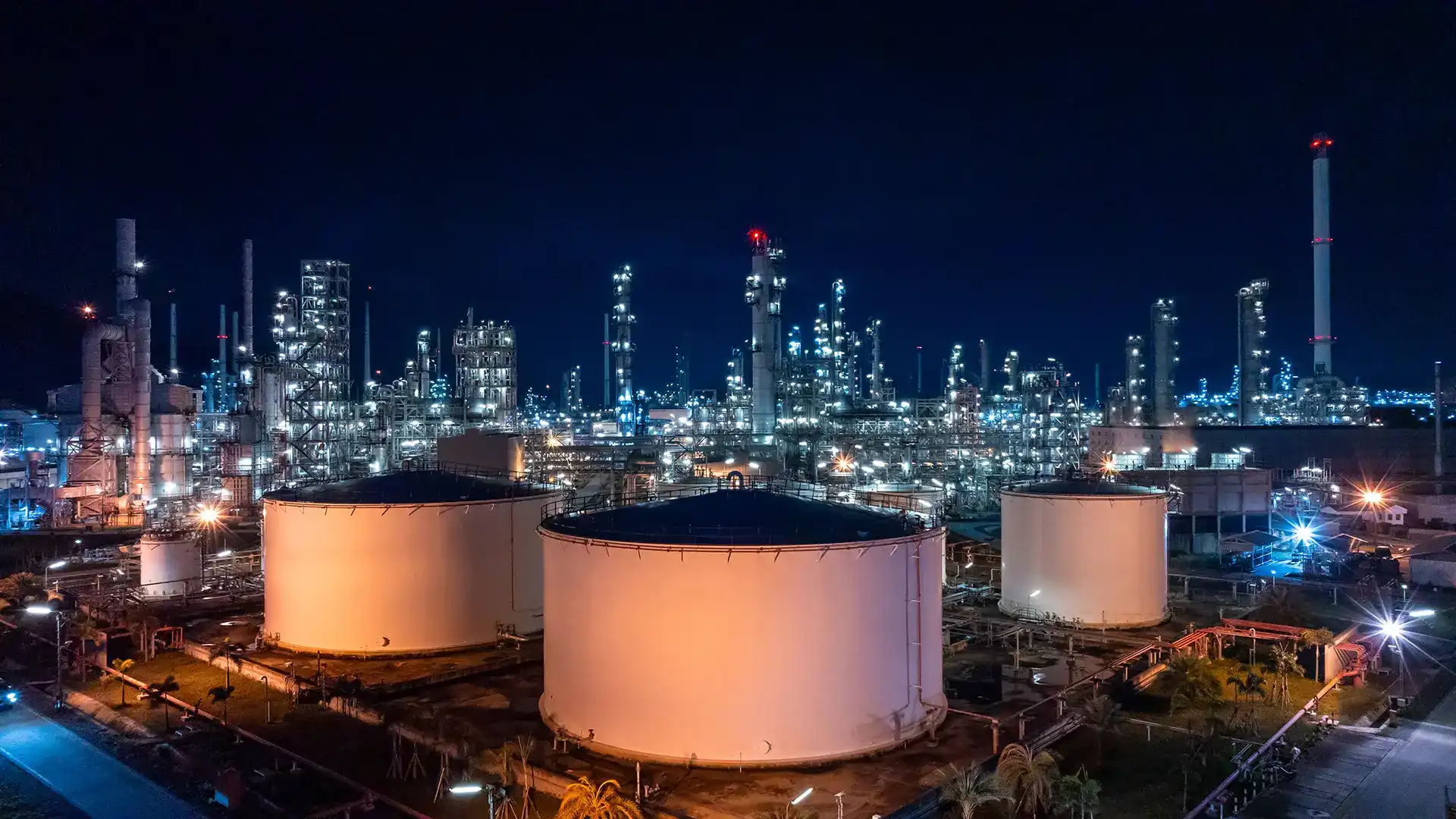
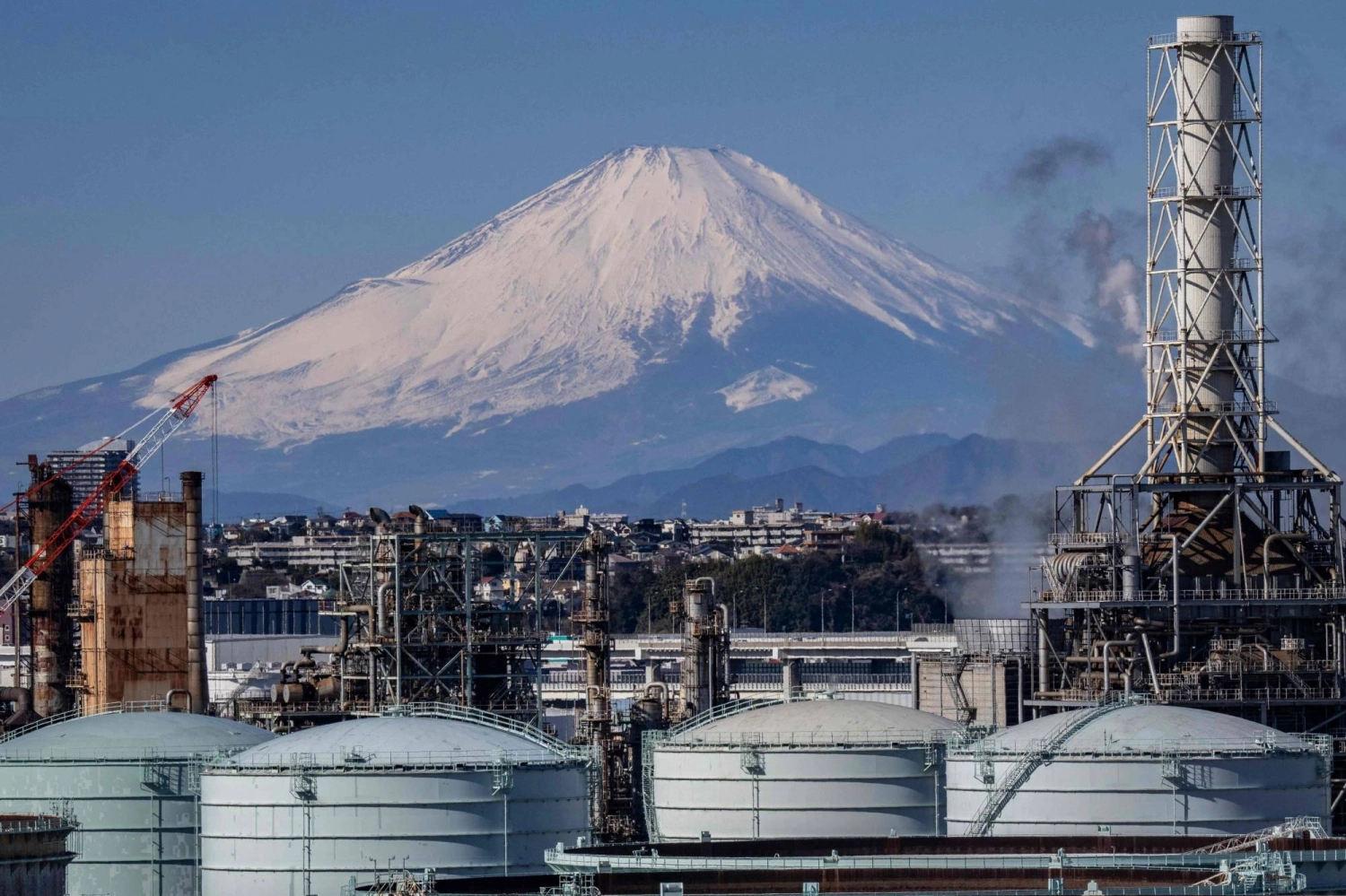
The margin mathematics reveal the policy's surgical precision in killing export economics. A typical Indian diesel export cargo begins at the refinery gate, where the product costs approximately Rs 75-80 per litre to produce. Before the windfall tax, exporters could sell this diesel in Singapore at roughly Rs 82-85 per litre, generating thin but workable margins of Rs 2-5 per litre after freight and financing costs. The Rs 21.5 windfall levy destroys this equation entirely — exporters now face acquisition costs of Rs 96.5-101.5 per litre while Singapore realization remains unchanged. No operational efficiency can bridge a Rs 15-20 per litre shortfall. The result: Indian diesel export desks have effectively shuttered overnight, removing roughly 600,000-800,000 barrels per day of supply from regional markets.
On the buy side, domestic fuel retailers gain significant margin cushion as excise duty cuts provide immediate relief. Petrol excise duties dropped to Rs 3 per litre while diesel duties fell to zero, creating space for retailers to absorb higher crude oil acquisition costs without passing them to consumers. State-owned oil marketing companies like Indian Oil Corporation, Bharat Petroleum, and Hindustan Petroleum benefit most directly — their regulated retail margins expand while import costs remain manageable through diversified crude sourcing. On the sell side, private refiners with significant export exposure face brutal economics. Companies like Nayara Energy and Reliance's export-oriented refineries must either halt diesel production lines or redirect output to domestic markets at lower netbacks than international sales previously generated.
For large integrated operators — national oil companies with refining, marketing, and trading arms — the crisis creates both challenges and opportunities. Indian Oil's trading division loses its Southeast Asian diesel arbitrage but gains domestic market share as import competition diminishes. These operators can leverage their integrated supply chains to optimize crude slate selection, favoring lighter crudes that yield more gasoline relative to diesel, since gasoline exports face no comparable windfall tax. They also possess the balance sheet strength to secure long-term LPG supply contracts from US Gulf Coast exporters, replacing lost Middle Eastern volumes with 15-20 day transit times instead of 3-5 day regional supply. For smaller regional fuel distributors and independent petroleum dealers, the landscape proves more challenging — they lack the capital to secure alternative LPG supplies and cannot access derivatives markets to hedge against volatile import costs.
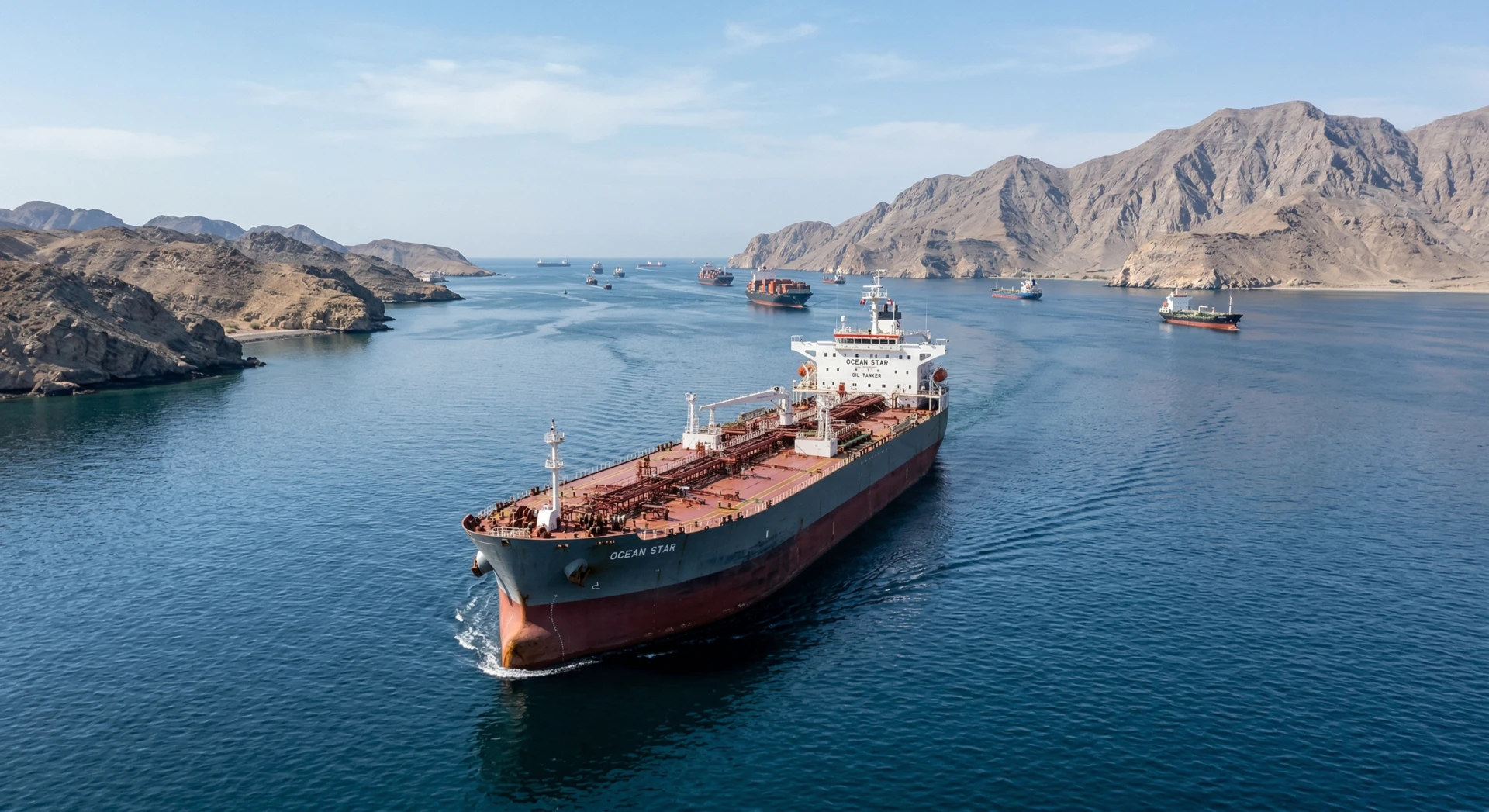
The LPG trade lane transformation creates the most dramatic supply chain disruption, shifting India's import sourcing from short-haul Middle Eastern supply to distant Atlantic Basin alternatives. Previously, Indian LPG importers relied heavily on Saudi Arabia, UAE, and Qatar — sources accessible via 3-5 day voyages aboard Very Large Gas Carriers (VLGCs). These vessels, capable of carrying 44,000 cubic metres of liquefied petroleum gas, could complete round trips within two weeks, minimizing working capital requirements and inventory holding costs. The Middle East disruption forces Indian importers toward US Gulf Coast suppliers, requiring 15-20 day transit times and fundamentally different logistics. VLGC charter rates benefit enormously — Indian demand for longer-duration voyages competes against Asian spot requirements, driving day rates from approximately $35,000 per day to $55,000-60,000 per day within weeks.
The policy architecture suggests this represents a structural rather than temporary shift in Indian energy trade patterns. Prime Minister Modi's acknowledgment that "recovery from the disruptions would take time" signals government expectation that Middle East tensions will persist beyond short-term diplomatic solutions. For market observers, the critical forward indicator is the spread between Singapore diesel prices and Indian domestic diesel costs — when this differential exceeds Rs 25-30 per litre sustainably, pressure will mount to reduce the windfall tax. Large operators should monitor VLGC charter rates on the US Gulf Coast to India route as the best real-time indicator of LPG supply chain stress. Smaller operators should track the Ministry of Petroleum's weekly fuel stock bulletins for early signals of domestic shortage, which would trigger policy recalibration. The next inflection point comes within 60-90 days, when the full impact of redirected global diesel flows becomes visible in Southeast Asian price differentials.

.jpg)
.jpg)

'%3e%3cg id='Final-Copy-2_2_' transform='translate(1275.000000, 200.000000)'%3e%3cpath class='st0' d='M7.4,12.8h6.8l3.1-11.6H7.4C4.2,1.2,1.6,3.8,1.6,7S4.2,12.8,7.4,12.8z'/%3e%3c/g%3e%3c/g%3e%3c/g%3e%3cg id='final---dec.11-2020'%3e%3cg id='_x30_208-our-toggle' transform='translate(-1275.000000, -200.000000)'%3e%3cg id='Final-Copy-2' transform='translate(1275.000000, 200.000000)'%3e%3cpath class='st1' d='M22.6,0H7.4c-3.9,0-7,3.1-7,7s3.1,7,7,7h15.2c3.9,0,7-3.1,7-7S26.4,0,22.6,0z M1.6,7c0-3.2,2.6-5.8,5.8-5.8 h9.9l-3.1,11.6H7.4C4.2,12.8,1.6,10.2,1.6,7z'/%3e%3cpath id='x' class='st2' d='M24.6,4c0.2,0.2,0.2,0.6,0,0.8l0,0L22.5,7l2.2,2.2c0.2,0.2,0.2,0.6,0,0.8c-0.2,0.2-0.6,0.2-0.8,0 l0,0l-2.2-2.2L19.5,10c-0.2,0.2-0.6,0.2-0.8,0c-0.2-0.2-0.2-0.6,0-0.8l0,0L20.8,7l-2.2-2.2c-0.2-0.2-0.2-0.6,0-0.8 c0.2-0.2,0.6-0.2,0.8,0l0,0l2.2,2.2L23.8,4C24,3.8,24.4,3.8,24.6,4z'/%3e%3cpath id='y' class='st3' d='M12.7,4.1c0.2,0.2,0.3,0.6,0.1,0.8l0,0L8.6,9.8C8.5,9.9,8.4,10,8.3,10c-0.2,0.1-0.5,0.1-0.7-0.1l0,0 L5.4,7.7c-0.2-0.2-0.2-0.6,0-0.8c0.2-0.2,0.6-0.2,0.8,0l0,0L8,8.6l3.8-4.5C12,3.9,12.4,3.9,12.7,4.1z'/%3e%3c/g%3e%3c/g%3e%3c/g%3e%3c/g%3e%3c/svg%3e) Privacy Choices
Privacy Choices