.avif)

Kuwait recorded zero crude oil exports in April 2026, marking the first complete halt since the 1991 Gulf War, affecting its usual 1.85 million barrels per day export flow. The financial impact is immediate: at Brent crude averaging $99–107 per barrel in April, Kuwait lost approximately $185 million daily in crude export revenues. Instead of shipping crude overseas, Kuwait diverted production "partly into storage and partly into refined products; some of which has been exported" according to TankerTrackers. This represents the most dramatic shift in Persian Gulf export patterns since Saddam Hussein's invasion disrupted regional flows 35 years ago.
A letter of credit (LC) a bank guarantee that payment will be made once shipping documents are presented became meaningless for Kuwait crude buyers in April when no crude departed Kuwait's terminals. The mathematics are stark: Kuwait previously produced about 2.7 million barrels per day and exported roughly 1.85 million bpd, meaning 900,000 bpd had to be absorbed domestically. Kuwait's refinery capacity handles approximately 800,000 bpd, leaving 100,000 bpd diverted purely to storage tanks. Storage capacity has physical limits most Gulf producers maintain 20-30 days of strategic storage. At current diversion rates, Kuwait's tanks approach capacity within weeks, not months.
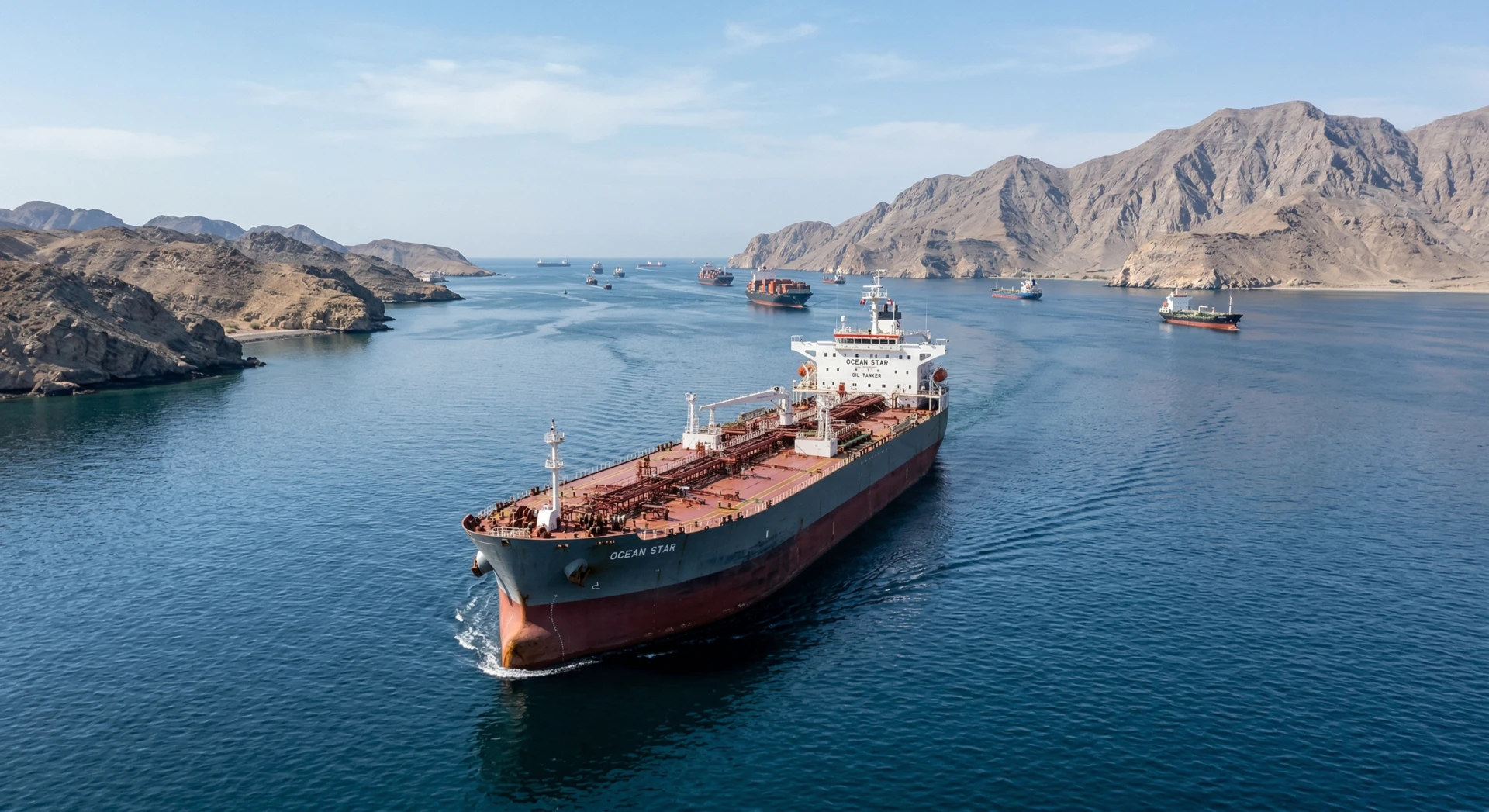
The disruption appears linked to conditions affecting regional shipping routes, including constraints in the Strait of Hormuz. The strait a 33 kilometre wide chokepoint at its narrowest point normally carries around 20% of global petroleum and 20% of liquified natural gas. Traffic through Hormuz dropped from about 3,000 vessels monthly pre-conflict to just 154 in March 2026, running at about 5% of pre-war averages. Kuwait Petroleum Corporation declared force majeure on April 17, suspending exports after traffic through the Strait of Hormuz was effectively halted. Force majeure a legal clause freeing parties from contractual obligations due to extraordinary circumstances provides Kuwait legal cover but does not restore lost revenues.
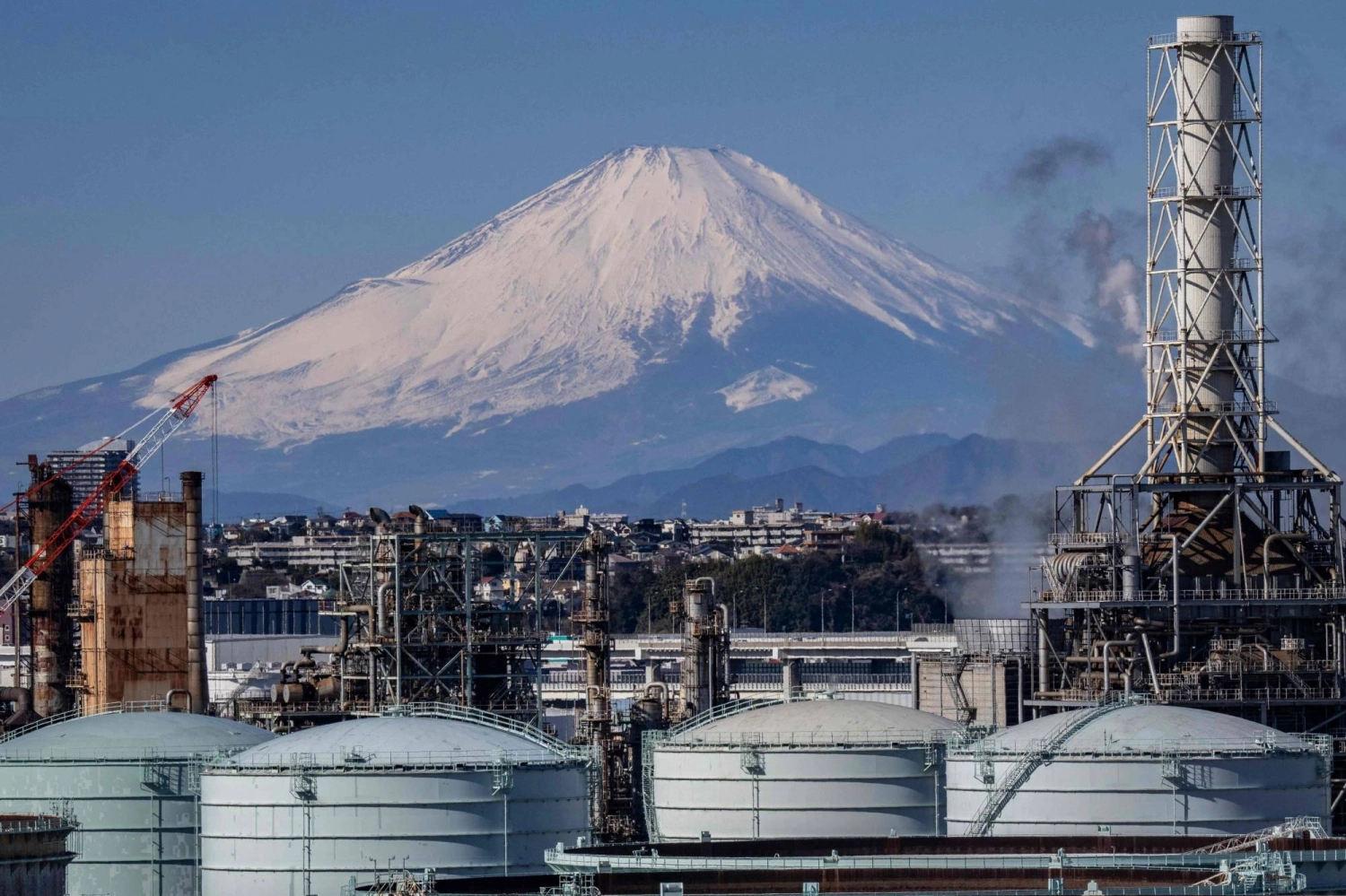
On the buy side: Asian refineries, particularly in Japan and South Korea, face immediate supply shortfalls. Japan and South Korea were "big importers of Saudi and Middle Eastern crudes," with analysts noting "the big impact and the loss in terms of imports" across Asia excluding China. A typical Japanese refinery importing 100,000 bpd of Kuwait crude now pays premiums of $8-12 per barrel to secure alternative Saudi or UAE grades. For a 30-day cargo, this represents $24-36 million in additional costs. These buyers cannot hedge against specific crude grade premiums using Brent futures the closest instrument tracks general Middle East crude, not Kuwait-specific quality differentials.
On the sell side: Kuwait faces a storage-versus-refining optimization problem. Crude stored in tanks earns zero revenue but preserves the commodity for future sale. Crude processed through refineries generates immediate product revenues but permanently transforms the asset. Kuwait's oil output has fallen to around 1.2 million barrels per day by early May 2026, down from 2.7 million bpd previously. This production cut suggests Kuwait is managing tank storage constraints by reducing upstream output rather than allowing wells to flow into already-full storage.
For large integrated traders Vitol, Trafigura, or national oil companies' trading arms Kuwait's absence creates arbitrage opportunities but also hedging complexities. A trader typically hedges Kuwait crude exposure using Brent futures plus basis swaps tracking Dubai-Brent spreads and Kuwait-Dubai differentials. With no Kuwait crude flowing, the Kuwait-Dubai differential becomes meaningless. Traders holding long positions in Kuwait crude face basis risk their hedge instruments no longer correlate with the underlying physical commodity. The profitable strategy shifts to Saudi Arabian crude arbitrage, where margins expand as Kuwait's 600,000-800,000 bpd of Asian-bound volume redirects to Saudi Ras Tanura loadings.
For smaller regional operators mid-sized Asian refiners, independent fuel distributors, regional energy cooperatives without derivatives access, the adjustment involves longer-term contract renegotiation. A regional distributor in South Korea typically sources 50,000 bpd through annual contracts with Kuwait Petroleum. Without derivatives instruments to hedge temporary alternative supplies, these operators lock quarterly pricing agreements with Saudi Aramco or UAE ADNOC at premiums reflecting supply tightness. The practical equivalent is diversification: splitting previous Kuwait volumes across three suppliers rather than relying on single-source contracts.
Freight rates capture significant margin when export routes concentrate. A VLCC (Very Large Crude Carrier) capable of carrying 2 million barrels loading at Kuwait's Sea Island terminal previously earned $14-18 per tonne at normal freight rates. Countries like Saudi Arabia and the United Arab Emirates have been forced to cut production amid shipping disruptions, but those maintaining export operations charge freight premiums. Saudi-bound VLCCs now earn $25-30 per tonne, with the additional $10-12 per tonne accruing to vessel operators, not cargo owners. On a 2 million barrel voyage, this represents $20-24 million additional freight costs borne by crude buyers.
The financing dimension reveals how trade credit facilities concentrate risk. Kuwait crude buyers typically arrange letters of credit through regional banks in Dubai or Singapore, with 30-90 day payment terms standard. When Kuwait exports resume, buyers face immediate working capital pressure: months of accumulated demand concentrates into weeks of available supply. A Japanese refiner requiring 3 million barrels across three months (April-June) must finance those barrels in May-June alone. At $100/barrel, this shifts $300 million in working capital requirements forward by 60-90 days. Regional banks tighten credit facilities when multiple buyers face simultaneous financing pressure.
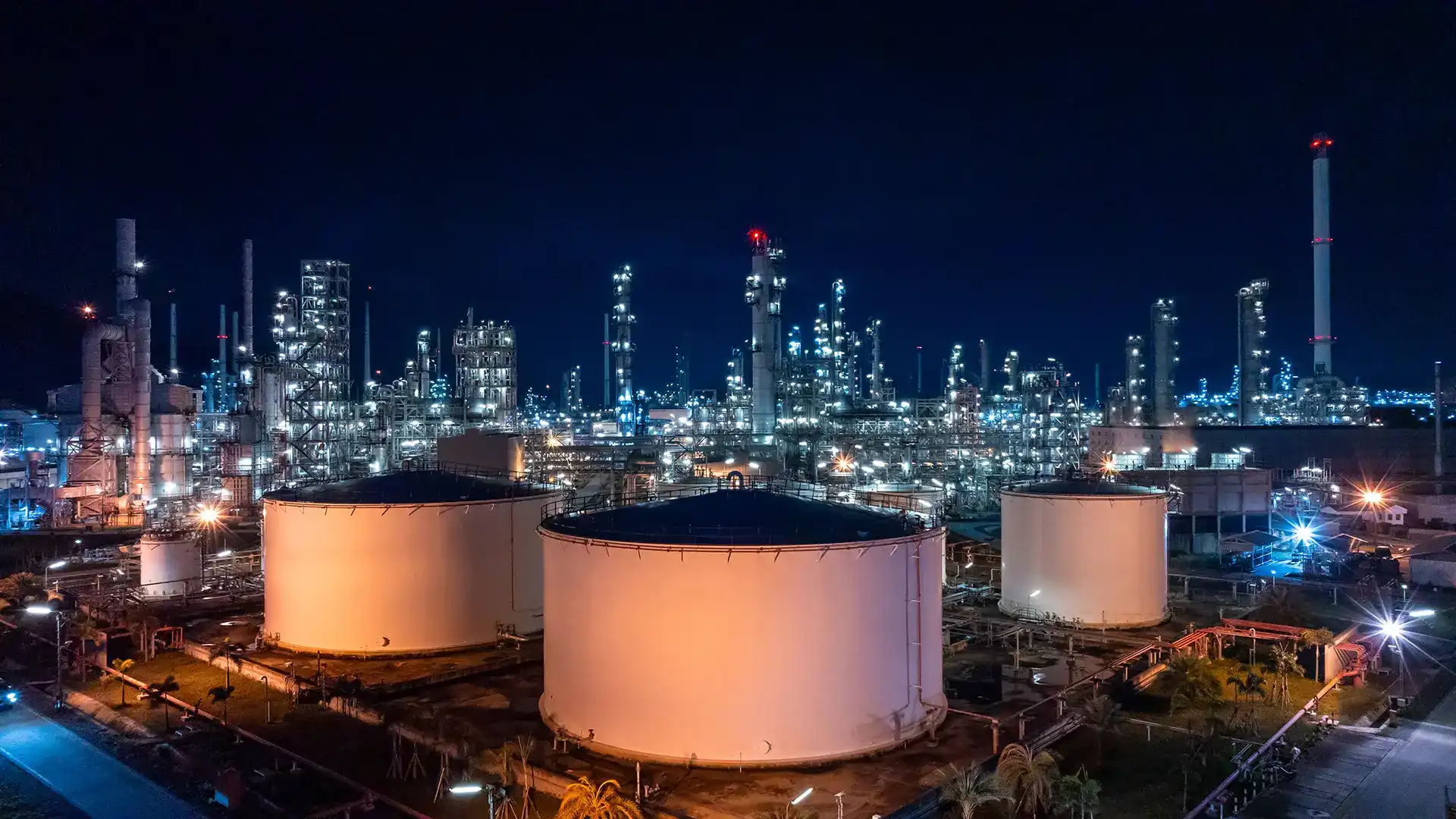
Storage costs create hidden margin impacts rarely visible in headline crude pricing. Kuwait's domestic storage tanks incur operating costs of approximately $0.20-0.30 per barrel per month. With 1.85 million bpd of normal exports diverted to storage, Kuwait faces $11-17 million monthly in pure storage costs. These costs compound: tanks filled in March cost more than tanks filled in April. The economics shift decisively when storage duration exceeds 90 days at that point, immediate product refining becomes more economical than continued crude storage, regardless of product margins.
Insurance markets reflect the systemic nature of this disruption. War-risk ship insurance premiums for the strait increased from 0.125% to between 0.2% and 0.4% of ship insurance value per transit. For very large oil tankers, this is an increase of a quarter of a million dollars. These premiums represent pure deadweight costs expenses that generate no productive value but must be borne to enable trade. When Kuwait exports resume, buyers pay these premiums through higher delivered crude prices, estimated at $1.50-2.50 per barrel for Kuwaiti crude delivered to Asia.
The geopolitical dimension directly impacts commercial calculations. The US has blockaded Iranian ports since April 13, while Iran closed the Strait of Hormuz again on April 18 in response to the US refusing to lift its naval blockade. The United States estimates it could take six months to fully clear the Strait of Hormuz of mines deployed by the Iranian military, with any such operation unlikely until the war ends. This timeline transforms Kuwait's storage diversion from a tactical response to a strategic repositioning lasting quarters, not months.
The precedent matters for other Gulf producers' contingency planning. Saudi Arabia maintains larger strategic storage capacity relative to daily production but faces identical chokepoint risks. UAE ports usually have much higher traffic than Iran's, but those countries have been forced to cut production amid shipping disruptions and threats. If Saudi Arabia follows Kuwait's pattern, global crude markets face supply shortfalls exceeding anything since the 1973 oil embargo. The difference: in 1973, alternative supply sources existed. Today's market concentration in the Persian Gulf offers fewer alternatives.
For observers monitoring market recovery signals, Kuwait's export resumption provides the clearest indicator of Persian Gulf normalization. Kuwait continues to produce oil while crude exports have effectively halted, with oil being taken into storage or refined products. The signal sequence: first, Kuwait announces tank storage approaching capacity; second, storage-filling rates decelerate; third, crude loading resumes at Sea Island terminal. TankerTrackers' vessel monitoring data provides real-time confirmation, typically with 48-72 hour visibility. The commercial trigger: when Kuwait's first post-crisis VLCC clears Kuwaiti waters bound for Asia, regional freight rates begin normalizing within days.

.jpg)
.jpg)

'%3e%3cg id='Final-Copy-2_2_' transform='translate(1275.000000, 200.000000)'%3e%3cpath class='st0' d='M7.4,12.8h6.8l3.1-11.6H7.4C4.2,1.2,1.6,3.8,1.6,7S4.2,12.8,7.4,12.8z'/%3e%3c/g%3e%3c/g%3e%3c/g%3e%3cg id='final---dec.11-2020'%3e%3cg id='_x30_208-our-toggle' transform='translate(-1275.000000, -200.000000)'%3e%3cg id='Final-Copy-2' transform='translate(1275.000000, 200.000000)'%3e%3cpath class='st1' d='M22.6,0H7.4c-3.9,0-7,3.1-7,7s3.1,7,7,7h15.2c3.9,0,7-3.1,7-7S26.4,0,22.6,0z M1.6,7c0-3.2,2.6-5.8,5.8-5.8 h9.9l-3.1,11.6H7.4C4.2,12.8,1.6,10.2,1.6,7z'/%3e%3cpath id='x' class='st2' d='M24.6,4c0.2,0.2,0.2,0.6,0,0.8l0,0L22.5,7l2.2,2.2c0.2,0.2,0.2,0.6,0,0.8c-0.2,0.2-0.6,0.2-0.8,0 l0,0l-2.2-2.2L19.5,10c-0.2,0.2-0.6,0.2-0.8,0c-0.2-0.2-0.2-0.6,0-0.8l0,0L20.8,7l-2.2-2.2c-0.2-0.2-0.2-0.6,0-0.8 c0.2-0.2,0.6-0.2,0.8,0l0,0l2.2,2.2L23.8,4C24,3.8,24.4,3.8,24.6,4z'/%3e%3cpath id='y' class='st3' d='M12.7,4.1c0.2,0.2,0.3,0.6,0.1,0.8l0,0L8.6,9.8C8.5,9.9,8.4,10,8.3,10c-0.2,0.1-0.5,0.1-0.7-0.1l0,0 L5.4,7.7c-0.2-0.2-0.2-0.6,0-0.8c0.2-0.2,0.6-0.2,0.8,0l0,0L8,8.6l3.8-4.5C12,3.9,12.4,3.9,12.7,4.1z'/%3e%3c/g%3e%3c/g%3e%3c/g%3e%3c/g%3e%3c/svg%3e) Privacy Choices
Privacy Choices