.avif)
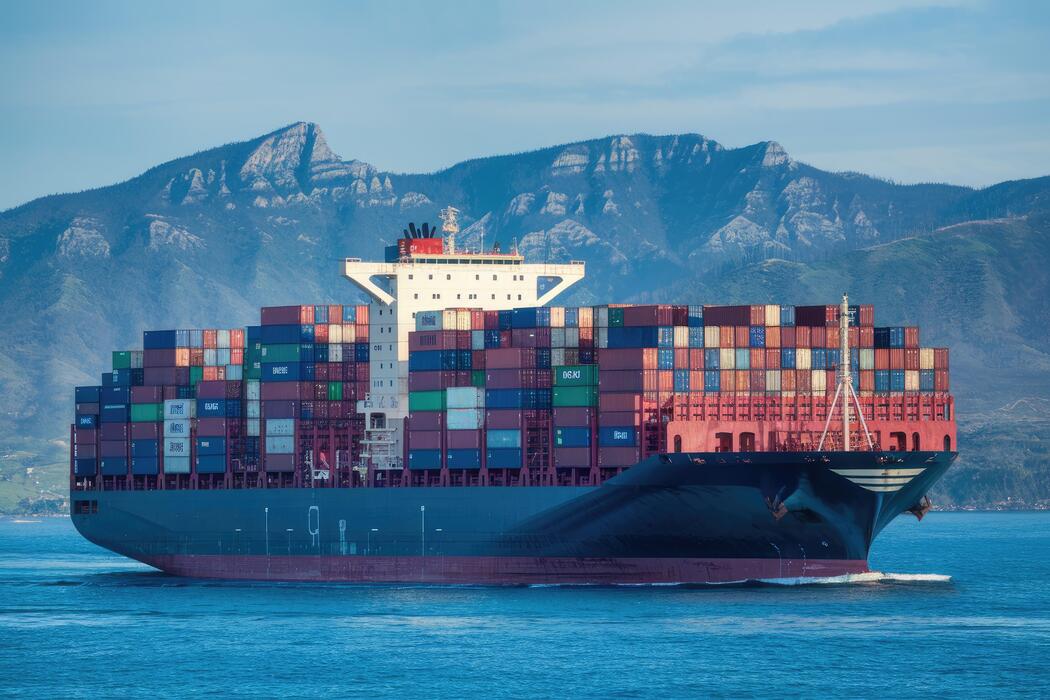
Malaysian freight operators relying on subsidised diesel face immediate compliance costs as regulatory enforcement tightens. The Ministry of Domestic Trade and Cost of Living (KPDN) is drafting proposals for specific regulations under the Control of Supplies Act 1961 after blocking 223 fleet cards since 2023 until May 14, 2026. The new rules target fleet card misuse within the Subsidised Diesel Control System (SKDS) and Subsidised Petrol Control System (SKPS) government programmes that provide diesel at RM2.15 per litre for eligible freight companies versus the market rate of RM4.87 per litre in Peninsular Malaysia. Consider a mid-sized freight operator with 10 trucks consuming 500 litres monthly per vehicle: the subsidy saves approximately RM13,650 monthly, or RM164,000 annually. The potential penalties for misuse now threaten this margin protection.
A fleet card is the digital instrument that connects government subsidy allocation to fuel purchases at participating stations. The system operates on a two-step mechanism: KPDN first approves a fixed monthly quota of subsidised diesel based on vehicle types and operational needs, then the quota is digitally linked to a fleet card issued by participating oil companies, which automatically applies the subsidised price when drivers refuel approved vehicles. The enforcement gap between detecting and preventing abuse has widened: 223 blocked cards over three years suggests either minimal detection capability or that the problem is significantly larger than current enforcement response indicates. The RM2.72/litre price difference creates a powerful arbitrage opportunity sufficient incentive for operators to risk regulatory penalties through fuel resale schemes.
On the buy side: Legitimate freight operators benefit from reduced unfair competition as enforcement eliminates subsidised fuel resellers. The compliance burden increases operational complexity but protects the subsidy programme's sustainability. For established operators with proper documentation, the tighter rules provide competitive advantage against non-compliant rivals operating on subsidised fuel margins. On the sell side: Fuel arbitrage operators lose access to the RM2.72/litre spread between subsidised and market diesel prices. Common misuse patterns include using fleet cards for vehicles not registered under the scheme and stockpiling fuel for resale at non-subsidised prices. Independent fuel distributors who purchased subsidised diesel for resale face margin compression as enforcement blocks their supply source.
For large integrated logistics companies (Pos Malaysia, DHL, City-Link) with established compliance systems: The new regulations require enhanced documentation and monitoring but pose limited operational disruption. These operators typically maintain detailed vehicle registrations and fuel consumption records that align with KPDN requirements. Fleet management systems can integrate subsidy tracking with existing operational controls. For smaller regional operators independent freight companies, rural logistics cooperatives, owner-operator fleets compliance costs increase disproportionately. Fleet card processing takes two to three weeks, with validity tied to vehicle road tax periods that must be updated before the 28th of each month. Many smaller operators lack dedicated administrative resources for monthly compliance monitoring and may struggle with the digital application requirements.
The regulatory tightening coincides with the SKDS programme's expansion to Sabah, Sarawak and Labuan beginning May 4, 2026, enabling eligible transport companies to access subsidised diesel at RM2.15 per litre. Draft regulations will undergo stakeholder engagement, legal review, and Cabinet approval before enforcement suggesting implementation within 6-12 months. For observers: Monitor the KPDN weekly enforcement bulletins for fleet card suspension numbers through Q3 2026. If blocked cards exceed 100 per quarter, the programme faces broader systemic abuse requiring comprehensive restructuring. Watch for Cabinet approval announcements of the Control of Supplies Act regulations, which will define specific penalties and compliance requirements affecting freight operators' operational costs.


.jpg)

'%3e%3cg id='Final-Copy-2_2_' transform='translate(1275.000000, 200.000000)'%3e%3cpath class='st0' d='M7.4,12.8h6.8l3.1-11.6H7.4C4.2,1.2,1.6,3.8,1.6,7S4.2,12.8,7.4,12.8z'/%3e%3c/g%3e%3c/g%3e%3c/g%3e%3cg id='final---dec.11-2020'%3e%3cg id='_x30_208-our-toggle' transform='translate(-1275.000000, -200.000000)'%3e%3cg id='Final-Copy-2' transform='translate(1275.000000, 200.000000)'%3e%3cpath class='st1' d='M22.6,0H7.4c-3.9,0-7,3.1-7,7s3.1,7,7,7h15.2c3.9,0,7-3.1,7-7S26.4,0,22.6,0z M1.6,7c0-3.2,2.6-5.8,5.8-5.8 h9.9l-3.1,11.6H7.4C4.2,12.8,1.6,10.2,1.6,7z'/%3e%3cpath id='x' class='st2' d='M24.6,4c0.2,0.2,0.2,0.6,0,0.8l0,0L22.5,7l2.2,2.2c0.2,0.2,0.2,0.6,0,0.8c-0.2,0.2-0.6,0.2-0.8,0 l0,0l-2.2-2.2L19.5,10c-0.2,0.2-0.6,0.2-0.8,0c-0.2-0.2-0.2-0.6,0-0.8l0,0L20.8,7l-2.2-2.2c-0.2-0.2-0.2-0.6,0-0.8 c0.2-0.2,0.6-0.2,0.8,0l0,0l2.2,2.2L23.8,4C24,3.8,24.4,3.8,24.6,4z'/%3e%3cpath id='y' class='st3' d='M12.7,4.1c0.2,0.2,0.3,0.6,0.1,0.8l0,0L8.6,9.8C8.5,9.9,8.4,10,8.3,10c-0.2,0.1-0.5,0.1-0.7-0.1l0,0 L5.4,7.7c-0.2-0.2-0.2-0.6,0-0.8c0.2-0.2,0.6-0.2,0.8,0l0,0L8,8.6l3.8-4.5C12,3.9,12.4,3.9,12.7,4.1z'/%3e%3c/g%3e%3c/g%3e%3c/g%3e%3c/g%3e%3c/svg%3e) Privacy Choices
Privacy Choices