.avif)
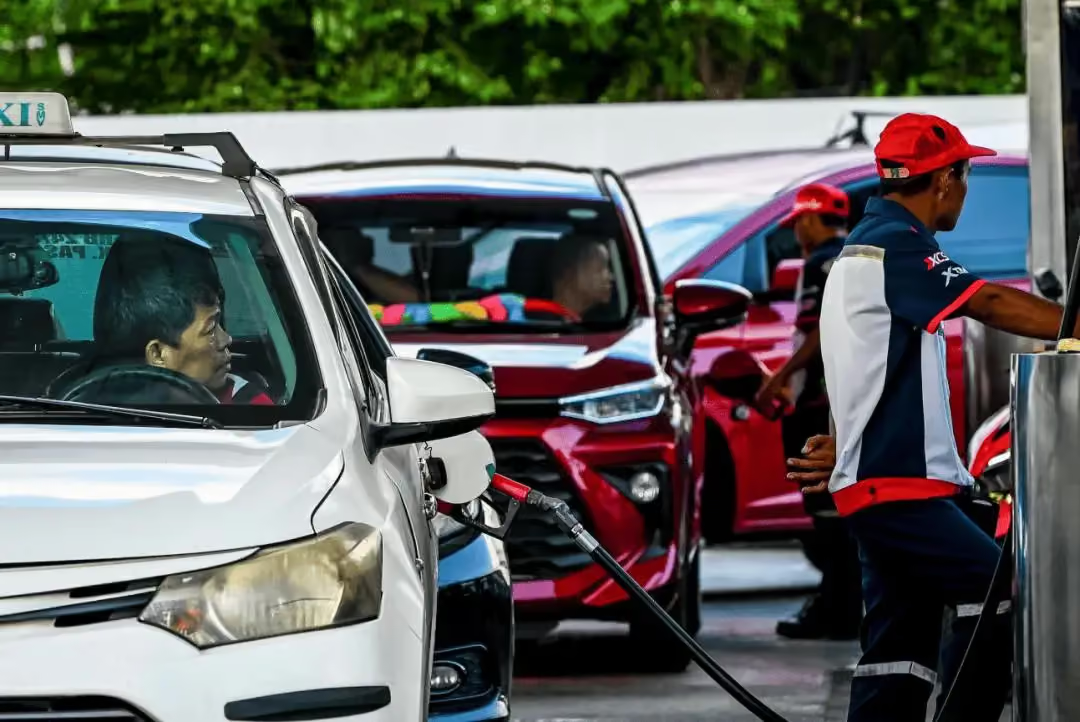
Malaysian unsubsidised fuel importers face a RM814 cost burden for 200 litres of RON95 petrol but the government absorbs RM416 of that total through targeted subsidies, creating an unsustainable fiscal cliff as Brent crude holds above $110 per barrel. The Finance Ministry raised RON97 by 15 sen to RM4.85/litre and unsubsidised RON95 by 20 sen to RM4.07/litre for May 21-27, following the Automatic Pricing Mechanism (APM) a weekly adjustment formula that tracks global oil markets but exposes the structural mismatch between Malaysia's subsidy design and current crude prices. RON95 (Research Octane Number 95) a standard unleaded petrol grade with 95% resistance to engine knock costs RM4.07 unsubsidised but only RM1.99 under the BUDI95 targeted programme, creating a RM2.08/litre gap that multiplies across millions of litres weekly.
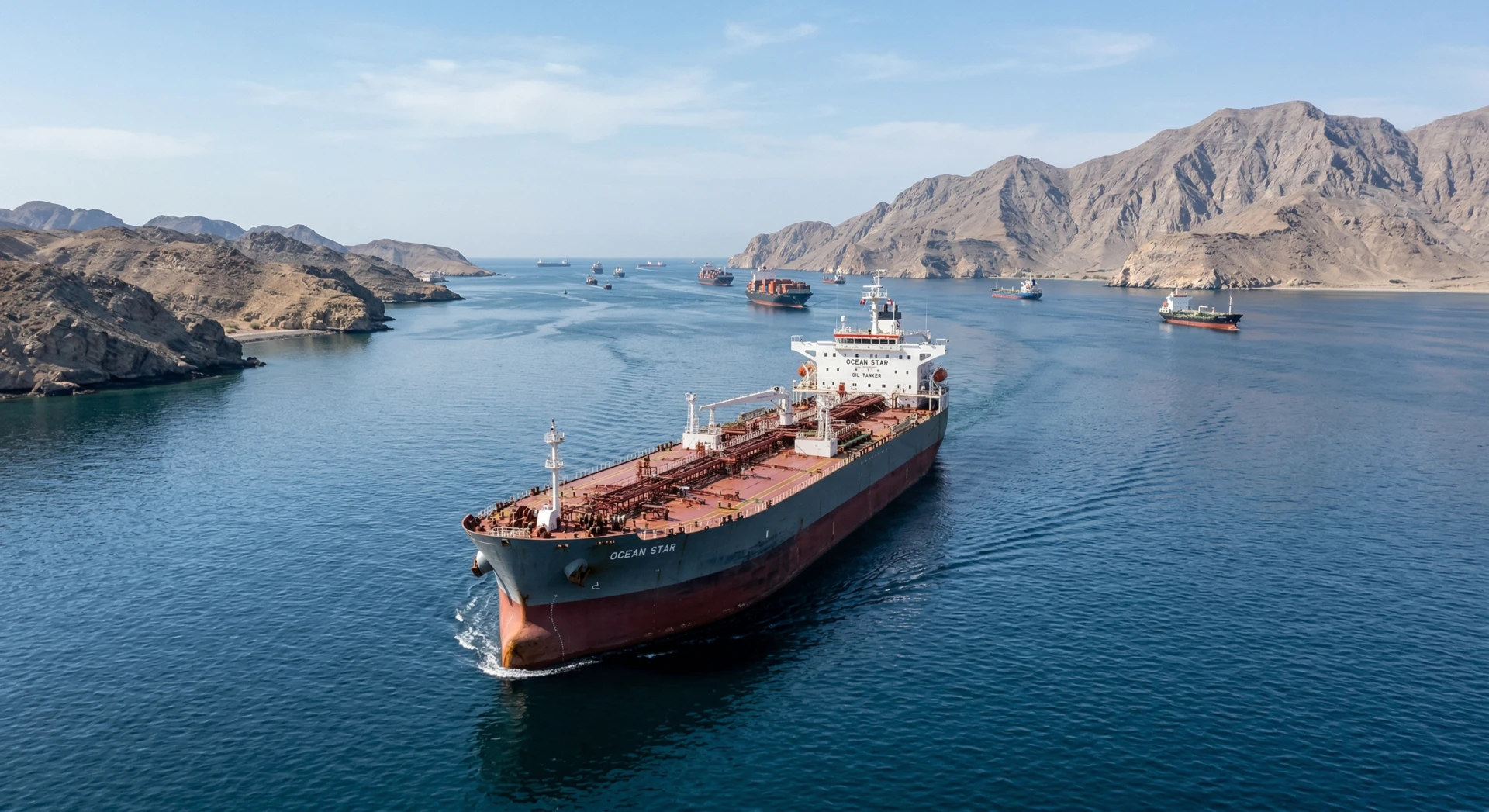
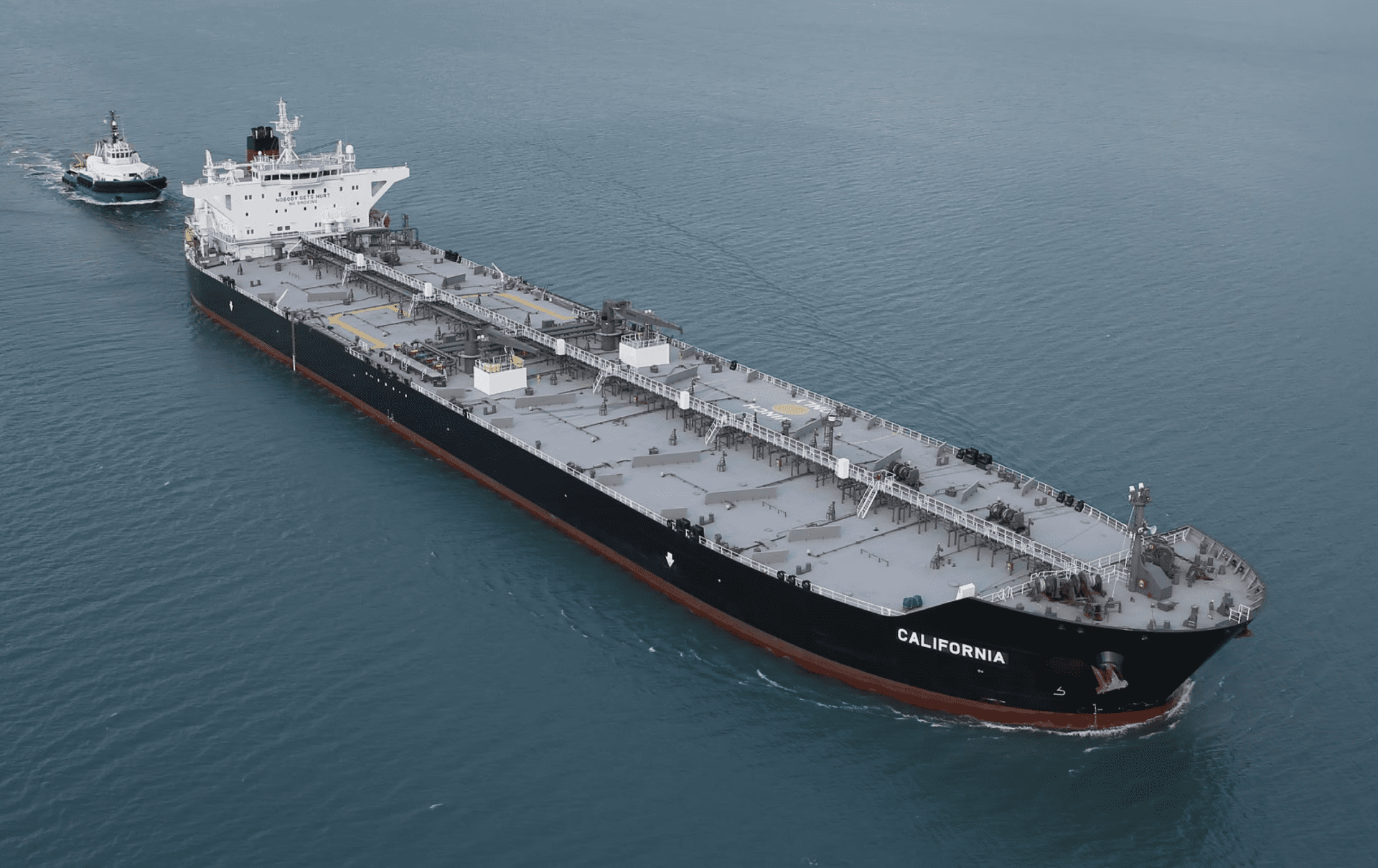
The APM formula takes into account the average price of the previous week, automatically transmitting global oil shocks into domestic prices without political intervention. Brent crude prices surpassed $116 per barrel in March during the largest-ever monthly oil price increase, driven by the closure of the Strait of Hormuz through which around 20% of world oil trade passes. Malaysia's subsidy system was calibrated for $70 oil, not $110 oil meaning every $10 increase in crude adds approximately RM0.30/litre to unsubsidised pump prices while the subsidised rate stays frozen, widening the fiscal gap. For context: a VLCC (Very Large Crude Carrier) transporting 2 million barrels from the Persian Gulf to Malaysian refineries now faces supply disruptions as shipments from the Persian Gulf can take nearly two months to reach end markets, with full recovery in Middle Eastern oil flows unlikely before late 2027.
On the buy side: Malaysian refiners and independent fuel distributors absorb the RM2.08/litre differential through reduced margins or pass higher costs to commercial users who cannot access subsidised fuel. A mid-sized logistics company operating 50 trucks, each consuming 200 litres weekly, faces an additional cost of RM2,080 per week at current unsubsidised rates or RM108,160 annually. The government spends an estimated RM416 on each Malaysian's 200 litre RON95 quota under BUDI95, but this arithmetic only works for eligible consumers with valid driving licences who stay within monthly limits. On the sell side: Regional petroleum product suppliers benefit from Malaysia's import requirements as domestic refining capacity cannot meet total demand, particularly for higher-octane grades. The RM0.78 spread between RON95 and RON97 at unsubsidised rates creates margin opportunities for traders with access to both grades.
For large integrated oil companies (Petronas, Shell Malaysia, international traders): the solution is derivatives hedging through Brent futures and Asian product swaps, locking in refining margins 3-6 months forward to protect against crude price volatility. These operators can also redirect supply chains sourcing from West African or Americas crude when Middle Eastern supplies face disruption premiums. For smaller regional operators independent petrol station chains, commercial fuel distributors, logistics cooperatives without derivatives access: the practical equivalent is bilateral supply agreements with fixed pricing windows, diversifying supplier relationships across different crude origins, and adjusting inventory cycles to minimize exposure during price spikes. Critical: smaller operators cannot absorb the RM2.08/litre subsidy gap indefinitely and will eventually need to restrict sales to subsidised customers only or exit the unsubsidised market entirely.
For observers: monitor the Malaysian ringgit to dollar exchange rate weekly every 1% depreciation adds approximately RM0.04/litre to imported fuel costs, compounding the crude price pressure. The APM announces new prices every Wednesday, effective Thursday through the following week. If Brent sustains above $105/barrel for six consecutive weeks, expect either emergency subsidy reform or a return to price controls by Q3 2026. The signal is binary: either Malaysia expands fiscal spending to maintain the RM1.99 BUDI95 rate requiring an estimated additional RM2-3 billion annually or implements means testing to reduce subsidy eligibility, creating immediate political pressure but fiscal sustainability.
.jpg)

'%3e%3cg id='Final-Copy-2_2_' transform='translate(1275.000000, 200.000000)'%3e%3cpath class='st0' d='M7.4,12.8h6.8l3.1-11.6H7.4C4.2,1.2,1.6,3.8,1.6,7S4.2,12.8,7.4,12.8z'/%3e%3c/g%3e%3c/g%3e%3c/g%3e%3cg id='final---dec.11-2020'%3e%3cg id='_x30_208-our-toggle' transform='translate(-1275.000000, -200.000000)'%3e%3cg id='Final-Copy-2' transform='translate(1275.000000, 200.000000)'%3e%3cpath class='st1' d='M22.6,0H7.4c-3.9,0-7,3.1-7,7s3.1,7,7,7h15.2c3.9,0,7-3.1,7-7S26.4,0,22.6,0z M1.6,7c0-3.2,2.6-5.8,5.8-5.8 h9.9l-3.1,11.6H7.4C4.2,12.8,1.6,10.2,1.6,7z'/%3e%3cpath id='x' class='st2' d='M24.6,4c0.2,0.2,0.2,0.6,0,0.8l0,0L22.5,7l2.2,2.2c0.2,0.2,0.2,0.6,0,0.8c-0.2,0.2-0.6,0.2-0.8,0 l0,0l-2.2-2.2L19.5,10c-0.2,0.2-0.6,0.2-0.8,0c-0.2-0.2-0.2-0.6,0-0.8l0,0L20.8,7l-2.2-2.2c-0.2-0.2-0.2-0.6,0-0.8 c0.2-0.2,0.6-0.2,0.8,0l0,0l2.2,2.2L23.8,4C24,3.8,24.4,3.8,24.6,4z'/%3e%3cpath id='y' class='st3' d='M12.7,4.1c0.2,0.2,0.3,0.6,0.1,0.8l0,0L8.6,9.8C8.5,9.9,8.4,10,8.3,10c-0.2,0.1-0.5,0.1-0.7-0.1l0,0 L5.4,7.7c-0.2-0.2-0.2-0.6,0-0.8c0.2-0.2,0.6-0.2,0.8,0l0,0L8,8.6l3.8-4.5C12,3.9,12.4,3.9,12.7,4.1z'/%3e%3c/g%3e%3c/g%3e%3c/g%3e%3c/g%3e%3c/svg%3e) Privacy Choices
Privacy Choices