.avif)
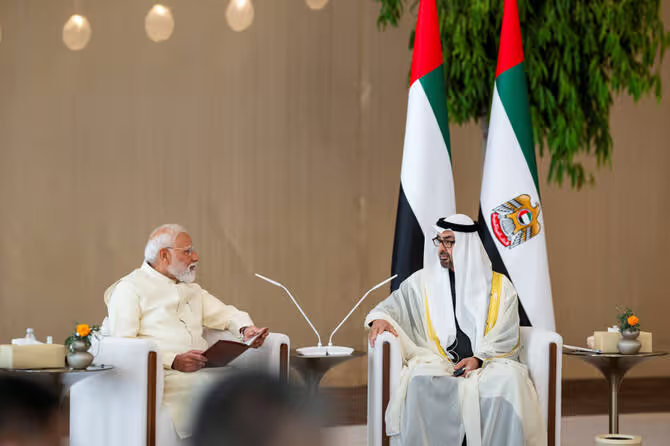
Prime Minister Narendra Modi's May 15 UAE visit secured $5 billion in investment commitments alongside memoranda expanding India's strategic petroleum reserves to 30 million barrels, deepening bilateral energy ties as India sources approximately 11% of its crude requirements from the UAE. The timing is critical: crude oil flows through the Strait of Hormuz have fallen by 4 million barrels per day since February, with the key waterway remaining effectively closed until late May according to EIA assessments. With Brent crude trading above $105 per barrel up 70% from the same period last year every supply disruption translates directly to import bill pressure for countries dependent on Gulf flows.
The commercial impact concentrates on specific operator categories. For LNG importers and gas distributors: the UAE currently meets nearly 40% of India's LPG requirements, making it the largest source of cooking gas. The new strategic collaboration between Indian Oil Corporation and ADNOC on LPG supplies secures long-term prioritized deliveries outside traditional spot market volatility. Indian companies and ADNOC Gas have entered long-term agreements for 4.5 million tonnes per annum of LNG supply, making India the largest buyer of UAE origin LNG. For smaller regional distributors without derivatives access, this translates to more stable input costs when negotiating annual supply contracts with upstream suppliers.
The UAE's OPEC exit effective May 1, 2026 fundamentally alters supply dynamics beyond traditional buyer-seller frameworks. The UAE exited to gain production flexibility, as it was dissatisfied with OPEC quotas limiting its output capacity below the country's expanded infrastructure capabilities. Under OPEC+ quotas, actual UAE output ran roughly 30% below capacity in the pre-war period close to a million barrels daily in foregone revenue, tens of billions annually as expansion completes toward the 5 million barrels per day target by 2027. A UAE free to act as an independent producer can tailor supply volumes, payment terms, and contract durations specifically to India's needs, something that was harder when Abu Dhabi was bound by collective OPEC discipline.
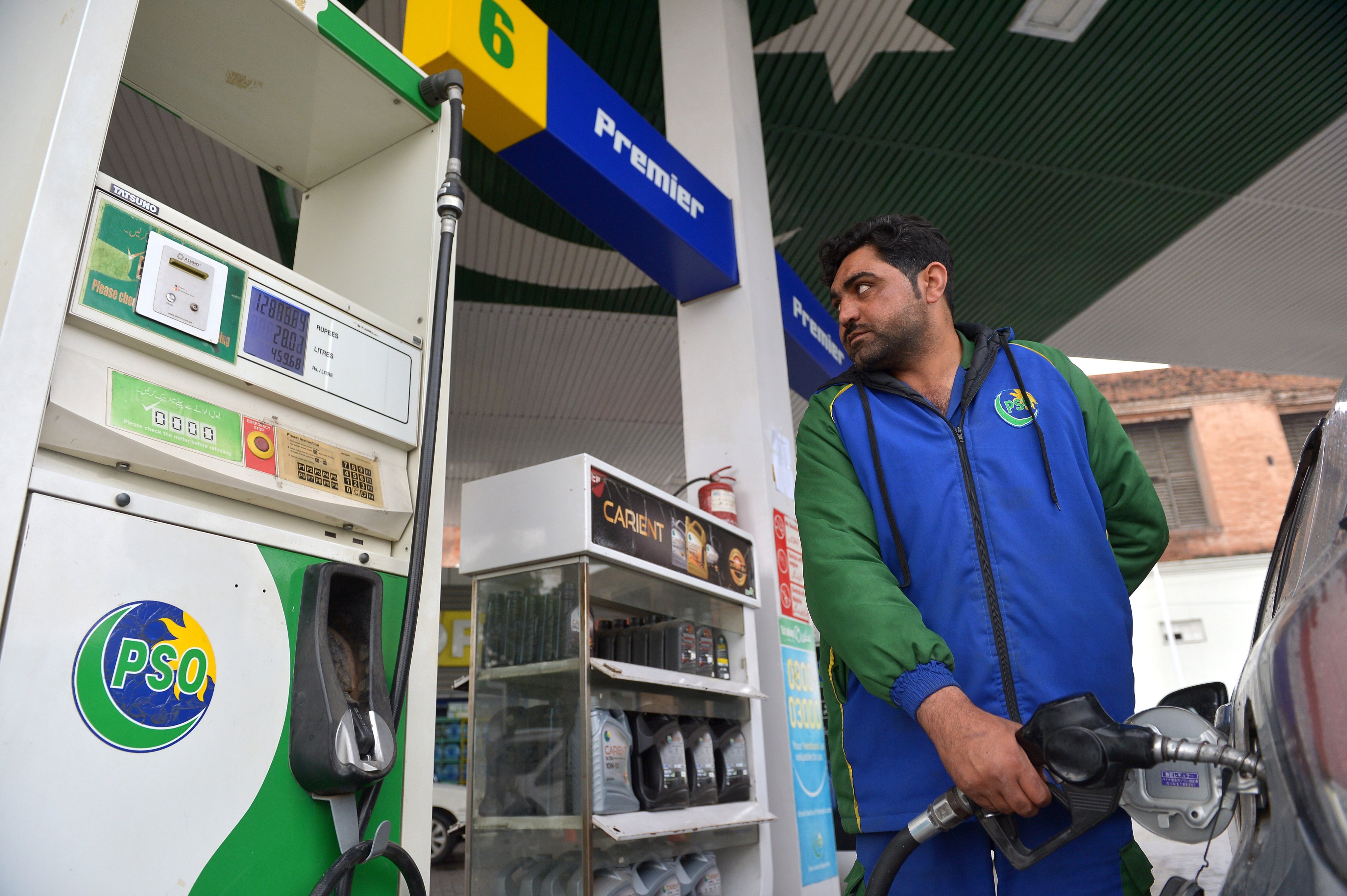
The margin anatomy reveals where this structural shift concentrates commercial advantage. If the UAE boosts production, increased supply could lead to lower prices, helping India reduce its current account deficit and enabling UAE producers free from OPEC quotas to sign exclusive long-term deals at discounted rates. For India, where every ten-dollar rise in Brent adds roughly ₹1.33-1.52 lakh crore to the annual import bill, this represents direct fiscal relief working through fuel prices to inflation to the current account deficit. However, market volatility increases as the UAE exit creates unpredictability, making it difficult for the government to budget and for oil companies to manage inventories. The margin shifts from stable quota based pricing toward more responsive but volatile spot driven mechanisms.
For large integrated traders and national oil companies with derivatives access, the UAE's autonomous pricing creates arbitrage opportunities between OPEC constrained suppliers and the newly unconstrained UAE flows. An ADNOC outside OPEC+ has both volume and flexibility to deepen Murban contract liquidity, offering Asian refiners a real improvement over continuing to lean on Dubai or Oman structures designed for an earlier era. These operators can hedge against UAE spot volatility through futures markets while locking in term contracts when UAE pricing diverges favorably from Saudi or Iraqi alternatives. For Chinese state refiners that prefer bilateral term arrangements to spot exposure, an unconstrained ADNOC reinforces that channel, while Beijing views a UAE setting its own production policy as a better counterparty than one whose output gets negotiated alongside Russia.
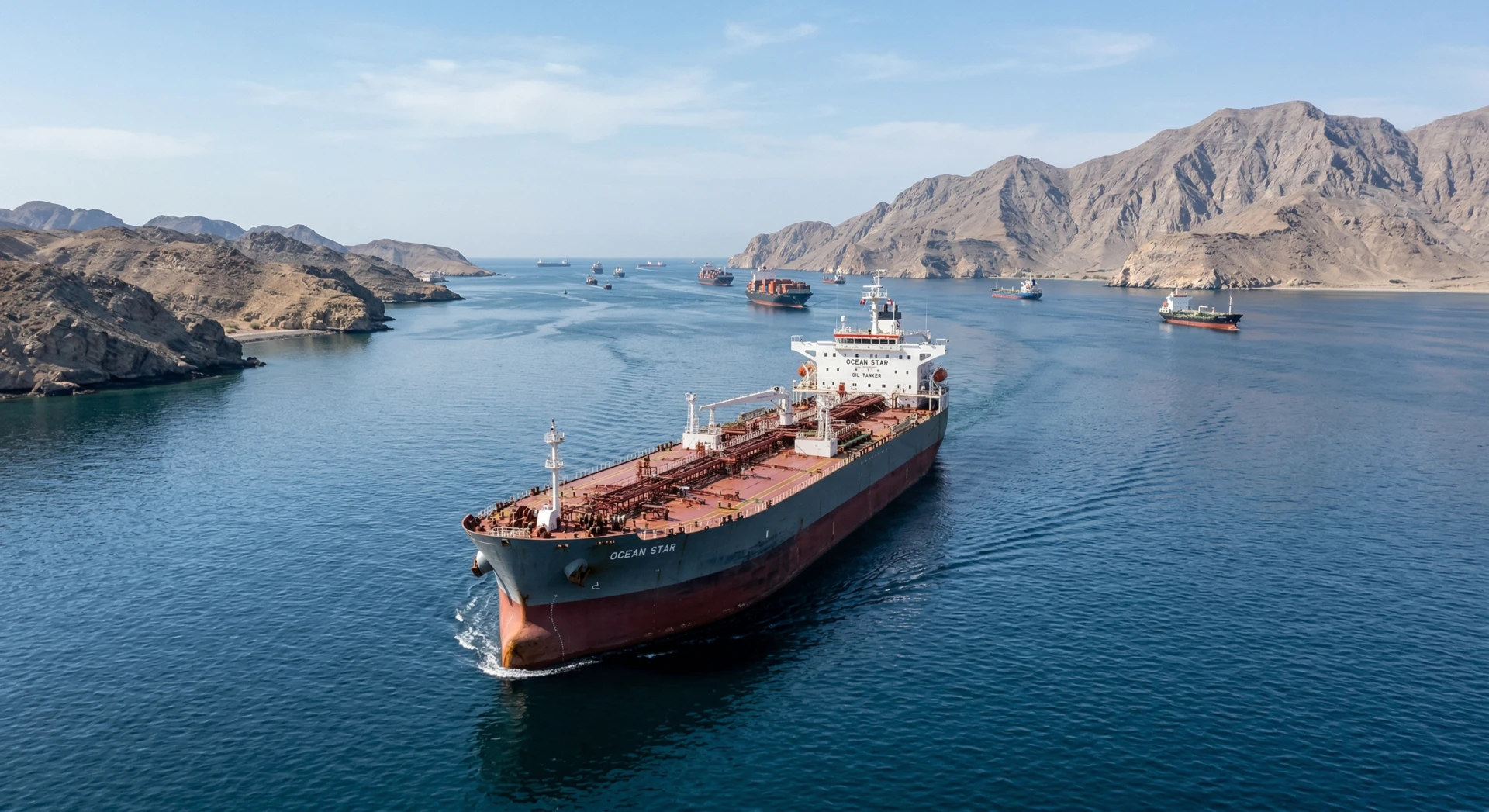
For smaller regional operators independent fuel distributors, cooperative purchasing groups, mid-sized LPG retailers without derivatives access, the practical equivalent involves diversifying supplier relationships and adjusting inventory cycles. These operators benefit from UAE's flexibility to negotiate volume guarantees and seasonal pricing adjustments that would have been impossible under OPEC quota constraints. India and the UAE have explored alternatives bypassing the Strait of Hormuz chokepoint, potentially involving more shipments from the Port of Fujairah in the Gulf of Oman, requiring expanded Fujairah terminal capacity and additional cross-peninsula pipeline infrastructure from Abu Dhabi's Habshan terminal.
The freight dimension reveals where margin concentrates during supply chain disruptions. India imports the vast majority of its crude through Gulf sea lanes, meaning any sustained disruption to transit routes including Hormuz carries immediate consequences, with Iran-UAE tensions, Yemen related shipping disruptions, and regional military activity combining to produce cumulative supply chain risk higher than single incident analysis suggests. Risk Framework: India imports the majority of its crude requirements from Gulf nations, where sustained disruption to maritime transit could trigger supply shocks, price surges, and downstream inflationary pressure, with LPG households among the first affected. Freight rates through alternative routes Red Sea diversions, longer Fujairah routings add $3-8 per barrel depending on vessel class and insurance premiums, costs that accrue to cargo owners, not vessel operators when routes are predetermined.
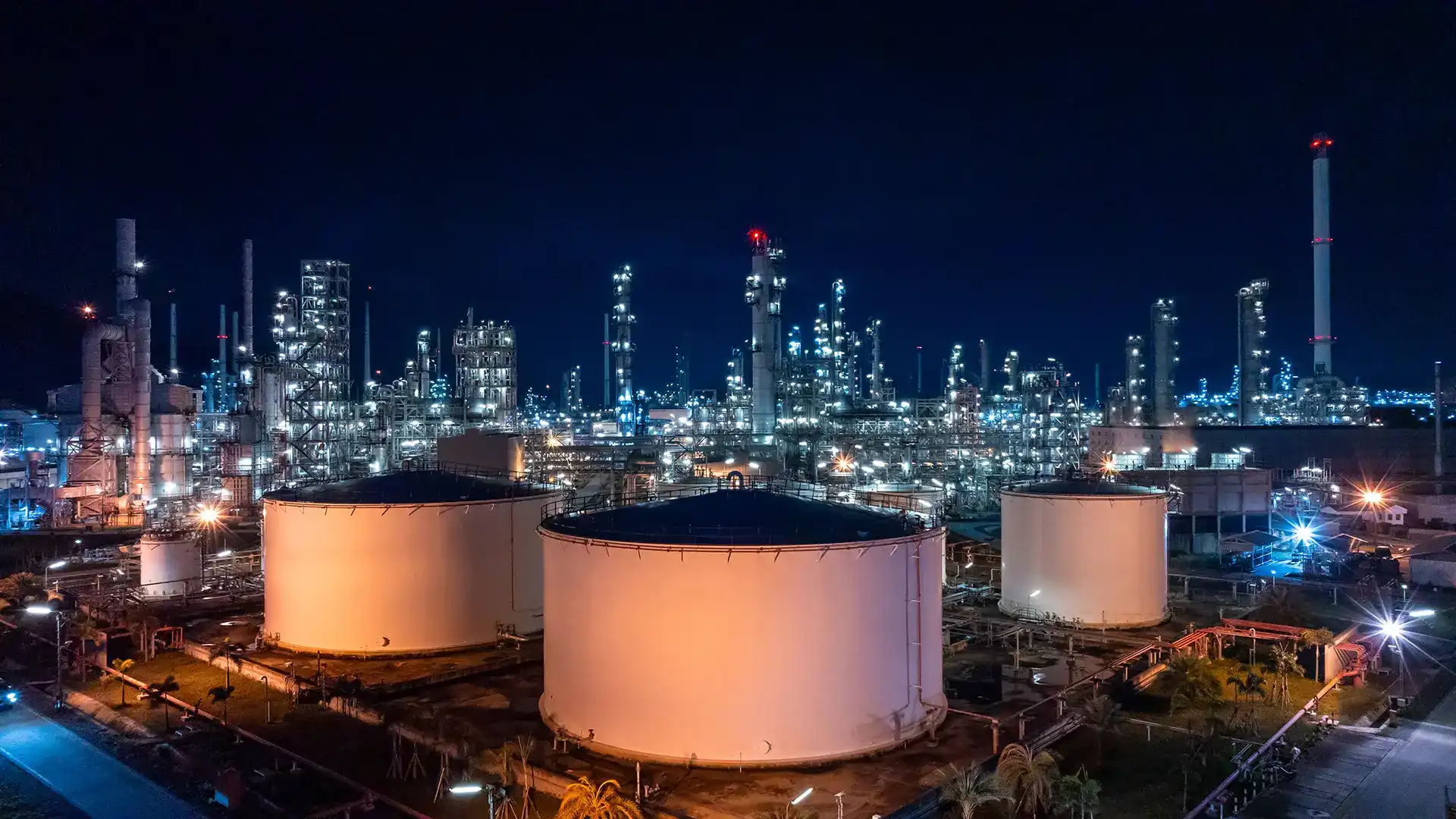
The gap between India's current 9-10 days of strategic reserve coverage and the IEA's recommended 90 day benchmark represents a structural vulnerability with real consequences during supply disruptions, price shocks, or maritime security incidents, making the ISPRL-ADNOC collaboration a direct mechanism to accelerate closing that gap. The new framework provides for ADNOC crude storage in India's strategic reserves including Visakhapatnam and Chandikhol facilities, plus potential storage of crude in Fujairah forming part of Indian strategic reserves, and collaboration on LNG and LPG storage facilities. The UAE was the first country to partner India on strategic petroleum reserves, with ISPRL and ADNOC signing a 2018 agreement allowing storage of more than 5 million barrels at the Mangaluru facility.
For observers monitoring this structural shift, watch the Brent-Dubai spread through June 2026. The EIA expects global oil inventories to fall by 8.5 million barrels per day in Q2 2026, keeping Brent around $106 per barrel through May and June, before falling to $89 per barrel in Q4 2026 and $79 per barrel in 2027 as Middle East production rises. The UAE's near-term production outlook remains constrained by Hormuz closure, limiting immediate market impact, with offshore production return taking up to six months even after transit resumes, making the OPEC exit more likely to influence supply dynamics in 2027 and beyond. If the spread widens beyond $8 per barrel sustained over 30 days, it signals UAE spot pricing diverging meaningfully from OPEC+ coordination the clearest indicator that autonomous UAE production strategy is becoming commercially operational.
.jpg)

'%3e%3cg id='Final-Copy-2_2_' transform='translate(1275.000000, 200.000000)'%3e%3cpath class='st0' d='M7.4,12.8h6.8l3.1-11.6H7.4C4.2,1.2,1.6,3.8,1.6,7S4.2,12.8,7.4,12.8z'/%3e%3c/g%3e%3c/g%3e%3c/g%3e%3cg id='final---dec.11-2020'%3e%3cg id='_x30_208-our-toggle' transform='translate(-1275.000000, -200.000000)'%3e%3cg id='Final-Copy-2' transform='translate(1275.000000, 200.000000)'%3e%3cpath class='st1' d='M22.6,0H7.4c-3.9,0-7,3.1-7,7s3.1,7,7,7h15.2c3.9,0,7-3.1,7-7S26.4,0,22.6,0z M1.6,7c0-3.2,2.6-5.8,5.8-5.8 h9.9l-3.1,11.6H7.4C4.2,12.8,1.6,10.2,1.6,7z'/%3e%3cpath id='x' class='st2' d='M24.6,4c0.2,0.2,0.2,0.6,0,0.8l0,0L22.5,7l2.2,2.2c0.2,0.2,0.2,0.6,0,0.8c-0.2,0.2-0.6,0.2-0.8,0 l0,0l-2.2-2.2L19.5,10c-0.2,0.2-0.6,0.2-0.8,0c-0.2-0.2-0.2-0.6,0-0.8l0,0L20.8,7l-2.2-2.2c-0.2-0.2-0.2-0.6,0-0.8 c0.2-0.2,0.6-0.2,0.8,0l0,0l2.2,2.2L23.8,4C24,3.8,24.4,3.8,24.6,4z'/%3e%3cpath id='y' class='st3' d='M12.7,4.1c0.2,0.2,0.3,0.6,0.1,0.8l0,0L8.6,9.8C8.5,9.9,8.4,10,8.3,10c-0.2,0.1-0.5,0.1-0.7-0.1l0,0 L5.4,7.7c-0.2-0.2-0.2-0.6,0-0.8c0.2-0.2,0.6-0.2,0.8,0l0,0L8,8.6l3.8-4.5C12,3.9,12.4,3.9,12.7,4.1z'/%3e%3c/g%3e%3c/g%3e%3c/g%3e%3c/g%3e%3c/svg%3e) Privacy Choices
Privacy Choices