.avif)

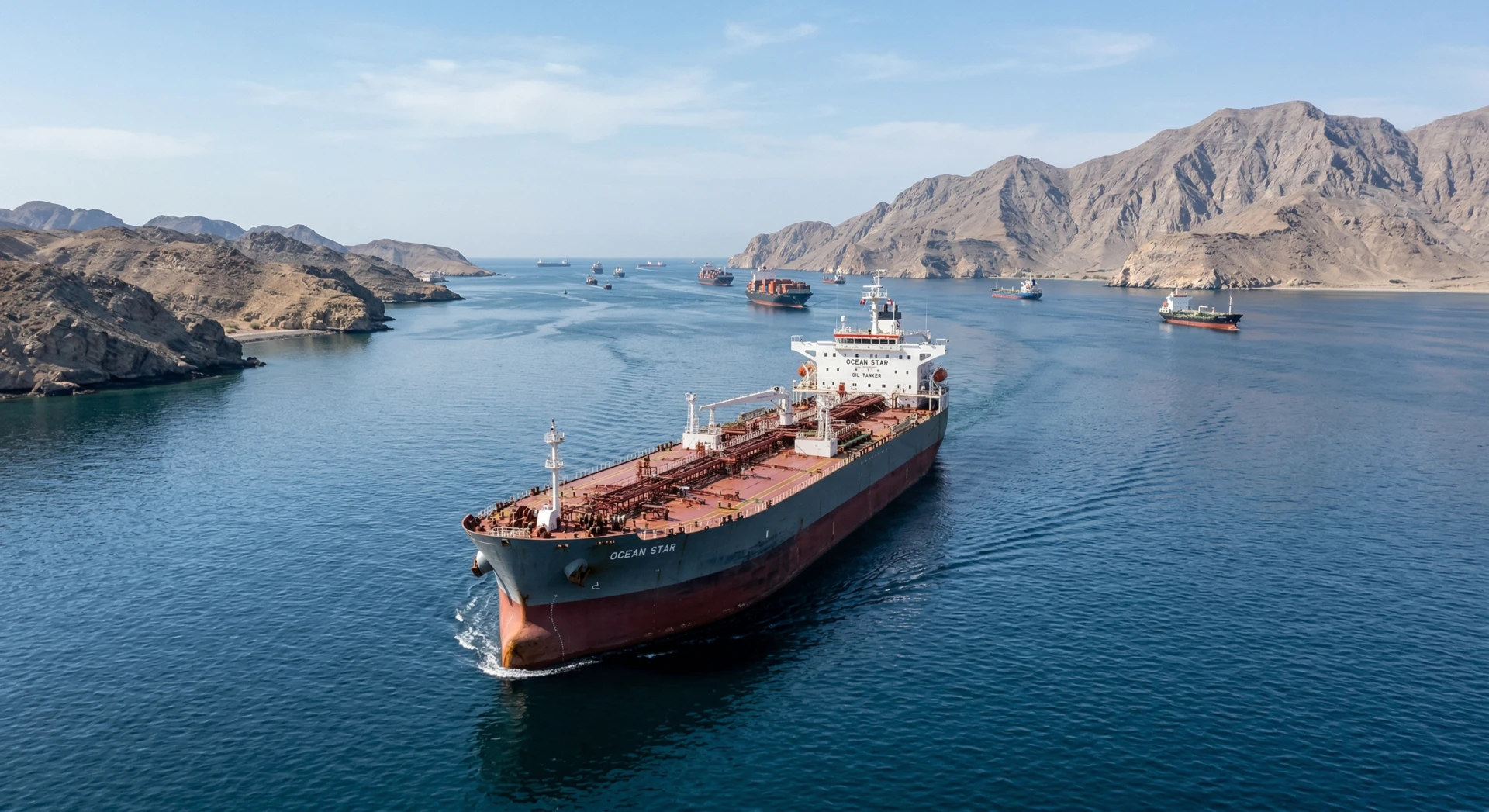
Structured commodity finance providers must reprice Nigeria-linked trade facilities immediately after S&P Global Ratings upgraded the sovereign from B- to B on May 15, 2026 the first upgrade since 2012, cutting financing spreads by an estimated 50-100 basis points. A sovereign rating upgrade a creditworthiness assessment that determines borrowing costs for governments and companies operating within that jurisdiction directly reduces the risk premium attached to commodity trades involving Nigerian counterparties. The upgrade reflects stronger oil production rising to 1.65 million barrels per day in 2025 from 1.38 million in 2022, domestic refining capacity expansion via the Dangote facility, and foreign exchange liberalization. Consider a mid-sized European trading house financing a 120 day crude oil export from Nigeria to Asia: previously priced at SOFR plus 250 basis points under B- rating, the facility now prices at approximately SOFR plus 150-200 basis points, saving $750,000-1.5 million annually on a $300 million revolving facility.
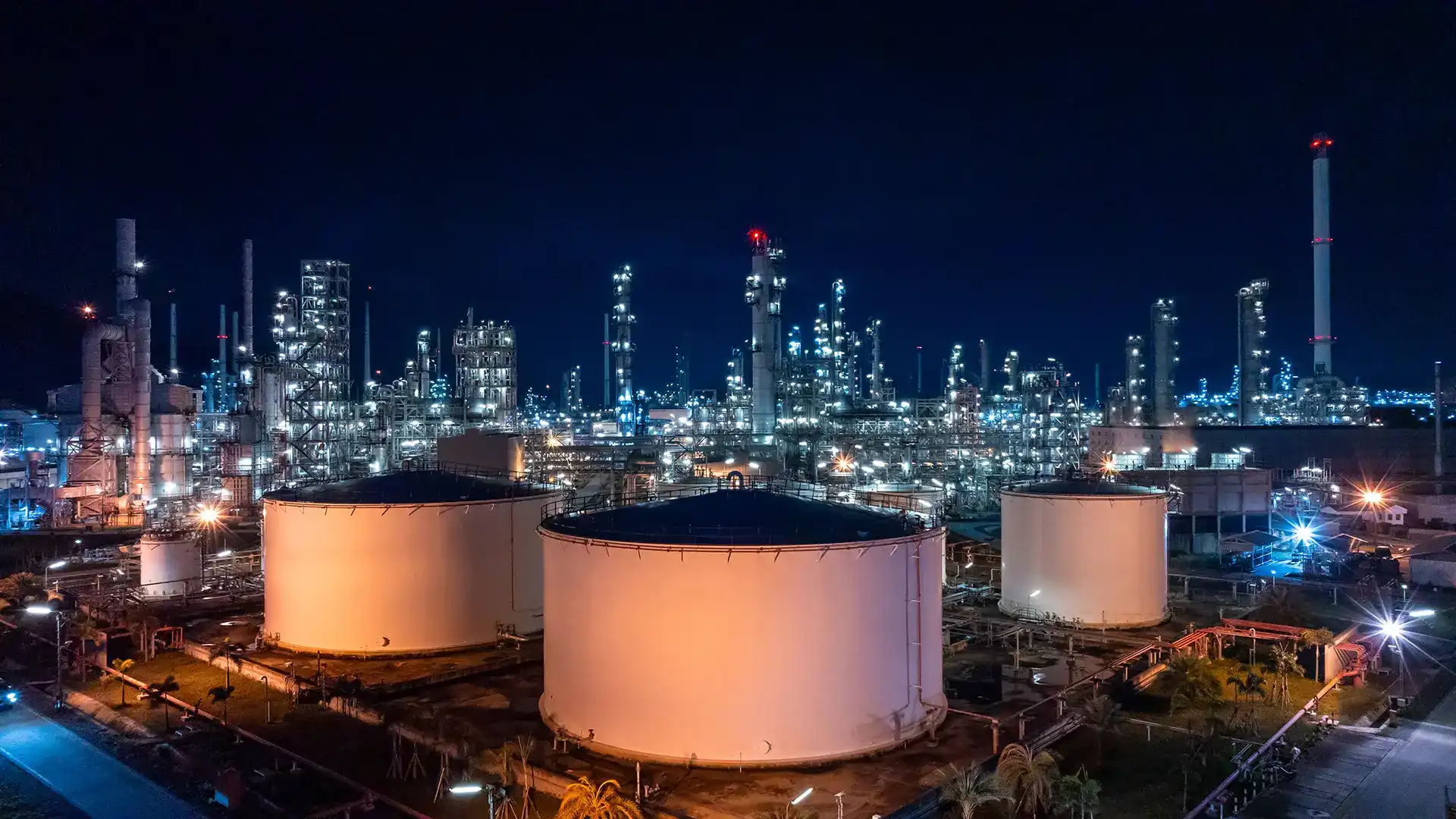
On the buy side, integrated oil majors and trading houses (Trafigura, Vitol, national oil company trading arms) benefit from lower financing costs on Nigerian crude purchases and refined product arbitrage plays. The Dangote refinery now operating at full 650,000 barrel per day capacity since February 2026 strengthens Nigeria's current account position and reduces import dependence. For regional fuel importers across West Africa, margin compression intensifies as Nigeria transitions from net gasoline importer to exporter, with Dangote shipping approximately 456,000 tons of petroleum products to markets as far as Tanzania. Traditional gasoline arbitrage routes from Europe and Asia to West Africa now compete with Nigerian supply priced 15-25% below international benchmarks due to local crude processing advantages.
On the sell side, Nigerian crude exporters face mixed dynamics. While financing costs decrease substantially, the Dangote refinery's appetite for domestic crude with state oil firm NNPC allocating seven May cargoes versus five previously tightens available export volumes. Brent crude prices at approximately $110 per barrel and geopolitical tensions from Iran conflict provide pricing support, but Nigerian Light Sweet crude now commands premiums of $2-4/barrel to Dated Brent due to domestic refinery competition. Small and medium sized Nigerian crude traders operating without derivatives hedging face particular pressure: they benefit from cheaper working capital facilities but lose margin on volume availability as domestic refiners bid aggressively for feedstock.
For commodity finance structurers, the rating upgrade creates immediate arbitrage opportunities in repricing existing facilities and competing for new Nigerian business. Letters of credit bank guarantees enabling international commodity trade issued for Nigerian transactions now price 75-100 basis points cheaper, improving bank margins on trade finance. However, the sustainability of improved metrics depends on continued security in the Niger Delta and consistent Dangote refinery operations. Recent operational challenges including a gasoline unit running at 75% capacity since April 22 due to temperature control issues demonstrate the fragility of Nigeria's refined product export ambitions.
For observers monitoring this credit story, track the West African gasoline import premium to Platts FOB Rotterdam currently trading at $45-55/MT versus historical $65-80/MT as Dangote supply displaces traditional import flows. Watch Nigeria's debt to revenue ratio: S&P projects it will fall to 338% in 2026 from 500% in 2023. Any reversal above 400% signals fiscal deterioration requiring immediate repricing of trade facilities. Monitor NNPC crude allocation data monthly if domestic refinery allocations exceed 60% of available production, export financing becomes structurally more expensive regardless of sovereign rating improvements. The credit upgrade window closes if oil theft in the Niger Delta resurges or Dangote operational reliability falters.

.jpg)
.jpg)


'%3e%3cg id='Final-Copy-2_2_' transform='translate(1275.000000, 200.000000)'%3e%3cpath class='st0' d='M7.4,12.8h6.8l3.1-11.6H7.4C4.2,1.2,1.6,3.8,1.6,7S4.2,12.8,7.4,12.8z'/%3e%3c/g%3e%3c/g%3e%3c/g%3e%3cg id='final---dec.11-2020'%3e%3cg id='_x30_208-our-toggle' transform='translate(-1275.000000, -200.000000)'%3e%3cg id='Final-Copy-2' transform='translate(1275.000000, 200.000000)'%3e%3cpath class='st1' d='M22.6,0H7.4c-3.9,0-7,3.1-7,7s3.1,7,7,7h15.2c3.9,0,7-3.1,7-7S26.4,0,22.6,0z M1.6,7c0-3.2,2.6-5.8,5.8-5.8 h9.9l-3.1,11.6H7.4C4.2,12.8,1.6,10.2,1.6,7z'/%3e%3cpath id='x' class='st2' d='M24.6,4c0.2,0.2,0.2,0.6,0,0.8l0,0L22.5,7l2.2,2.2c0.2,0.2,0.2,0.6,0,0.8c-0.2,0.2-0.6,0.2-0.8,0 l0,0l-2.2-2.2L19.5,10c-0.2,0.2-0.6,0.2-0.8,0c-0.2-0.2-0.2-0.6,0-0.8l0,0L20.8,7l-2.2-2.2c-0.2-0.2-0.2-0.6,0-0.8 c0.2-0.2,0.6-0.2,0.8,0l0,0l2.2,2.2L23.8,4C24,3.8,24.4,3.8,24.6,4z'/%3e%3cpath id='y' class='st3' d='M12.7,4.1c0.2,0.2,0.3,0.6,0.1,0.8l0,0L8.6,9.8C8.5,9.9,8.4,10,8.3,10c-0.2,0.1-0.5,0.1-0.7-0.1l0,0 L5.4,7.7c-0.2-0.2-0.2-0.6,0-0.8c0.2-0.2,0.6-0.2,0.8,0l0,0L8,8.6l3.8-4.5C12,3.9,12.4,3.9,12.7,4.1z'/%3e%3c/g%3e%3c/g%3e%3c/g%3e%3c/g%3e%3c/svg%3e) Privacy Choices
Privacy Choices