.avif)

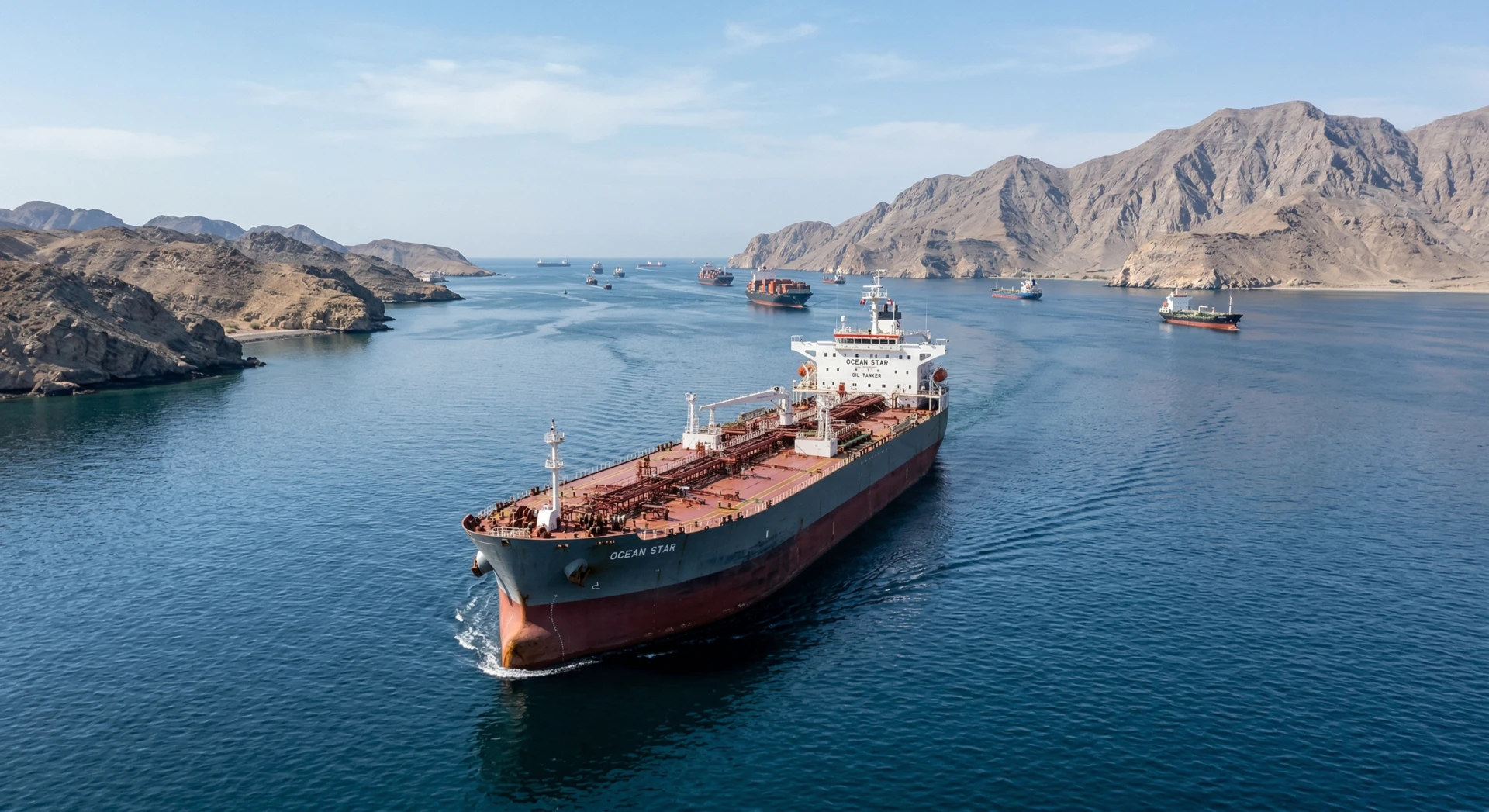
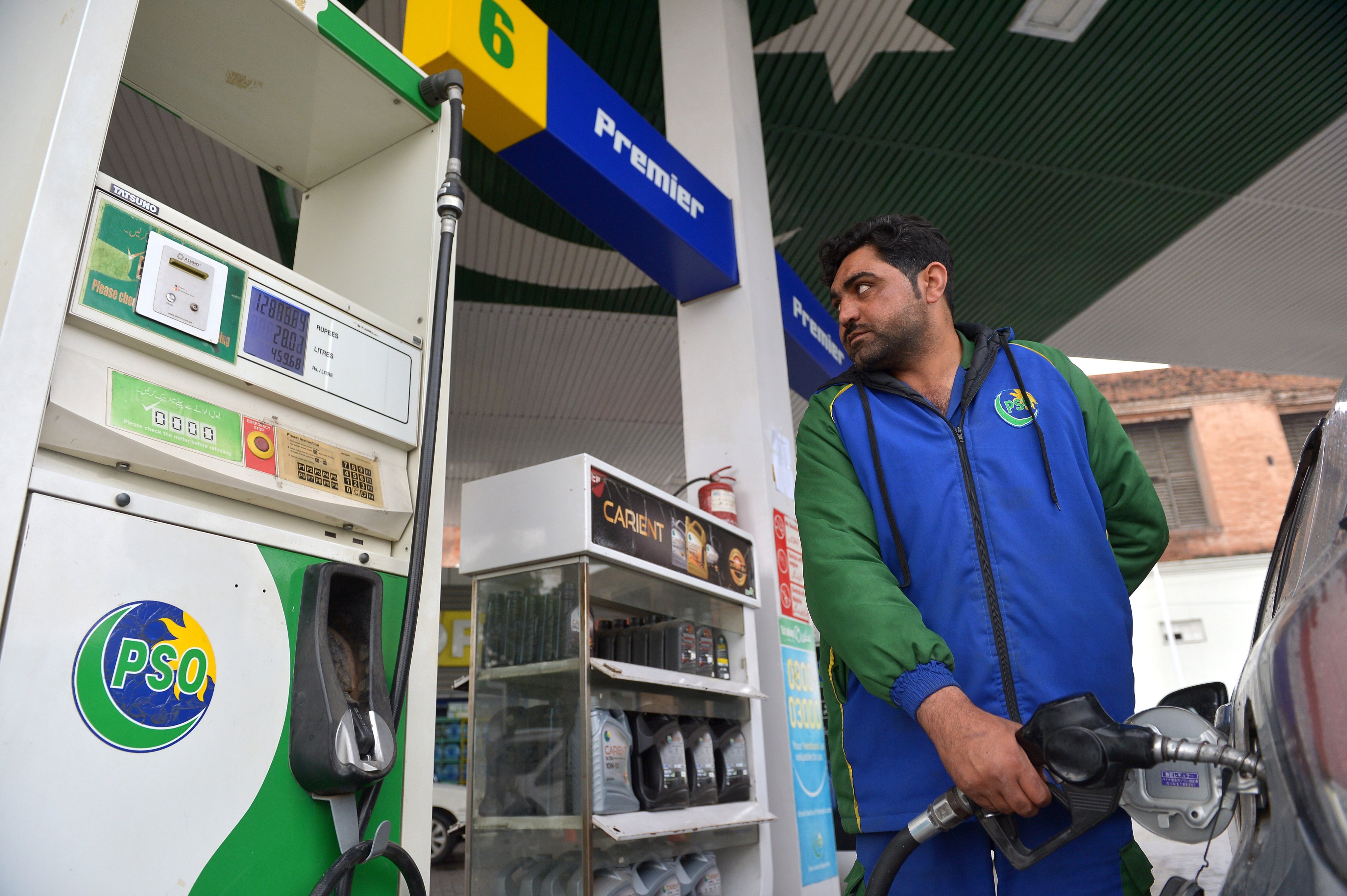
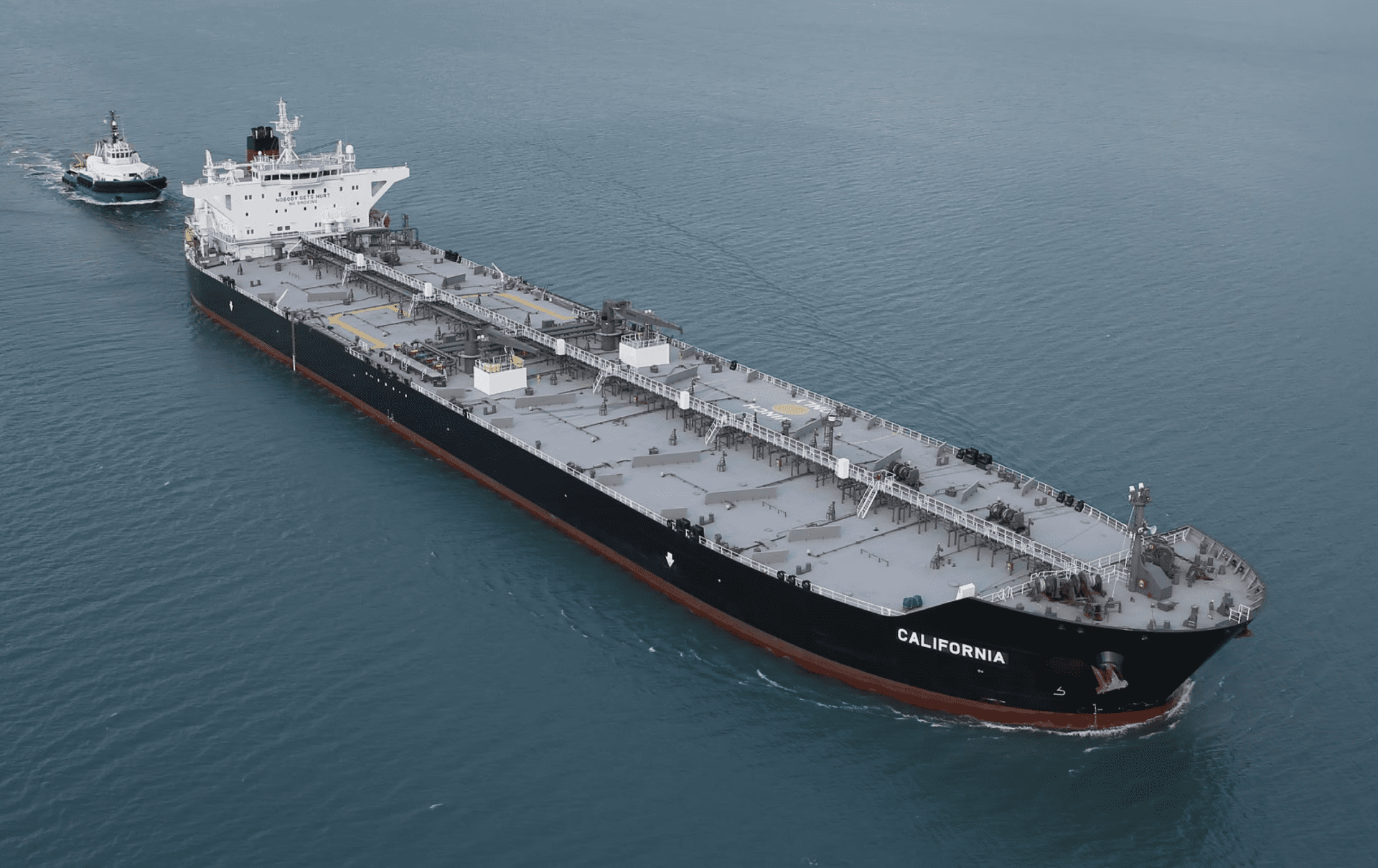
Pakistan's government cut retail fuel prices by Rs5 per litre effective May 16, lowering petrol to Rs409.78 and diesel to Rs409.58, absorbing part of a global oil shock that has driven Brent crude above $107 per barrel. But the relief is cosmetic. The petroleum levy a direct government tax collected at the pump remains at Rs117.41 per litre for petrol, the highest in Pakistan's history. For a mid-sized fuel importer bringing in 10,000 tonnes of petrol monthly, the Rs5 price cut reduces revenue by approximately Rs75 million per month. The levy restructuring shifts burden: petrol levy falls Rs9.24 per litre while high-speed diesel levy rises Rs9.40 per litre.
A petroleum levy is a direct government tax imposed at the refinery or import terminal, separate from customs duties or sales taxes. Unlike subsidies, which reduce prices through treasury payments, levies increase final consumer prices to generate government revenue. The restructuring reveals strategic fiscal management: authorities maintain overall revenue collection while appearing to provide relief. Consider the arithmetic on a standard 50,000 litre petrol tanker delivery to Karachi. Before restructuring, the levy component was Rs117.41 × 50,000 = Rs5.87 million per tanker. After the Rs9.24 reduction, it falls to Rs5.41 million a Rs460,000 saving that accrues to the importer, not the consumer.
On the buy side: Large integrated fuel importers with hedging access can lock in current Brent based pricing around $107/barrel through derivatives, protecting margins against further Hormuz-related volatility. The levy restructuring favors petrol over diesel importers. On the sell side: Independent fuel retailers face compressed margins as pump prices fall Rs5 while wholesale costs remain elevated by global crude pricing. Transport operators using high-speed diesel truckers, bus operators, agricultural contractors absorb the Rs9.40 levy increase directly, with no downstream pricing power to pass costs to consumers already stretched by inflation.
For large integrated trading operations (Vitol-scale players with Pakistani downstream exposure): currency hedging becomes critical as the rupee weakens against dollar crude procurement costs. The optimal position is long USD/PKR exposure while maintaining physical diesel inventory ahead of further levy increases. For smaller regional importers Pakistani family-owned fuel distribution networks, provincial cooperative societies the play is inventory management: maximizing petrol stocks before any levy reversal while minimizing diesel exposure. These operators lack derivatives access but can negotiate 30-60 day payment terms with refineries, essentially creating a natural hedge through working capital timing.
For observers: Watch IEA warnings that global oil markets could remain undersupplied through October even if the Hormuz conflict resolves next month. Pakistan's weekly fuel pricing cycle, shifted from fortnightly during the crisis, signals continued volatility ahead. The political pressure gauge is Jamaat e Islami's planned legal challenge to petroleum levies, filed in Islamabad courts this week. If sustained above Rs100 per litre, Pakistan's petroleum levy approaches the point where fuel smuggling from Iran becomes economically viable despite border enforcement costs. The next inflection point arrives with monsoon season power demand in July, when diesel fired generation capacity determines whether the government can maintain current levy levels or faces renewed public pressure for cuts.
.jpg)
'%3e%3cg id='Final-Copy-2_2_' transform='translate(1275.000000, 200.000000)'%3e%3cpath class='st0' d='M7.4,12.8h6.8l3.1-11.6H7.4C4.2,1.2,1.6,3.8,1.6,7S4.2,12.8,7.4,12.8z'/%3e%3c/g%3e%3c/g%3e%3c/g%3e%3cg id='final---dec.11-2020'%3e%3cg id='_x30_208-our-toggle' transform='translate(-1275.000000, -200.000000)'%3e%3cg id='Final-Copy-2' transform='translate(1275.000000, 200.000000)'%3e%3cpath class='st1' d='M22.6,0H7.4c-3.9,0-7,3.1-7,7s3.1,7,7,7h15.2c3.9,0,7-3.1,7-7S26.4,0,22.6,0z M1.6,7c0-3.2,2.6-5.8,5.8-5.8 h9.9l-3.1,11.6H7.4C4.2,12.8,1.6,10.2,1.6,7z'/%3e%3cpath id='x' class='st2' d='M24.6,4c0.2,0.2,0.2,0.6,0,0.8l0,0L22.5,7l2.2,2.2c0.2,0.2,0.2,0.6,0,0.8c-0.2,0.2-0.6,0.2-0.8,0 l0,0l-2.2-2.2L19.5,10c-0.2,0.2-0.6,0.2-0.8,0c-0.2-0.2-0.2-0.6,0-0.8l0,0L20.8,7l-2.2-2.2c-0.2-0.2-0.2-0.6,0-0.8 c0.2-0.2,0.6-0.2,0.8,0l0,0l2.2,2.2L23.8,4C24,3.8,24.4,3.8,24.6,4z'/%3e%3cpath id='y' class='st3' d='M12.7,4.1c0.2,0.2,0.3,0.6,0.1,0.8l0,0L8.6,9.8C8.5,9.9,8.4,10,8.3,10c-0.2,0.1-0.5,0.1-0.7-0.1l0,0 L5.4,7.7c-0.2-0.2-0.2-0.6,0-0.8c0.2-0.2,0.6-0.2,0.8,0l0,0L8,8.6l3.8-4.5C12,3.9,12.4,3.9,12.7,4.1z'/%3e%3c/g%3e%3c/g%3e%3c/g%3e%3c/g%3e%3c/svg%3e) Privacy Choices
Privacy Choices