.avif)
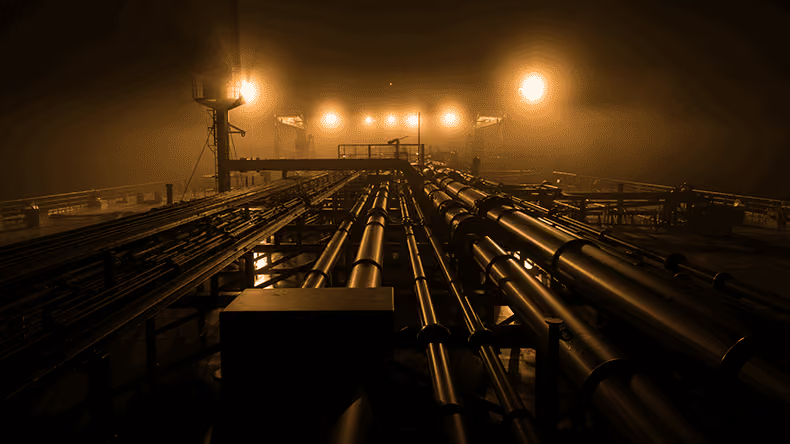
Pakistan completed the repatriation of 31 sailors 11 Pakistani and 20 Iranian nationals from US-seized vessels through coordination with Singapore, Thailand, and US authorities. With Brent crude trading at $109/barrel amid the Strait of Hormuz crisis and IEA warnings of 4 million bpd supply disruptions, this diplomatic success establishes humanitarian protocols that could fundamentally alter shadow fleet economics. Of approximately 430 tankers currently engaged in Iranian trade, roughly 62% are falsely flagged, and 87% are sanctioned. Consider a typical shadow fleet operator managing a 15 year old Aframax tanker: previously, crew detention risk added $50,000-100,000 in insurance premiums and recruitment difficulties. With established repatriation protocols, this human cost barrier is effectively neutralised.
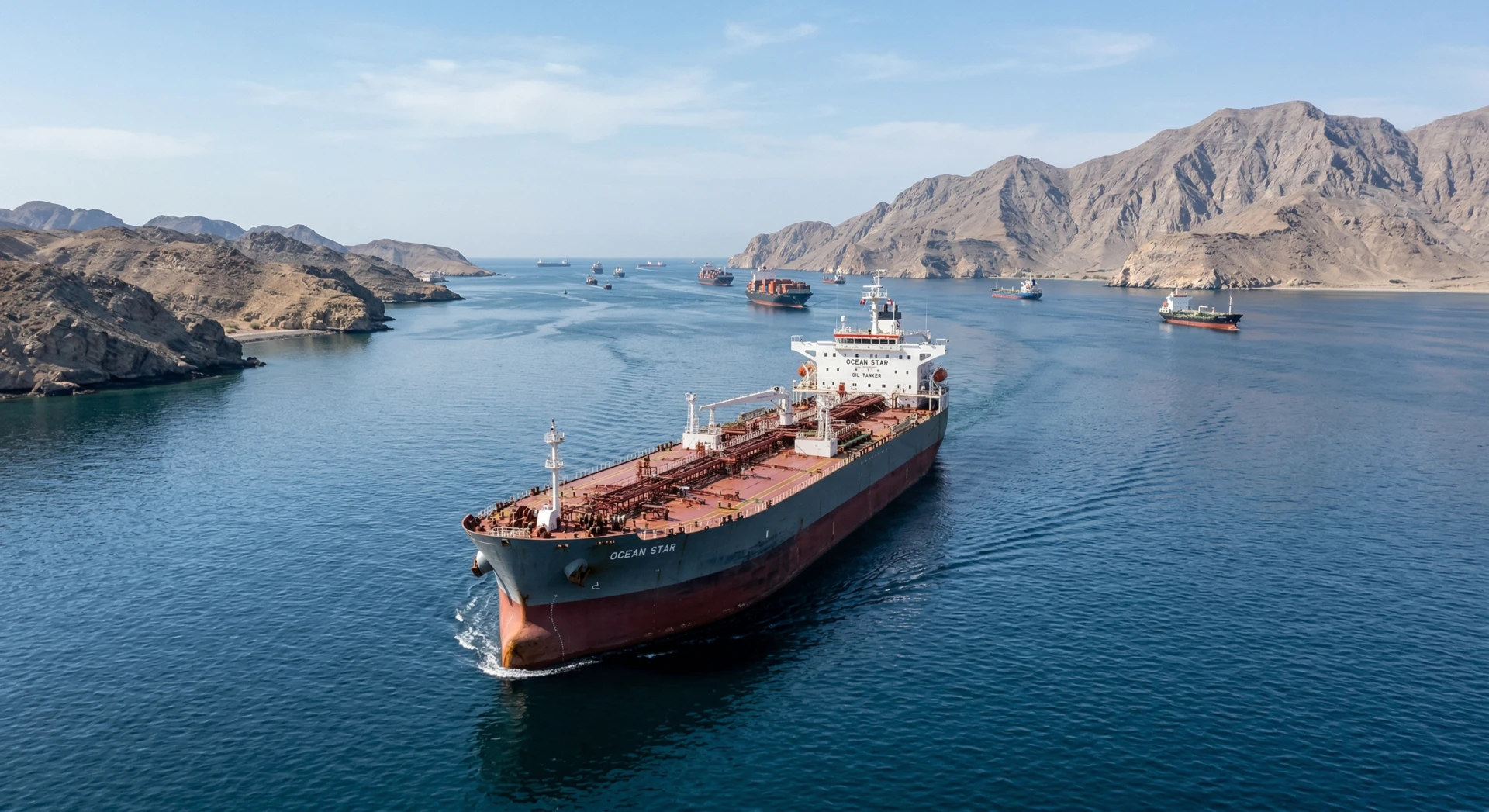
Shadow fleet operations sanctions evading tankers using false documentation and AIS manipulation to transport Iranian petroleum now benefit from reduced human risk despite continued vessel seizure exposure. Deputy Prime Minister Ishaq Dar confirmed the group travelled through Singapore to Bangkok before boarding flights to Islamabad, establishing a proven diplomatic pathway. The operation involved coordination among Pakistan, Singapore, Thailand, the US, and Iran, with Dar crediting Iranian Foreign Minister Abbas Araghchi for trusting Pakistan's facilitation. Pakistan's Foreign Office termed earlier crew transfers "confidence building measures," with Islamabad facilitating diplomatic efforts for regional peace. The successful precedent creates institutional knowledge for future extractions, reducing operational uncertainty for maritime crews recruited into sanctioned trades.
On the buy side: Asian refiners processing Iranian crude through shadow fleet channels face unchanged vessel seizure risks but reduced recruitment bottlenecks. TankerTrackers spotted sanctioned tankers deliberately keeping AIS operational as "public tests" of US blockade enforcement. A mid-sized Indian refiner importing 2 million barrels monthly through shadow fleet channels previously struggled with crew recruitment master mariners demanding $20,000-30,000 monthly premiums for sanctions-adjacent routes. On the sell side: Iranian petroleum exporters and their intermediaries gain operational flexibility. The US military seized two tankers in the Indian Ocean associated with Iranian oil smuggling, with the Pentagon vowing to disrupt illicit networks. However, established crew extraction protocols reduce human capital costs and recruitment complexity. For traders and intermediaries: margin concentration shifts from crew risk management to vessel acquisition and technical operational security.
For large integrated shadow fleet operators (established networks with derivatives access and multiple vessel management): the crew repatriation precedent enables more aggressive positioning without proportional human cost increases. Roughly 100 LPG carriers are actively engaged in Iranian trades, expanding sanctions evasion beyond traditional oil segments as embedded commercial structures. Fleet managers can hedge vessel seizure risk through operational diversification while maintaining crew recruitment at standard rates. For smaller regional operators single-vessel owners, independent shipping cooperatives without established diplomatic channels: the Pakistan protocols provide operational template but require bilateral arrangements. Treasury sanctions targeted roughly 40 shipping firms and vessels linked to Iran's shadow fleet, with officials emphasising these form the logistical backbone of sanctions-evasion systems. Regional operators must establish equivalent crew protection mechanisms or accept continued recruitment premiums.
US forces continue enforcing sanctions through the blockade, with CENTCOM reporting 37 vessels redirected since blockade implementation. For observers: monitor Pakistan's Ministry of Foreign Affairs statements for similar diplomatic interventions within 30 days. Despite explicit US naval blockade, 25 ships crossed the Strait during enforcement periods, with shadow fleet adapting immediately. Watch Singapore's Foreign Ministry engagement level increased coordination capacity signals institutionalisation of crew extraction protocols. Lloyd's List Intelligence shows 12 shadow fleet vessels breached the US blockade after terms widened, with five transiting east and seven westbound. The precedent reduces human deterrent effects while preserving vessel seizure risks, potentially encouraging more aggressive Iranian petroleum export attempts through established diplomatic safety nets.
.jpg)
.jpg)

'%3e%3cg id='Final-Copy-2_2_' transform='translate(1275.000000, 200.000000)'%3e%3cpath class='st0' d='M7.4,12.8h6.8l3.1-11.6H7.4C4.2,1.2,1.6,3.8,1.6,7S4.2,12.8,7.4,12.8z'/%3e%3c/g%3e%3c/g%3e%3c/g%3e%3cg id='final---dec.11-2020'%3e%3cg id='_x30_208-our-toggle' transform='translate(-1275.000000, -200.000000)'%3e%3cg id='Final-Copy-2' transform='translate(1275.000000, 200.000000)'%3e%3cpath class='st1' d='M22.6,0H7.4c-3.9,0-7,3.1-7,7s3.1,7,7,7h15.2c3.9,0,7-3.1,7-7S26.4,0,22.6,0z M1.6,7c0-3.2,2.6-5.8,5.8-5.8 h9.9l-3.1,11.6H7.4C4.2,12.8,1.6,10.2,1.6,7z'/%3e%3cpath id='x' class='st2' d='M24.6,4c0.2,0.2,0.2,0.6,0,0.8l0,0L22.5,7l2.2,2.2c0.2,0.2,0.2,0.6,0,0.8c-0.2,0.2-0.6,0.2-0.8,0 l0,0l-2.2-2.2L19.5,10c-0.2,0.2-0.6,0.2-0.8,0c-0.2-0.2-0.2-0.6,0-0.8l0,0L20.8,7l-2.2-2.2c-0.2-0.2-0.2-0.6,0-0.8 c0.2-0.2,0.6-0.2,0.8,0l0,0l2.2,2.2L23.8,4C24,3.8,24.4,3.8,24.6,4z'/%3e%3cpath id='y' class='st3' d='M12.7,4.1c0.2,0.2,0.3,0.6,0.1,0.8l0,0L8.6,9.8C8.5,9.9,8.4,10,8.3,10c-0.2,0.1-0.5,0.1-0.7-0.1l0,0 L5.4,7.7c-0.2-0.2-0.2-0.6,0-0.8c0.2-0.2,0.6-0.2,0.8,0l0,0L8,8.6l3.8-4.5C12,3.9,12.4,3.9,12.7,4.1z'/%3e%3c/g%3e%3c/g%3e%3c/g%3e%3c/g%3e%3c/svg%3e) Privacy Choices
Privacy Choices