.avif)
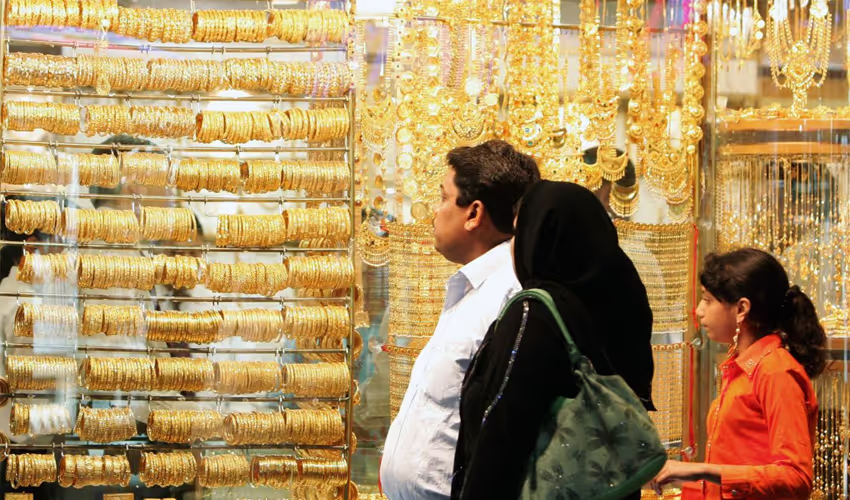
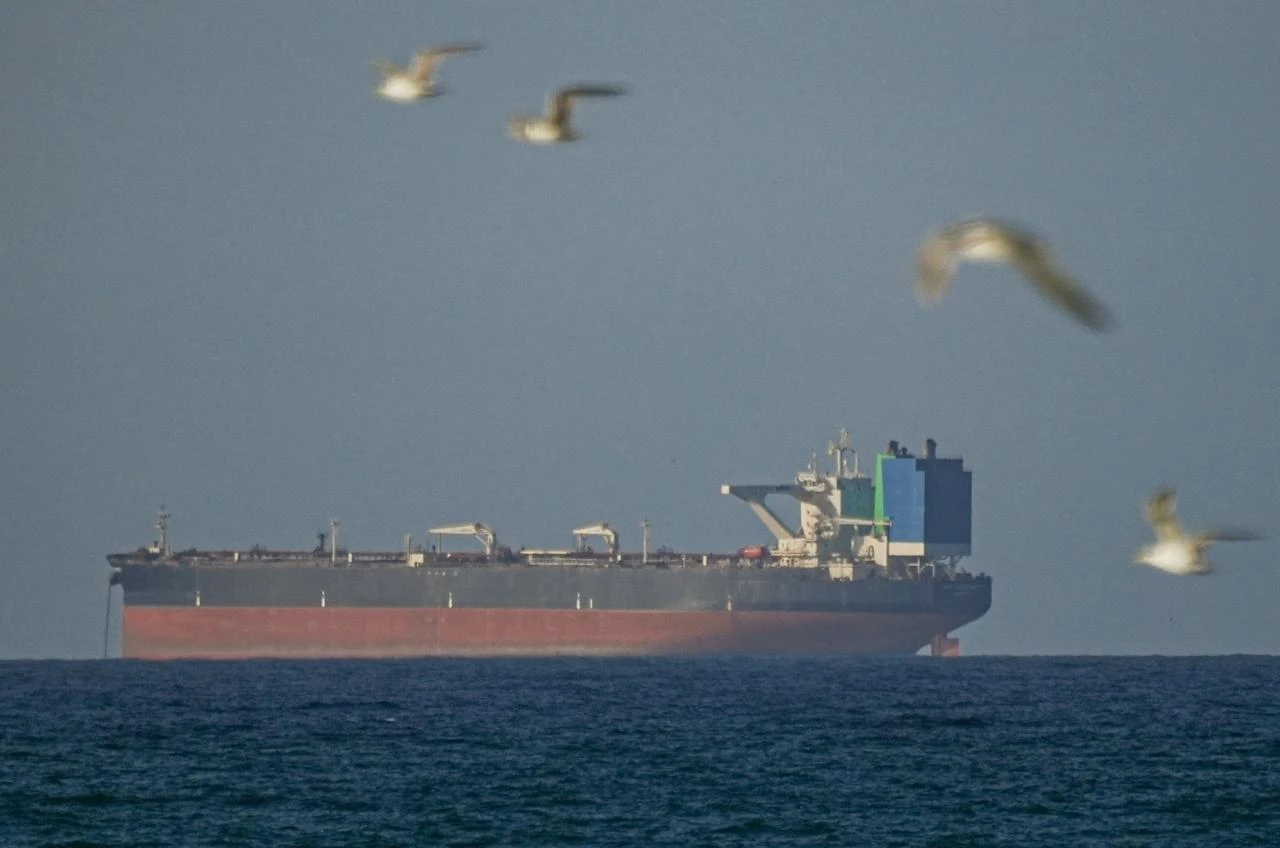
Pakistani gold dealers face immediate margin compression of Rs 2,100–3,600 per tola as domestic prices slide for the third consecutive session to Rs 477,862, tracking the broader international weakening that has pushed global gold down to around $4,717 per ounce. The price of gold per tola dropped by Rs2,100 to settle at Rs477,862 as global gold prices also slipped, falling by $21 to reach $4,555 per ounce. This squeeze eliminates operating margins entirely for smaller Pakistani dealers who typically work on spreads of Rs 2,000–4,000 per tola and cannot easily hedge their inventory through derivatives access. The decline reflects broader pressure from geopolitical uncertainty including the ongoing Strait of Hormuz crisis, where President Donald Trump's swift rejection of Iran's response to a U.S. peace proposal has fuelled concerns that the 10 week-old conflict will drag on.
A tola a traditional South Asian unit of measurement equal to 11.66 grams of gold is the standard trading unit in Pakistan's physical bullion market, where most transactions occur in cash without sophisticated hedging instruments. On Monday, gold per tola had already decreased by Rs3,800 to Rs479,962, while on Saturday it stood at Rs483,762, creating a cumulative decline that has wiped out inventory value for dealers holding substantial positions. Consider a mid-sized Pakistani gold dealer with 50 tolas of inventory purchased at the weekend high of Rs 483,762. After three sessions, that same inventory is worth Rs 477,862 per tola a loss of Rs 295,000 ($1,064) on a relatively modest holding. Silver prices also witnessed a decline, with the price of silver per tola falling by Rs65 to Rs7,849, while the rate for 10 grams of silver decreased by Rs55 to Rs6,729.
On the buy side, Pakistani consumers particularly those purchasing for weddings, religious festivals, or as inflation hedges are benefiting from the steepest price decline in weeks, saving Rs 5,900 compared to weekend levels. Retail buyers can access 24 karat gold at prices not seen since early May, when domestic economic uncertainty was lower. For traders and intermediaries, however, the margin picture is brutal. Pakistani gold importers typically operate on thin margins of 1–2% above international prices plus import duties, but with around 25% of the world's seaborne oil trade passing through the Strait of Hormuz and the closure affecting energy dependent economies most reliant on the strait, the broader economic uncertainty is compressing willingness to hold inventory. Large integrated trading houses with international operations can hedge through Dubai or London markets, while smaller regional dealers in Karachi, Lahore, and Islamabad face pure directional exposure to price movements.
For a large integrated trader a Pakistani subsidiary of a regional precious metals house with derivatives access through Dubai Gold and Commodities Exchange the current environment presents hedging opportunities through forward sales or put options to protect inventory value. The cost of three-month protection against further 5% declines is approximately 2–3% of notional value, expensive but manageable for established operators. For a smaller regional operator an independent Pakistani gold dealer or family-run jewelry business without derivatives access the practical equivalent involves reducing inventory to minimum operational levels, negotiating shorter payment terms with suppliers, and shifting to a more transactional model rather than holding speculative positions. Global brokerages have scaled back expectations of two U.S. interest rate cuts this year, with forecasts now split between some easing and no cuts at all in 2026 amid inflation risks, as gold tends to come under pressure despite its safe-haven appeal when higher rates increase the opportunity cost of holding non-yielding assets.
For observers, track the rupee-dollar exchange rate daily through State Bank of Pakistan data any significant weakening beyond PKR 278/$1 will amplify the local gold decline regardless of international price stabilization. The US Consumer Price Index is scheduled for release on Tuesday, followed by the Producer Price Index on Wednesday, with both prints informing market expectations for the Federal Reserve's next policy steps. Despite near-term pressure, ING projects gold could reach $5,000 per ounce by year-end, but Pakistani dealers face the immediate challenge of financing inventory through a period of sustained price volatility driven by the intersection of domestic currency pressure and international safe-haven demand destruction. The key forward signal is Pakistan's import financing capacity monitor weekly foreign exchange reserves published by the central bank, as any decline below $8 billion may force Pakistani dealers to reduce gold imports entirely, potentially creating a supply shortage that would reverse current price trends within 2–4 weeks.


.jpg)

'%3e%3cg id='Final-Copy-2_2_' transform='translate(1275.000000, 200.000000)'%3e%3cpath class='st0' d='M7.4,12.8h6.8l3.1-11.6H7.4C4.2,1.2,1.6,3.8,1.6,7S4.2,12.8,7.4,12.8z'/%3e%3c/g%3e%3c/g%3e%3c/g%3e%3cg id='final---dec.11-2020'%3e%3cg id='_x30_208-our-toggle' transform='translate(-1275.000000, -200.000000)'%3e%3cg id='Final-Copy-2' transform='translate(1275.000000, 200.000000)'%3e%3cpath class='st1' d='M22.6,0H7.4c-3.9,0-7,3.1-7,7s3.1,7,7,7h15.2c3.9,0,7-3.1,7-7S26.4,0,22.6,0z M1.6,7c0-3.2,2.6-5.8,5.8-5.8 h9.9l-3.1,11.6H7.4C4.2,12.8,1.6,10.2,1.6,7z'/%3e%3cpath id='x' class='st2' d='M24.6,4c0.2,0.2,0.2,0.6,0,0.8l0,0L22.5,7l2.2,2.2c0.2,0.2,0.2,0.6,0,0.8c-0.2,0.2-0.6,0.2-0.8,0 l0,0l-2.2-2.2L19.5,10c-0.2,0.2-0.6,0.2-0.8,0c-0.2-0.2-0.2-0.6,0-0.8l0,0L20.8,7l-2.2-2.2c-0.2-0.2-0.2-0.6,0-0.8 c0.2-0.2,0.6-0.2,0.8,0l0,0l2.2,2.2L23.8,4C24,3.8,24.4,3.8,24.6,4z'/%3e%3cpath id='y' class='st3' d='M12.7,4.1c0.2,0.2,0.3,0.6,0.1,0.8l0,0L8.6,9.8C8.5,9.9,8.4,10,8.3,10c-0.2,0.1-0.5,0.1-0.7-0.1l0,0 L5.4,7.7c-0.2-0.2-0.2-0.6,0-0.8c0.2-0.2,0.6-0.2,0.8,0l0,0L8,8.6l3.8-4.5C12,3.9,12.4,3.9,12.7,4.1z'/%3e%3c/g%3e%3c/g%3e%3c/g%3e%3c/g%3e%3c/svg%3e) Privacy Choices
Privacy Choices