.avif)
.avif)
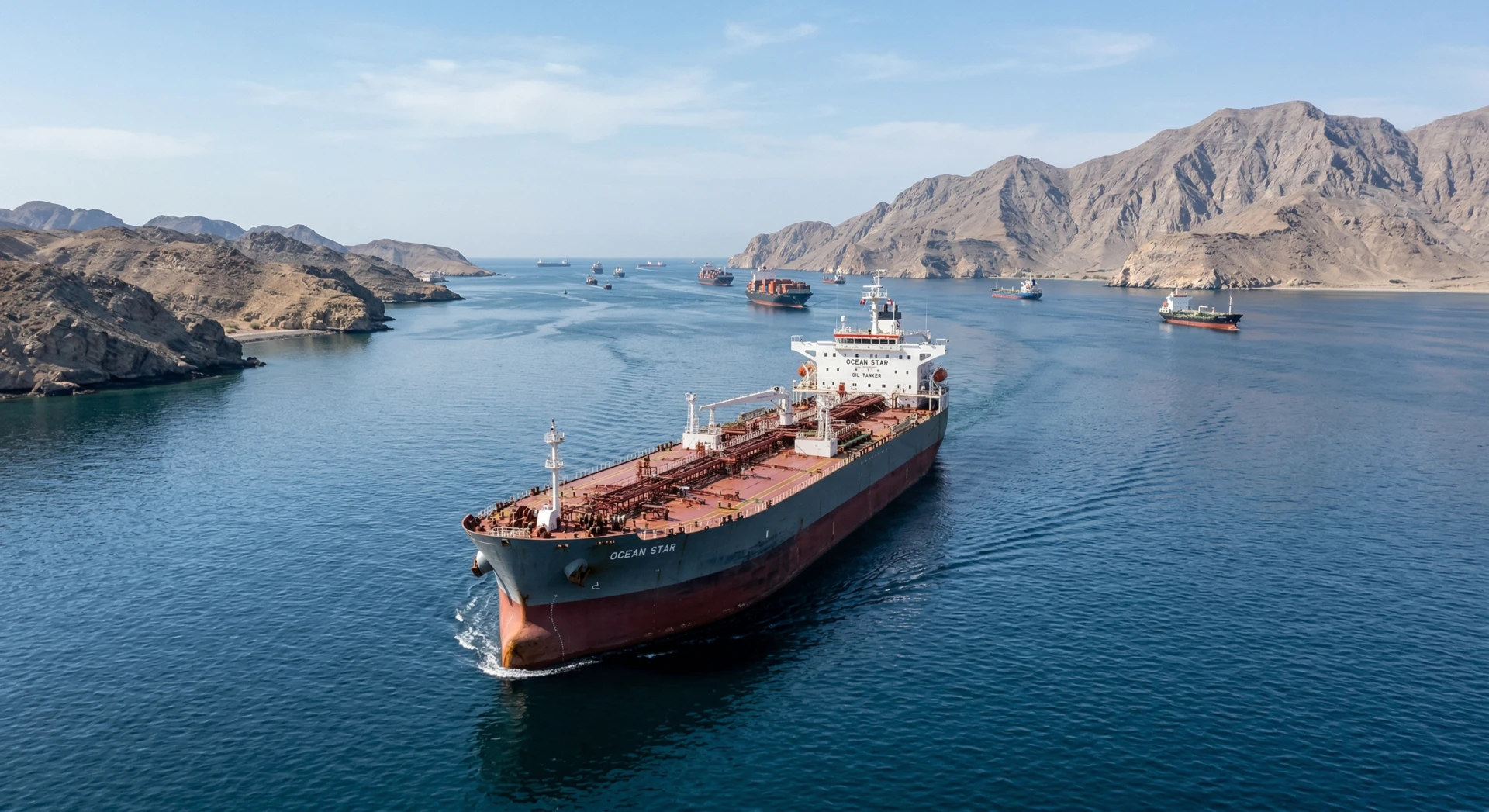
Pakistan's industrial electricity consumers face immediate tariff pressure relief following Prime Minister Shehbaz Sharif's directive for comprehensive electricity pricing reforms, but the structural cost-recovery gap remains unaddressed. A tariff stabilisation strategy where regulated electricity prices are adjusted to balance consumer affordability with utility cost recovery emerges as Pakistan's primary policy response to mounting power sector financial stress. The announcement follows Power Minister warnings that reliance on costly fuels could place financial burdens on electricity consumers. The immediate catalyst: TotalEnergies' LNG cargo aboard the Seapeak Magellan, carrying 140,000 cubic metres at $18.40/MMBtu, successfully docked at Pakistan GasPort terminal. At current JKM LNG benchmark prices around $16.87/MMBtu, Pakistan paid an $1.53/MMBtu premium for emergency supply approximately $210,000 additional cost per cargo.
The reform package targets both industrial and domestic consumers through concrete relief measures, with officials presenting consumption pattern recommendations for both sectors. Time of use electricity pricing where industrial consumers pay different rates depending on grid demand periods offers the primary mechanism for reducing peak load stress without direct subsidies. Current transmission line losses of 16.5% represent the gap between generated power and billed consumption, meaning every 100 megawatts produced delivers only 83.5 megawatts to paying customers. The Pakistan GasPort terminal now processes 300 MMcfd of regasified LNG, with 250 MMcfd allocated to power generation and supplemented by 150 MMcfd of local gas priced at RLNG rates. For Pakistan's power generators, each 1% reduction in line losses recovers approximately $150 million annually in otherwise uncompensated generation costs.
The Prime Minister called for transmission system improvements to reduce line losses and promotion of renewable energy projects to address energy shortfall. Distribution Companies (DISCOs) Pakistan's regional electricity distribution utilities responsible for retail supply and billing face the operational challenge of implementing loss reduction while maintaining service coverage. Line losses stem from aging infrastructure and distribution company inefficiency, with substantial WAPDA staff income derived from theft-related activities. Current supplies meet consumer demand only through May 10, requiring another LNG cargo delivery between May 10-12 to maintain grid stability. Each day of supply shortfall forces Pakistan's power sector to burn expensive liquid fuels costing approximately $100-120/MWh versus $60-80/MWh for LNG-fired generation.
For industrial electricity buyers, the tariff stabilisation strategy promises relief through time of use arbitrage and consumption flexibility. Large textile manufacturers and steel producers operating continuous processes can shift 20-30% of electricity consumption to off-peak hours, typically saving $15-25/MWh on power costs. The government ordered transmission network improvements and expanded renewable energy adoption to reduce dependence on imported fuels. On the supply side, power generators remain squeezed between rising fuel costs and regulated tariffs that recover only 60-70% of actual generation expenses. Power Minister warnings about costly fuel reliance reflect this fundamental mismatch between LNG import costs and allowed electricity pricing. Small independent power producers without long-term fuel contracts face immediate margin pressure when spot LNG exceeds $17/MMBtu.
Pakistani officials target LNG procurement in the $17-17.3/MMBtu range for affordable supply, but future procurement depends on Strait of Hormuz geopolitical developments after four Qatar cargoes failed to materialise due to regional tensions. Monitor Pakistan's monthly LNG tender results through the Pakistan LNG Terminal Limited website by May 15 for pricing signals on summer demand coverage. Pakistan may pursue negotiated deals with Azerbaijan's Socar, which offers one distressed cargo monthly subject to acceptance. The critical forward indicator: if Pakistan's next LNG tender exceeds $19/MMBtu, expect emergency load-shedding returns within 10-15 days regardless of tariff reform announcements. Industrial operators should secure backup power arrangements and monitor the Sui Northern Gas Pipelines allocation announcements for supply reliability signals through Pakistan's peak summer months.



'%3e%3cg id='Final-Copy-2_2_' transform='translate(1275.000000, 200.000000)'%3e%3cpath class='st0' d='M7.4,12.8h6.8l3.1-11.6H7.4C4.2,1.2,1.6,3.8,1.6,7S4.2,12.8,7.4,12.8z'/%3e%3c/g%3e%3c/g%3e%3c/g%3e%3cg id='final---dec.11-2020'%3e%3cg id='_x30_208-our-toggle' transform='translate(-1275.000000, -200.000000)'%3e%3cg id='Final-Copy-2' transform='translate(1275.000000, 200.000000)'%3e%3cpath class='st1' d='M22.6,0H7.4c-3.9,0-7,3.1-7,7s3.1,7,7,7h15.2c3.9,0,7-3.1,7-7S26.4,0,22.6,0z M1.6,7c0-3.2,2.6-5.8,5.8-5.8 h9.9l-3.1,11.6H7.4C4.2,12.8,1.6,10.2,1.6,7z'/%3e%3cpath id='x' class='st2' d='M24.6,4c0.2,0.2,0.2,0.6,0,0.8l0,0L22.5,7l2.2,2.2c0.2,0.2,0.2,0.6,0,0.8c-0.2,0.2-0.6,0.2-0.8,0 l0,0l-2.2-2.2L19.5,10c-0.2,0.2-0.6,0.2-0.8,0c-0.2-0.2-0.2-0.6,0-0.8l0,0L20.8,7l-2.2-2.2c-0.2-0.2-0.2-0.6,0-0.8 c0.2-0.2,0.6-0.2,0.8,0l0,0l2.2,2.2L23.8,4C24,3.8,24.4,3.8,24.6,4z'/%3e%3cpath id='y' class='st3' d='M12.7,4.1c0.2,0.2,0.3,0.6,0.1,0.8l0,0L8.6,9.8C8.5,9.9,8.4,10,8.3,10c-0.2,0.1-0.5,0.1-0.7-0.1l0,0 L5.4,7.7c-0.2-0.2-0.2-0.6,0-0.8c0.2-0.2,0.6-0.2,0.8,0l0,0L8,8.6l3.8-4.5C12,3.9,12.4,3.9,12.7,4.1z'/%3e%3c/g%3e%3c/g%3e%3c/g%3e%3c/g%3e%3c/svg%3e) Privacy Choices
Privacy Choices