.avif)
%20(1).avif)
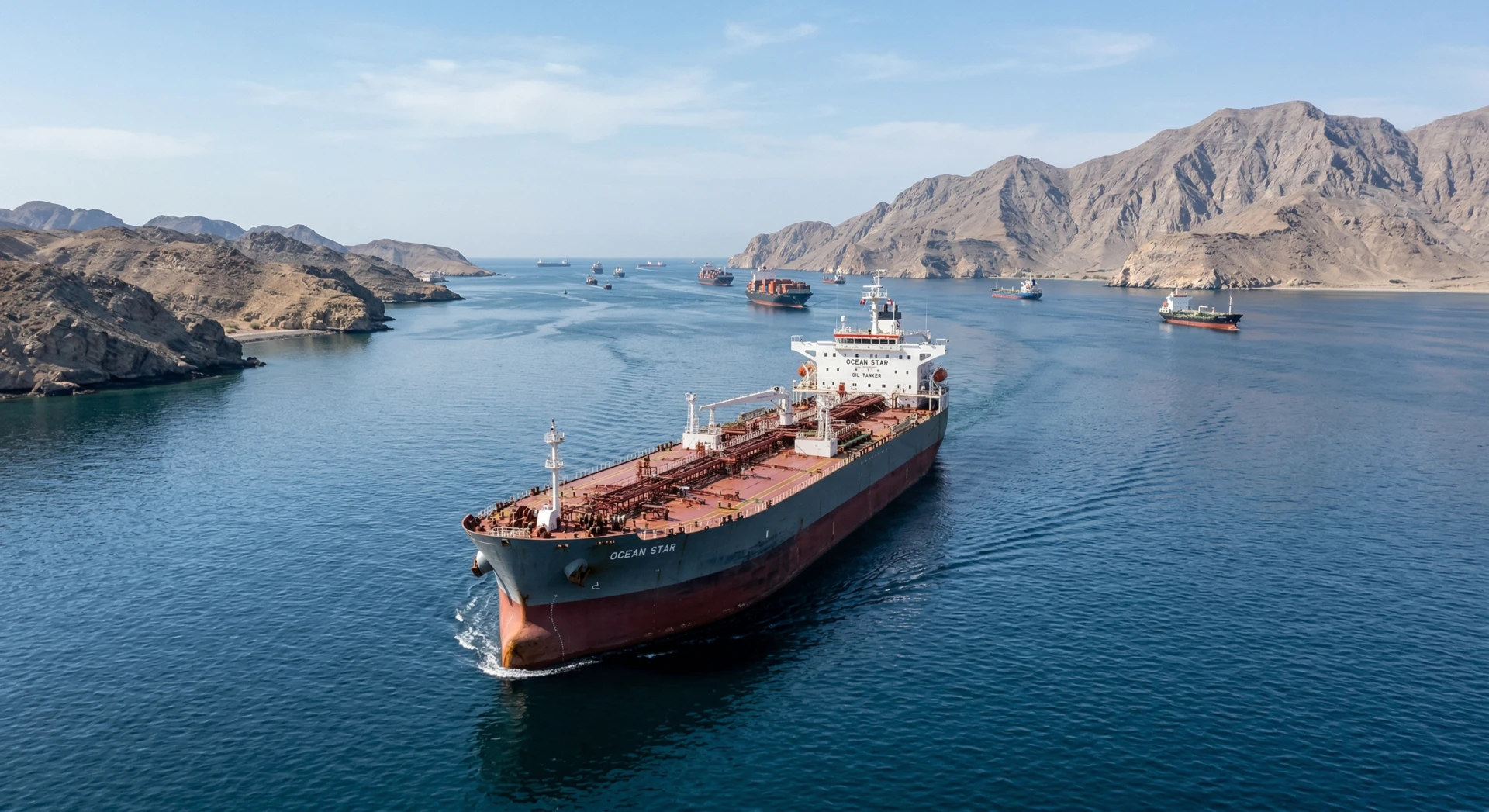
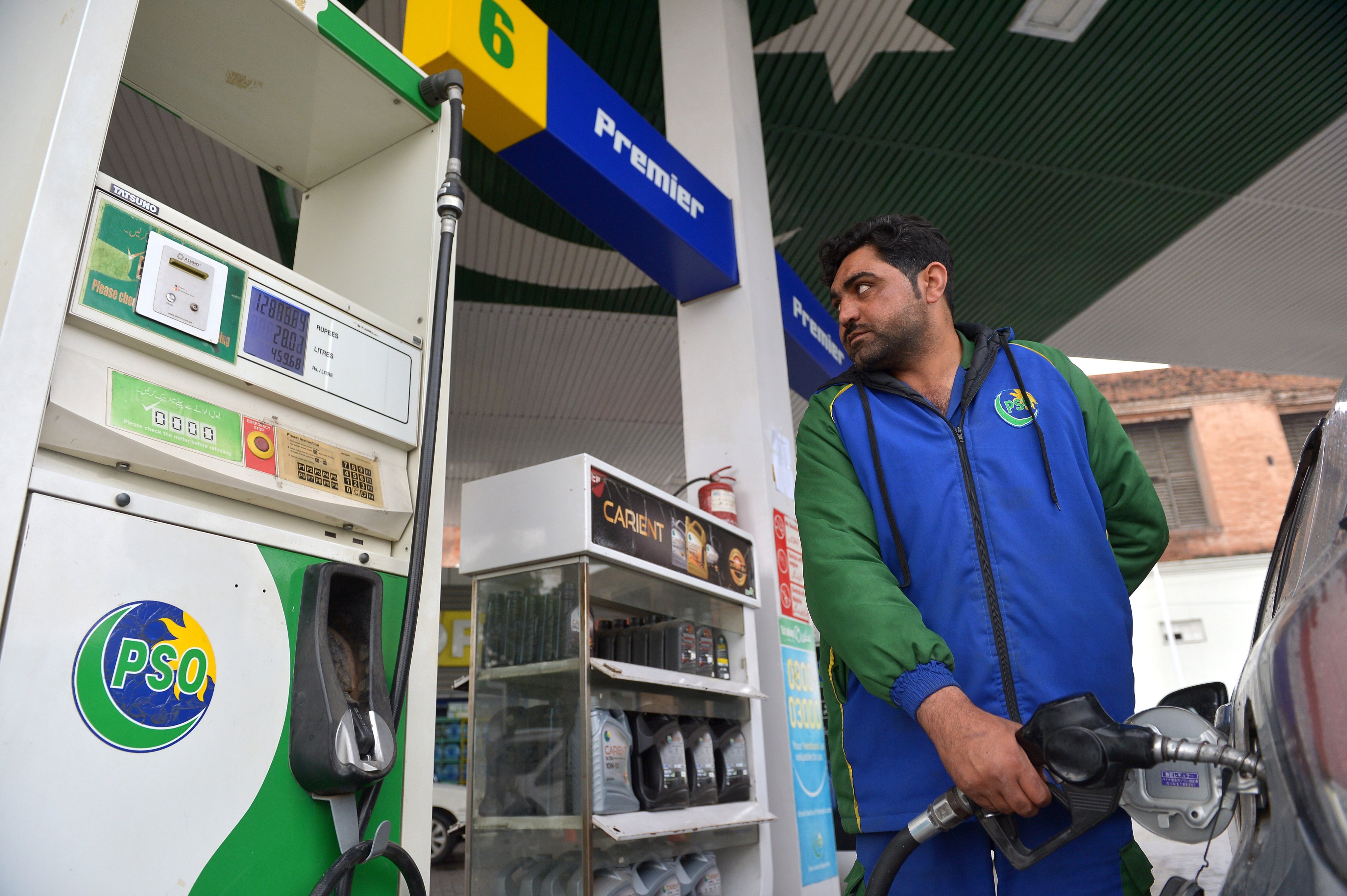
Iraq fuel traders are seeing margins compress by 3-5% as recurring strikes near the Shalamcha border crossing disrupt the steady flow of Iranian arbitrage traffic. The crossing serves as a critical valve for Iranians accessing cheaper Iraqi refined products particularly gasoline and diesel along with basic commodities. When airstrikes cut power and halt movement for several hours at a time, as happened in the early morning disruption that paralyzed trade until mid-morning, distributors lose both volume and pricing power. The immediate hit comes from fixed overhead costs spread across reduced throughput, while the broader margin pressure reflects growing risk premiums that buyers demand for cross-border transactions.
The mechanics favor sellers with storage flexibility over those dependent on just-in-time flows. Distributors holding inventory can ride out 6-8 hour disruptions without major loss, but those operating on thin working capital face immediate squeeze when border closures prevent planned deliveries. Iranian buyers primarily civilians seeking cheaper fuel and internet access unavailable at home represent a predictable demand base, but their risk tolerance varies sharply. Some continue crossing despite security concerns, while others delay purchases when tensions spike, creating volatile demand patterns that make inventory planning increasingly difficult for Iraqi distributors.
Buyers with established Iranian customer relationships might consider negotiating risk-sharing arrangements though success depends heavily on counterparty creditworthiness and political connections. Sellers, meanwhile, find themselves weighing storage costs against the premium they can extract during post-disruption demand surges. The crossing's strategic importance means complete closure remains unlikely, but the frequency of temporary halts continues climbing. For distributors watching from other border regions, the Shalamcha situation offers a preview of how geopolitical volatility translates into operational headaches and compressed margins across seemingly stable trade routes.
The broader uncertainty centers on escalation risk, with Iranian officials warning of 'strong response' to potential ground operations while cross-border commerce continues despite mounting security concerns. Traders face the uncomfortable reality that border disruptions have become routine rather than exceptional, fundamentally altering the risk-return calculus for Iraqi fuel distribution. The current pattern brief closures followed by rapid resumption may not hold if the conflict intensifies, potentially forcing a complete reassessment of cross-border supply strategies. What remains unclear is whether distributors can pass through rising risk costs to end consumers or must absorb them as permanent margin compression.
.jpg)
.jpg)

'%3e%3cg id='Final-Copy-2_2_' transform='translate(1275.000000, 200.000000)'%3e%3cpath class='st0' d='M7.4,12.8h6.8l3.1-11.6H7.4C4.2,1.2,1.6,3.8,1.6,7S4.2,12.8,7.4,12.8z'/%3e%3c/g%3e%3c/g%3e%3c/g%3e%3cg id='final---dec.11-2020'%3e%3cg id='_x30_208-our-toggle' transform='translate(-1275.000000, -200.000000)'%3e%3cg id='Final-Copy-2' transform='translate(1275.000000, 200.000000)'%3e%3cpath class='st1' d='M22.6,0H7.4c-3.9,0-7,3.1-7,7s3.1,7,7,7h15.2c3.9,0,7-3.1,7-7S26.4,0,22.6,0z M1.6,7c0-3.2,2.6-5.8,5.8-5.8 h9.9l-3.1,11.6H7.4C4.2,12.8,1.6,10.2,1.6,7z'/%3e%3cpath id='x' class='st2' d='M24.6,4c0.2,0.2,0.2,0.6,0,0.8l0,0L22.5,7l2.2,2.2c0.2,0.2,0.2,0.6,0,0.8c-0.2,0.2-0.6,0.2-0.8,0 l0,0l-2.2-2.2L19.5,10c-0.2,0.2-0.6,0.2-0.8,0c-0.2-0.2-0.2-0.6,0-0.8l0,0L20.8,7l-2.2-2.2c-0.2-0.2-0.2-0.6,0-0.8 c0.2-0.2,0.6-0.2,0.8,0l0,0l2.2,2.2L23.8,4C24,3.8,24.4,3.8,24.6,4z'/%3e%3cpath id='y' class='st3' d='M12.7,4.1c0.2,0.2,0.3,0.6,0.1,0.8l0,0L8.6,9.8C8.5,9.9,8.4,10,8.3,10c-0.2,0.1-0.5,0.1-0.7-0.1l0,0 L5.4,7.7c-0.2-0.2-0.2-0.6,0-0.8c0.2-0.2,0.6-0.2,0.8,0l0,0L8,8.6l3.8-4.5C12,3.9,12.4,3.9,12.7,4.1z'/%3e%3c/g%3e%3c/g%3e%3c/g%3e%3c/g%3e%3c/svg%3e) Privacy Choices
Privacy Choices