.avif)
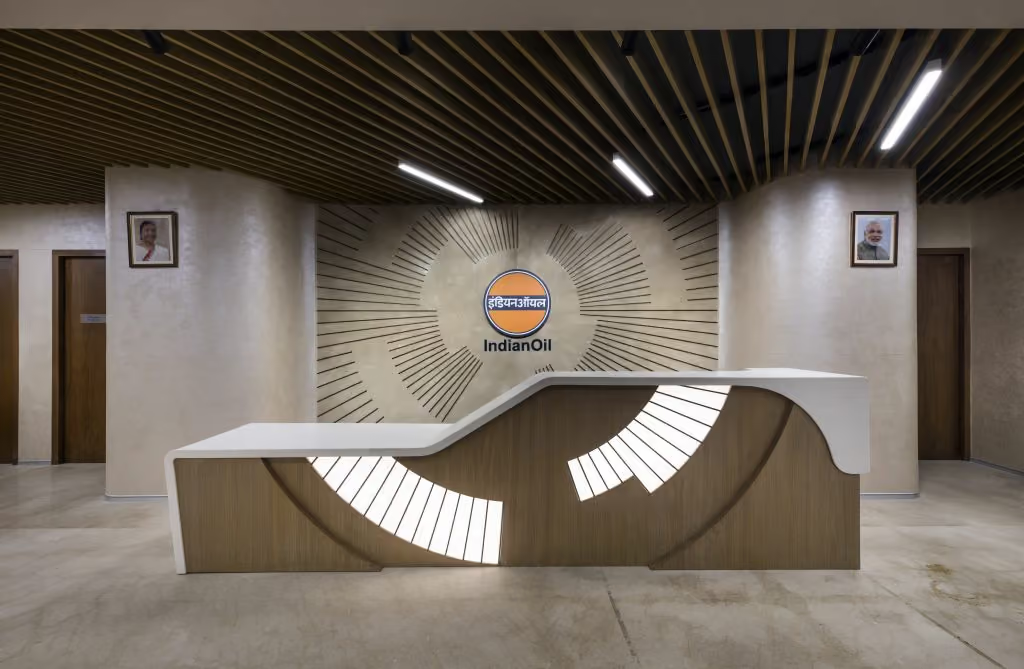
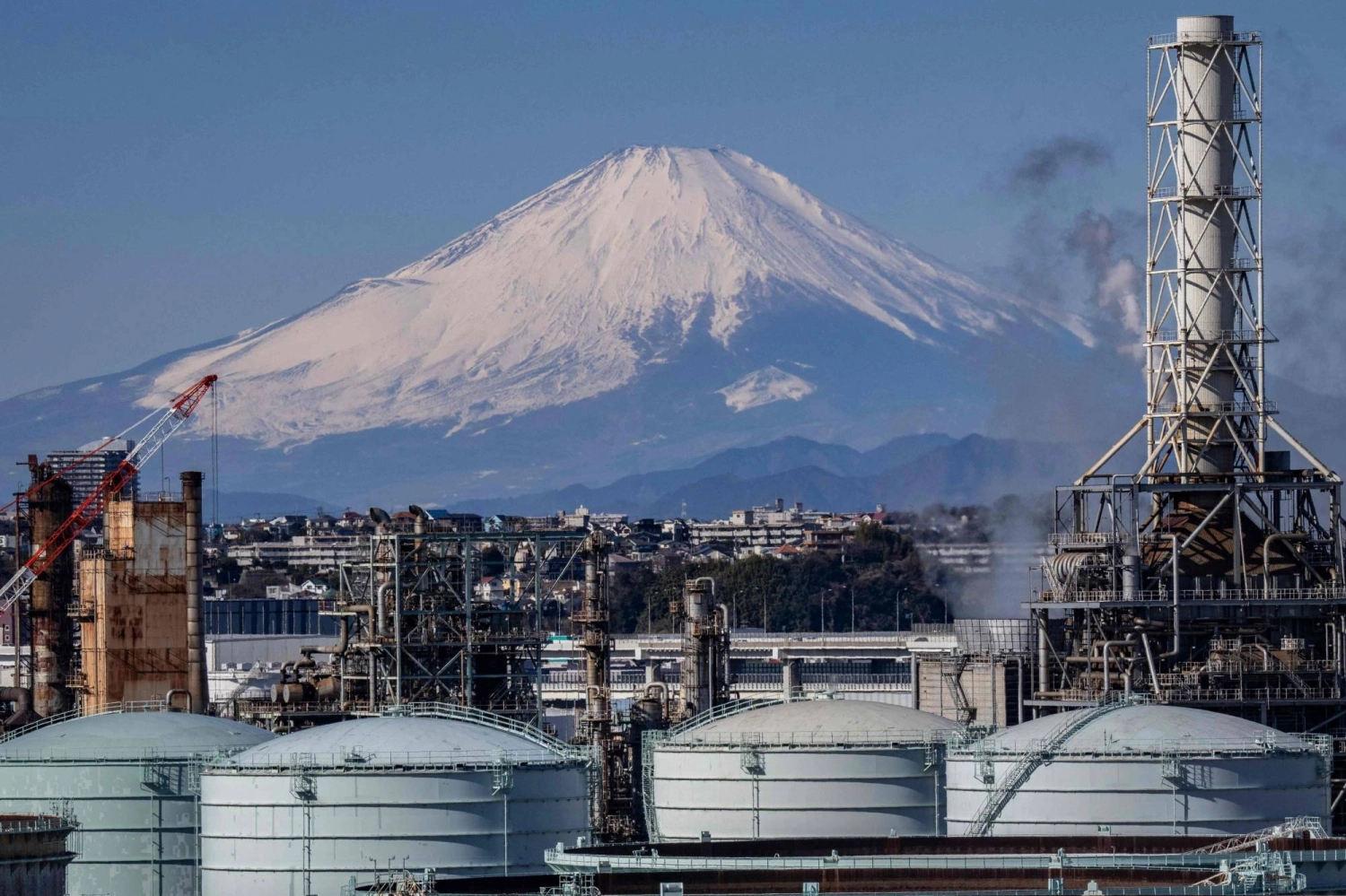
Private fuel retailers across India faced volume losses worth millions of rupees in May 2026 after IndianOil's pricing structure enabled it to capture market share from higher priced private outlets amid harvest driven demand spikes that pushed diesel consumption 18% higher than 2025 levels. IndianOil India's largest state oil refiner, operating over 42,000 petrol stations nationwide can offer fuel at effective discounts through implicit state subsidies that private retailers cannot match through operational efficiency alone. The state refiner reported petrol sales rising 14% year over year and diesel sales climbing 18% during May 1-22, 2026, while Brent crude traded at $103.94/barrel on May 22, creating margin pressure across India's fragmented retail fuel sector.
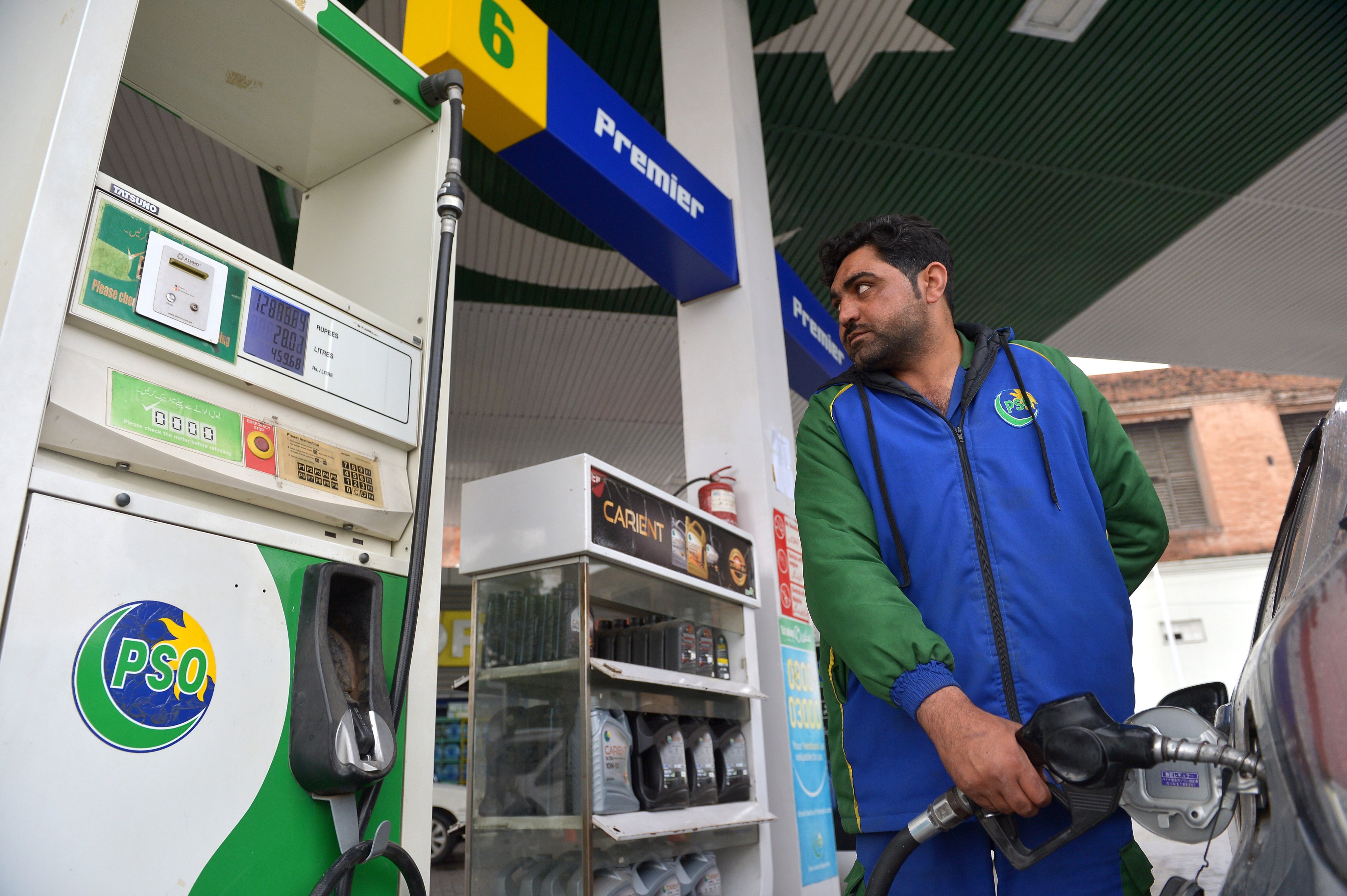
On the buy side: institutional and commercial buyers increasingly migrated to state-owned outlets as bulk fuel supplies were priced significantly higher in line with international market rates, while harvest season farmers concentrated diesel purchases at PSU stations offering better net pricing. A mid-sized commercial fleet operator purchasing 50,000 litres monthly saves approximately ₹1.50-2.00 per litre by shifting from private to IndianOil stations translating to ₹75,000-100,000 monthly savings that cannot be ignored during peak operational periods. On the sell side: private fuel retailers faced customer defection as retail prices at certain private outlets were relatively higher compared to PSU operated stations, with some private operators seeing 15-20% volume drops at locations competing directly with IndianOil outlets.
A backwardation structure where near-term prices exceed forward prices typically signals that buyers need physical supply immediately rather than later. India's fuel retail market demonstrates institutional backwardation: immediate delivery diesel at private stations costs ₹2-3 more per litre than PSU equivalents, but forward contracts for bulk institutional supply reverse this relationship. IndianOil acknowledged that only a "very small number" of its 42,000+ stations experienced supply disruptions, while private retailers concentrated in the same catchments reported 20-30% volume declines. The structural advantage stems from IndianOil's refinery to retail integration and state backing, allowing it to absorb temporary margin compression that would bankrupt private operators.
For large integrated oil companies (Indian Oil, Bharat Petroleum, Hindustan Petroleum) with refinery assets: the margin capture occurs at the retail level while refinery operations benefit from elevated crack spreads the difference between crude input costs and refined product prices. With Brent remaining nearly 50% above pre-war levels and crude prices surging past $110 per barrel during the early 2026 Strait of Hormuz crisis, integrated margins remain positive despite retail pricing pressure. For smaller regional private retailers independent distributors, single site operators, franchise holders without refinery integration: the volume loss to state competitors eliminates fixed cost absorption, forcing either exit or consolidation with larger private networks.
For observers: IndianOil confirmed it was "closely monitoring the situation with other oil marketing companies" and maintaining "adequate overall stocks and supplies" despite the sustained exceptionally high growth in demand. The key signal is PSU retail market share data from the Petroleum Planning and Analysis Cell (PPAC), released monthly with a 6 week lag. If IndianOil's market share rises above 52% (from its current ~49%), private retailers face structural displacement rather than cyclical pressure. Watch for continued fuel price revisions the third in 10 days occurred May 23, with petrol rising ₹0.87/litre and diesel ₹0.91/litre. This frequency suggests OMCs can no longer maintain price stability without risking solvency.
.jpg)

'%3e%3cg id='Final-Copy-2_2_' transform='translate(1275.000000, 200.000000)'%3e%3cpath class='st0' d='M7.4,12.8h6.8l3.1-11.6H7.4C4.2,1.2,1.6,3.8,1.6,7S4.2,12.8,7.4,12.8z'/%3e%3c/g%3e%3c/g%3e%3c/g%3e%3cg id='final---dec.11-2020'%3e%3cg id='_x30_208-our-toggle' transform='translate(-1275.000000, -200.000000)'%3e%3cg id='Final-Copy-2' transform='translate(1275.000000, 200.000000)'%3e%3cpath class='st1' d='M22.6,0H7.4c-3.9,0-7,3.1-7,7s3.1,7,7,7h15.2c3.9,0,7-3.1,7-7S26.4,0,22.6,0z M1.6,7c0-3.2,2.6-5.8,5.8-5.8 h9.9l-3.1,11.6H7.4C4.2,12.8,1.6,10.2,1.6,7z'/%3e%3cpath id='x' class='st2' d='M24.6,4c0.2,0.2,0.2,0.6,0,0.8l0,0L22.5,7l2.2,2.2c0.2,0.2,0.2,0.6,0,0.8c-0.2,0.2-0.6,0.2-0.8,0 l0,0l-2.2-2.2L19.5,10c-0.2,0.2-0.6,0.2-0.8,0c-0.2-0.2-0.2-0.6,0-0.8l0,0L20.8,7l-2.2-2.2c-0.2-0.2-0.2-0.6,0-0.8 c0.2-0.2,0.6-0.2,0.8,0l0,0l2.2,2.2L23.8,4C24,3.8,24.4,3.8,24.6,4z'/%3e%3cpath id='y' class='st3' d='M12.7,4.1c0.2,0.2,0.3,0.6,0.1,0.8l0,0L8.6,9.8C8.5,9.9,8.4,10,8.3,10c-0.2,0.1-0.5,0.1-0.7-0.1l0,0 L5.4,7.7c-0.2-0.2-0.2-0.6,0-0.8c0.2-0.2,0.6-0.2,0.8,0l0,0L8,8.6l3.8-4.5C12,3.9,12.4,3.9,12.7,4.1z'/%3e%3c/g%3e%3c/g%3e%3c/g%3e%3c/g%3e%3c/svg%3e) Privacy Choices
Privacy Choices