.avif)
.avif)
US gasoline prices hit $4.56 per gallon nationally as Memorial Day weekend began, up $1.38 from last year, while jet fuel prices nearly tripled after Middle Eastern exports were cut off. The combined effect creates an impossible optimization problem for refineries: refinery throughputs plunge by 4.5 million barrels per day in the second quarter while refining margins remain at historically high levels. For complex refiners capable of switching product slate, this represents a windfall. For everyone else, it means watching margins evaporate as input costs spike faster than output prices.
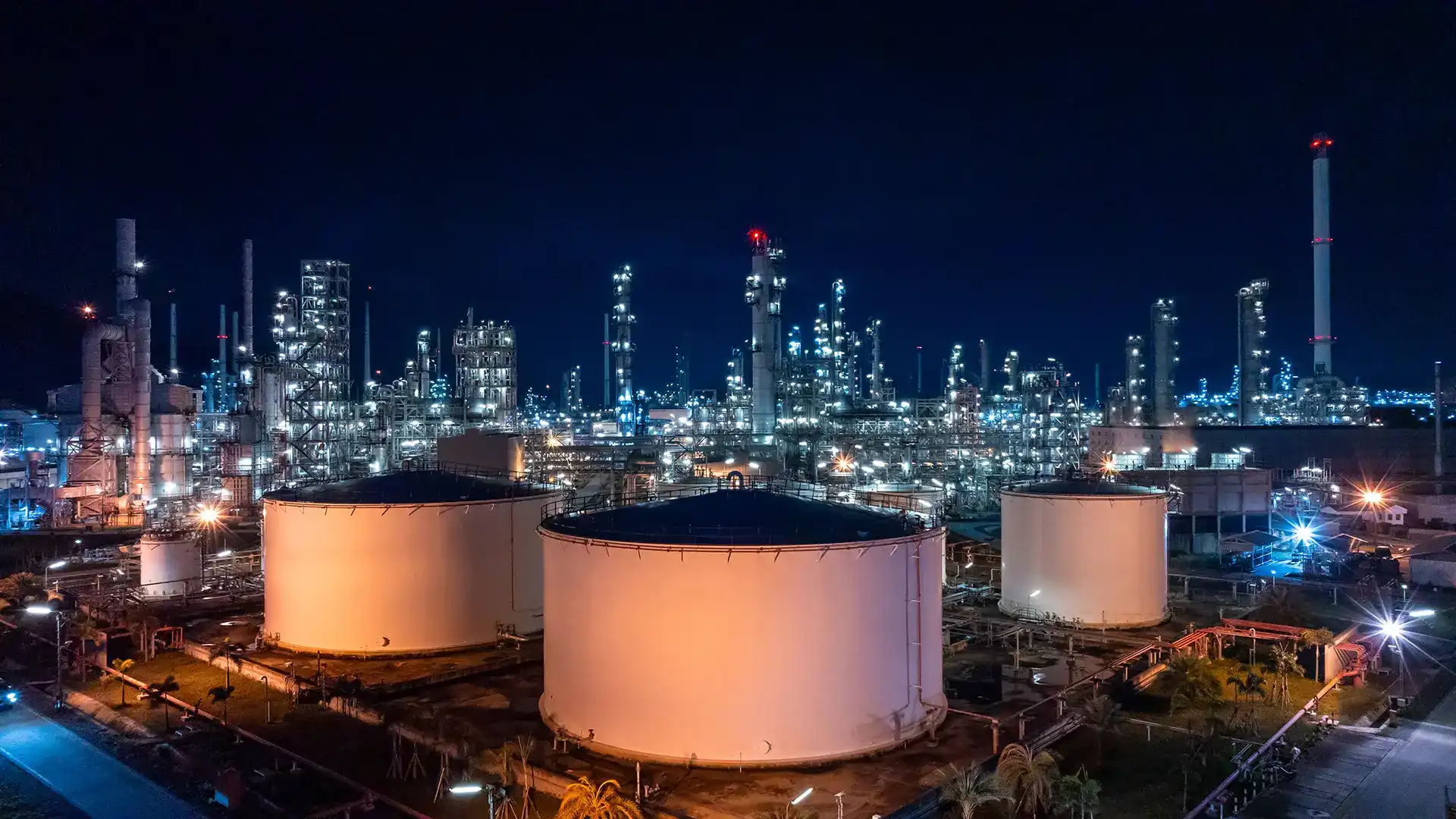
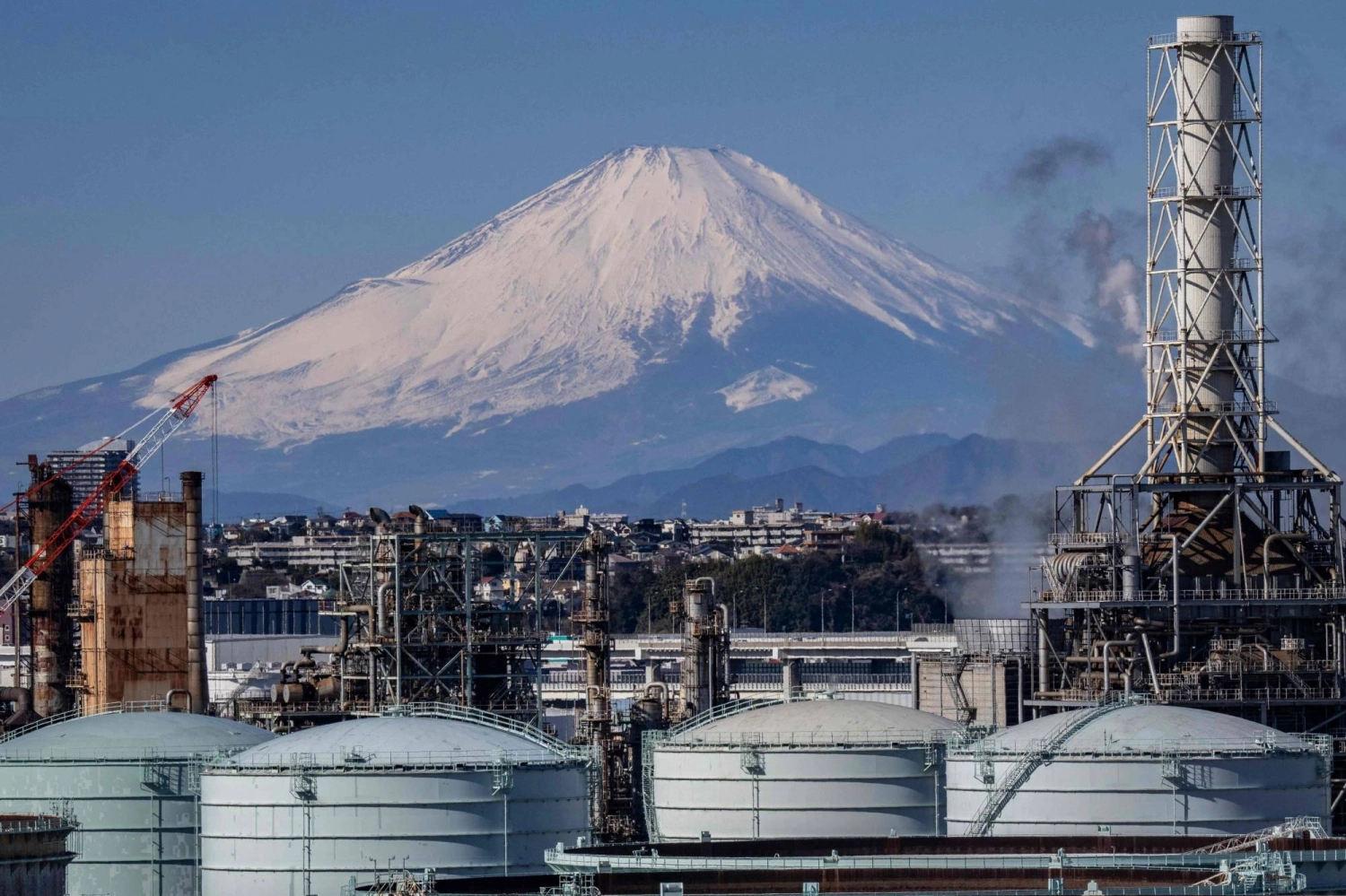
A typical US complex refinery Valero's Port Arthur or Marathon's Galveston Bay facilities processes 500,000 barrels per day with flexible product optimization. Jet fuel prices increased significantly, in some cases more than doubling compared to the previous month, creating a $45-50/barrel premium over gasoline. Before February, gasoline represented 45% of output, jet fuel 12%. Today, that same refinery optimizes toward 35% gasoline, 25% jet fuel capturing the premium at the expense of driving season demand. The 10% gasoline yield reduction on 500,000 bpd equals 50,000 barrels daily, or roughly $2.3 million in foregone gasoline revenue but $4.5 million in additional jet fuel margin.
This optimization constraint explains why gasoline prices have increased more than 50% since the U.S. and Israel began the war with Iran on Feb. 28 despite record demand. Roughly 39 million people are expected to travel by car over the Memorial Day holiday, exceeding last year's total, but refineries cannot satisfy both aviation and automotive fuel demand simultaneously. The Strait of Hormuz closure through which 25% of the world's seaborne oil trade and 20% of the world's liquefied natural gas (LNG) passed forces a zero-sum transfer between product streams that benefits whoever controls the scarce jet fuel barrels.
On the buy side: Independent fuel distributors and regional gasoline marketers face margin compression impossible to hedge. Casey's General Stores or Murphy USA cannot forward purchase gasoline at locked prices when their suppliers' optimization models shift weekly based on relative product premiums. Their delivered cost per gallon rises $0.15-0.20 beyond crude oil price increases as refineries prioritize jet fuel output. A regional chain operating 500 stations selling 2 million gallons daily faces an additional $300,000-400,000 in daily procurement costs with no mechanism to recover the differential through retail pricing in competitive markets.
On the sell side: Integrated refiners with aviation fuel capability Phillips 66, Valero, Marathon capture the product slate arbitrage while crude only operators lose on both ends. Crude input costs have risen 43.36% over the past 12 months, though they've fallen 11.28% in the past 4 weeks, but simple refineries cannot access the jet fuel premium that justifies higher feedstock prices. HollyFrontier's refineries, designed for gasoline and diesel, pay Brent-plus premiums for crude but generate WTI-minus realizations on products as jet fuel scarcity inflates relative values they cannot capture.
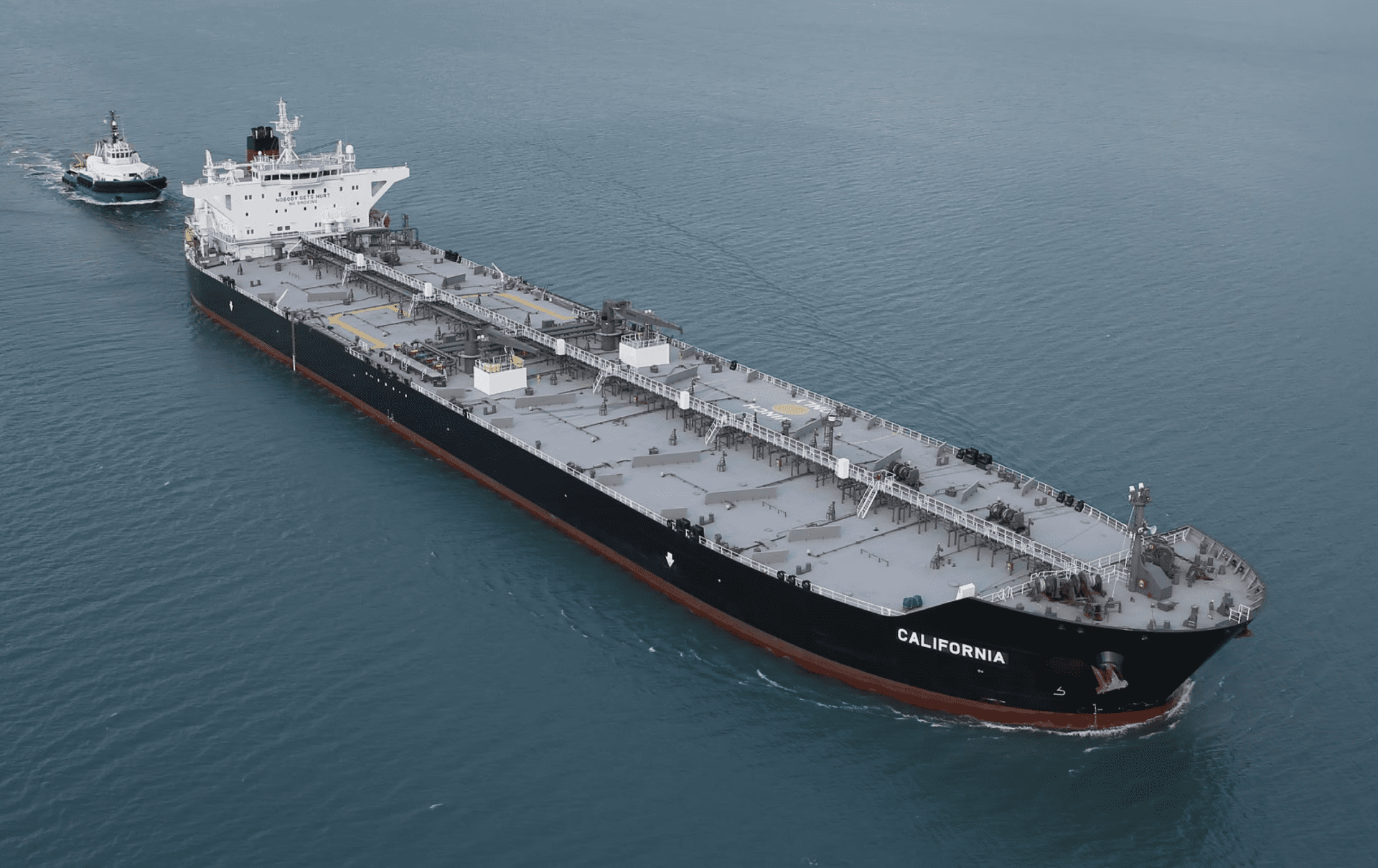
For large integrated traders Vitol, Trafigura, Koch the disruption creates pure arbitrage. European jet fuel shortages mean concerns raised over potential fuel shortages within weeks if supply conditions did not stabilise while US refineries optimize output toward aviation fuel. A ULCC (Ultra Large Crude Carrier) loaded with jet fuel from US Gulf Coast refineries to Amsterdam realizes $8-12 million in voyage profits versus the $2-3 million typical freight arbitrage. These operators hedge the floating cargo with Brent futures and ICE Gas Oil, locking profits regardless of absolute price movements. Access to derivatives markets transforms product optimization constraints into pure margin capture.
For smaller regional operators independent refineries, fuel distributors, convenience store chains the constraints offer no equivalent hedging instruments. Jet fuel futures exist but lack liquidity for material hedging. Gasoline futures trade actively but don't capture the relative value shift that drives the actual cost structure. Practical alternatives include bilateral supply agreements with fixed product premiums, diversifying supplier base across different refinery configurations, or adjusting inventory cycles to minimize exposure to short-term optimization volatility. None fully replaces derivatives access, but they limit exposure to product slate arbitrage.
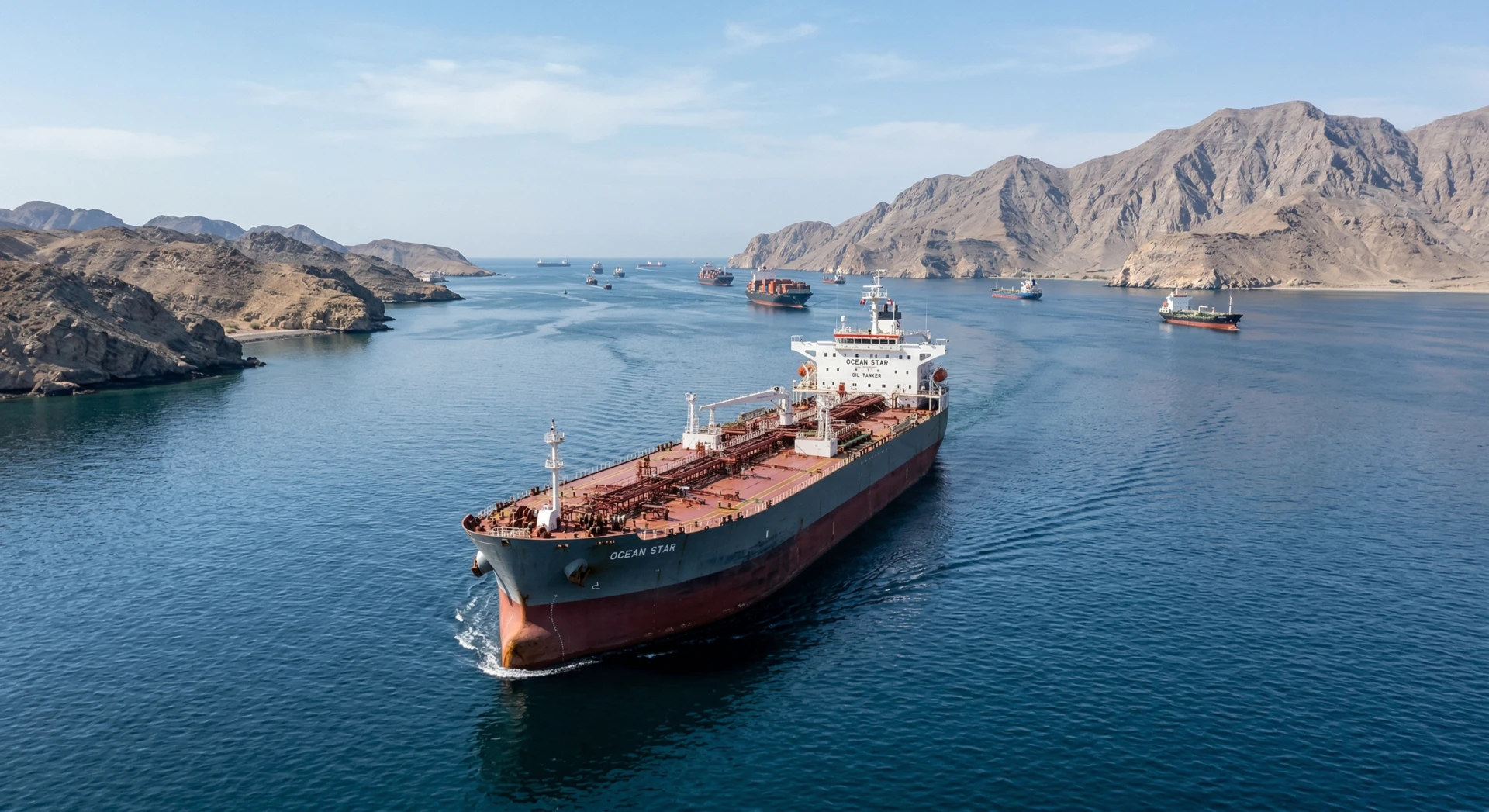
The freight dimension magnifies these distortions through a parallel optimization squeeze. Refiners are adapting to the crisis, with new trade flows emerging to compensate for lost Gulf product exports. A product tanker carrying gasoline from US Gulf Coast to West Africa replacing typical Middle East supply earns $85,000 daily versus $35,000 on traditional routes. Jet fuel cargoes to Europe command $120,000 daily. The vessel operator captures this premium, not the cargo owner. For refineries, freight becomes an additional variable cost that further incentivizes optimizing toward highest-value products capable of bearing premium transportation costs. Gasoline margins cannot support $50,000 additional freight; jet fuel margins absorb it entirely.
For observers, Brent crude oil spot prices are expected to average $106/b in May and June, having reached a high of $138 per barrel on April 7 provides the key signal. When Brent-WTI spreads narrow below $3/barrel within the next 45 days, it indicates US refineries are accessing sufficient crude input to resume normal gasoline production. Until then, product slate optimization continues favoring jet fuel, keeping gasoline prices elevated regardless of absolute crude oil levels. The arbitrage closes when supply chain normalization removes the scarcity premium from aviation fuel, estimated by analysts to require Strait of Hormuz throughput recovery to 60% of normal levels.

.jpg)

'%3e%3cg id='Final-Copy-2_2_' transform='translate(1275.000000, 200.000000)'%3e%3cpath class='st0' d='M7.4,12.8h6.8l3.1-11.6H7.4C4.2,1.2,1.6,3.8,1.6,7S4.2,12.8,7.4,12.8z'/%3e%3c/g%3e%3c/g%3e%3c/g%3e%3cg id='final---dec.11-2020'%3e%3cg id='_x30_208-our-toggle' transform='translate(-1275.000000, -200.000000)'%3e%3cg id='Final-Copy-2' transform='translate(1275.000000, 200.000000)'%3e%3cpath class='st1' d='M22.6,0H7.4c-3.9,0-7,3.1-7,7s3.1,7,7,7h15.2c3.9,0,7-3.1,7-7S26.4,0,22.6,0z M1.6,7c0-3.2,2.6-5.8,5.8-5.8 h9.9l-3.1,11.6H7.4C4.2,12.8,1.6,10.2,1.6,7z'/%3e%3cpath id='x' class='st2' d='M24.6,4c0.2,0.2,0.2,0.6,0,0.8l0,0L22.5,7l2.2,2.2c0.2,0.2,0.2,0.6,0,0.8c-0.2,0.2-0.6,0.2-0.8,0 l0,0l-2.2-2.2L19.5,10c-0.2,0.2-0.6,0.2-0.8,0c-0.2-0.2-0.2-0.6,0-0.8l0,0L20.8,7l-2.2-2.2c-0.2-0.2-0.2-0.6,0-0.8 c0.2-0.2,0.6-0.2,0.8,0l0,0l2.2,2.2L23.8,4C24,3.8,24.4,3.8,24.6,4z'/%3e%3cpath id='y' class='st3' d='M12.7,4.1c0.2,0.2,0.3,0.6,0.1,0.8l0,0L8.6,9.8C8.5,9.9,8.4,10,8.3,10c-0.2,0.1-0.5,0.1-0.7-0.1l0,0 L5.4,7.7c-0.2-0.2-0.2-0.6,0-0.8c0.2-0.2,0.6-0.2,0.8,0l0,0L8,8.6l3.8-4.5C12,3.9,12.4,3.9,12.7,4.1z'/%3e%3c/g%3e%3c/g%3e%3c/g%3e%3c/g%3e%3c/svg%3e) Privacy Choices
Privacy Choices