.avif)
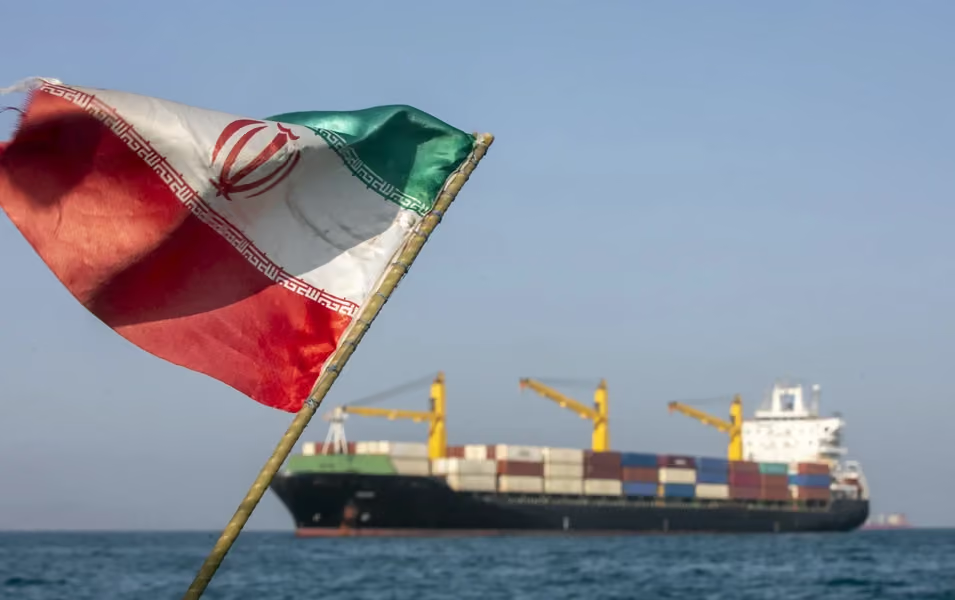
Crude oil traders holding long positions on a Hormuz reopening thesis are facing the wrong catalyst: Brent settled at $87.33 a barrel on 12 June 2026, a three month low, while the strait remains physically closed and the price is still falling.
The Strait of Hormuz the 33 kilometre wide chokepoint between Oman and Iran through which roughly 20% of the world's seaborne oil flows daily has been shut since late February. By every conventional supply disruption model, that closure should be holding Brent near the EIA's forecast of $105 a barrel for June and July. Instead, the screen settled $18 below that estimate on a week when President Trump signalled a deal was imminent and Qatari mediators flew to Tehran on 14 June to finalise a sixty day ceasefire extension. The price did not rally on the deal rumour. It fell 7.7% on the week from $94.66. That divergence closure still in place, price still declining is the market's explicit verdict on what is driving crude in mid-2026. It is not supply. It is demand, and the demand signal is coming from one place: China.
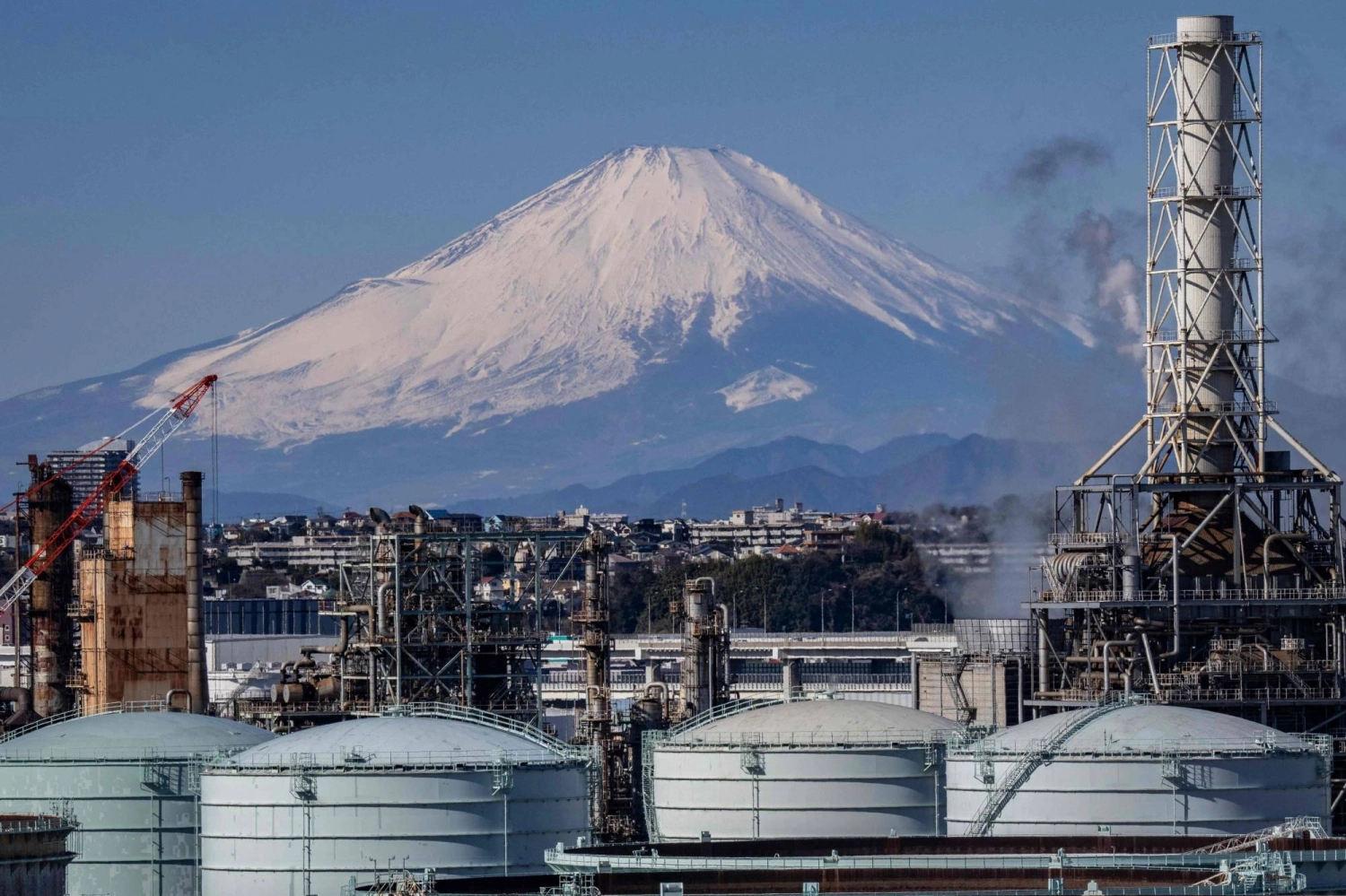
China, the world's largest crude importer, bought approximately 7.8 million barrels per day in May 2026, according to official customs data an eight year low and roughly 33% below its 2025 average pace. To absorb the loss of Gulf barrels arriving via the Hormuz route, Chinese refiners cut processing runs and drew down strategic and commercial inventory stockpiles rather than bid aggressively for expensive alternative supplies. The result is a demand-side hole of more than 3 million barrels per day that no supply disruption model has adequately priced. The $18 gap between the EIA's $105 model price and the $87 screen is not noise. It is the market explicitly telling traders that the thing the model cannot see Chinese demand destruction is now the dominant variable. European refiners and portfolio managers watching the EIA's June Short-Term Energy Outlook for directional guidance should note that the agency's own 2027 average forecast of $79 a barrel is already closer to where Brent is trading than its own current-quarter supply model. The market has skipped ahead.
Here is the arithmetic that frames every crude trading decision for the next ninety days. If Hormuz reopens and Iranian barrels suppressed by sanctions and the closure return to market, call it an incremental 1.0 to 1.5 million barrels per day of additional supply. Gulf producers idled by the crisis add another 0.5 to 1.0 million barrels per day as logistics normalise. Against a Chinese demand base running 3 million barrels per day below trend, that returning volume does not fill a gap it creates a surplus. A surplus of even 1 million barrels per day sustained over a quarter builds approximately 90 million barrels of additional inventory. At current storage economics, with Cushing, Oklahoma the delivery point for US crude futures and European terminals already managing tight operational capacity, that volume has nowhere to go but into the price, as a discount. The EIA's $79 for 2027 is not a distant forecast. At the current trajectory of Chinese imports and the prospective return of Gulf and Iranian supply, it is an arrival point that the market may reach well before year-end. The reopening everyone is bracing for as a relief rally is, structurally, the sell signal.
On the buy side, Chinese state refiners Sinopec and PetroChina are already in a structurally advantageous position: they have run down inventory to absorb the crisis and will be first-movers to restock at lower prices when Iranian and Gulf barrels return. For a Chinese refiner with long-standing term contracts, the reopening is a margin event, not a price shock they lock in cheap feedstock into a recovery in domestic fuel demand that Beijing is actively stimulating. On the sell side, the pressure falls immediately on producers whose fiscal budgets are calibrated to higher prices. Saudi Arabia's 2026 fiscal breakeven the oil price the kingdom needs to balance its national budget is widely estimated at $90 to $96 a barrel, depending on the source. At $87 and falling, Riyadh is already in deficit territory on every barrel it exports. OPEC+ the alliance of the Organisation of Petroleum Exporting Countries and allied producers including Russia faces the structural contradiction that any production cut sufficient to defend price requires cooperation from members whose immediate revenue need is to produce more, not less. That contradiction does not resolve easily, and the market knows it.
The Russian dimension compounds the bearish case through a separate mechanism. Russian crude export revenue had fallen to approximately €374 million per day in April down 9% month on month driven primarily by a 24% month on month collapse in seaborne export volumes after Ukrainian drone strikes targeted Russian refining and export infrastructure, including facilities at Ryazan, Kirishi and Nizhny Novgorod. The Brent price during April was elevated by the Hormuz crisis the revenue compression was not a price story but a volume story: drones achieved what sanctions never did. The combined effect of that drone driven volume loss and the subsequent Brent slide as Hormuz negotiations advanced is a revenue compression that three years of Western price cap policy the G7 mechanism limiting the price Western shipping services could charge to carry Russian crude never delivered. A Brent slide toward $79 does to Moscow's war financing what sanctions could not. That is the geopolitical second-order effect of the demand driven price collapse: it is deflationary for Russian state capacity in a way that is structurally durable, not dependent on enforcement.
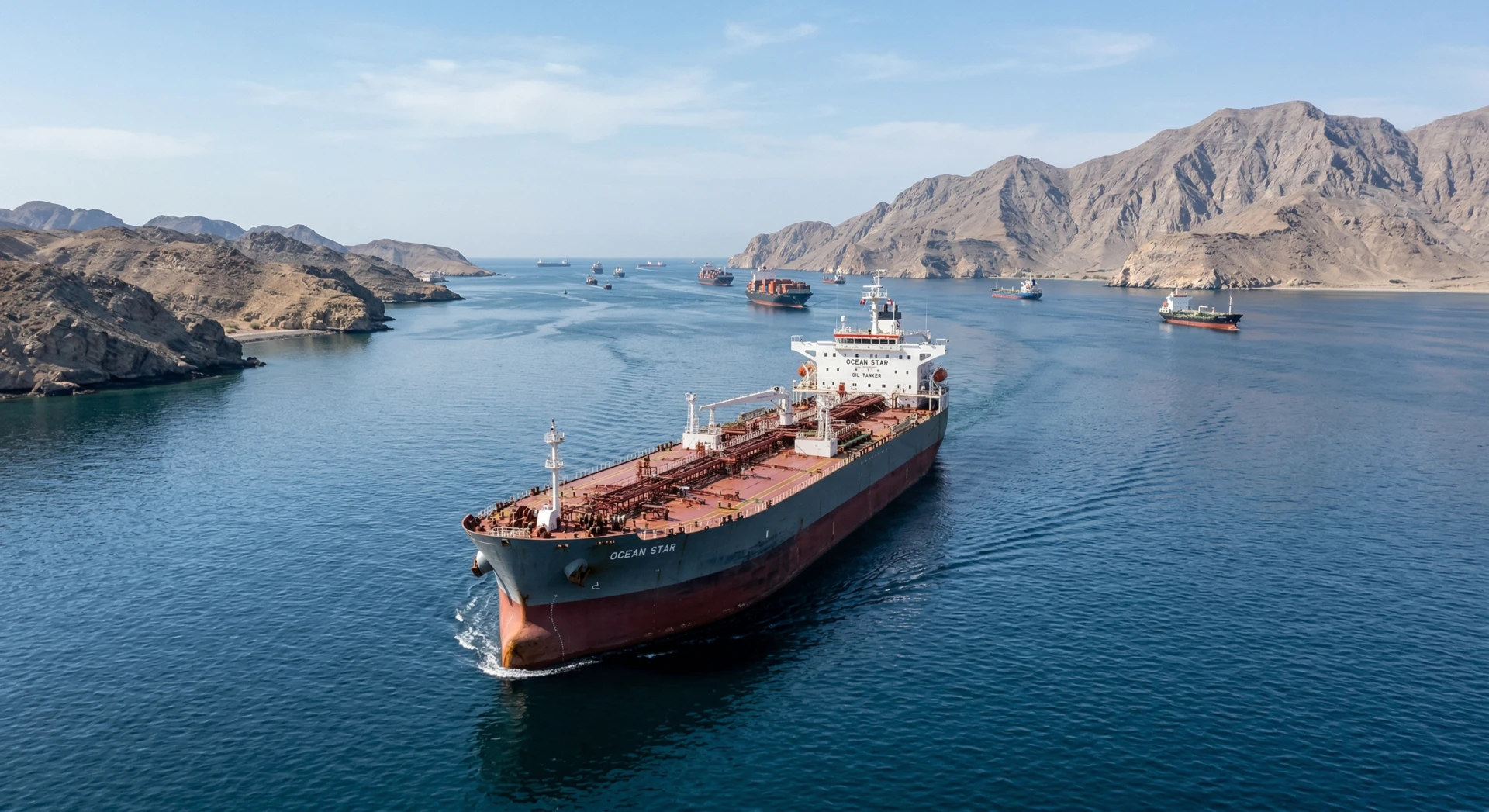
For freight operators on the Middle East Gulf to Asia route the trade lane that moves crude from Basra, Ras Tanura and Abu Dhabi to refineries in China, Japan and South Korea the reopening of Hormuz compresses margins from two directions simultaneously. When the strait was closed, crude cargoes rerouted around the Cape of Good Hope, the southern tip of Africa, adding 10 to 14 days of sailing time and roughly $4 to $6 per metric tonne in additional voyage costs for a VLCC (Very Large Crude Carrier a supertanker capable of loading 2 million barrels or approximately 270,000 metric tonnes). At current VLCC rates, a standard Middle East Gulf to China voyage on the direct Hormuz route earns approximately $10 to $12 per metric tonne around $2.7 to $3.2 million per voyage. The Cape reroute, carrying the additional fuel and time cost, was partly offset by higher freight rates driven by route scarcity. When Hormuz reopens, the direct route reinstates, voyage count per vessel increases, and the rate premium evaporates. For a large integrated trader like Vitol or Trafigura with long-term freight positions, this is a manageable hedge adjustment. For a smaller regional crude importer a mid-sized South Asian refiner chartering vessels voyage by voyage on the spot market the freight normalisation is a net positive for landed cost, but it arrives simultaneously with a falling benchmark, compressing the inventory they bought at higher prices.
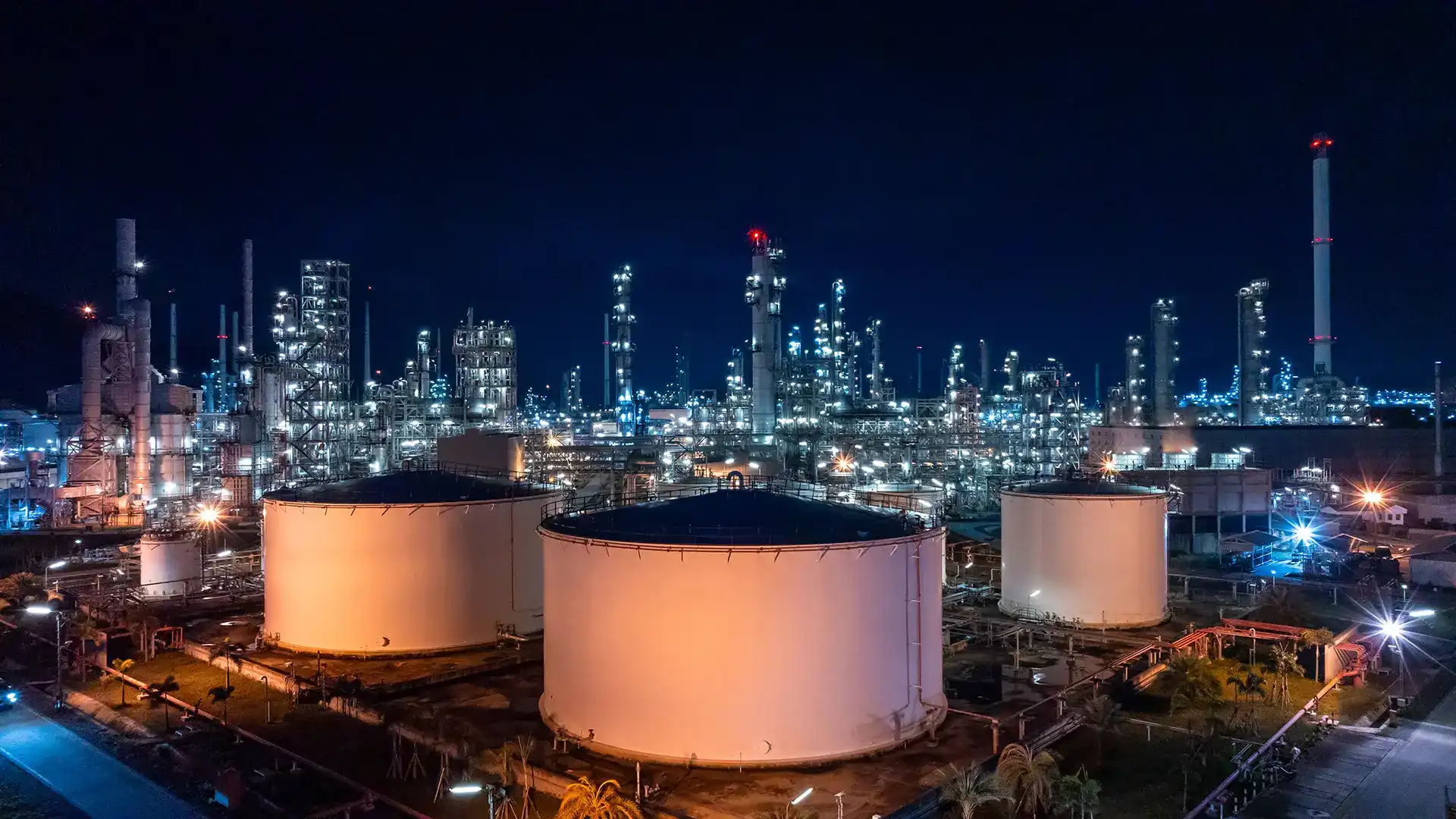
OECD commercial crude inventories stocks held by the thirty eight member nations of the Organisation for Economic Co-operation and Development, used as the primary measure of global supply adequacy are tracking toward their lowest level since December 1990, a thirty five year record low of approximately 50 days of forward cover, according to the IEA June Oil Market Report. In a conventional supply crisis framework, that tightness would be aggressively bullish: markets historically defend against inventory depletion by paying up for near-term supply, creating backwardation a price structure where spot prices trade above forward prices, incentivising destocking. Instead, the forward curve is reflecting the demand signal. The reason OECD stocks are falling is not that supply has been consumed by demand growth it is that Chinese demand has redirected its purchases away from OECD adjacent trade flows, and the physical system has tightened in pockets while the aggregate demand signal remains soft. That distinction matters for anyone using inventory data as a directional indicator: the low stock number is a consequence of trade rerouting, not a signal of genuine end-demand tightening.
For observers tracking the next thirty to sixty days, one signal consolidates the picture: watch the Brent front month versus December 2026 spread the price difference between crude for immediate delivery and crude for delivery in six months. If that spread moves from the current mild backwardation into contango where forward prices exceed spot, meaning the market is no longer rationing near-term supply it will confirm that the market has absorbed the Hormuz closure as a non-event and is pricing the returning supply surplus. The IEA's monthly Oil Market Report, published on the second Wednesday of each month, will be the first systematic data source to revise Chinese demand figures when June import numbers arrive in mid-July. If May's 7.8 million barrels per day prints as a trend rather than a one month anomaly, the EIA's $79 average becomes the consensus, not the outlier. Crude traders long oil on a reopening spike thesis have, at most, sixty days of data before that consensus closes around them.

.jpg)
.jpg)

'%3e%3cg id='Final-Copy-2_2_' transform='translate(1275.000000, 200.000000)'%3e%3cpath class='st0' d='M7.4,12.8h6.8l3.1-11.6H7.4C4.2,1.2,1.6,3.8,1.6,7S4.2,12.8,7.4,12.8z'/%3e%3c/g%3e%3c/g%3e%3c/g%3e%3cg id='final---dec.11-2020'%3e%3cg id='_x30_208-our-toggle' transform='translate(-1275.000000, -200.000000)'%3e%3cg id='Final-Copy-2' transform='translate(1275.000000, 200.000000)'%3e%3cpath class='st1' d='M22.6,0H7.4c-3.9,0-7,3.1-7,7s3.1,7,7,7h15.2c3.9,0,7-3.1,7-7S26.4,0,22.6,0z M1.6,7c0-3.2,2.6-5.8,5.8-5.8 h9.9l-3.1,11.6H7.4C4.2,12.8,1.6,10.2,1.6,7z'/%3e%3cpath id='x' class='st2' d='M24.6,4c0.2,0.2,0.2,0.6,0,0.8l0,0L22.5,7l2.2,2.2c0.2,0.2,0.2,0.6,0,0.8c-0.2,0.2-0.6,0.2-0.8,0 l0,0l-2.2-2.2L19.5,10c-0.2,0.2-0.6,0.2-0.8,0c-0.2-0.2-0.2-0.6,0-0.8l0,0L20.8,7l-2.2-2.2c-0.2-0.2-0.2-0.6,0-0.8 c0.2-0.2,0.6-0.2,0.8,0l0,0l2.2,2.2L23.8,4C24,3.8,24.4,3.8,24.6,4z'/%3e%3cpath id='y' class='st3' d='M12.7,4.1c0.2,0.2,0.3,0.6,0.1,0.8l0,0L8.6,9.8C8.5,9.9,8.4,10,8.3,10c-0.2,0.1-0.5,0.1-0.7-0.1l0,0 L5.4,7.7c-0.2-0.2-0.2-0.6,0-0.8c0.2-0.2,0.6-0.2,0.8,0l0,0L8,8.6l3.8-4.5C12,3.9,12.4,3.9,12.7,4.1z'/%3e%3c/g%3e%3c/g%3e%3c/g%3e%3c/g%3e%3c/svg%3e) Privacy Choices
Privacy Choices