.avif)
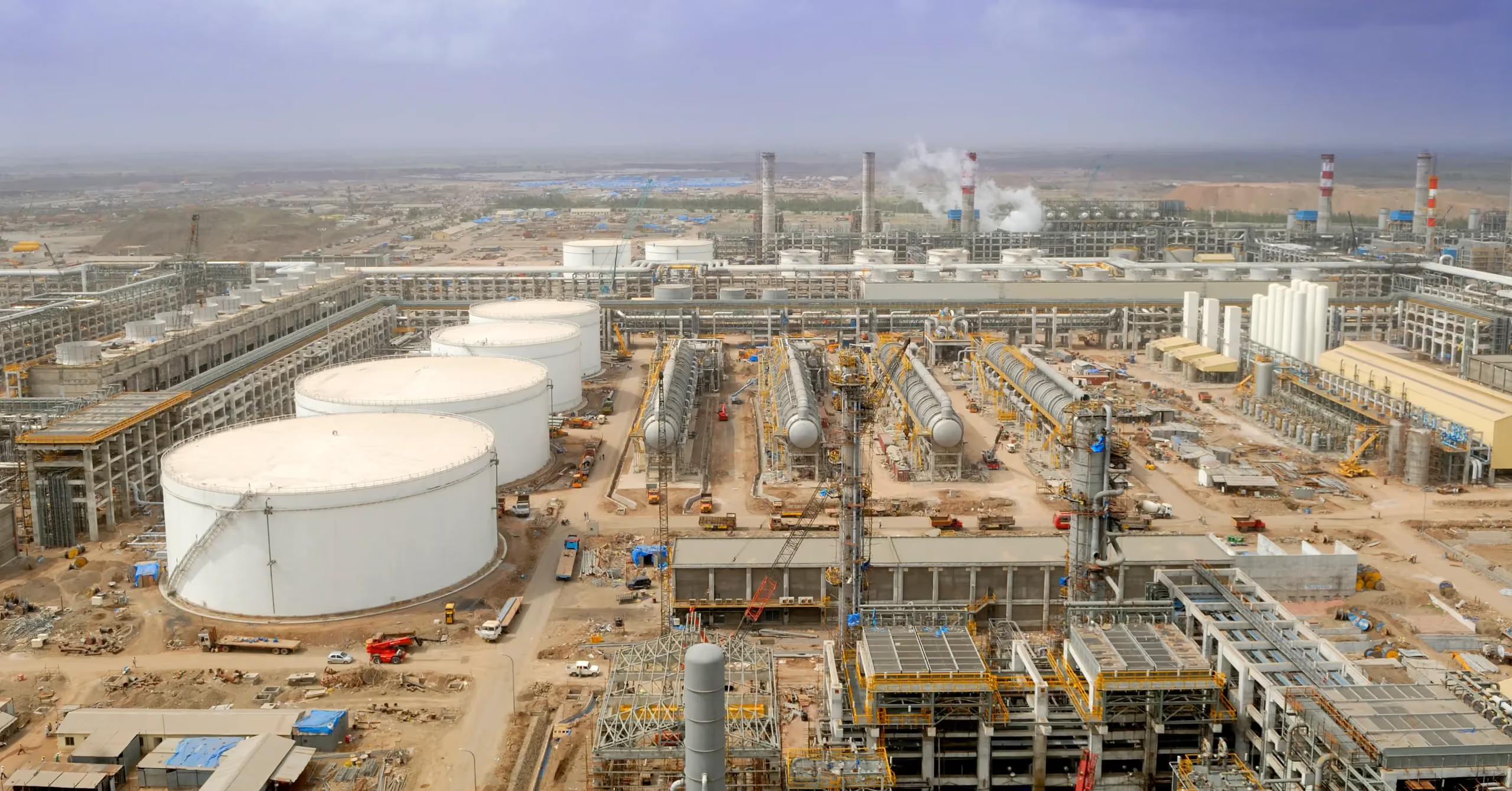
State oil refiners in India are absorbing losses of approximately Rs 15-20 per litre on petrol and diesel as the government shields consumers from the full impact of Brent crude prices surging to $103-104 per barrel amid the ongoing Strait of Hormuz crisis. Retail fuel prices have risen by only Rs 3 per litre despite crude oil being 60% higher than a year ago. The margin compression is destroying refining economics while the government pursues consumer protection through fiscal absorption of under-recoveries a subsidy mechanism where the state pays refiners to offset losses from selling below cost.
Consider a mid-sized state refiner processing 100,000 barrels per day of crude into petrol and diesel. At current Brent prices of $104 per barrel versus pre-crisis levels around $65, the raw material cost increase is $39 per barrel roughly Rs 325 per barrel or Rs 2.04 per litre. Add refining costs, logistics, and dealer margins, and the economic price should be Rs 25-30 higher than current retail levels. Instead, refiners absorb this gap through under-recoveries that appear on their balance sheets as operational losses until the government compensates them through budgetary transfers. For Indian Oil Corporation Limited (IOCL) the country's largest refiner this represents daily losses exceeding Rs 400 crore.
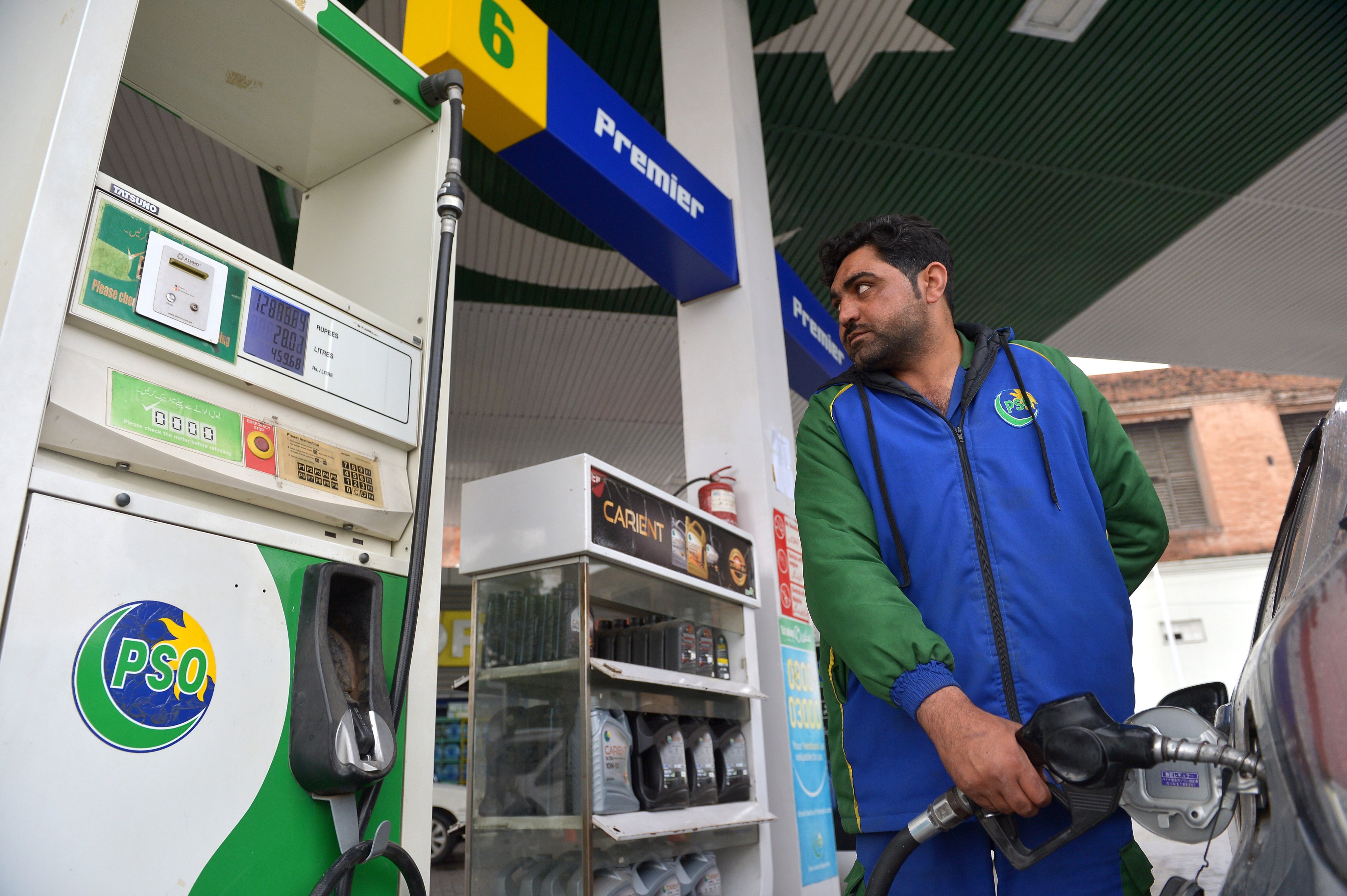
On the buy side: Indian consumers have saved approximately Rs 25-30 per litre versus full crude price pass-through. A typical household consuming 40 litres of petrol monthly saves Rs 1,000-1,200 significant given median urban incomes. Commercial transport operators benefit disproportionately, with diesel savings crucial for logistics costs. The government slashed central excise duty to Rs 3 per litre for petrol and eliminated it entirely for diesel in April 2026, foregoing substantial revenue to maintain price stability.
On the sell side: State refiners face margin destruction that threatens operational viability. State run fuel retailers were losing roughly Rs 1,000 crore daily by early May before the government's under-recovery compensation mechanism kicked in. These losses appear immediately on refiner balance sheets but are settled later through budgetary transfers. The lag creates working capital pressure and forces refiners to rely on government guarantees for continued operations. Private refiners like Reliance, which sell at market determined prices, maintain margins but lose market share to subsidised state outlets.
For large integrated traders: Companies like Trafigura or Vitol with access to derivatives markets hedge Brent exposure through futures contracts and swaps. A typical hedge involves buying crude futures at $65-70 per barrel when prices were stable, locking in margins regardless of spot price movements. However, the Strait of Hormuz closure has created backwardation where near-term prices exceed forward prices making fresh hedging expensive. Current 6 month Brent futures trade at $95-98, offering limited downside protection for new positions.
For smaller regional operators: Mid-sized fuel importers and distributors without derivatives access face acute pressure. A regional distributor importing 10,000 tonnes monthly sees costs rise by $400,000 per shipment at current crude levels. Without hedging tools, they rely on inventory management building stocks when prices were lower and bilateral supply agreements with fixed-price terms. Many have shifted to shorter-term contracts or added crude indexed pricing mechanisms to transfer volatility to end customers.
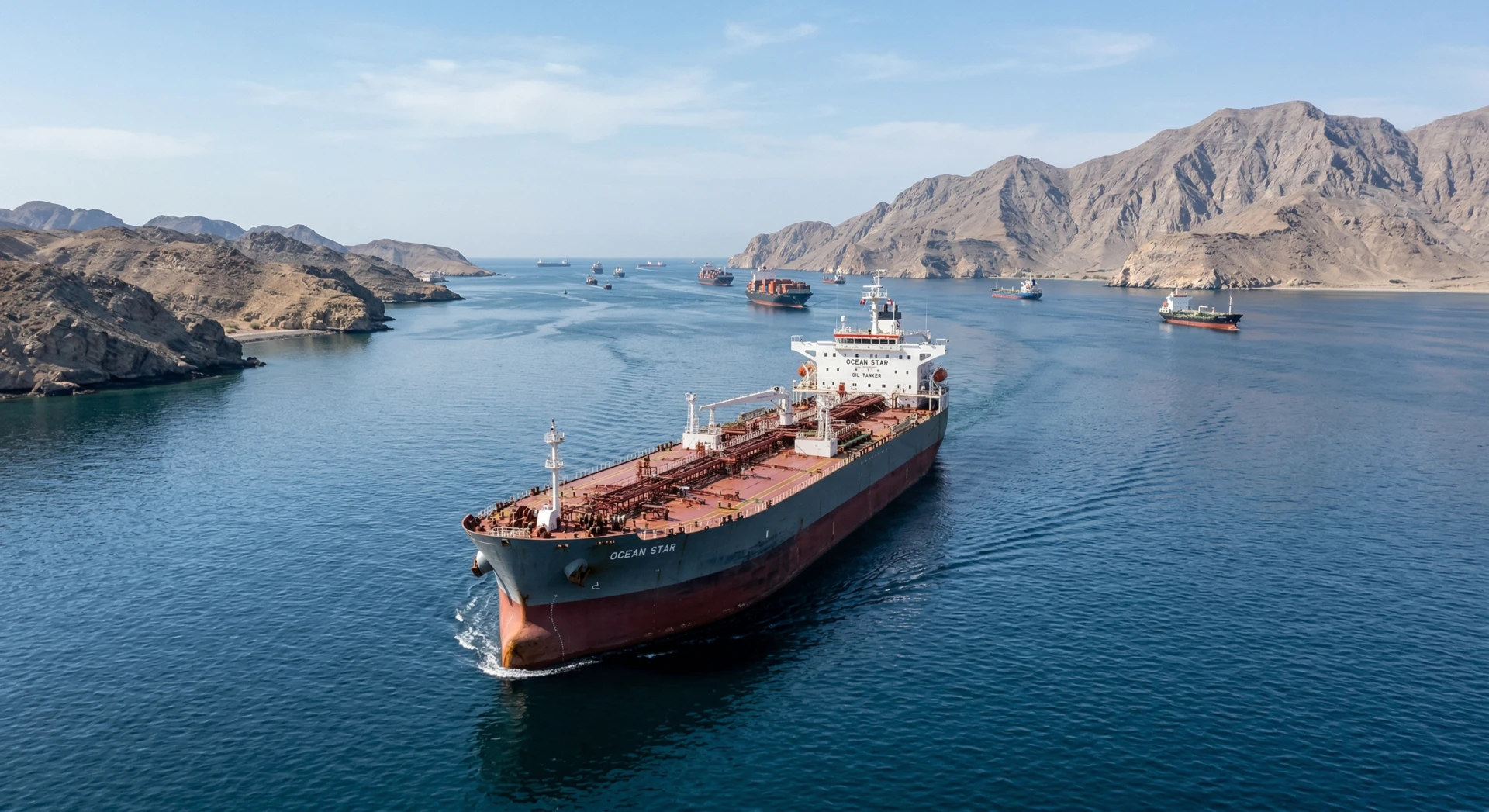
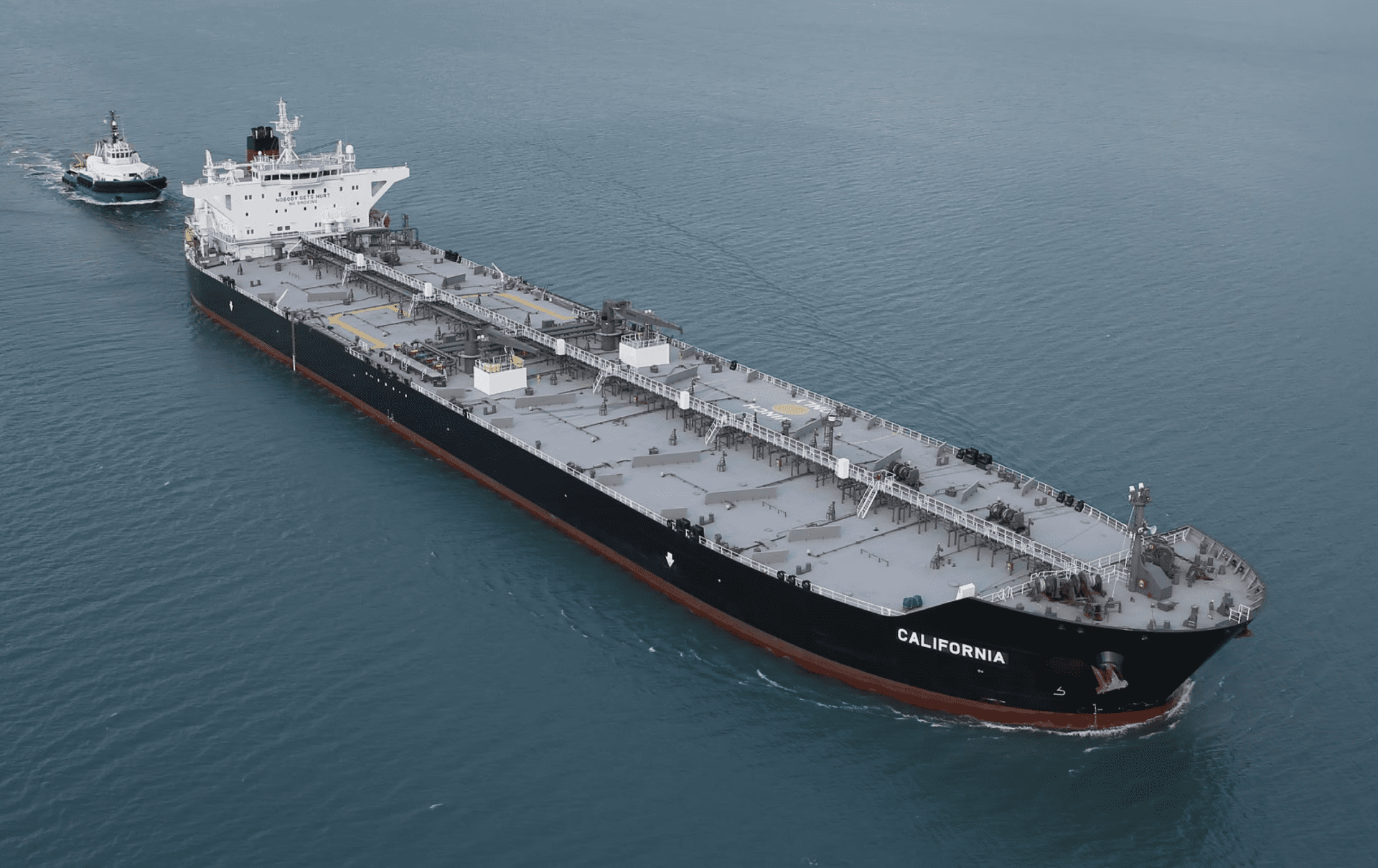
Freight amplifies the margin pressure. War-risk insurance premiums for the strait increased from 0.125% to between 0.2% and 0.4% of ship value per transit, adding a quarter million dollars for very large tankers. A VLCC carrying 2 million barrels from the Persian Gulf to Indian refineries now pays $500,000-800,000 in additional insurance costs per voyage. Alternative routes through the Cape of Good Hope add 10-12 days transit time and $2-3 million in incremental freight costs per cargo. Indian refiners importing through these longer routes face delivered crude costs $4-5 per barrel higher than pre-crisis levels.
The supply chain rerouting creates structural shifts beyond pricing. Indian refiners started buying petroleum from Russia as the war disrupted supplies from the Middle East. Russian Urals crude, trading at $8-12 discount to Brent, offers cost relief but requires different refinery configurations and creates new logistical dependencies. Indian refiners are also increasing purchases from West African producers like Nigeria and Angola, whose crude reaches Indian ports via Atlantic routes unaffected by Hormuz disruptions.
For observers monitoring this situation: Track the fortnightly petroleum subsidy data released by the Ministry of Petroleum and Natural Gas, which shows under-recovery amounts by product and company. Rising under-recoveries above Rs 20,000 crore monthly signal unsustainable fiscal pressure that typically forces retail price adjustments within 30-60 days. Watch for changes in crude sourcing patterns through import data increasing Russian and African crude shares indicate permanent supply chain diversification away from Gulf dependence.
.jpg)

'%3e%3cg id='Final-Copy-2_2_' transform='translate(1275.000000, 200.000000)'%3e%3cpath class='st0' d='M7.4,12.8h6.8l3.1-11.6H7.4C4.2,1.2,1.6,3.8,1.6,7S4.2,12.8,7.4,12.8z'/%3e%3c/g%3e%3c/g%3e%3c/g%3e%3cg id='final---dec.11-2020'%3e%3cg id='_x30_208-our-toggle' transform='translate(-1275.000000, -200.000000)'%3e%3cg id='Final-Copy-2' transform='translate(1275.000000, 200.000000)'%3e%3cpath class='st1' d='M22.6,0H7.4c-3.9,0-7,3.1-7,7s3.1,7,7,7h15.2c3.9,0,7-3.1,7-7S26.4,0,22.6,0z M1.6,7c0-3.2,2.6-5.8,5.8-5.8 h9.9l-3.1,11.6H7.4C4.2,12.8,1.6,10.2,1.6,7z'/%3e%3cpath id='x' class='st2' d='M24.6,4c0.2,0.2,0.2,0.6,0,0.8l0,0L22.5,7l2.2,2.2c0.2,0.2,0.2,0.6,0,0.8c-0.2,0.2-0.6,0.2-0.8,0 l0,0l-2.2-2.2L19.5,10c-0.2,0.2-0.6,0.2-0.8,0c-0.2-0.2-0.2-0.6,0-0.8l0,0L20.8,7l-2.2-2.2c-0.2-0.2-0.2-0.6,0-0.8 c0.2-0.2,0.6-0.2,0.8,0l0,0l2.2,2.2L23.8,4C24,3.8,24.4,3.8,24.6,4z'/%3e%3cpath id='y' class='st3' d='M12.7,4.1c0.2,0.2,0.3,0.6,0.1,0.8l0,0L8.6,9.8C8.5,9.9,8.4,10,8.3,10c-0.2,0.1-0.5,0.1-0.7-0.1l0,0 L5.4,7.7c-0.2-0.2-0.2-0.6,0-0.8c0.2-0.2,0.6-0.2,0.8,0l0,0L8,8.6l3.8-4.5C12,3.9,12.4,3.9,12.7,4.1z'/%3e%3c/g%3e%3c/g%3e%3c/g%3e%3c/g%3e%3c/svg%3e) Privacy Choices
Privacy Choices