.avif)
Regional commodity traders with existing Middle East networks stand to capture early mover margin on an estimated $250–400 billion reconstruction spend but only if they can solve a banking problem that legal permission alone cannot fix.
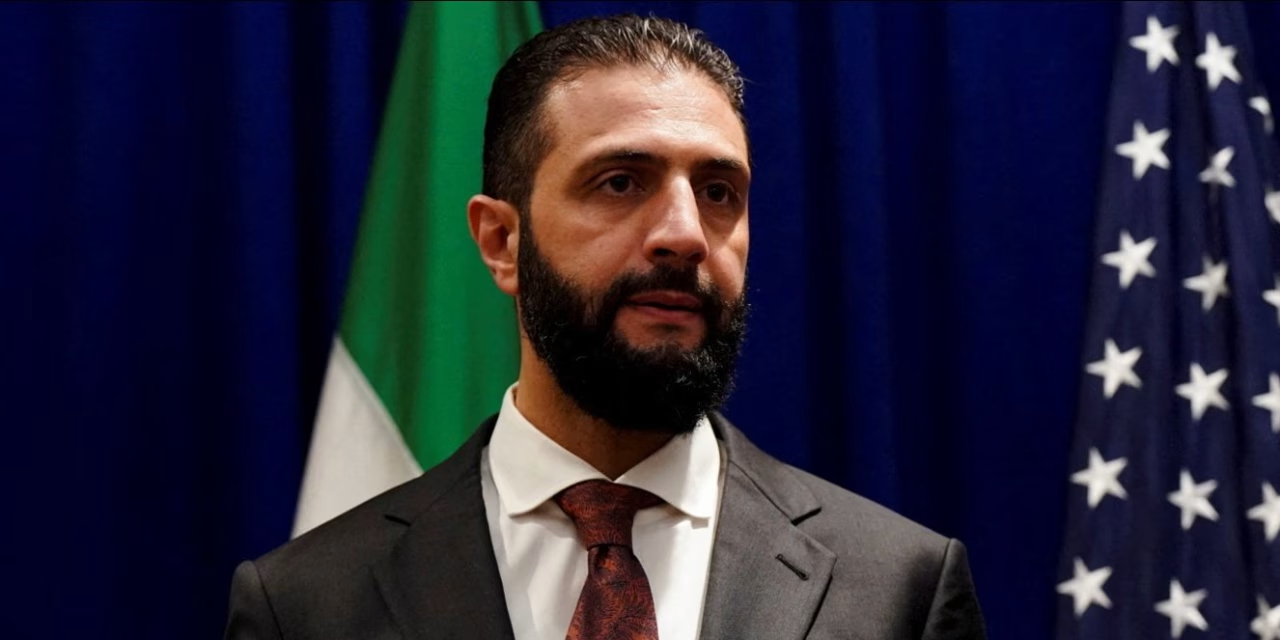
The U.S. Senate Foreign Relations Committee unanimously advanced S. 3172 on 17 June 2026, a bill that would repeal two foundational pieces of Congressional Syria sanctions architecture: the Syria Accountability and Lebanese Sovereignty Restoration Act of 2003 and the Syria Human Rights Accountability Act of 2012. If passed by the full Congress, this removes the statutory layer of sanctions the laws baked into U.S. code that have blocked commercially scaled commodity flows into Syria for over two decades. President Trump has already waived portions of the Caesar Syrian Civilian Protection Act by executive action and met Syrian President Ahmed al-Sharaa, signalling a durable policy thaw rather than a temporary administrative carve out. Together, executive waiver plus statutory repeal would create legal permission for direct commodity trade: energy products, fertilizers, construction materials, steel, and foodstuffs. The market that opens is enormous on paper World Bank preliminary assessments peg reconstruction commodity spend at $250–400 billion over a decade. The market that opens in practice is throttled by a problem that no Senate vote can solve overnight.
The structural constraint is banking. A letter of credit (LC) a bank guarantee that payment will be made once shipping documents confirming delivery are presented is the instrument that makes virtually all international commodity trade possible. Syria's banking sector has no SWIFT connectivity (SWIFT is the global interbank messaging network through which financial institutions send and receive payment instructions), no correspondent banking relationships with major trade finance hubs in London, Singapore, or Dubai, and no sovereign creditworthiness that would allow a foreign bank to issue or confirm a credit on behalf of a Syrian buyer. Without an LC or verifiable advance payment mechanism, commodity cargoes cannot move at commercial scale a shipper will not load 50,000 tonnes of fertilizer onto a vessel without a payment guarantee. Sanctions repeal creates legal permission. It does not create a functioning financial plumbing system. These are different problems on different timelines, and conflating them is the single most expensive mistake a commodity operator can make in 2026.
To understand the gap, consider a straightforward worked example. A regional trader today a mid-sized operator based in Amman or Beirut with an existing network into Syria prices a 25,000-tonne cargo of urea fertilizer for delivery to Latakia port. In the current sanctioned environment, that cargo moves through informal channels or via third country intermediaries, and the shadow-market risk premium the additional cost a buyer pays because supply is constrained and legally precarious runs at approximately 15–30% above compliant market pricing. On a cargo valued at $10 million at spot prices of roughly $400/MT, that premium represents $1.5–3 million in additional cost to the end buyer, a large slice of which accrues to the informal intermediary bearing legal and counterparty risk. Once S. 3172 passes and compliant operators enter legally, that premium compresses toward zero as competitive supply restores. The informal intermediary loses $1.5–3 million per cargo in margin. The Syrian buyer gains it. The compliant entrant captures whatever margin survives the transition period and early movers, before the market is fully competitive, capture more of it than those who wait.
On the buy side, Syrian reconstruction buyers state entities, reconstruction contractors, and import merchants face an immediate practical challenge: they need to establish banking counterparties capable of opening LCs before a single compliant cargo can move. The Central Bank of Syria requires recapitalisation and regulatory rehabilitation before Western or Gulf correspondent banks will extend credit facilities. This process typically takes 18–36 months from the point of political normalisation even in less devastated economies Lebanon's own banking crisis, which began in 2019, offers a sobering benchmark. Syrian buyers should not expect compliant commodity supply at competitive pricing before late 2027 at the earliest, and even that timeline assumes rapid progress on banking sector rehabilitation. On the sell side, commodity exporters European fertilizer producers, regional grain traders, Turkish construction material suppliers face a different constraint: compliance screening. Even after statutory repeal, U.S. persons and companies using U.S. dollar clearing must ensure that individual counterparties are not listed under the preserved human rights targeting authority that S. 3172 explicitly retains. Selling into Syria is not the same as selling into any sanctions-free market it requires granular counterparty due diligence that most smaller operators are not currently equipped to perform.
For large integrated commodity traders operators of the scale of Trafigura, Vitol, or a Gulf national oil company's trading arm the instrument here is early stage market positioning combined with compliance infrastructure build out. A large trader with an existing Middle East desk can invest now in Syria specific counterparty screening protocols, begin building correspondent banking relationships through Gulf intermediaries (UAE and Qatari banks have already moved to restore ties with Damascus, according to regional reports), and structure preliminary offtake conversations with reconstruction contractors. The cost of this positioning perhaps $2–5 million in legal, compliance, and relationship development over 12 months is trivial against first mover margin on even a single large energy or fertilizer contract once financial channels open. For a smaller regional operator an independent grain trader in Mersin, a mid-sized fuel distributor in Aqaba without derivatives access or dedicated compliance teams, the practical equivalent is bilateral framework agreements with Syrian counterparties now, structured with advance payment terms or escrow arrangements through UAE domiciled banks, contingent on LC infrastructure becoming available. Fix the commercial relationship before the market opens; let the banking infrastructure catch up to it.
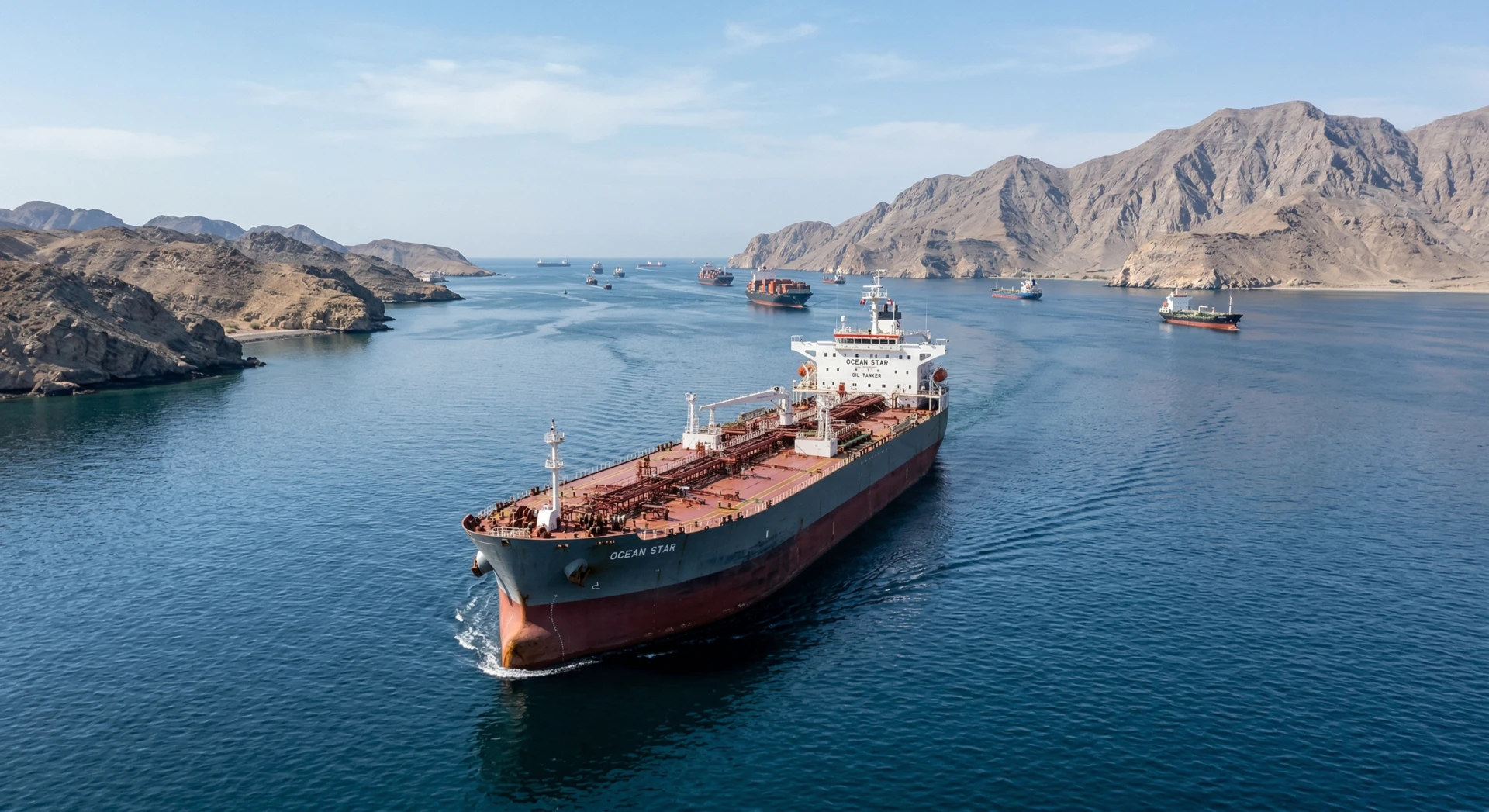
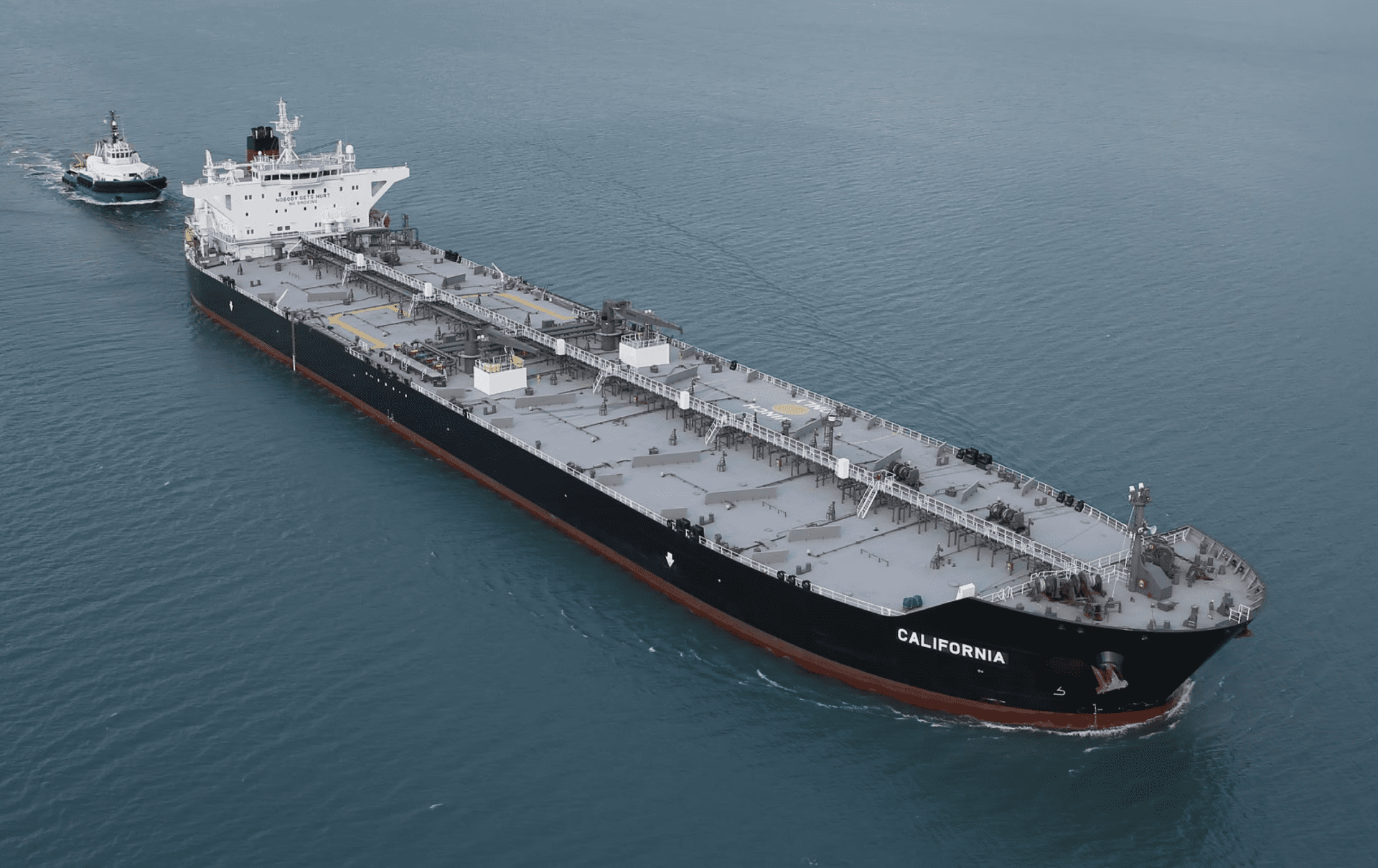
The physical supply chain shift is material and underappreciated. Syria's two main ports Tartus and Latakia, both on the Eastern Mediterranean coast have been largely bypassed for direct commodity delivery during the sanctions era. Cargoes destined for Syria have instead been routed overland from Mersin in Turkey (approximately 500 kilometres by road), via Beirut's port (itself severely damaged in the August 2020 explosion), or through Aqaba in Jordan (over 700 kilometres by road through difficult terrain). Direct vessel calls to Latakia for a Handymax bulk carrier (a vessel class carrying 40,000–60,000 tonnes, commonly used for fertilizer and grain) eliminate roughly 3–5 days of transit time and $15–25/MT in overland trucking costs versus the Mersin routing. On a 50,000 tonne cargo, that is $750,000–$1.25 million in logistics savings per shipment that currently flows to trucking intermediaries and will migrate to either the cargo owner or the end buyer once direct routes normalise.
The signal to watch is not Congressional voting schedules it is correspondent banking re-engagement. Specifically, monitor whether any of the three major UAE banks First Abu Dhabi Bank, Emirates NBD, or Abu Dhabi Commercial Bank publicly announce correspondent relationships with the Central Bank of Syria or any licensed Syrian commercial bank. That single step one named UAE correspondent bank confirming a Syria LC facility is the operational green light that transforms legal permission into executable commodity trade. Watch also the Baltic Exchange Handymax index for Eastern Mediterranean routes: a sustained rate premium on Tartus or Latakia calls versus Mersin or Beirut would confirm that shipping operators are pricing in direct Syrian port activity before financial infrastructure is fully confirmed, which is typically the earliest leading indicator of a route normalising. If neither signal materialises by Q2 2027, the reconstruction commodity market remains a legal possibility rather than a commercial reality.
.jpg)
.jpg)
'%3e%3cg id='Final-Copy-2_2_' transform='translate(1275.000000, 200.000000)'%3e%3cpath class='st0' d='M7.4,12.8h6.8l3.1-11.6H7.4C4.2,1.2,1.6,3.8,1.6,7S4.2,12.8,7.4,12.8z'/%3e%3c/g%3e%3c/g%3e%3c/g%3e%3cg id='final---dec.11-2020'%3e%3cg id='_x30_208-our-toggle' transform='translate(-1275.000000, -200.000000)'%3e%3cg id='Final-Copy-2' transform='translate(1275.000000, 200.000000)'%3e%3cpath class='st1' d='M22.6,0H7.4c-3.9,0-7,3.1-7,7s3.1,7,7,7h15.2c3.9,0,7-3.1,7-7S26.4,0,22.6,0z M1.6,7c0-3.2,2.6-5.8,5.8-5.8 h9.9l-3.1,11.6H7.4C4.2,12.8,1.6,10.2,1.6,7z'/%3e%3cpath id='x' class='st2' d='M24.6,4c0.2,0.2,0.2,0.6,0,0.8l0,0L22.5,7l2.2,2.2c0.2,0.2,0.2,0.6,0,0.8c-0.2,0.2-0.6,0.2-0.8,0 l0,0l-2.2-2.2L19.5,10c-0.2,0.2-0.6,0.2-0.8,0c-0.2-0.2-0.2-0.6,0-0.8l0,0L20.8,7l-2.2-2.2c-0.2-0.2-0.2-0.6,0-0.8 c0.2-0.2,0.6-0.2,0.8,0l0,0l2.2,2.2L23.8,4C24,3.8,24.4,3.8,24.6,4z'/%3e%3cpath id='y' class='st3' d='M12.7,4.1c0.2,0.2,0.3,0.6,0.1,0.8l0,0L8.6,9.8C8.5,9.9,8.4,10,8.3,10c-0.2,0.1-0.5,0.1-0.7-0.1l0,0 L5.4,7.7c-0.2-0.2-0.2-0.6,0-0.8c0.2-0.2,0.6-0.2,0.8,0l0,0L8,8.6l3.8-4.5C12,3.9,12.4,3.9,12.7,4.1z'/%3e%3c/g%3e%3c/g%3e%3c/g%3e%3c/g%3e%3c/svg%3e) Privacy Choices
Privacy Choices