.avif)

Crude oil traders face a potential $300,000 per day freight rate collapse and oil price whipsaw as President Trump's announced Iran deal sent Brent crude plunging over 4% to $88 per barrel, its lowest level in nearly two months. Trump has claimed more than 30 times that a deal to end the war is close, but this announcement carries different weight: he simultaneously cancelled planned strikes and claimed discussions "have been brought to the highest level of Iranian leadership and approved". Stock indexes soared and oil prices sank immediately after Trump's announcement, following a pattern of trading on the president's claims that has repeated numerous times since the war began. The commercial consequence is immediate and asymmetric traders positioned for continued conflict premium face massive losses, while those betting on resolution capture windfall gains in a market that has whipsawed between $54 and $117 per barrel over the past year.
The framework involves 11 nations including the United States, Israel, Saudi Arabia, UAE, Qatar, Turkey, Pakistan, Bahrain, Kuwait, Jordan, and Egypt, suggesting a complex verification structure that could unravel quickly. Trump claimed Iran's leadership "approved" a draft agreement that would extend the ceasefire, reopen the Strait of Hormuz and launch 60 days of negotiations on Iran's nuclear program. However, Iranian state media outlet Fars reported that Tehran has not approved any text for an initial memorandum of understanding with the U.S., characterizing Trump's move as a tactical retreat. The divergence creates execution risk if talks collapse, operators positioned for normalization face catastrophic losses as conflict premium returns.
The U.S. naval blockade of Iranian ports in the Gulf of Oman will "remain in full force and effect until this Transaction is finalized," Trump wrote, with the "time and place of the signing to be announced shortly". This conditional structure means the physical bottleneck persists until documents are signed. Traders remained cautious, as even a breakthrough would face significant obstacles before oil flows fully normalize, including clearing mines from Hormuz, restarting idled production fields, and repairing energy facilities damaged by drone and missile attacks. The staged reopening could take weeks to months, creating a timing mismatch for traders who have already moved prices on the announcement.
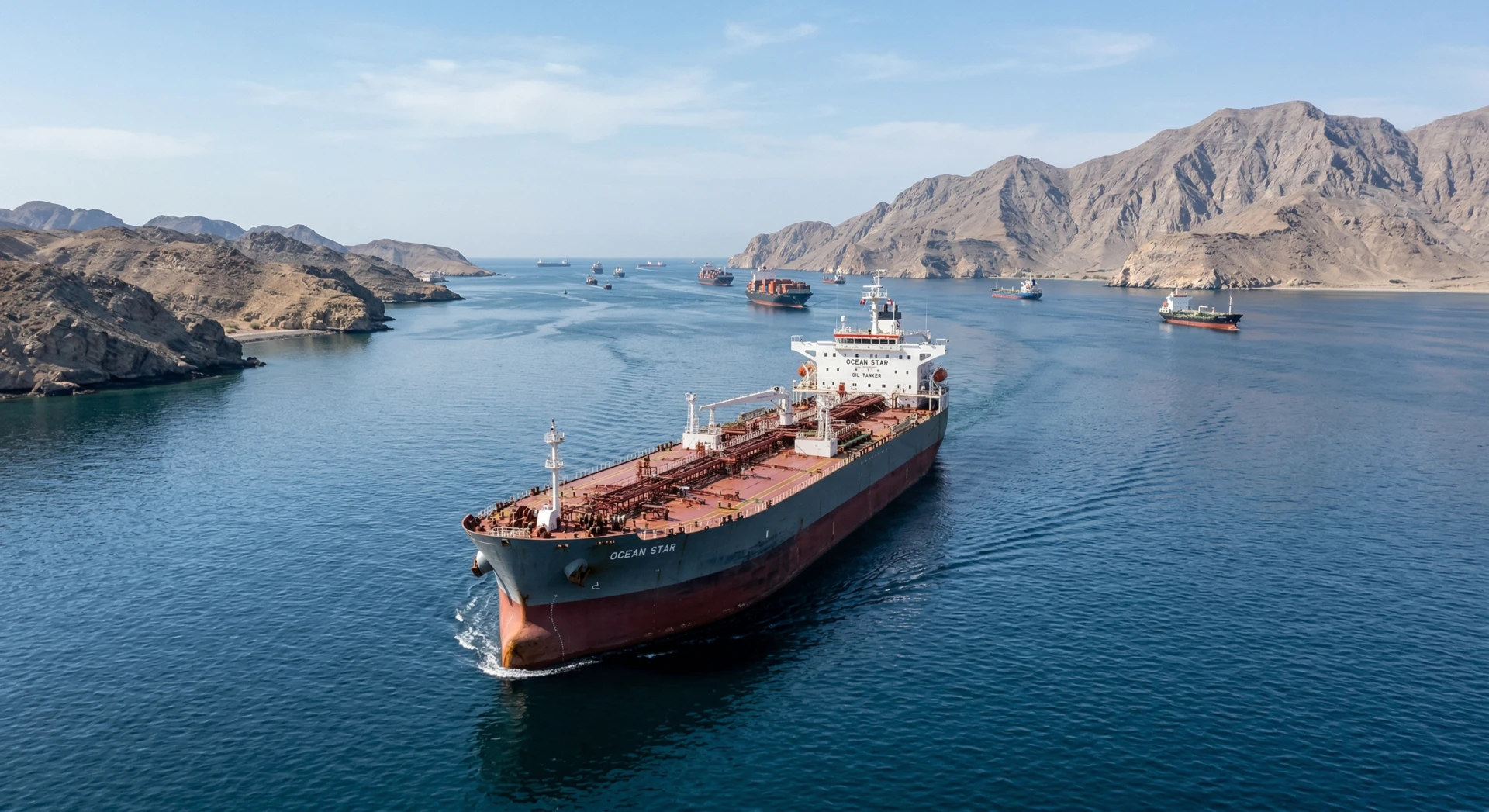
Very Large Crude Carrier (VLCC) operators companies operating supertankers capable of carrying 2 million barrels each face the most dramatic margin reversal in shipping history. The benchmark freight rate for VLCCs on the Middle East to China route hit an all time high of $423,736 per day during the Hormuz closure, compared to an overall average of $133,000 per day in 2025. VLCC rates have stabilized at around $100,000 per day, double spot rates at this time last year. If Hormuz reopens, rates could collapse toward pre-crisis levels within weeks, erasing the $300,000 per day premium that has made each voyage worth an additional $6-8 million compared to normal conditions.
The freight mathematics explain why markets moved so violently on Trump's announcement. When the Strait of Hormuz closes, Gulf shipping reroutes around the Cape of Good Hope, adding about 14 extra days per leg for a VLCC sailing from the Gulf to Singapore. A round trip extends from the typical 35–45 days to 55–70 days a one-third reduction in fleet availability. Tankers in transit on the long route cannot lift the next cargo; charterers compete for a smaller pool of available tonnage; spot rates harden quickly. Reopening reverses this equation instantly the effective fleet expands by 30% overnight as voyage times contract, flooding the market with available tonnage.
For crude oil traders operating at scale, the margin anatomy reveals where profit concentrates and disappears. A major integrated trader Trafigura, Vitol, or a national oil company's trading arm typically earns $2-5 per barrel on a standard crude arbitrage trade. War-risk premiums have surged to levels that materially affect voyage economics, with charterers now paying not only for transportation capacity, but also for geopolitical risk a cost that is directly embedded into freight rates. During acute disruption events, war-risk premiums on Gulf-loading tankers have moved from roughly 0.05% of insured value to multiples of 1%, a twenty to forty fold increase that shipowners pass through to charterers. Hormuz reopening eliminates both the freight premium and war-risk surcharge, compressing margins back to pre-crisis levels.
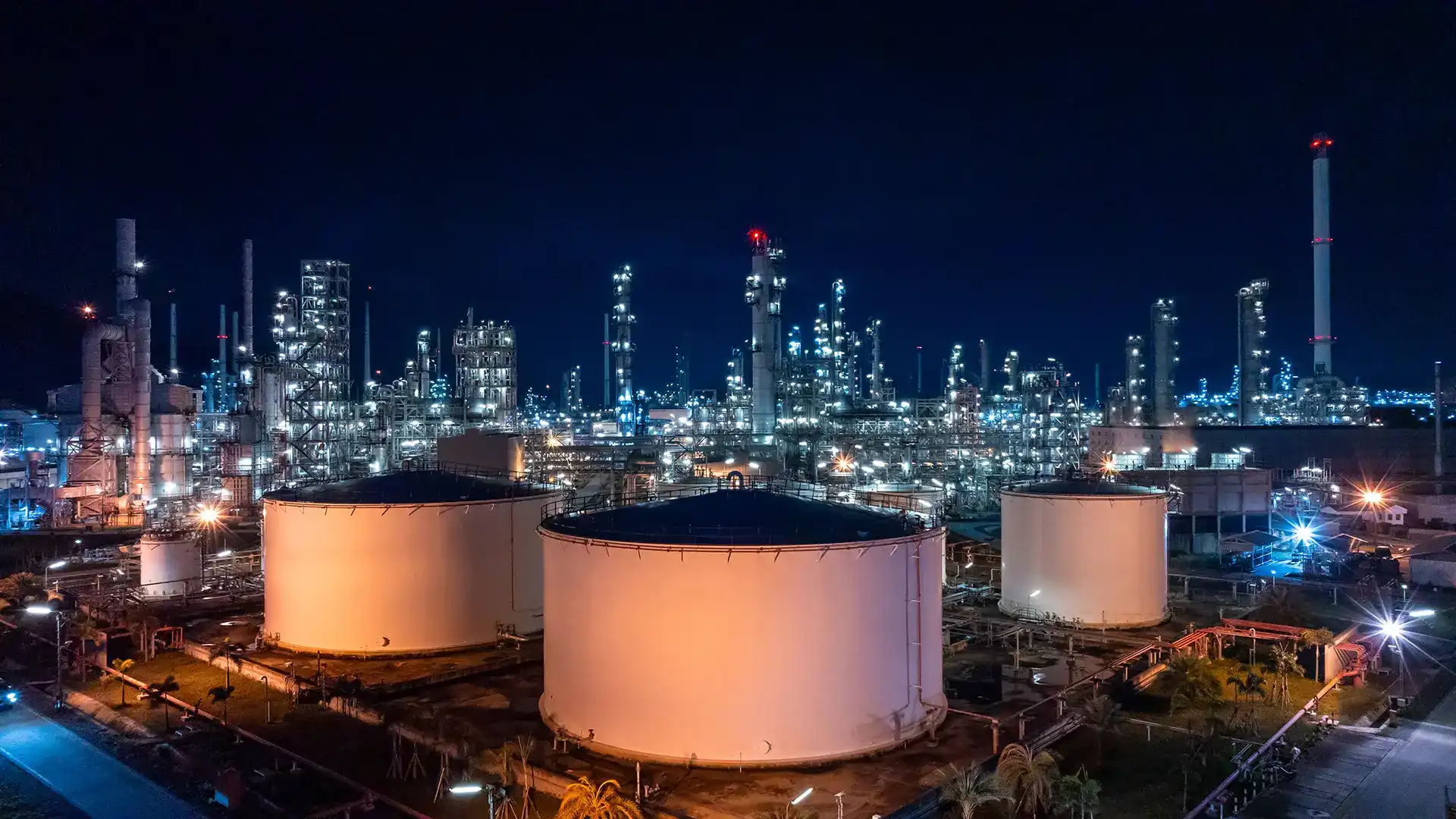
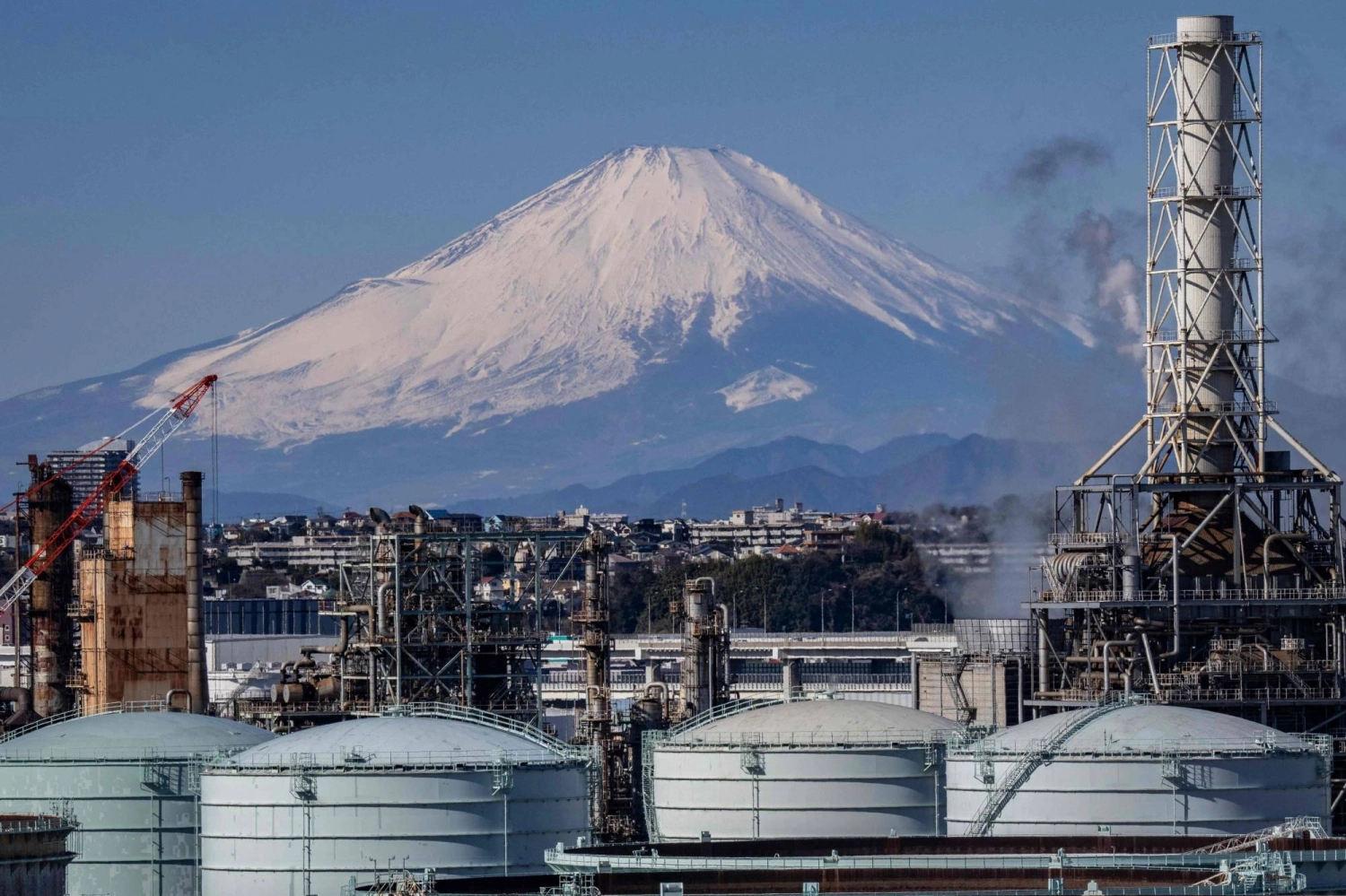
On the buy side, Asian refiners particularly in South Korea, Japan, and India face the most direct impact. These economies import most of their crude from the Gulf and have limited domestic production. A 50,000 barrel per day refinery in South Korea that switched to more expensive Atlantic Basin crude during the crisis could save approximately $2-3 per barrel if Gulf crude becomes accessible again. Over a year, that translates to $40-50 million in cost savings. European refiners feel a slower onset effect through world prices rather than physical availability. On the sell side, Gulf producers Saudi Aramco, Kuwait Petroleum, UAE's ADNOC regain direct access to their largest customer base without the Cape of Good Hope routing penalty.
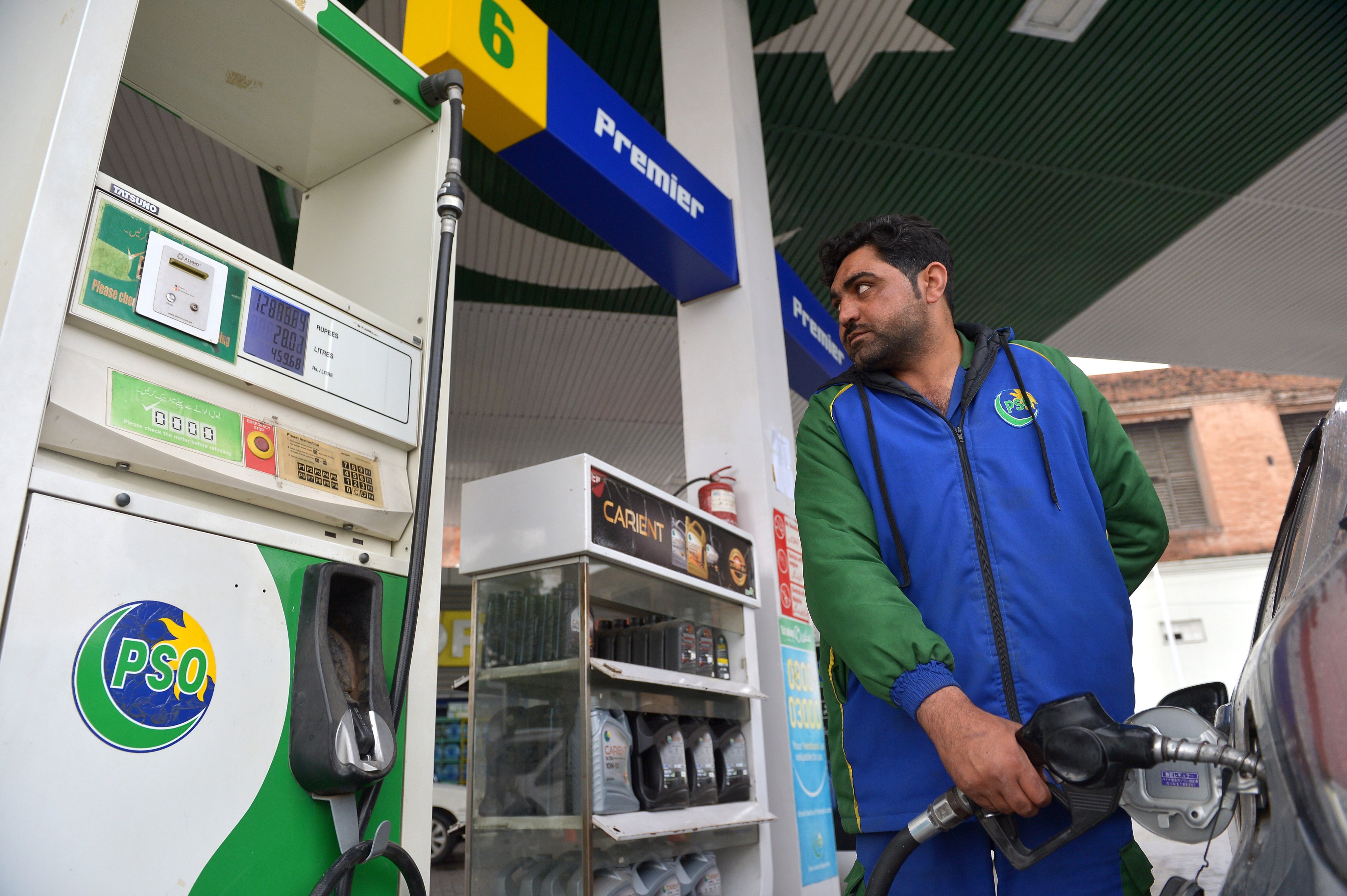
Smaller regional operators without derivatives access face different constraints. A mid-sized Indian fuel distributor cannot hedge Brent futures to manage price risk. Instead, they rely on bilateral supply agreements with built-in price adjustment mechanisms. During the crisis, these operators faced supply shortages as Gulf suppliers diverted cargoes to higher paying customers who could afford Cape routing. Hormuz reopening restores their supply optionality but also eliminates the scarcity premium that justified higher retail fuel margins. The transition period measured in weeks, not days creates inventory timing risk for operators who cannot predict exactly when normal flows resume.
The financing dimension reveals hidden complexity in this trade. Physical commodity financing the letters of credit and trade finance facilities that make international oil trade possible tightened significantly during the Hormuz crisis. War-risk insurance premiums also attach where they did not before: Lloyd's Joint War Committee designations cascade through hull and machinery and P&I cover. Banks reduced credit lines for Gulf origin trades, particularly for smaller counterparties without strong balance sheets. War risk insurance for Gulf transits was cancelled with effect from March 5, with vessels that do attempt passage now operating without standard Protection and Indemnity cover. Reopening requires rebuilding these financing structures, a process that typically takes 30-60 days as banks reassess country risk ratings.
For commodity traders and intermediaries, the margin concentration shifts dramatically based on execution timing. A trader who sold forward crude at $110 per barrel during peak crisis and can now buy physical crude at $88 locks in $22 per barrel profit potentially $44 million on a single 2 million barrel VLCC cargo. Conversely, traders who bought crude futures expecting continued escalation face massive losses. International Seaways (INSW), DHT Holdings (DHT), and Nordic American Tankers (NAT) carry the most direct earnings exposure to VLCC rate movements. At current rates, higher spot earnings flow almost directly to distributable cash, but rate normalization reverses this equation within a quarter.
The optionality value embedded in this announcement extends beyond oil and freight. Israel's main concern is that there will be a narrow interim agreement that extends the ceasefire and opens the Strait of Hormuz while not addressing the most critical points Tehran's nuclear program and enriched uranium. The 11 nation framework suggests broader regional buy-in, but also creates multiple veto points where the deal could unravel. Three sources briefed on the talks told Axios that key gaps were narrowed during talks between Iranian officials and Qatari mediators, but Trump has claimed an agreement was close multiple times before, and Tehran said there had been no "final decision". The structural challenge remains: any party can exit, returning markets to crisis pricing overnight.
The physical supply chain implications create concrete deadlines for market normalization. All water mines in Hormuz must be removed, with Iran completing "the immediate removal and/or detonation of any mines that are left". As of March 2, 247 vessels of MR size or larger, representing roughly 6% of global tanker capacity, remain stranded in the Middle East Gulf. Over 150 tankers anchored outside the strait rather than attempt a transit, with just 21 vessels completing the passage since hostilities began, compared with more than 100 ships daily before the conflict. Physical reopening requires coordinated mine clearance, vessel inspections, and pilot services a 7-14 day process minimum, assuming no security incidents during the transition.
Market participants should monitor the Brent-Dubai spread the price difference between North Sea crude and Middle East crude as the primary real-time indicator of deal credibility. During normal conditions, this spread typically ranges from -$2 to +$3 per barrel. Oil facilities have largely been spared during the conflict, which has helped prevent the kind of supply shock many traders had feared. If Hormuz reopens, the spread should normalize within 48-72 hours as Gulf crude regains access to global markets. Chinese imports from Saudi Arabia are expected to fall in July, while tanker traffic through the Strait of Hormuz has started to increase, suggesting markets are already positioning for normalization.
The contrarian view centers on execution risk and Iran's domestic political constraints. Iranian state news outlet Fars pushed back on Trump's conditions, saying they "raised issues that contradict the provisions of the agreement's text". Iran's parliamentary speaker posted that "We seize concessions not through dialogue, but with missiles; in negotiations, we merely make them understand. We have no trust in guarantees or words only actions are the measure". The Revolutionary Guard which controls Hormuz access may not align with Iran's negotiating position, creating implementation risk even if documents are signed. Traders betting on reopening face binary outcomes: complete normalization or return to crisis-level disruption.
For crude oil traders, the immediate decision framework is binary with asymmetric payoffs. Large integrated operators should hedge Brent exposure while maintaining optionality through butterfly spreads selling volatility if they believe the deal completes, buying it if they expect collapse. Regional operators without derivatives access should negotiate force majeure clauses in new supply contracts and maintain higher inventory levels during the transition period. The next 72 hours determine whether this announcement joins Trump's previous 30+ claims of imminent deals or marks the actual end of the three month oil crisis. Monitor the TD3C VLCC route from Middle East Gulf to China if rates hold above $300,000 per day, markets don't believe the deal. If they collapse toward $100,000, reopening is priced in.
.jpg)
.jpg)

'%3e%3cg id='Final-Copy-2_2_' transform='translate(1275.000000, 200.000000)'%3e%3cpath class='st0' d='M7.4,12.8h6.8l3.1-11.6H7.4C4.2,1.2,1.6,3.8,1.6,7S4.2,12.8,7.4,12.8z'/%3e%3c/g%3e%3c/g%3e%3c/g%3e%3cg id='final---dec.11-2020'%3e%3cg id='_x30_208-our-toggle' transform='translate(-1275.000000, -200.000000)'%3e%3cg id='Final-Copy-2' transform='translate(1275.000000, 200.000000)'%3e%3cpath class='st1' d='M22.6,0H7.4c-3.9,0-7,3.1-7,7s3.1,7,7,7h15.2c3.9,0,7-3.1,7-7S26.4,0,22.6,0z M1.6,7c0-3.2,2.6-5.8,5.8-5.8 h9.9l-3.1,11.6H7.4C4.2,12.8,1.6,10.2,1.6,7z'/%3e%3cpath id='x' class='st2' d='M24.6,4c0.2,0.2,0.2,0.6,0,0.8l0,0L22.5,7l2.2,2.2c0.2,0.2,0.2,0.6,0,0.8c-0.2,0.2-0.6,0.2-0.8,0 l0,0l-2.2-2.2L19.5,10c-0.2,0.2-0.6,0.2-0.8,0c-0.2-0.2-0.2-0.6,0-0.8l0,0L20.8,7l-2.2-2.2c-0.2-0.2-0.2-0.6,0-0.8 c0.2-0.2,0.6-0.2,0.8,0l0,0l2.2,2.2L23.8,4C24,3.8,24.4,3.8,24.6,4z'/%3e%3cpath id='y' class='st3' d='M12.7,4.1c0.2,0.2,0.3,0.6,0.1,0.8l0,0L8.6,9.8C8.5,9.9,8.4,10,8.3,10c-0.2,0.1-0.5,0.1-0.7-0.1l0,0 L5.4,7.7c-0.2-0.2-0.2-0.6,0-0.8c0.2-0.2,0.6-0.2,0.8,0l0,0L8,8.6l3.8-4.5C12,3.9,12.4,3.9,12.7,4.1z'/%3e%3c/g%3e%3c/g%3e%3c/g%3e%3c/g%3e%3c/svg%3e) Privacy Choices
Privacy Choices