.avif)
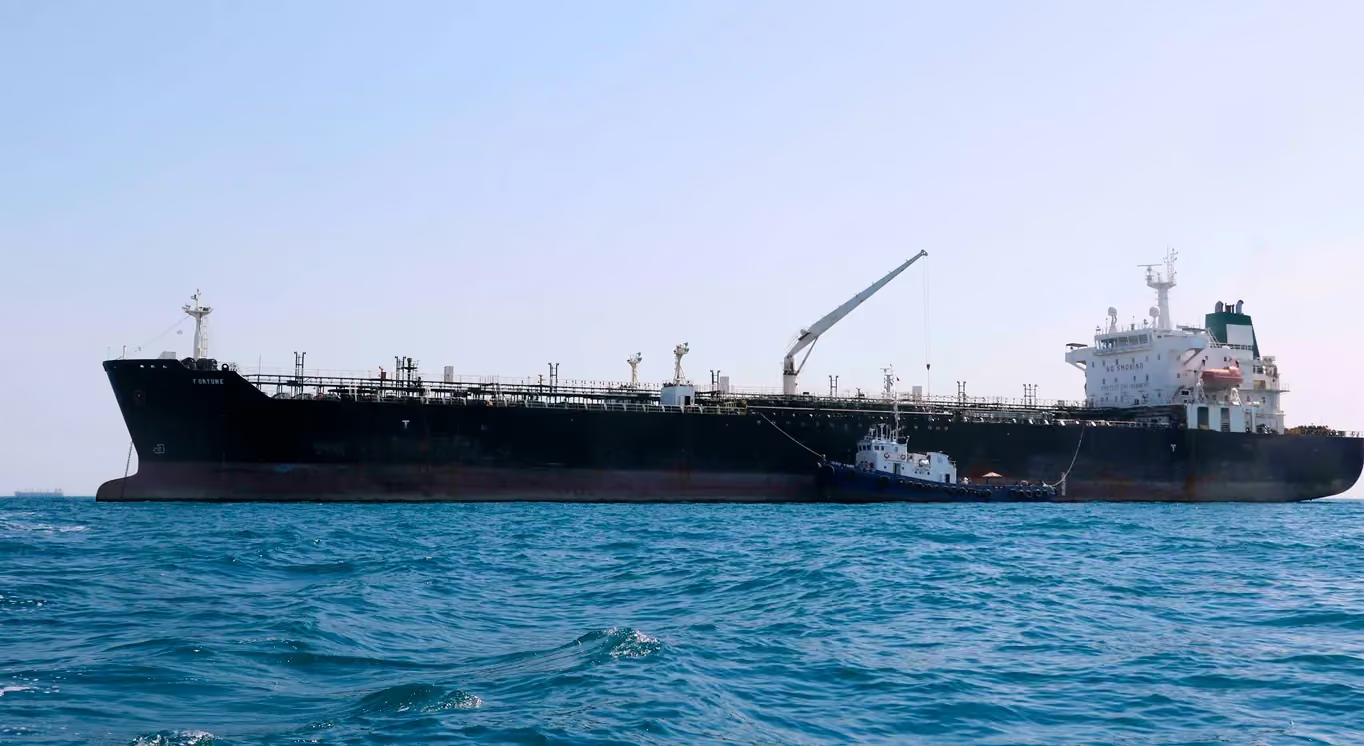
Tanker operators pricing Q3 2026 Strait of Hormuz war risk insurance premiums which can add $1–3 per barrel to the delivered cost of Gulf crude face a material but poorly signalled recalibration risk following remarks made by U.S. President Donald Trump on 19 June at Joint Base Andrews, Maryland. At a ceremony unveiling a Qatar-donated Boeing 747 being incorporated into the Air Force One fleet, Trump issued a fresh warning to Iran against disrupting maritime traffic through the Strait of Hormuz the 33 kilometre wide chokepoint through which approximately 20% of world seaborne oil flows daily while simultaneously referencing "a recent memorandum of understanding with Iran." That juxtaposition is the commercial puzzle. A warning and a diplomatic agreement issued in the same breath do not point in the same direction. Operators who have already paid elevated war-risk premiums for Q3 voyages may be carrying coverage priced for escalation at precisely the moment diplomacy is, according to reports, moving the other way.
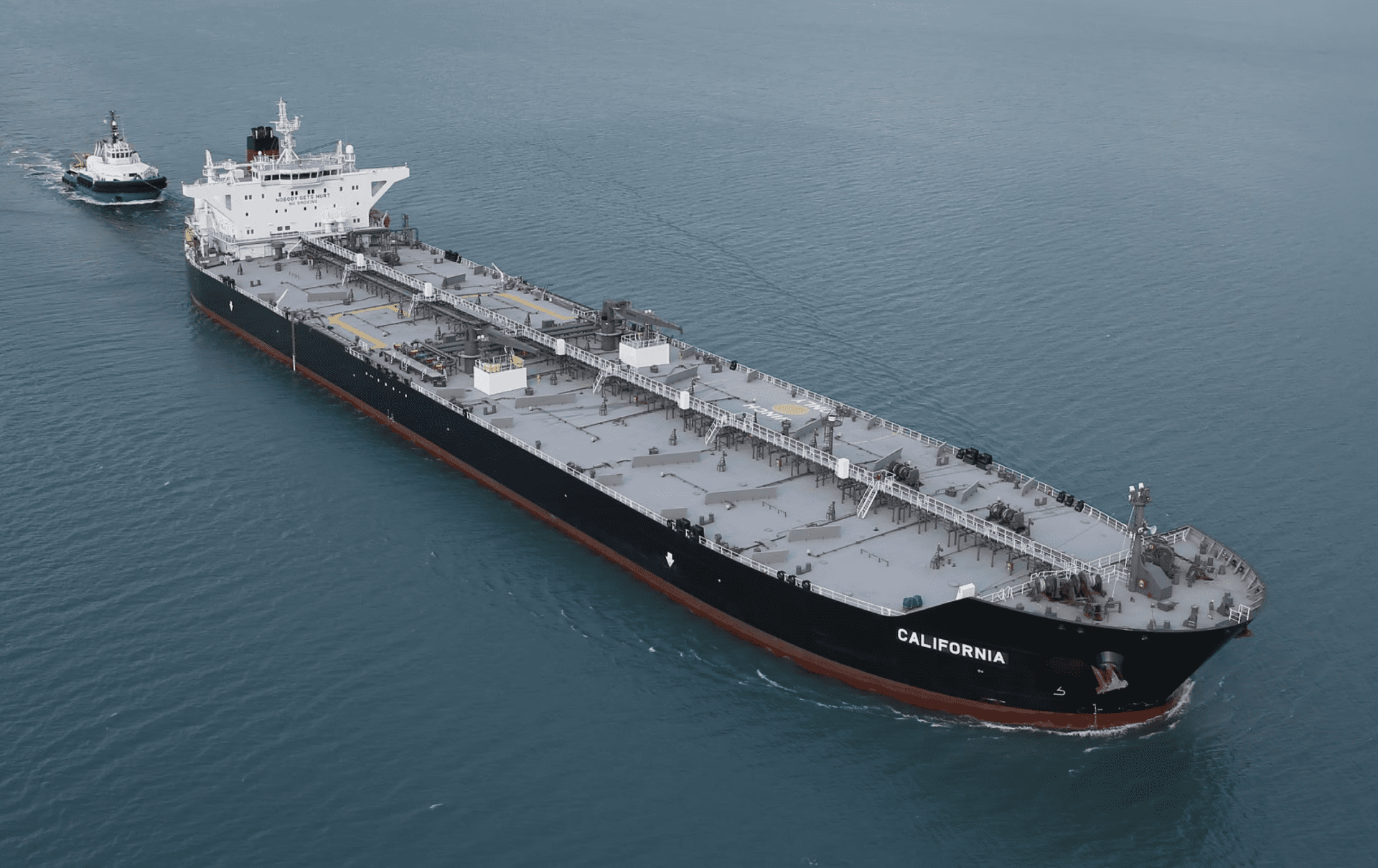
The Strait of Hormuz is not an abstraction for tanker operators. A Very Large Crude Carrier (VLCC) a supertanker capable of loading approximately 2 million barrels lifting Abu Dhabi crude at Ruwais and transiting Hormuz to a South Korean refinery covers roughly 6,500 nautical miles and takes 20–25 days. War-risk insurance a separate premium layered on top of standard hull and cargo coverage, triggered when a vessel enters a designated high-risk zone on that voyage has ranged between $0.50 and $3.00 per barrel in periods of elevated Gulf tension, translating to $1 million to $6 million per VLCC cargo. The spread between those two figures is not noise; it is often the difference between a profitable lifting and a loss. Trump's warning language keeps that upper range live. The MOU reference, if confirmed as a genuine de-escalation instrument, would logically compress premiums toward the lower bound. But no enforcement mechanism, timeline, or MOU text has been made public, making it impossible for underwriters and by extension operators to price the change with confidence.
Trump also confirmed, according to reports, attendance at the NATO summit in Ankara on July 7–8, and outlined a schedule of further diplomatic travel including a return visit to China and a planned U.S. visit by Chinese President Xi Jinping in September. Consider what that calendar means operationally for a mid-sized tanker operator running three to five VLCCs on Gulf–Asia routes. War-risk premiums are repriced by underwriters typically Lloyd's of London syndicates and specialist marine insurers at each voyage fixture, meaning operators absorb or pass through each re-rating at the point of booking freight. If the NATO summit produces a coordinated Western statement on Hormuz security guarantees, or if the U.S.-China diplomatic track produces a joint position on Iranian oil exports, premiums could compress by 30–50% within days of the announcement. An operator who fixed freight rates for Q3 cargoes before that compression locking in a cost structure that assumes elevated war-risk would be delivering product at a margin disadvantage against competitors who fixed after repricing.
On the buy side, Asian refinery procurement teams South Korean integrated refiners, Indian state-owned oil companies, Japanese trading houses lifting Gulf crude under term contracts have the most direct exposure. If war-risk premiums compress, their delivered cost of Gulf crude falls without any change in the underlying FOB (free on board the price of crude at the loading port, before freight and insurance) price. A 50 cent per barrel reduction in war-risk premium on a refinery lifting 20 VLCCs per quarter represents roughly $20 million in annual procurement savings material at any refinery margin. On the sell side, Gulf national oil companies Saudi Aramco, ADNOC, Kuwait Petroleum price their term crude on a delivered basis that already embeds freight and insurance assumptions. If war-risk premiums fall and freight costs drop, the effective netback (the revenue a producer receives after subtracting all shipping and handling costs from the delivered price) improves, creating room to tighten official selling prices without compressing producer margins. The arbitrage sits with tanker operators and freight traders who can read the diplomatic calendar faster than underwriters can update their risk models.
For large integrated traders Trafigura, Vitol, a national oil company's trading arm with access to freight derivatives (Forward Freight Agreements, or FFAs, which lock in a future freight rate today), the instrument is a short position on VLCC Middle East–Far East rates, betting that premium compression materialises if the MOU proves substantive. Current VLCC Middle East–Far East time charter equivalent rates are a named, liquid benchmark: watch the Baltic Exchange VLCC Middle East Gulf to China TD3C route, published daily. For smaller regional operators independent tanker owners, mid-sized fuel importers chartering vessels on the spot market the practical equivalent is shortening the duration of war-risk coverage bought in advance: renewing weekly rather than quarterly, absorbing higher administrative cost in exchange for the ability to reprice if the diplomatic picture clarifies. For all observers, the specific signal to watch is the Lloyd's Joint War Committee (JWC) listed areas update for the Arabian Gulf, which is reviewed and published on an ad hoc basis when underwriters collectively reassess the risk zone. A removal of Hormuz from the JWC high-risk list which last occurred before the 2019 tanker attacks would be the clearest, most tradeable signal that war-risk premiums have structurally repriced. Watch for that update within 30 days of any confirmed, public release of MOU terms.


.jpg)
'%3e%3cg id='Final-Copy-2_2_' transform='translate(1275.000000, 200.000000)'%3e%3cpath class='st0' d='M7.4,12.8h6.8l3.1-11.6H7.4C4.2,1.2,1.6,3.8,1.6,7S4.2,12.8,7.4,12.8z'/%3e%3c/g%3e%3c/g%3e%3c/g%3e%3cg id='final---dec.11-2020'%3e%3cg id='_x30_208-our-toggle' transform='translate(-1275.000000, -200.000000)'%3e%3cg id='Final-Copy-2' transform='translate(1275.000000, 200.000000)'%3e%3cpath class='st1' d='M22.6,0H7.4c-3.9,0-7,3.1-7,7s3.1,7,7,7h15.2c3.9,0,7-3.1,7-7S26.4,0,22.6,0z M1.6,7c0-3.2,2.6-5.8,5.8-5.8 h9.9l-3.1,11.6H7.4C4.2,12.8,1.6,10.2,1.6,7z'/%3e%3cpath id='x' class='st2' d='M24.6,4c0.2,0.2,0.2,0.6,0,0.8l0,0L22.5,7l2.2,2.2c0.2,0.2,0.2,0.6,0,0.8c-0.2,0.2-0.6,0.2-0.8,0 l0,0l-2.2-2.2L19.5,10c-0.2,0.2-0.6,0.2-0.8,0c-0.2-0.2-0.2-0.6,0-0.8l0,0L20.8,7l-2.2-2.2c-0.2-0.2-0.2-0.6,0-0.8 c0.2-0.2,0.6-0.2,0.8,0l0,0l2.2,2.2L23.8,4C24,3.8,24.4,3.8,24.6,4z'/%3e%3cpath id='y' class='st3' d='M12.7,4.1c0.2,0.2,0.3,0.6,0.1,0.8l0,0L8.6,9.8C8.5,9.9,8.4,10,8.3,10c-0.2,0.1-0.5,0.1-0.7-0.1l0,0 L5.4,7.7c-0.2-0.2-0.2-0.6,0-0.8c0.2-0.2,0.6-0.2,0.8,0l0,0L8,8.6l3.8-4.5C12,3.9,12.4,3.9,12.7,4.1z'/%3e%3c/g%3e%3c/g%3e%3c/g%3e%3c/g%3e%3c/svg%3e) Privacy Choices
Privacy Choices