.avif)
.jpg)
European diesel traders face a $12-18/barrel margin expansion this week as Ukrainian strikes halted Russia's 280,000 barrel per day Volgograd refinery and damaged the Surgut-Polotsk pipeline's Yaroslavl-3 pumping station on May 28-29. The Lukoil facility's primary distillation units AVT-1, AVT-3, AVT-5, and AVT-6 were hit directly, forcing a complete production shutdown. Russia retaliated with coordinated strikes on Ukrainian gas infrastructure across Kharkiv and Sumy regions, hitting multiple Naftogaz facilities simultaneously. Consider a mid-sized European diesel trader importing 30,000 tonnes monthly from the Black Sea: before the strike, Russian diesel delivered to Rotterdam cost approximately $685/tonne including freight. With Volgograd offline and alternative supply from the US Gulf Coast now economical, that same cargo commands $703/tonne an $18/tonne windfall that accrues entirely to the holder of replacement barrels.
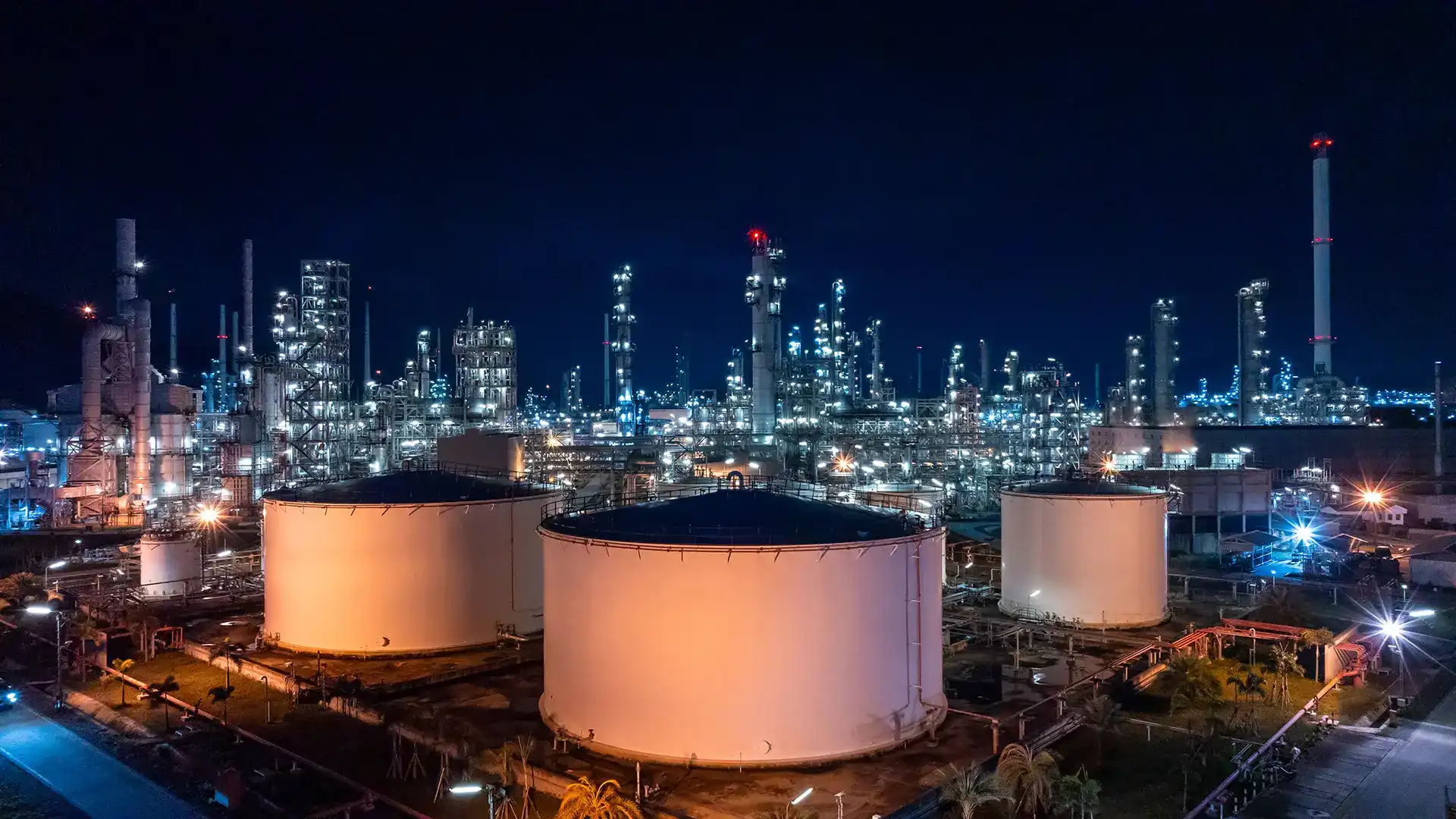
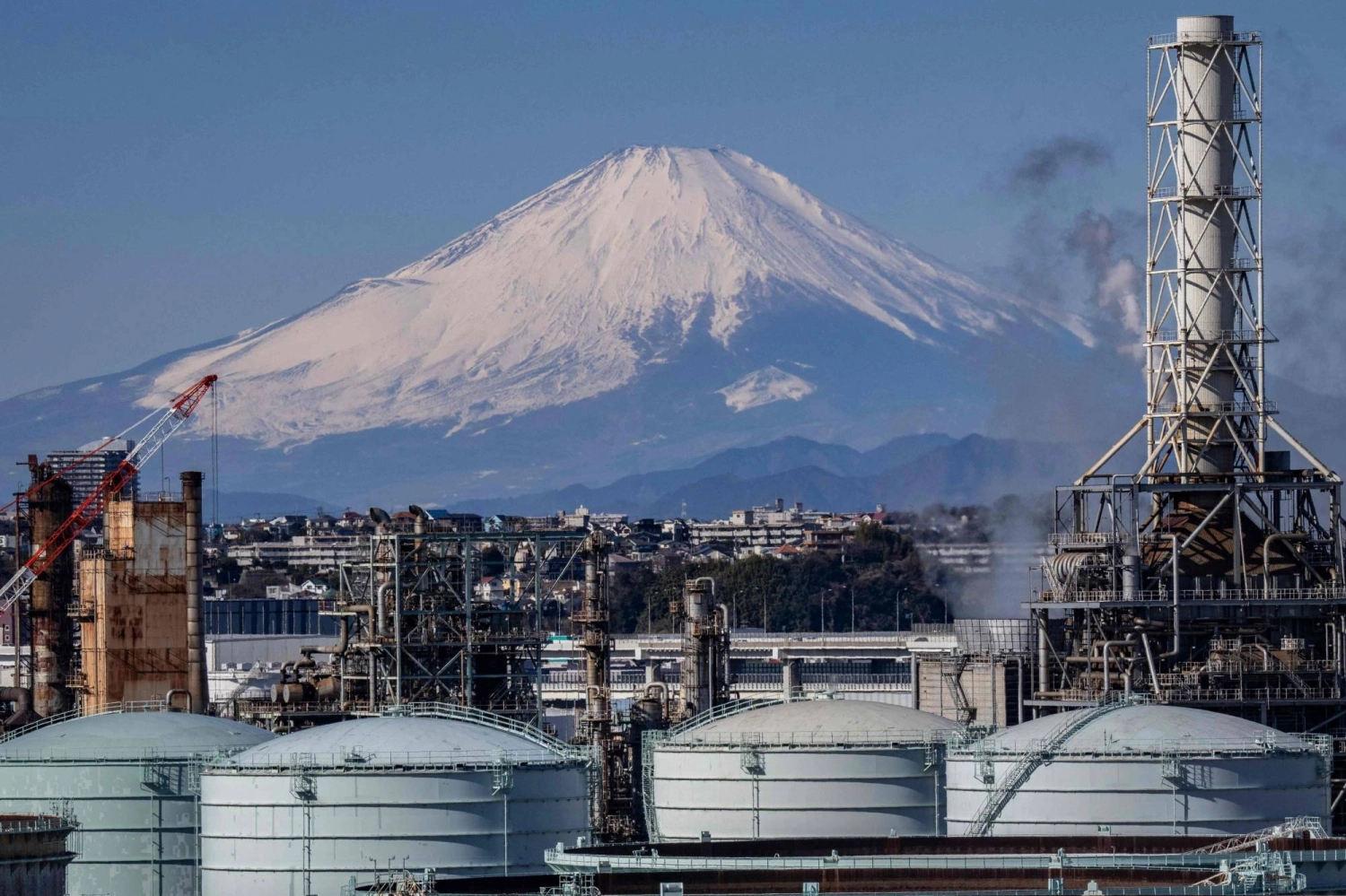
The margin anatomy reveals where profit concentrates in this disrupted trade flow. The Volgograd refinery processes 14 million tonnes annually and ranks among Russia's largest southern refineries, feeding both domestic demand and export terminals at Novorossiysk and Tuapse. Reuters sources confirm that the No. 1 primary distillation unit accounting for 40% of plant capacity remains offline, with units 5 and 6 also shut. At normal operations, Volgograd generates roughly $8-12/barrel refining margin processing Urals crude into diesel and gasoline. That margin evaporates during shutdown, flowing instead to European importers who can access alternative supply. The pipeline dimension matters equally: the Yaroslavl-3 station moves crude from Siberian fields to Baltic export terminals Primorsk and Ust-Luga. Any disruption here constrains crude availability for European refiners while simultaneously reducing competition for refined products.
On the buy side: Large integrated oil companies with term contracts and derivatives access can hedge replacement supply through ICE Gasoil futures, locking protection at roughly $3-5/tonne premium to current spot levels. Their commercial teams are already sourcing incremental diesel cargoes from Rotterdam and Amsterdam, Rotterdam-Antwerp (ARA) storage, where inventories have tightened 18% since April according to PJK International data. Mid-sized fuel distributors face different constraints: lacking derivatives access, they must secure physical replacement volumes bilaterally, often paying spot premiums that larger operators avoid through financial hedging. Regional European utilities burning gasoil for backup power generation face immediate cost pressures, particularly as summer maintenance season approaches and grid reliability becomes critical.
On the sell side: US Gulf Coast refiners operating high-conversion units gain immediate arbitrage opportunity as the transatlantic diesel spread widens from typical $8-12/barrel to current $18-22/barrel levels. With Brent crude trading at $94/barrel and WTI at $94.43/barrel, Gulf Coast diesel at $2.10/gallon translates to roughly $630/tonne production cost including crude and variable expenses. European delivered prices now exceed $700/tonne, creating $70/tonne gross margin before freight costs of approximately $35/tonne on Medium Range vessels. Russian sellers face the inverse pressure: Lukoil loses roughly $280,000 daily in gross refining margin during the Volgograd outage, while its crude oil trading operations must redirect barrels originally destined for that facility to alternative refineries or export terminals.
For large integrated traders Vitol, Trafigura, Gunvor with global logistics networks: This disruption creates classic time-arbitrage opportunities. Their commercial teams can simultaneously short Russian product derivatives while building long positions in US Gulf Coast and Middle East alternatives, capturing spread expansion through both physical and paper positions. Their shipping desks coordinate vessel fixtures to optimize delivery timing, potentially earning additional freight arbitrage on routes like US Gulf Coast to Europe as vessel demand increases. These operators hedge currency exposure through FX forwards, protecting dollar denominated crude purchases against euro denominated product sales.
For smaller regional operators independent fuel importers, cooperative distributors, petroleum companies serving national markets without derivatives access: The operational response centers on diversifying supply sources and managing inventory timing. Their procurement teams negotiate bilateral contracts with alternative suppliers, accepting higher prices but gaining supply security. Many accelerate inventory builds before further supply disruptions, despite working capital costs, while their logistics departments arrange alternative storage if primary suppliers face force majeure declarations. These operators cannot access sophisticated hedging instruments but can negotiate price adjustment mechanisms in customer contracts, passing through supply cost increases with 30-60 day lags.
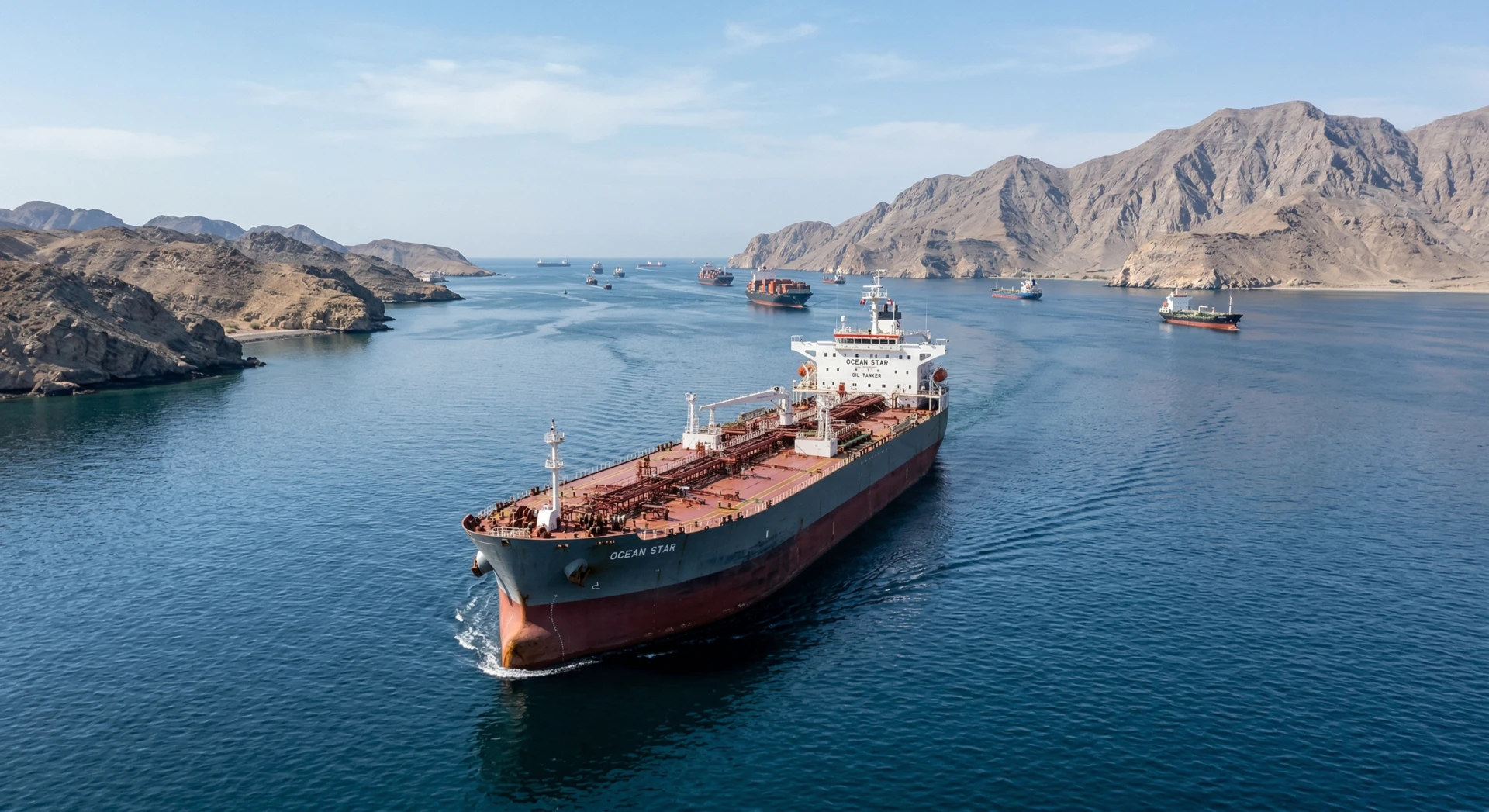
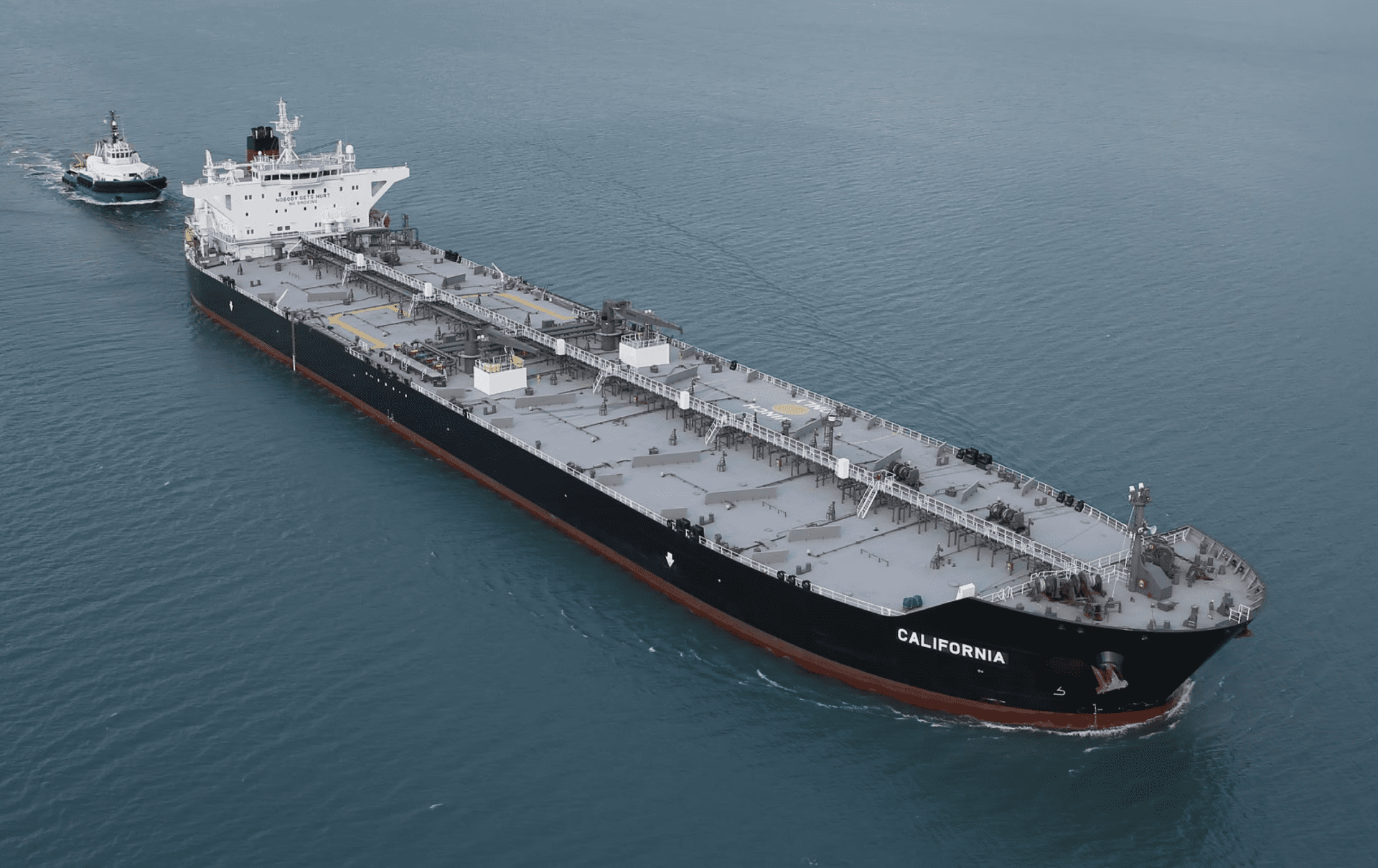
Freight becomes the critical profit lever in this disrupted market structure. Medium Range product tankers earn approximately $18,000-25,000 daily on routes from US Gulf Coast to Northern Europe, compared to $12,000-16,000 in January. The Volgograd facility sits approximately 475 kilometers from the Ukrainian border, making it vulnerable to continued strikes that could extend shutdown duration beyond current estimates. Clean product vessel operators particularly those with tonnage in the Atlantic Basin capture windfall earnings as European buyers scramble for alternative supply. This freight premium concentrates at the vessel operator level, not the cargo owner, creating additional margin pressure for physical traders who must absorb higher transport costs.
The historical precedent suggests this disruption pattern will intensify rather than stabilize. The Volgograd refinery has faced at least ten strikes since Russia's invasion began, indicating systematic targeting rather than opportunistic attacks. Ukraine has conducted approximately 3,400 strikes on Russian industrial capacity since 2022, with over 700 targeting oil and gas infrastructure specifically. The 1980s Iran-Iraq tanker war provides instructive comparison: systematic infrastructure targeting created persistent supply uncertainty that kept product margins elevated for months even after individual facilities resumed operations. Current market structure suggests similar persistence, particularly as the Strait of Hormuz remains partially closed, supporting elevated oil price levels that make refined product arbitrage more attractive.
For observers monitoring this intelligence: Track the ICE Gasoil July-August calendar spread, currently trading at $8/tonne backwardation widening backwardation signals intensifying supply tightness as near-term demand exceeds available inventory. Monitor ARA gasoil stocks reported weekly by PJK International; inventory draws exceeding 200,000 tonnes weekly indicate structural supply deficit requiring additional arbitrage volumes. Watch for Lukoil production restart announcements through Russian energy ministry briefings, typically issued 7-10 days after facility assessments conclude. The key signal remains freight rates on US Gulf Coast to Europe clean product routes: sustained rates above $25,000 daily confirm that arbitrage economics support continued transatlantic diesel flows, indicating the margin opportunity persists beyond immediate disruption effects.

.jpg)

'%3e%3cg id='Final-Copy-2_2_' transform='translate(1275.000000, 200.000000)'%3e%3cpath class='st0' d='M7.4,12.8h6.8l3.1-11.6H7.4C4.2,1.2,1.6,3.8,1.6,7S4.2,12.8,7.4,12.8z'/%3e%3c/g%3e%3c/g%3e%3c/g%3e%3cg id='final---dec.11-2020'%3e%3cg id='_x30_208-our-toggle' transform='translate(-1275.000000, -200.000000)'%3e%3cg id='Final-Copy-2' transform='translate(1275.000000, 200.000000)'%3e%3cpath class='st1' d='M22.6,0H7.4c-3.9,0-7,3.1-7,7s3.1,7,7,7h15.2c3.9,0,7-3.1,7-7S26.4,0,22.6,0z M1.6,7c0-3.2,2.6-5.8,5.8-5.8 h9.9l-3.1,11.6H7.4C4.2,12.8,1.6,10.2,1.6,7z'/%3e%3cpath id='x' class='st2' d='M24.6,4c0.2,0.2,0.2,0.6,0,0.8l0,0L22.5,7l2.2,2.2c0.2,0.2,0.2,0.6,0,0.8c-0.2,0.2-0.6,0.2-0.8,0 l0,0l-2.2-2.2L19.5,10c-0.2,0.2-0.6,0.2-0.8,0c-0.2-0.2-0.2-0.6,0-0.8l0,0L20.8,7l-2.2-2.2c-0.2-0.2-0.2-0.6,0-0.8 c0.2-0.2,0.6-0.2,0.8,0l0,0l2.2,2.2L23.8,4C24,3.8,24.4,3.8,24.6,4z'/%3e%3cpath id='y' class='st3' d='M12.7,4.1c0.2,0.2,0.3,0.6,0.1,0.8l0,0L8.6,9.8C8.5,9.9,8.4,10,8.3,10c-0.2,0.1-0.5,0.1-0.7-0.1l0,0 L5.4,7.7c-0.2-0.2-0.2-0.6,0-0.8c0.2-0.2,0.6-0.2,0.8,0l0,0L8,8.6l3.8-4.5C12,3.9,12.4,3.9,12.7,4.1z'/%3e%3c/g%3e%3c/g%3e%3c/g%3e%3c/g%3e%3c/svg%3e) Privacy Choices
Privacy Choices