.avif)
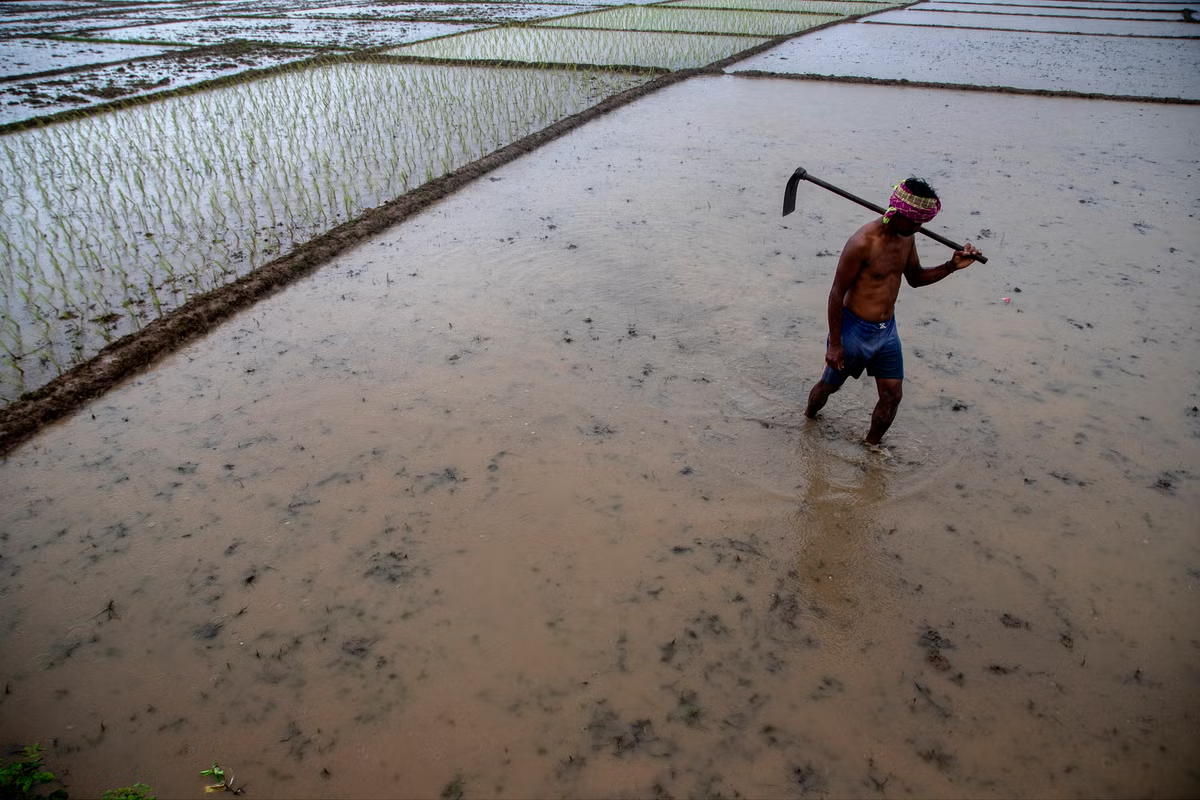
Agricultural Input Importers face a 200-400 basis point margin compression through Q4 FY27 as India's economic strength masks mounting food inflation risks. With Brent crude at $94/barrel and WTI at $91/barrel, the original CRISIL forecasts assuming $95 oil have materialized, but India's complex energy import structure including sanctioned crude at undisclosed discounts creates unpredictable cost transmission into fertilizer and transport margins. Analysts now project retail inflation rising toward 5% in FY27, well above the RBI's 4.6% forecast, driven by weather related supply disruptions and energy linked costs. GDP recalibration from 2011-12 to 2022-23 base year means procurement ratios and subsidy calculations shift materially, affecting contract pricing for input suppliers even though underlying economic activity remains unchanged.
The India Meteorological Department's revised monsoon forecast at 90% of Long Period Average down from 92% places the 2026 season at the edge of deficient territory. A below normal monsoon is rainfall between 90-95% of the 868.6mm long-term average; this forecast carries 60% probability of deficiency during the critical June-September period. Rain-fed crops including pulses, coarse cereals, oilseeds and spices are most vulnerable due to low irrigation coverage and concentration in regions expecting rainfall deficiency. Pulses production concentrates in central and northwest India, while coarse cereals predominate across northwest, central and southern regions where irrigation coverage remains limited. June the critical sowing month expects particularly weak rainfall below 92% of average, potentially delaying planting for key crops.
Consider a mid-sized fertilizer importer serving 50,000 hectares across Maharashtra and Karnataka. With food inflation risks elevated particularly for pulses, edible oils and rain-fed crops, emergency procurement volumes during seasonal shortages command premium pricing but only for suppliers with secured credit lines. Those importers gain 200-400 basis points on distress purchases when domestic production falls short. However, the same importer faces margin compression on regular contracts. Energy costs feed through fertilizer pricing with 3-6 month lags; current crude prices around $91-94/barrel will pressure Q4 margins as higher food and energy prices amid weather related disruptions and firm global commodity prices create a cost-push environment. The windfall from emergency volumes rarely compensates for the base margin erosion across standard contract volumes.
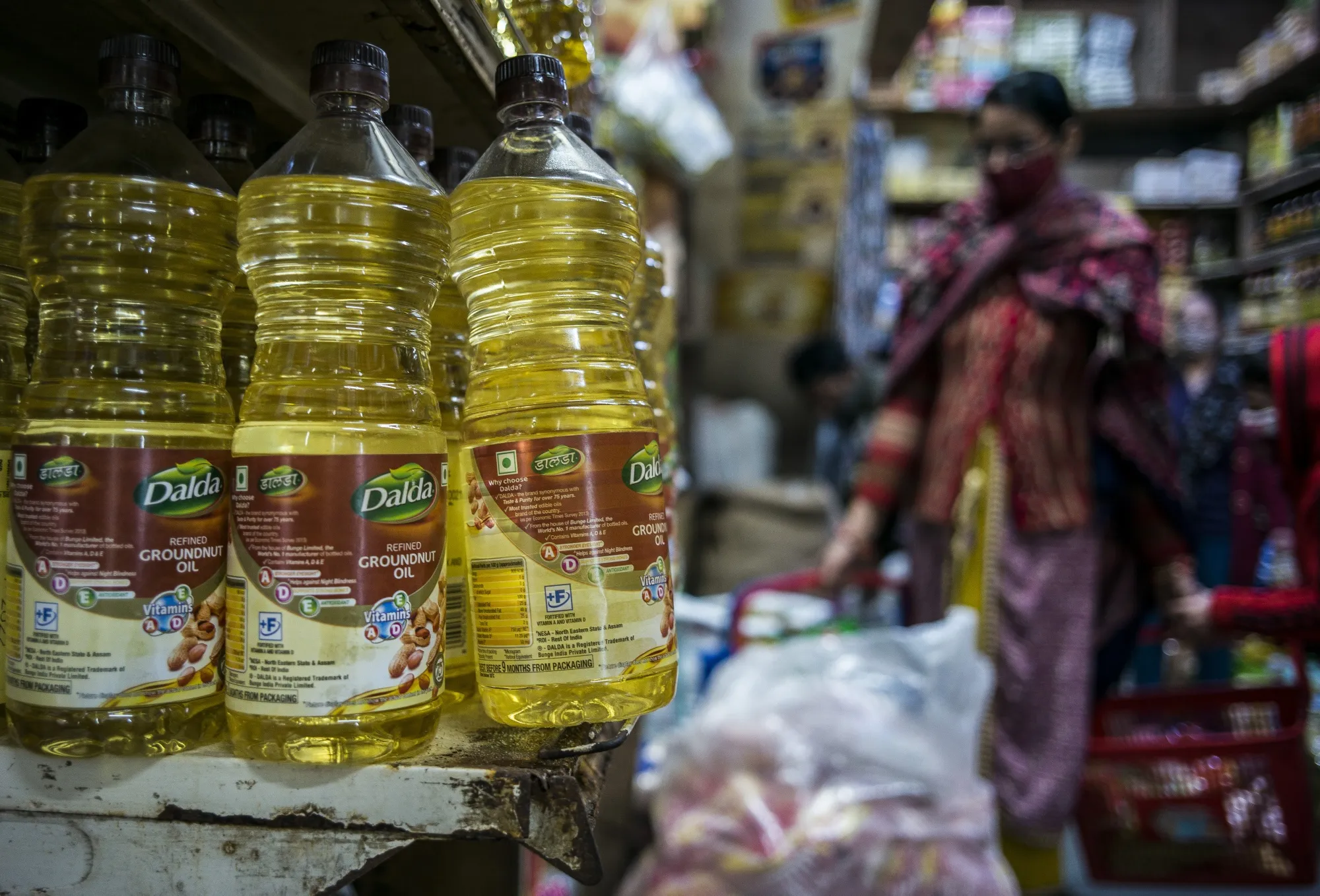
On the buy side: Large integrated agricultural input companies (UPL, Coromandel International, national cooperatives' procurement arms) with established credit facilities and forward hedging access can capture emergency procurement premiums during monsoon related shortages while hedging their base cost exposure through commodity derivatives. These operators typically secure 200-400 basis point premiums on emergency pulse and oilseed imports when domestic harvests disappoint. On the sell side: Regional fertilizer distributors and independent input dealers without derivatives access lose 300-500 basis points as energy cost pass-through lags behind wholesale price increases. Crisil cautioned that US tariffs pose risks to India's exports and investments, adding uncertainty to imported input costs. For traders and intermediaries: Margins concentrate in the temporal arbitrage buying ahead of seasonal tightness and selling into peak demand periods, but this requires sophisticated inventory financing and weather forecasting capabilities.
For observers: Watch the Monsoon Core Zone rainfall data from IMD through August 2026. The impact could be particularly severe in Gujarat, Rajasthan, Madhya Pradesh, Chhattisgarh, Odisha, Maharashtra and Jharkhand. Uneven distribution of rainfall could pose a bigger challenge this kharif season than the headline deficit. If July-August cumulative rainfall falls below 85% of normal in these core zones, expect emergency import tenders for pulses by September 2026, creating margin opportunities for well-positioned importers with pre-negotiated supply agreements. The key indicator is not aggregate seasonal rainfall but the temporal concentration prolonged dry spells during July-September when standing crops like paddy, pulses, and oilseeds are at their most water-intensive stage convert normal seasonal pressure into acute supply shortfalls.


.jpg)
'%3e%3cg id='Final-Copy-2_2_' transform='translate(1275.000000, 200.000000)'%3e%3cpath class='st0' d='M7.4,12.8h6.8l3.1-11.6H7.4C4.2,1.2,1.6,3.8,1.6,7S4.2,12.8,7.4,12.8z'/%3e%3c/g%3e%3c/g%3e%3c/g%3e%3cg id='final---dec.11-2020'%3e%3cg id='_x30_208-our-toggle' transform='translate(-1275.000000, -200.000000)'%3e%3cg id='Final-Copy-2' transform='translate(1275.000000, 200.000000)'%3e%3cpath class='st1' d='M22.6,0H7.4c-3.9,0-7,3.1-7,7s3.1,7,7,7h15.2c3.9,0,7-3.1,7-7S26.4,0,22.6,0z M1.6,7c0-3.2,2.6-5.8,5.8-5.8 h9.9l-3.1,11.6H7.4C4.2,12.8,1.6,10.2,1.6,7z'/%3e%3cpath id='x' class='st2' d='M24.6,4c0.2,0.2,0.2,0.6,0,0.8l0,0L22.5,7l2.2,2.2c0.2,0.2,0.2,0.6,0,0.8c-0.2,0.2-0.6,0.2-0.8,0 l0,0l-2.2-2.2L19.5,10c-0.2,0.2-0.6,0.2-0.8,0c-0.2-0.2-0.2-0.6,0-0.8l0,0L20.8,7l-2.2-2.2c-0.2-0.2-0.2-0.6,0-0.8 c0.2-0.2,0.6-0.2,0.8,0l0,0l2.2,2.2L23.8,4C24,3.8,24.4,3.8,24.6,4z'/%3e%3cpath id='y' class='st3' d='M12.7,4.1c0.2,0.2,0.3,0.6,0.1,0.8l0,0L8.6,9.8C8.5,9.9,8.4,10,8.3,10c-0.2,0.1-0.5,0.1-0.7-0.1l0,0 L5.4,7.7c-0.2-0.2-0.2-0.6,0-0.8c0.2-0.2,0.6-0.2,0.8,0l0,0L8,8.6l3.8-4.5C12,3.9,12.4,3.9,12.7,4.1z'/%3e%3c/g%3e%3c/g%3e%3c/g%3e%3c/g%3e%3c/svg%3e) Privacy Choices
Privacy Choices