.avif)
Ukrainian wheat millers gain access to the world's second-largest flour market as China formally opens its borders to processed Ukrainian wheat after signing a bilateral protocol on April 6, 2026. The agreement creates a processing margin opportunity of approximately $50-80/MT for millers who can deliver competitively against established Chinese domestic production and traditional suppliers like Kazakhstan. Wheat futures fell to $5.71/bushel on April 10, providing a lower input cost base for this new value-added export channel.
The protocol between Ukraine's State Service for Food Safety and Consumer Protection and China's General Administration of Customs establishes requirements for all stages of production and supply, from wheat cultivation to finished flour export, including full traceability and compliance with sanitary and phytosanitary standards. A phytosanitary protocol — a bilateral agreement setting inspection and health standards for agricultural products crossing international borders — is the legal foundation that enables commodity trade between countries with different regulatory systems. In effect, China has recognized that Ukraine's food safety control system meets high international standards. According to the head of the "Flour Millers of Ukraine" Union, the protocol creates a foundation for future shipments but does not guarantee quick commercial results, with China requiring full traceability of products from finished flour back to the origin of the wheat.
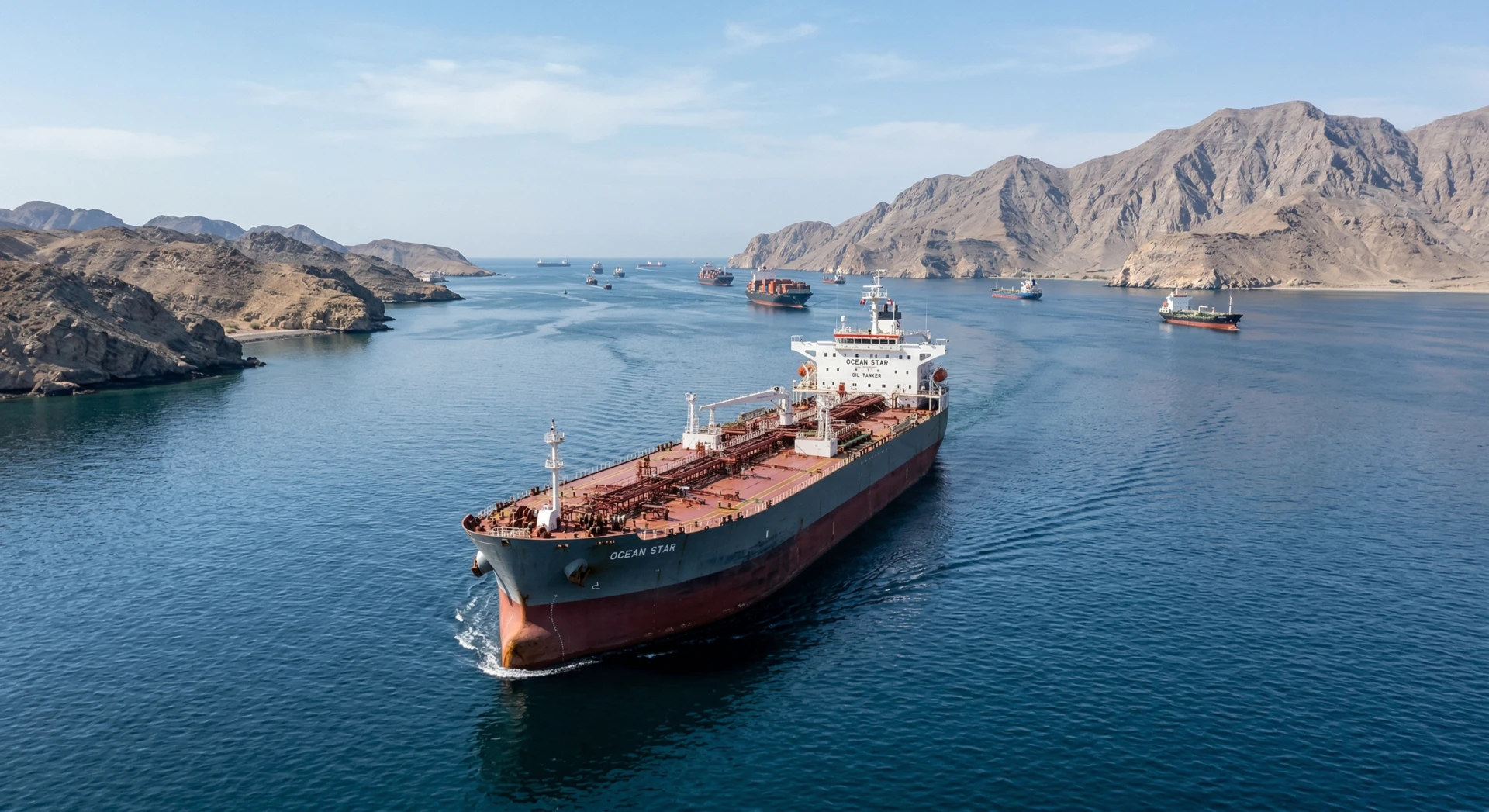
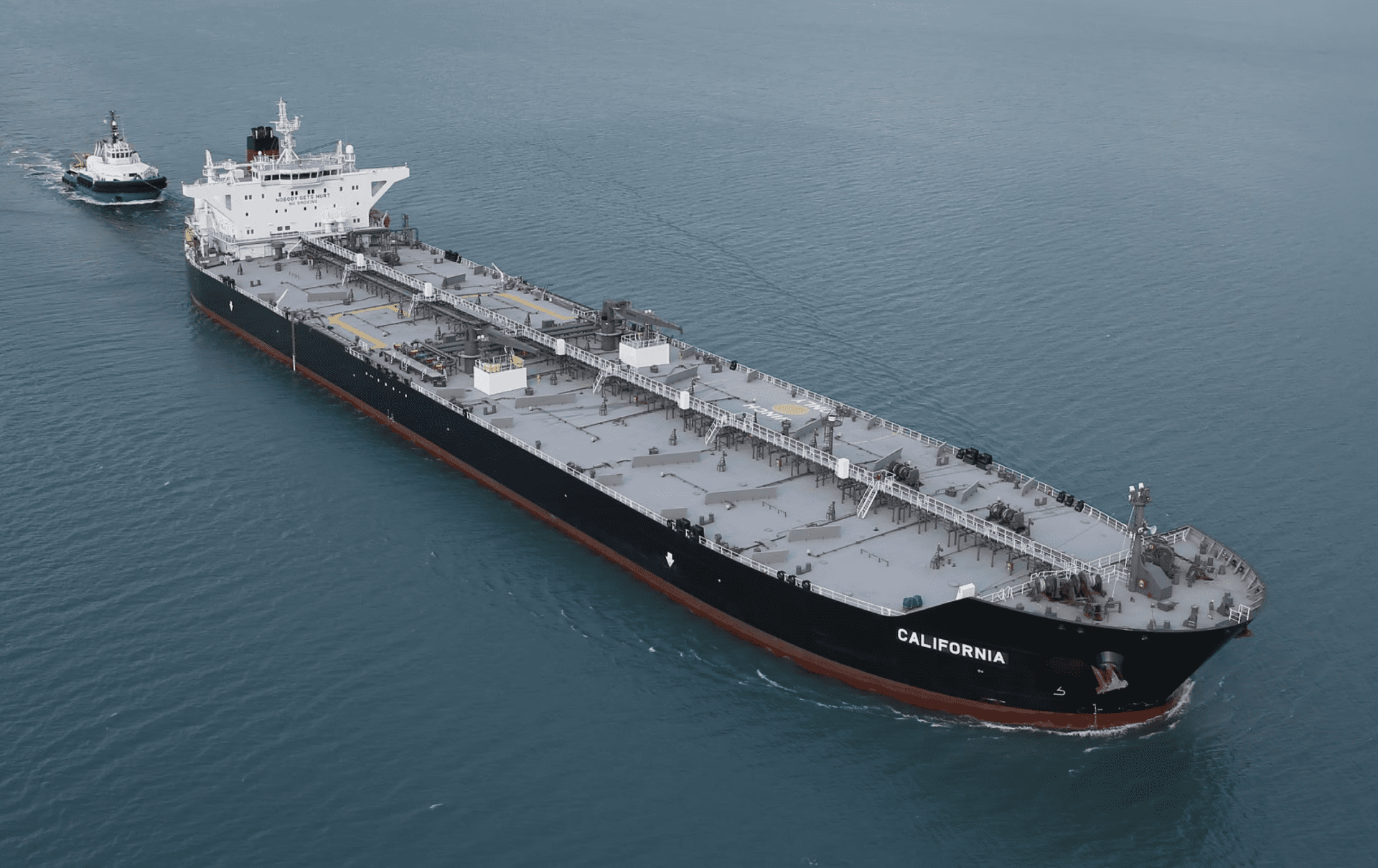
On the buy side, Chinese flour mills and food processors face new competition from Ukrainian imports at a time when domestic wheat stocks are abundant. The USDA projects world wheat inventories at 283.12 million metric tons for the 2025/26 marketing year, up from 276.96 million tons. For a mid-sized Chinese flour mill processing 200 MT daily, Ukrainian imports priced competitively could pressure margins by $10-15/MT depending on delivered cost versus domestic grain. On the sell side, Ukrainian millers operating under wartime conditions must weigh processing margins against operational risks. High tariffs, VAT, requirements for large shipment volumes, as well as risks to port infrastructure and expensive logistics complicate entry into this market. A Ukrainian mill shipping a 5,000-tonne cargo to Shanghai faces approximately 25-30 days transit time, requiring reliable power supply throughout the milling process and secure logistics to Black Sea ports.
For large integrated traders with global wheat positions (Cargill, Louis Dreyfus, COFCO), the protocol creates arbitrage opportunities between Black Sea wheat and Chinese flour demand, particularly during seasonal price dislocations. These operators can hedge input wheat costs on Chicago Board of Trade futures while securing flour supply contracts in China, capturing both processing margins and freight optimization. For smaller Ukrainian millers — regional cooperatives and independent processors without derivatives access — the practical approach involves bilateral supply agreements with Chinese importers, focusing on quality premiums over commodity wheat. These operators must establish traceability systems and quality certifications before commercial shipments begin. Implementing full traceability systems will take time, with China currently viewed as a strategic direction rather than a market for immediate exports.
The same week China welcomed Ukrainian flour, Beijing introduced rules blocking 39 of 66 Kazakh feed flour producers from exporting after requiring that all Kazakh feed flour be made exclusively from domestic grain, not Russian wheat. This regulatory shift suggests China is actively managing flour import sources for geopolitical and quality control reasons. The opening arrives alongside Egypt's decision to reject grain exported by Russia from occupied Ukrainian territories while increasing legitimate imports from Ukraine. For observers, monitor Ukraine's monthly flour export statistics through the Ukrainian Grain Association by May 15 for first commercial shipment announcements, and watch China's import data for Ukrainian HS code 1101 (wheat flour) volumes versus traditional suppliers Kazakhstan and Australia by June 30, 2026.

.jpg)

'%3e%3cg id='Final-Copy-2_2_' transform='translate(1275.000000, 200.000000)'%3e%3cpath class='st0' d='M7.4,12.8h6.8l3.1-11.6H7.4C4.2,1.2,1.6,3.8,1.6,7S4.2,12.8,7.4,12.8z'/%3e%3c/g%3e%3c/g%3e%3c/g%3e%3cg id='final---dec.11-2020'%3e%3cg id='_x30_208-our-toggle' transform='translate(-1275.000000, -200.000000)'%3e%3cg id='Final-Copy-2' transform='translate(1275.000000, 200.000000)'%3e%3cpath class='st1' d='M22.6,0H7.4c-3.9,0-7,3.1-7,7s3.1,7,7,7h15.2c3.9,0,7-3.1,7-7S26.4,0,22.6,0z M1.6,7c0-3.2,2.6-5.8,5.8-5.8 h9.9l-3.1,11.6H7.4C4.2,12.8,1.6,10.2,1.6,7z'/%3e%3cpath id='x' class='st2' d='M24.6,4c0.2,0.2,0.2,0.6,0,0.8l0,0L22.5,7l2.2,2.2c0.2,0.2,0.2,0.6,0,0.8c-0.2,0.2-0.6,0.2-0.8,0 l0,0l-2.2-2.2L19.5,10c-0.2,0.2-0.6,0.2-0.8,0c-0.2-0.2-0.2-0.6,0-0.8l0,0L20.8,7l-2.2-2.2c-0.2-0.2-0.2-0.6,0-0.8 c0.2-0.2,0.6-0.2,0.8,0l0,0l2.2,2.2L23.8,4C24,3.8,24.4,3.8,24.6,4z'/%3e%3cpath id='y' class='st3' d='M12.7,4.1c0.2,0.2,0.3,0.6,0.1,0.8l0,0L8.6,9.8C8.5,9.9,8.4,10,8.3,10c-0.2,0.1-0.5,0.1-0.7-0.1l0,0 L5.4,7.7c-0.2-0.2-0.2-0.6,0-0.8c0.2-0.2,0.6-0.2,0.8,0l0,0L8,8.6l3.8-4.5C12,3.9,12.4,3.9,12.7,4.1z'/%3e%3c/g%3e%3c/g%3e%3c/g%3e%3c/g%3e%3c/svg%3e) Privacy Choices
Privacy Choices