.avif)

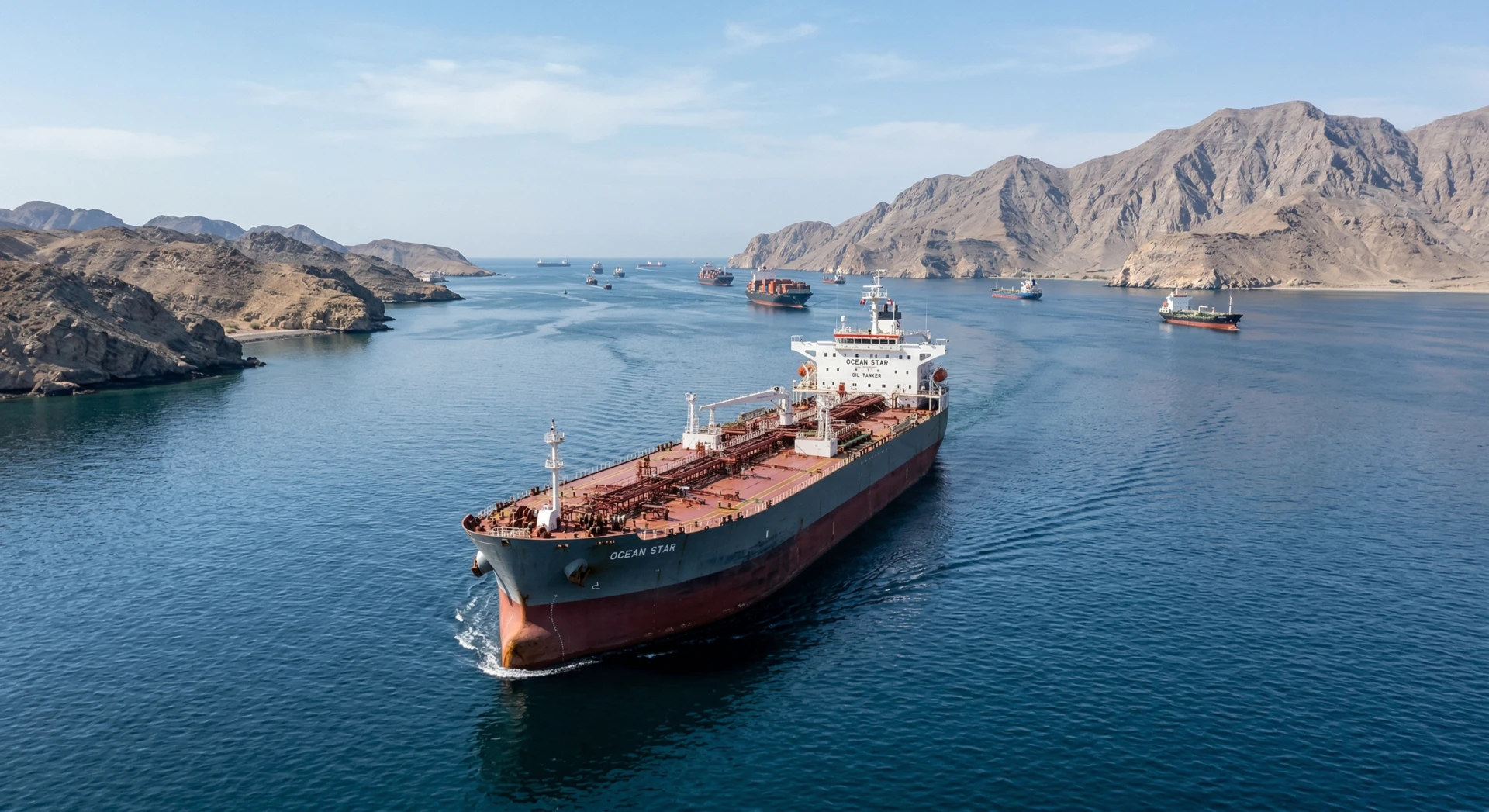
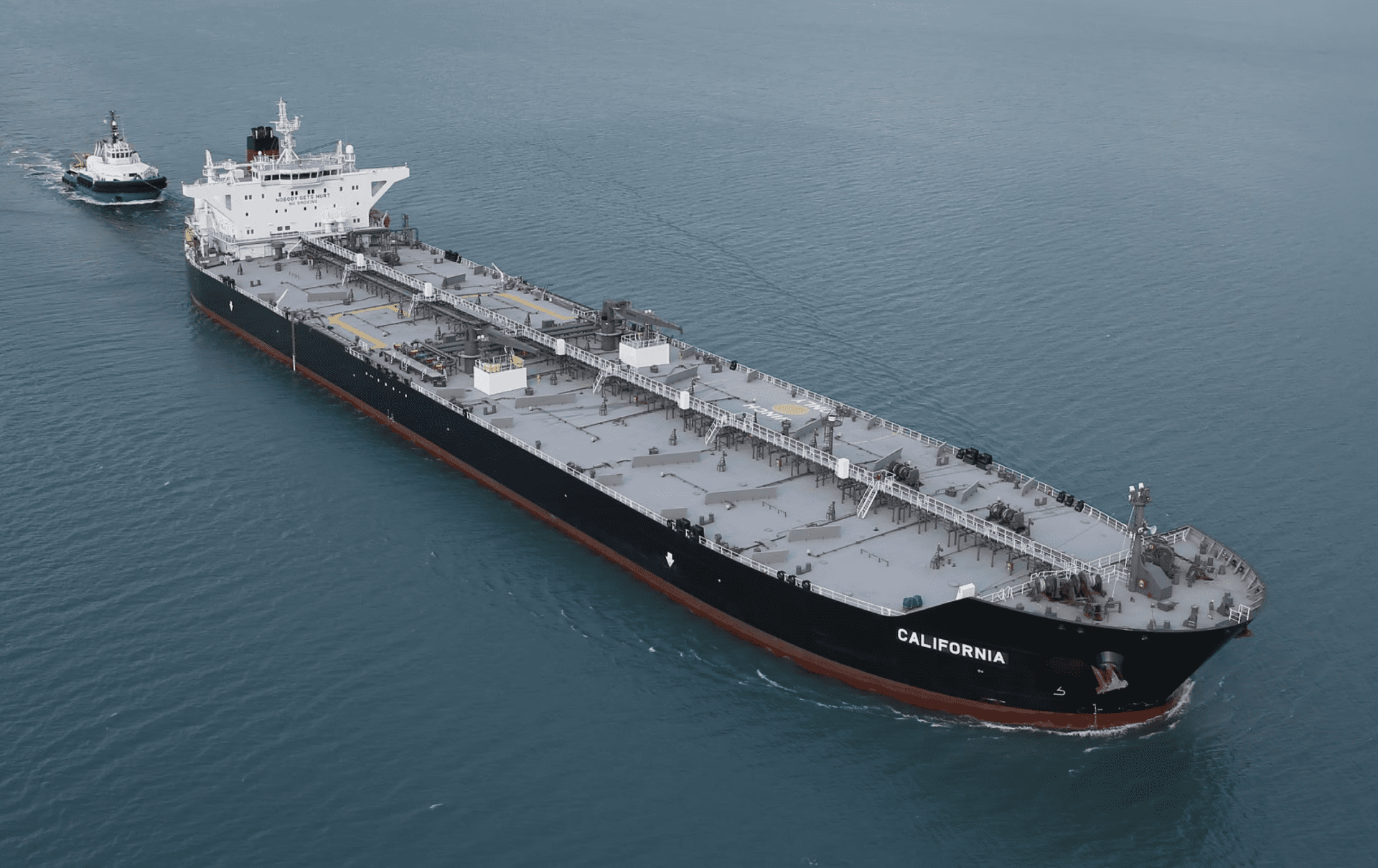
Baltic Dry operators across the Pacific are collecting temporary rate premiums worth roughly 129% year over year as the index reached 3,092 points on May 18, driven by Chinese export strength that masks underlying weakness in trading partner economies increasingly vulnerable to energy shocks. This surge represents phantom demand not sustainable consumption growth but inventory building by buyers hedging against future supply chain disruption. Capesize vessels are earning $43,413 per day, down $1,293 from recent highs, while panamax vessels collect $22,691 daily, up $163. The arithmetic is clear but temporary: higher freight revenues today create margin compression tomorrow when the inventory cycle reverses.
A structural disconnect where exports rise while domestic demand collapses defines China's current economic trajectory. Retail sales growth bottomed at 0.9% in December 2025, rose to 2.8% in early 2026, then slowed to 1.7% in March, dragged by a 9.1% drop in auto sales. Yet passenger car exports surged 60.6% year on year in Q1 while China's trade surplus jumped 20% to $1.19 trillion in 2025 the world's largest ever. Producer Price Index (PPI) inflation hit 45 month highs, creating a policy dilemma where aggressive monetary easing becomes harder to justify even as growth risks mount. The export engine is running in reverse: strong external sales driven by weak internal demand, flooding global markets with excess inventory.
Consider a mid-sized European steel importer sourcing 80,000 tonnes of Chinese hot rolled coil in Q1 2026. Normal quarterly demand: 60,000 tonnes. The additional 20,000 tonnes stockpiled due to concerns over potential Chinese supply disruption required an extra panamax voyage at current Baltic rates of roughly $22,691 daily. That cargo movement generates approximately $680,000 in freight revenue for the vessel operator over a 30 day round trip. Similar inventory building is visible across commodity categories: capesize vessels earning $23,000-23,500 daily on iron ore and coal trades, panamax rates averaging $17,000 per day driven by grain demand. The freight premium accrues entirely to shipowners, not cargo owners, creating a temporary windfall that obscures the underlying demand weakness.
On the buy side: Large integrated trading houses (Cargill, Louis Dreyfus, ADM) with derivatives access are hedging phantom demand through Baltic Forward Freight Agreements (FFAs), locking in current elevated rates while simultaneously shorting the underlying commodity flows they expect to weaken. Mid-sized regional operators face a "policy cliff" with temporary tariff surcharges expiring this summer, driving shorter, more flexible freight agreements. On the sell side: Pacific Basin operators with exposure to Chinese discharge ports face restricted ship supply around 60-70 capesize vessels affected by recent port fees, representing 3% of the fleet but creating appreciable market impact given the low vessel availability. The margin concentration benefits large operators with diversified geographic exposure while pressuring smaller players dependent on China-centric routes.
For large-scale operators (Oldendorff, Star Bulk, Genco): Lock Baltic FFA positions through Q3 2026 while the inventory surge sustains artificially high rates, but prepare for rate normalization by Q4 when stockpiles are worked down. For regional operators without derivatives access: Secure longer-term contracts now with European steel mills and grain importers before the phantom demand reverses, diversifying away from spot market exposure. For observers: Monitor emerging market import data monthly particularly South and Southeast Asia economies that contributed 2 percentage points to China's 5.4% export growth but face 0.3 percentage point downside GDP risk from energy shocks. When inventory building by China's trading partners peaks in Q3, Baltic rates will correct sharply as the front-loaded demand evaporates. The signal will be visible first in smaller vessel segments where inventory effects are amplified.
.jpg)


'%3e%3cg id='Final-Copy-2_2_' transform='translate(1275.000000, 200.000000)'%3e%3cpath class='st0' d='M7.4,12.8h6.8l3.1-11.6H7.4C4.2,1.2,1.6,3.8,1.6,7S4.2,12.8,7.4,12.8z'/%3e%3c/g%3e%3c/g%3e%3c/g%3e%3cg id='final---dec.11-2020'%3e%3cg id='_x30_208-our-toggle' transform='translate(-1275.000000, -200.000000)'%3e%3cg id='Final-Copy-2' transform='translate(1275.000000, 200.000000)'%3e%3cpath class='st1' d='M22.6,0H7.4c-3.9,0-7,3.1-7,7s3.1,7,7,7h15.2c3.9,0,7-3.1,7-7S26.4,0,22.6,0z M1.6,7c0-3.2,2.6-5.8,5.8-5.8 h9.9l-3.1,11.6H7.4C4.2,12.8,1.6,10.2,1.6,7z'/%3e%3cpath id='x' class='st2' d='M24.6,4c0.2,0.2,0.2,0.6,0,0.8l0,0L22.5,7l2.2,2.2c0.2,0.2,0.2,0.6,0,0.8c-0.2,0.2-0.6,0.2-0.8,0 l0,0l-2.2-2.2L19.5,10c-0.2,0.2-0.6,0.2-0.8,0c-0.2-0.2-0.2-0.6,0-0.8l0,0L20.8,7l-2.2-2.2c-0.2-0.2-0.2-0.6,0-0.8 c0.2-0.2,0.6-0.2,0.8,0l0,0l2.2,2.2L23.8,4C24,3.8,24.4,3.8,24.6,4z'/%3e%3cpath id='y' class='st3' d='M12.7,4.1c0.2,0.2,0.3,0.6,0.1,0.8l0,0L8.6,9.8C8.5,9.9,8.4,10,8.3,10c-0.2,0.1-0.5,0.1-0.7-0.1l0,0 L5.4,7.7c-0.2-0.2-0.2-0.6,0-0.8c0.2-0.2,0.6-0.2,0.8,0l0,0L8,8.6l3.8-4.5C12,3.9,12.4,3.9,12.7,4.1z'/%3e%3c/g%3e%3c/g%3e%3c/g%3e%3c/g%3e%3c/svg%3e) Privacy Choices
Privacy Choices