.avif)
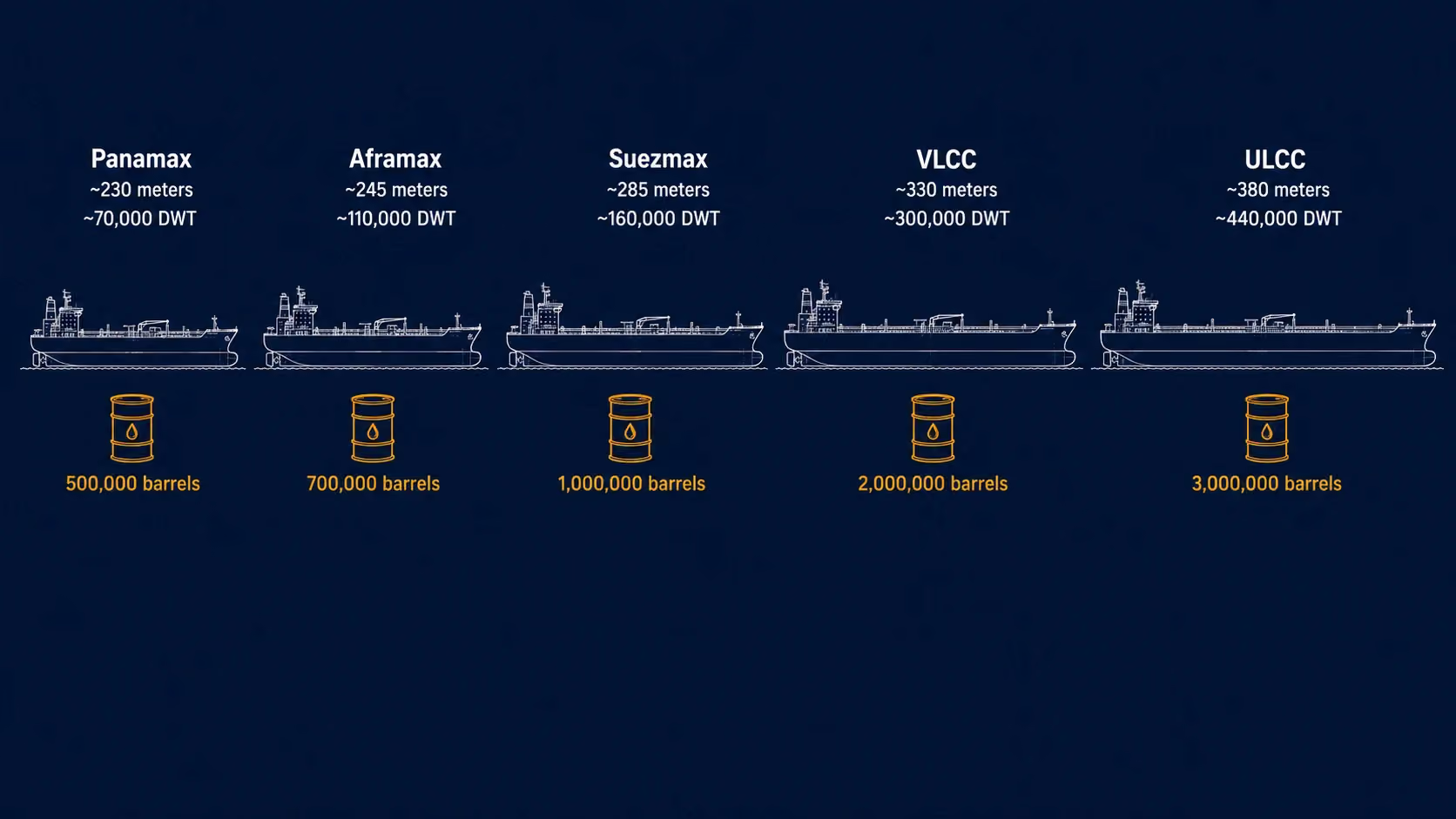
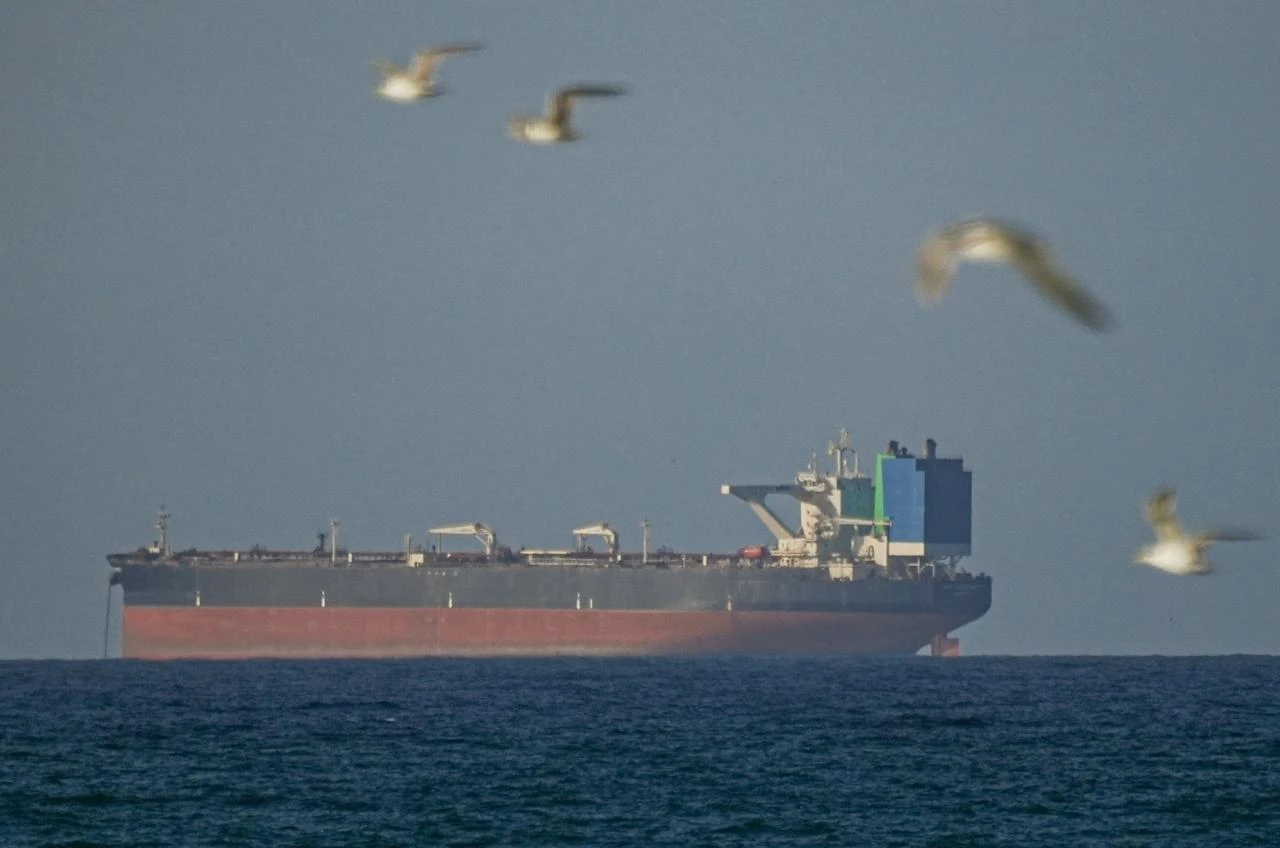
Tanker charter rates reached crisis-driven highs above $140,000 per day for Very Large Crude Carriers (VLCCs) vessels capable of carrying 2 million barrels as the effective closure of the Strait of Hormuz disrupted global oil flows. Teekay Tankers secured VLCC bookings at $141,800 per day on 71% of available days, while Suezmaxes and Aframaxes commanded $121,800 and $98,000 per day respectively. These rates represent crisis premiums 300-400% above normal levels of $20,000-40,000 per day. Bank of America raised Teekay's price target to $75 while maintaining an "underperform" rating, highlighting the temporary nature of these extraordinary margins.
Following US and Israeli strikes against Iran on February 28, Middle East crude exports dropped by approximately 10 million barrels per day versus pre-war levels. The Strait of Hormuz a 33 kilometre wide chokepoint through which 20% of global oil supplies typically flow remains effectively blocked, forcing Atlantic basin exports to increase by roughly 4 to 4.5 million barrels per day. This imbalance creates massive voyage inefficiencies: crude oil from the US Gulf Coast now travels 14,000 nautical miles to reach Asian refineries via the Cape of Good Hope, compared to 8,500 miles from the Middle East via Suez. The additional 5,500 nautical miles translates to 14-21 extra days at sea per voyage.
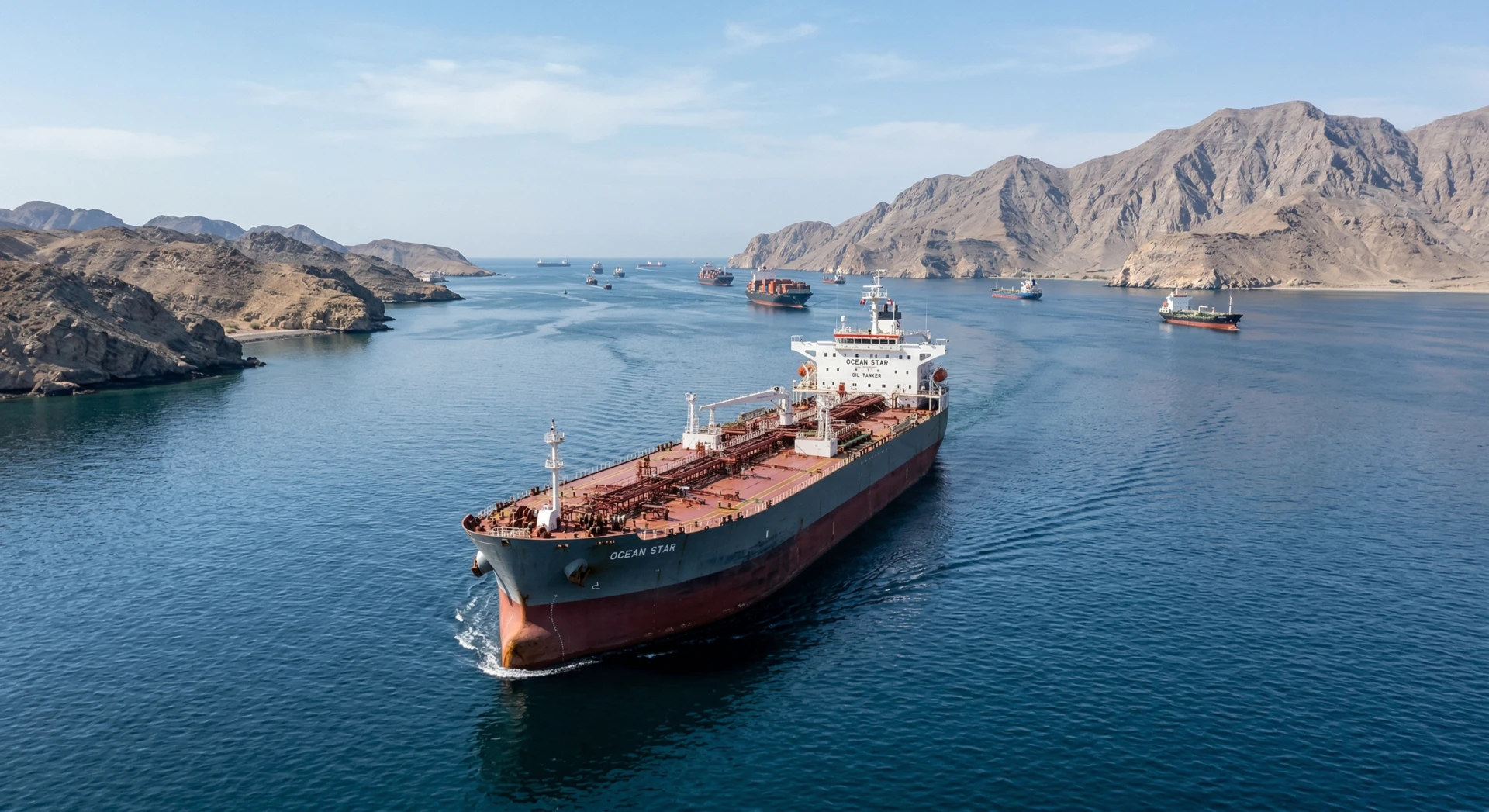
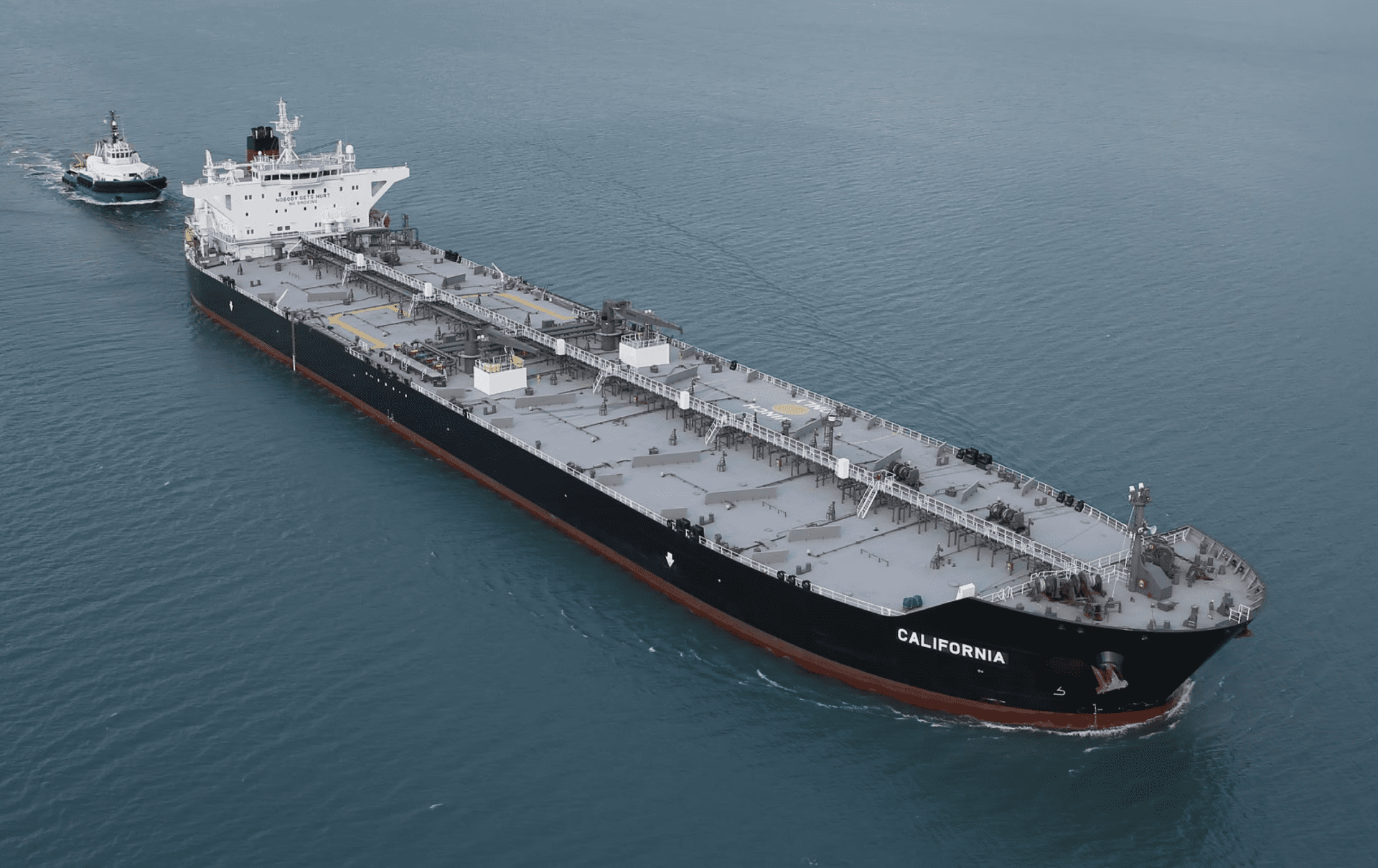
Around 100 tankers of Aframax size or larger are trapped west of Hormuz, including 59 VLCCs about 8% of the non-sanctioned VLCC fleet. This supply reduction operates independently of the demand surge from longer voyages. Consider a standard VLCC earning calculation: at current rates of $141,800 per day, a 25 day voyage from the US Gulf to China generates approximately $3.5 million in freight revenue. The same cargo from the Middle East pre-crisis earned roughly $600,000-800,000 at $30,000 per day for 20-25 days. The freight differential $2.7-2.9 million per cargo now represents 15-20% of the cargo's total delivered value, making freight a primary profit center rather than a logistics cost.
On the buy side, crude importers face freight costs that have tripled their total landed cost calculations. An Asian refinery importing 2 million barrels from the US Gulf now absorbs approximately $1.75 per barrel in additional freight costs compared to pre-crisis Middle East supply equivalent to adding $3.5 million to each cargo's delivered price. For a 200,000 barrel per day refinery, this translates to $35 million monthly in extra freight exposure. Smaller regional importers without derivatives access cannot hedge this freight volatility and must either absorb the cost, reduce import volumes, or pass increases to consumers. Several Indian state refineries have reportedly delayed discretionary purchases, preferring to draw down inventory rather than pay crisis premiums.
On the sell side, tanker owners with modern tonnage are capturing the highest margins in their operational history. Teekay Tankers reported first-quarter net income of $153.6 million, or $4.42 per share, roughly double the $76 million earned a year earlier. The company generated approximately $143 million in free cash flow during Q1, equating to a 30% yield on their Q1 2025 closing share price. However, these margins concentrate among owners of modern, compliant vessels. Older tankers or those operating in sanctioned trades cannot access the premium spot market. The margin bifurcation is stark: modern VLCCs earn $140,000+ per day while 15-20 year old vessels struggle to achieve $60,000-80,000 per day on secondary routes.
For large integrated traders like Trafigura, Vitol, or national oil companies' trading arms, the crisis creates both cost pressure and arbitrage opportunities. These operators can hedge freight exposure through Forward Freight Agreements (FFAs) on the Baltic Exchange, locking in current high rates for future periods or selling freight swaps to offset physical exposure. The Baltic Dirty Tanker Index (BDTI) which measures crude oil transportation costs reached 2,249 points on May 20, providing liquid hedging instruments. Integrated traders also benefit from their operational scale: chartering 10-15 VLCCs monthly allows them to negotiate time charter coverage at slight discounts to prevailing spot rates while securing tonnage availability.
For smaller regional operators mid-sized fuel importers, independent distributors, regional cooperatives without derivatives access, the freight spike creates existential margin pressure. These operators typically operate on 2-4% gross margins and cannot absorb freight costs that now represent 15-20% of cargo value. Their practical response involves securing medium-term charter coverage at elevated but predictable rates, diversifying supply sources to include closer alternatives, and adjusting inventory cycles to reduce voyage frequency. Several operators have out-chartered vessels at $60,000-80,000 per day for 10-12 month periods, securing earnings visibility while sacrificing upside exposure.
The freight premium's sustainability depends on physical bottlenecks that history suggests will resolve. BofA noted that rates may have passed their peak and are beginning to pull back as premiums subside. The last comparable disruption the Iran-Iraq tanker war of the 1980s saw freight rates triple within weeks but normalize within 6-12 months once alternative routing stabilized and spare capacity deployed. Current alternative flows from the US Gulf, West Africa, and Brazil cannot indefinitely sustain 400% freight premiums once charterers adjust to longer voyage profiles and additional tonnage enters service. For observers, the Baltic Exchange's US Gulf-China index at $91,731 per day and West Africa-China at $99,407 per day provide real-time signals of rate direction. A sustained decline below $80,000 per day for VLCCs would indicate crisis premiums are normalizing, while moves above $150,000 per day would suggest additional supply disruptions.
.jpg)


'%3e%3cg id='Final-Copy-2_2_' transform='translate(1275.000000, 200.000000)'%3e%3cpath class='st0' d='M7.4,12.8h6.8l3.1-11.6H7.4C4.2,1.2,1.6,3.8,1.6,7S4.2,12.8,7.4,12.8z'/%3e%3c/g%3e%3c/g%3e%3c/g%3e%3cg id='final---dec.11-2020'%3e%3cg id='_x30_208-our-toggle' transform='translate(-1275.000000, -200.000000)'%3e%3cg id='Final-Copy-2' transform='translate(1275.000000, 200.000000)'%3e%3cpath class='st1' d='M22.6,0H7.4c-3.9,0-7,3.1-7,7s3.1,7,7,7h15.2c3.9,0,7-3.1,7-7S26.4,0,22.6,0z M1.6,7c0-3.2,2.6-5.8,5.8-5.8 h9.9l-3.1,11.6H7.4C4.2,12.8,1.6,10.2,1.6,7z'/%3e%3cpath id='x' class='st2' d='M24.6,4c0.2,0.2,0.2,0.6,0,0.8l0,0L22.5,7l2.2,2.2c0.2,0.2,0.2,0.6,0,0.8c-0.2,0.2-0.6,0.2-0.8,0 l0,0l-2.2-2.2L19.5,10c-0.2,0.2-0.6,0.2-0.8,0c-0.2-0.2-0.2-0.6,0-0.8l0,0L20.8,7l-2.2-2.2c-0.2-0.2-0.2-0.6,0-0.8 c0.2-0.2,0.6-0.2,0.8,0l0,0l2.2,2.2L23.8,4C24,3.8,24.4,3.8,24.6,4z'/%3e%3cpath id='y' class='st3' d='M12.7,4.1c0.2,0.2,0.3,0.6,0.1,0.8l0,0L8.6,9.8C8.5,9.9,8.4,10,8.3,10c-0.2,0.1-0.5,0.1-0.7-0.1l0,0 L5.4,7.7c-0.2-0.2-0.2-0.6,0-0.8c0.2-0.2,0.6-0.2,0.8,0l0,0L8,8.6l3.8-4.5C12,3.9,12.4,3.9,12.7,4.1z'/%3e%3c/g%3e%3c/g%3e%3c/g%3e%3c/g%3e%3c/svg%3e) Privacy Choices
Privacy Choices