.avif)
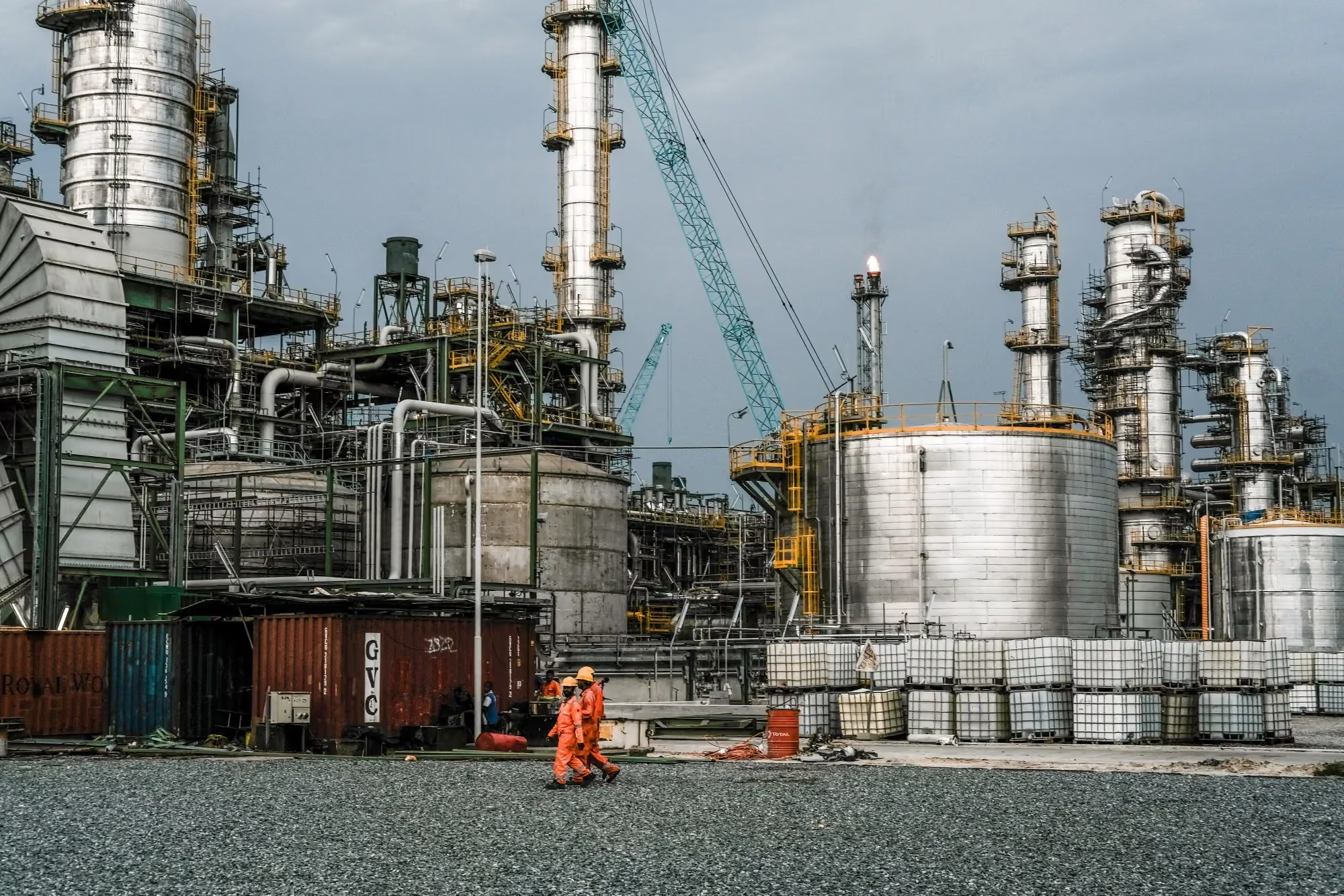
Nigeria's Dangote refinery has captured the world's largest jet fuel export position by operating at maximum aviation fuel production mode during a global supply crisis that shows no sign of resolution. The 650,000 barrel per day refinery became the world's single largest jet fuel exporter in April 2026 after Middle East supply disruptions reshaped global aviation fuel markets. With Brent crude trading at $95.25/barrel on June 5, the facility is capturing premiums estimated at $10-15/barrel above traditional Gulf suppliers as buyers pay for geopolitical risk avoidance. The S&P Global report described the move bluntly: "After the Middle East war began, Dangote shifted to 'max jet mode,' and in April it became the world's single largest exporter of aviation fuel."
The commercial consequence centers on aviation fuel trade flows worth approximately $2 billion monthly that have permanently shifted from traditional Middle East exporters to West African supply sources. Shipment data compiled by analytics firm Kpler showed that the refinery's jet fuel exports surged by about 770 percent between April 2024 and April 2026. Export volumes reportedly climbed from about 18,000 barrels per day (bpd) during the early phase of operations to a record 158,000 bpd in April 2026. For context, 158,000 bpd represents roughly 4.7 million gallons daily equivalent to fueling approximately 2,350 Boeing 777 flights from Lagos to London. The premium economics are stark: at current export rates, Dangote captures an additional $1.6-2.4 million daily compared to pre-crisis margins.
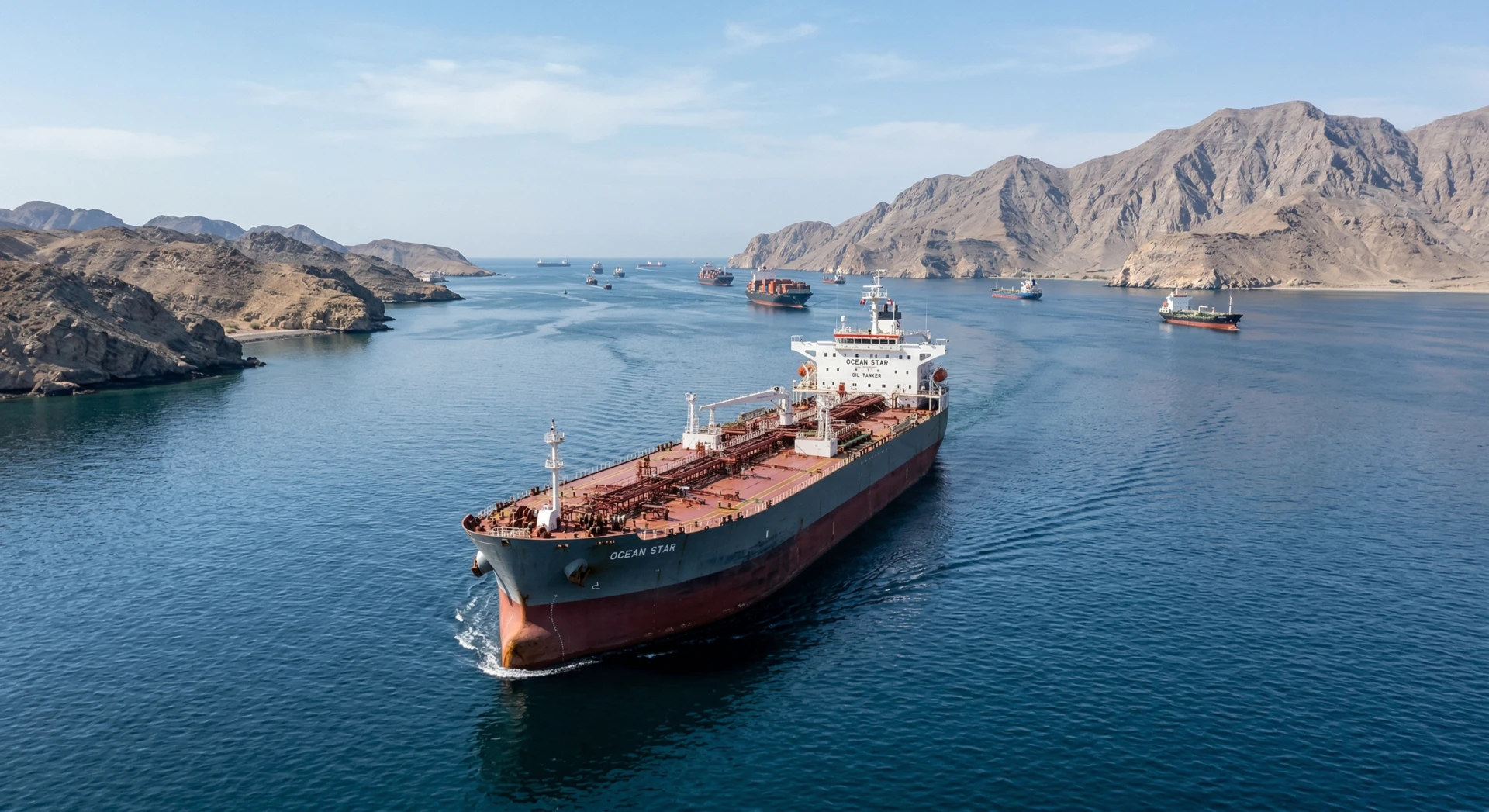
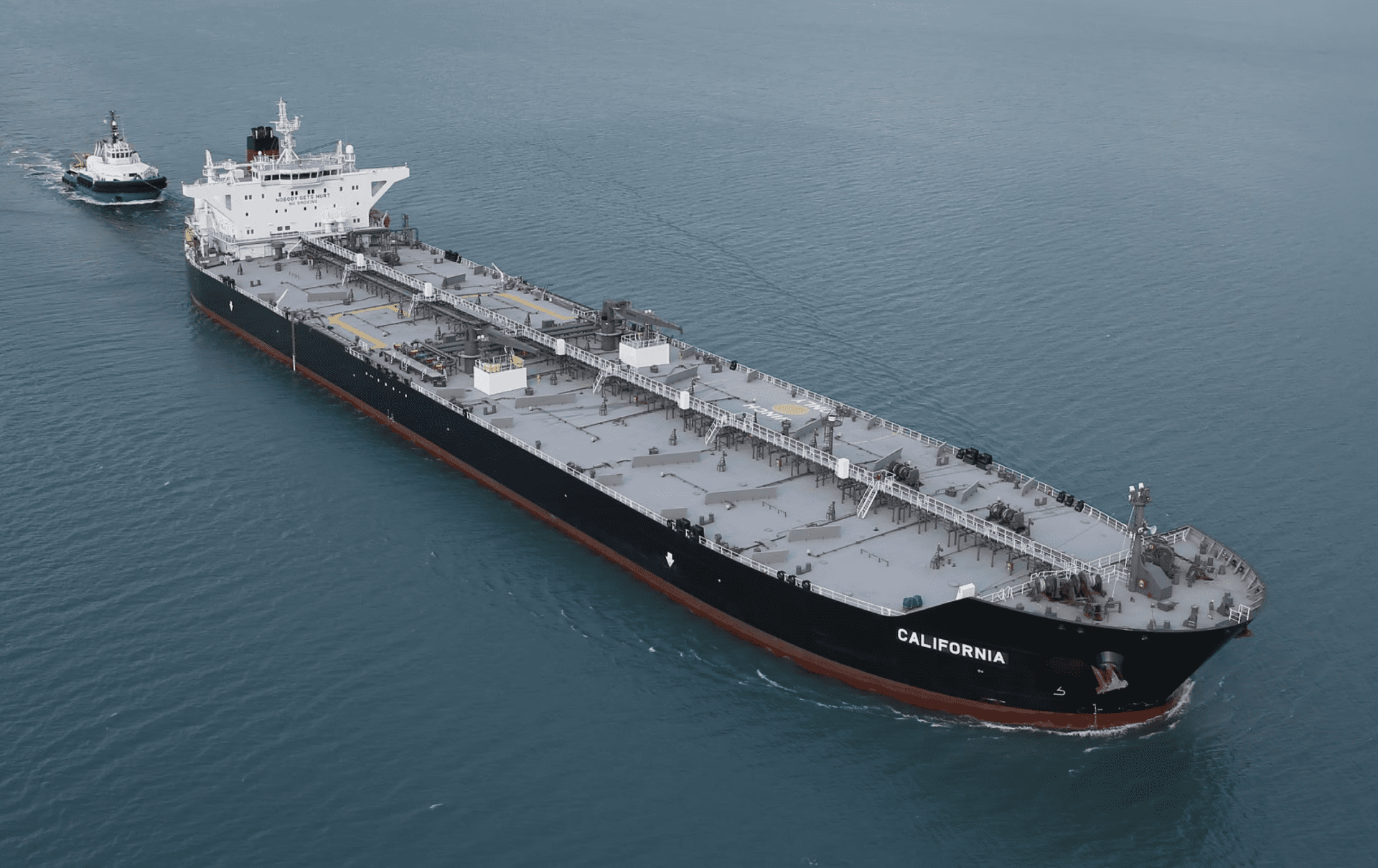
The Strait of Hormuz disruption through which roughly a fifth of global oil supplies normally pass has created a structural freight advantage for West African aviation fuel suppliers. A tanker from Lagos can reach European ports in nearly half the time without the need to navigate contested waters. Consider the physical reality: a Medium Range (MR) tanker carrying 35,000 tonnes of jet fuel from Lagos to Amsterdam covers approximately 3,200 nautical miles in 8-9 days at 15 knots. The same cargo from Kuwait's Mina Al-Ahmadi terminal if the strait were open covers 6,100 nautical miles requiring 17-18 days transit, plus risk premiums that have pushed war risk insurance to $0.25-0.50/tonne versus $0.05/tonne for West African routes.
Dangote's rapid pivot to maximum jet fuel production leverages sophisticated blending capabilities that process around 40 different crude types with expansion plans targeting over 100. To achieve that output, the refinery imported additional feedstocks including GTL naphtha and Bonny condensate to boost refined product yields beyond its base configuration. The flexible blending systems allow the facility to optimize yields for high demand products during supply disruptions. A typical 650,000 bpd refinery running on Nigerian Bonny Light crude normally yields approximately 20-25% jet fuel. By importing additional condensate and adjusting the crude slate, Dangote can push jet fuel yields to 30-35%, adding roughly 32,500-65,000 bpd of incremental aviation fuel production.
On the buy side, European jet fuel buyers are paying premium prices for supply security outside traditional Gulf routes. Europe emerged as the biggest destination for Dangote's aviation fuel exports, receiving about 70,000 bpd in April 2026. Major European fuel distributors including Vitol, Shell Trading, and BP are securing long-term aviation fuel supply agreements with African refineries to reduce exposure to Middle East geopolitical risk. Airlines including Air France-KLM, Lufthansa Group, and British Airways are implementing geographic diversification strategies for fuel procurement, accepting 5-8% higher costs to secure non-Gulf supply sources.
On the sell side, traditional Middle East jet fuel exporters are losing market share and margin concentration to alternative supply sources. Kuwait's state-owned Kuwait Petroleum International and Saudi Aramco Trading historically dominant in European aviation fuel markets have seen their market positioning eroded as buyers seek supply security over cost optimization. Reliance Industries' Jamnagar refinery complex in India, normally a major jet fuel exporter to Europe and Africa, faces similar challenges as buyers question supply reliability from Asian facilities dependent on Middle East crude feedstocks.
For large integrated traders including Trafigura, Vitol, and Gunvor, the margin opportunity concentrates in freight arbitrage and regional supply balancing. A typical jet fuel arbitrage cargo from Lagos to Rotterdam generates $2.8-3.5 million gross margin at current spreads, compared to $1.1-1.4 million in normal market conditions. These traders are securing medium-term charter agreements for MR tankers on West Africa-Europe routes, locking in freight rates at $18,000-22,000/day versus spot rates approaching $35,000/day for vessels willing to transit Middle East routes.
For smaller regional operators mid-sized European fuel distributors, independent African aviation fuel suppliers, regional airline fuel buyers the strategy involves bilateral supply agreements and inventory management adjustments. A mid-sized European distributor might secure a 12 month agreement for 15,000-20,000 tonnes monthly from Dangote at fixed premiums of $8-12/tonne above Platts CIF NWE Jet, providing price certainty while avoiding spot market volatility that has reached $25-40/tonne premiums during supply disruption periods.
The financing dimension reveals how commodity trade financing structures determine margin capture during supply disruptions. West African jet fuel exports typically operate on 90-120 day letter of credit terms, with established international banks providing trade finance at LIBOR+150-200 basis points. Middle East suppliers, historically offering 60-90 day terms at LIBOR+75-100 basis points, now face extended payment terms and higher financing costs as banks price geopolitical risk into credit facilities. The additional 30-60 days of financing exposure costs Dangote approximately $0.15-0.30/barrel but provides competitive advantage when buyers prioritize supply security over financing efficiency.
Dangote's export success depends entirely on continued Hormuz disruption premiums creating economic incentives for buyers to source aviation fuel from higher-cost West African facilities. The world's most important energy chokepoint remains a shadow of its former self, with shipowners still reluctant to return despite growing talk of reopening. Under normal circumstances, around 100 cargo-carrying vessels pass through the waterway every day. "Traffic still remains exceptionally depleted," Matt Smith, director of commodity research at Kpler, told CNN. If Middle East supply normalizes within 90-120 days, Nigerian jet fuel exports lose their competitive advantage against established Gulf refineries with $5-8/barrel lower feedstock costs and 40-50% shorter shipping distances to major Asian demand centers.
For observers monitoring this structural shift, the critical indicator is the Platts Singapore Jet Fuel-Gasoil spread versus the CIF NWE Jet-Gasoil spread differential. When Singapore jet fuel premiums exceed Northwest Europe premiums by more than $15-20/barrel for consecutive weeks, it signals Asian buyers are securing alternative supply sources and reducing dependence on traditional Gulf exporters. The tipping point occurs when this spread differential contracts below $8-10/barrel, indicating normalized Middle East supply flows and reduced geopolitical risk premiums in Asian aviation fuel markets.

.jpg)

'%3e%3cg id='Final-Copy-2_2_' transform='translate(1275.000000, 200.000000)'%3e%3cpath class='st0' d='M7.4,12.8h6.8l3.1-11.6H7.4C4.2,1.2,1.6,3.8,1.6,7S4.2,12.8,7.4,12.8z'/%3e%3c/g%3e%3c/g%3e%3c/g%3e%3cg id='final---dec.11-2020'%3e%3cg id='_x30_208-our-toggle' transform='translate(-1275.000000, -200.000000)'%3e%3cg id='Final-Copy-2' transform='translate(1275.000000, 200.000000)'%3e%3cpath class='st1' d='M22.6,0H7.4c-3.9,0-7,3.1-7,7s3.1,7,7,7h15.2c3.9,0,7-3.1,7-7S26.4,0,22.6,0z M1.6,7c0-3.2,2.6-5.8,5.8-5.8 h9.9l-3.1,11.6H7.4C4.2,12.8,1.6,10.2,1.6,7z'/%3e%3cpath id='x' class='st2' d='M24.6,4c0.2,0.2,0.2,0.6,0,0.8l0,0L22.5,7l2.2,2.2c0.2,0.2,0.2,0.6,0,0.8c-0.2,0.2-0.6,0.2-0.8,0 l0,0l-2.2-2.2L19.5,10c-0.2,0.2-0.6,0.2-0.8,0c-0.2-0.2-0.2-0.6,0-0.8l0,0L20.8,7l-2.2-2.2c-0.2-0.2-0.2-0.6,0-0.8 c0.2-0.2,0.6-0.2,0.8,0l0,0l2.2,2.2L23.8,4C24,3.8,24.4,3.8,24.6,4z'/%3e%3cpath id='y' class='st3' d='M12.7,4.1c0.2,0.2,0.3,0.6,0.1,0.8l0,0L8.6,9.8C8.5,9.9,8.4,10,8.3,10c-0.2,0.1-0.5,0.1-0.7-0.1l0,0 L5.4,7.7c-0.2-0.2-0.2-0.6,0-0.8c0.2-0.2,0.6-0.2,0.8,0l0,0L8,8.6l3.8-4.5C12,3.9,12.4,3.9,12.7,4.1z'/%3e%3c/g%3e%3c/g%3e%3c/g%3e%3c/g%3e%3c/svg%3e) Privacy Choices
Privacy Choices