.avif)
Egyptian grain importers face an immediate 2-million-ton supply shortfall after President El-Sisi agreed to stop accepting Russian grain looted from occupied Ukrainian territories — a flow worth approximately $400 million annually that represented nearly 40% of Egypt's shadow fleet grain purchases. The decision forces Cairo's wheat buyers to source replacement volumes within 30 days from legitimate suppliers, likely driving Egyptian import costs up by $5-15 per metric ton as buyers shift from discounted stolen grain to market-rate legitimate supply. Egypt's General Authority for Supply Commodities (GASC) — the state grain buyer that handles roughly 60% of the country's 12-million-ton annual wheat imports — now must quickly establish new supplier relationships while domestic flour millers scramble to secure direct bilateral contracts.
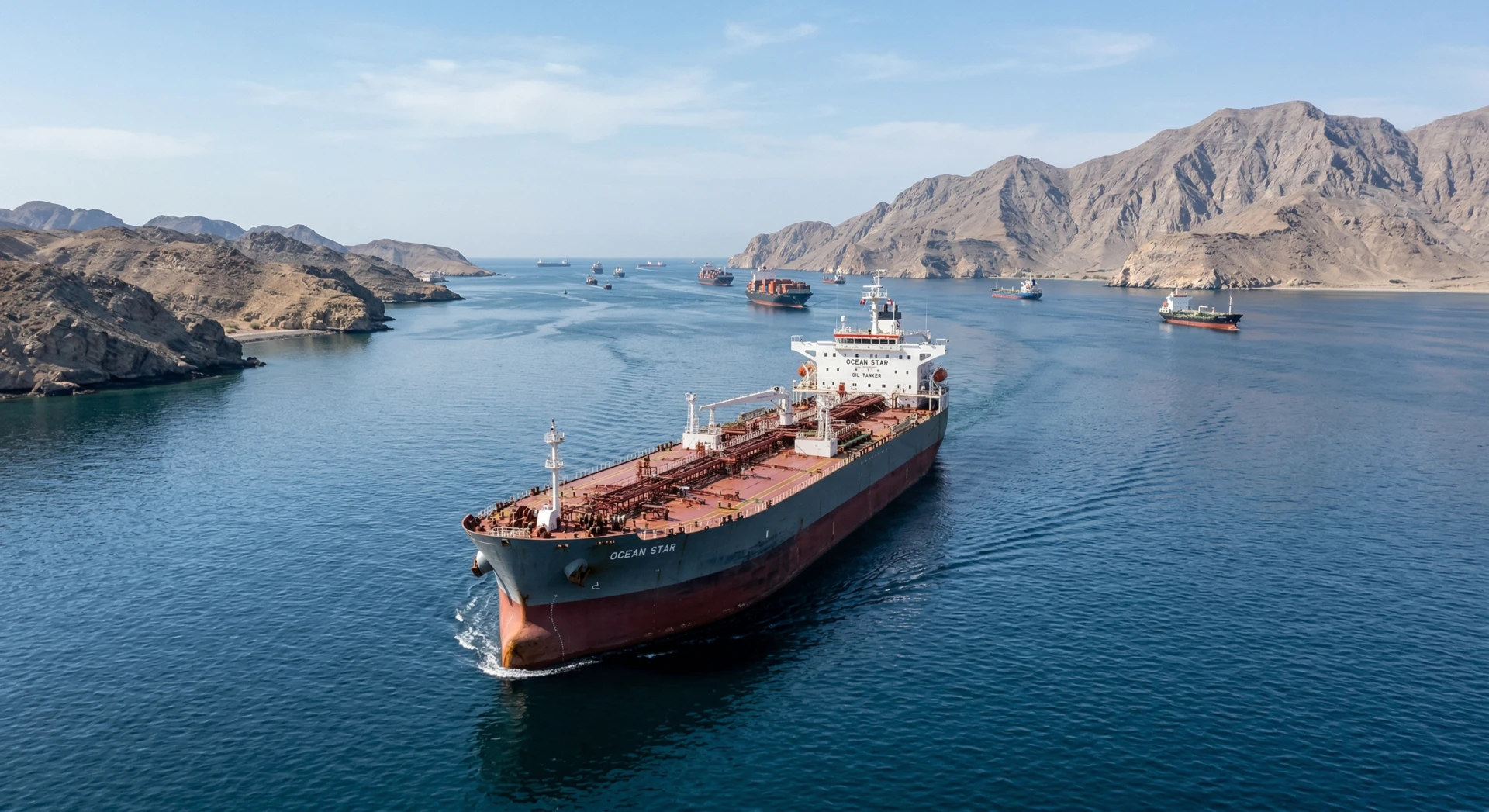
A shadow fleet in grain trade refers to vessels that transport commodities outside normal commercial channels, often using falsified documentation to obscure the true origin of cargo. In this case, Ukrainian officials identified 43 vessels and 39 ship captains operating primarily from Russian-controlled ports in Crimea and the Sea of Azov, loading grain that Russia allegedly looted from occupied Ukrainian agricultural areas. These ships typically operate with outdated or altered automatic identification systems (AIS) — maritime tracking technology required by international law — and carry falsified bills of lading that list Russian ports as the origin rather than Ukrainian territory. The practice allowed Moscow to monetize stolen Ukrainian grain while offering Egyptian buyers wheat at below-market prices, creating an artificial arbitrage that legitimate traders could not match.
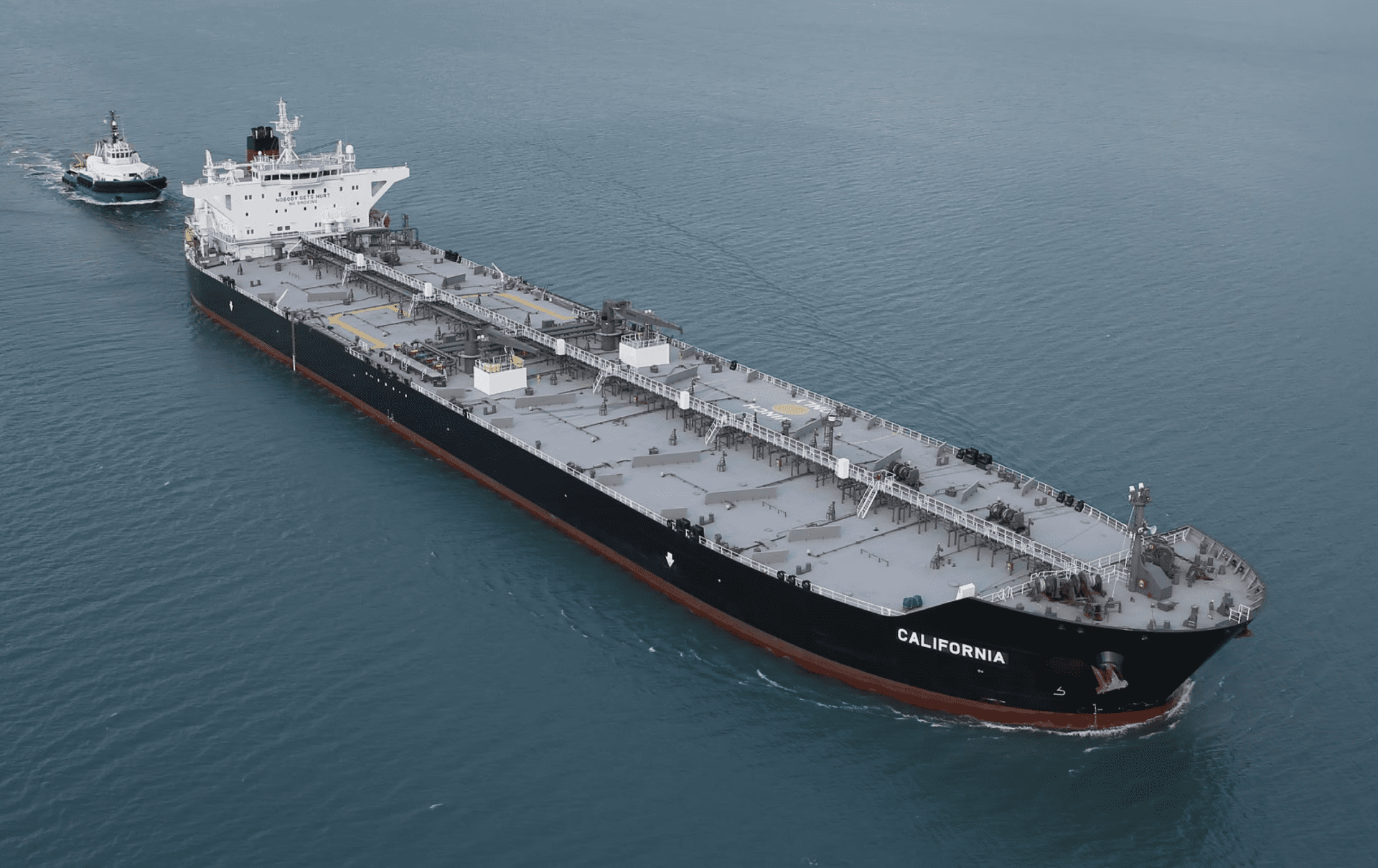
The mechanics of Egypt's grain verification problem reveal why this trade persisted for nearly two years. Consider a Panamax bulk carrier — a dry cargo ship capable of carrying 65,000-75,000 tons of grain — arriving at Alexandria port with wheat allegedly from Rostov-on-Don, a legitimate Russian export terminal. Egyptian port authorities rely on certificates of origin and bills of lading to verify cargo, but these documents routinely listed Russian ports even when the actual loading occurred at seized Ukrainian facilities like Sevastopol or Berdyansk. Current port inspection technology cannot forensically distinguish between wheat grown in Russia's Rostov region and grain harvested from Ukraine's Zaporizhzhia region — both produce similar winter wheat grades. The Egyptian Quarantine Authority checks for pests and moisture content, not political provenance, creating a documentation gap that shadow fleet operators systematically exploited.
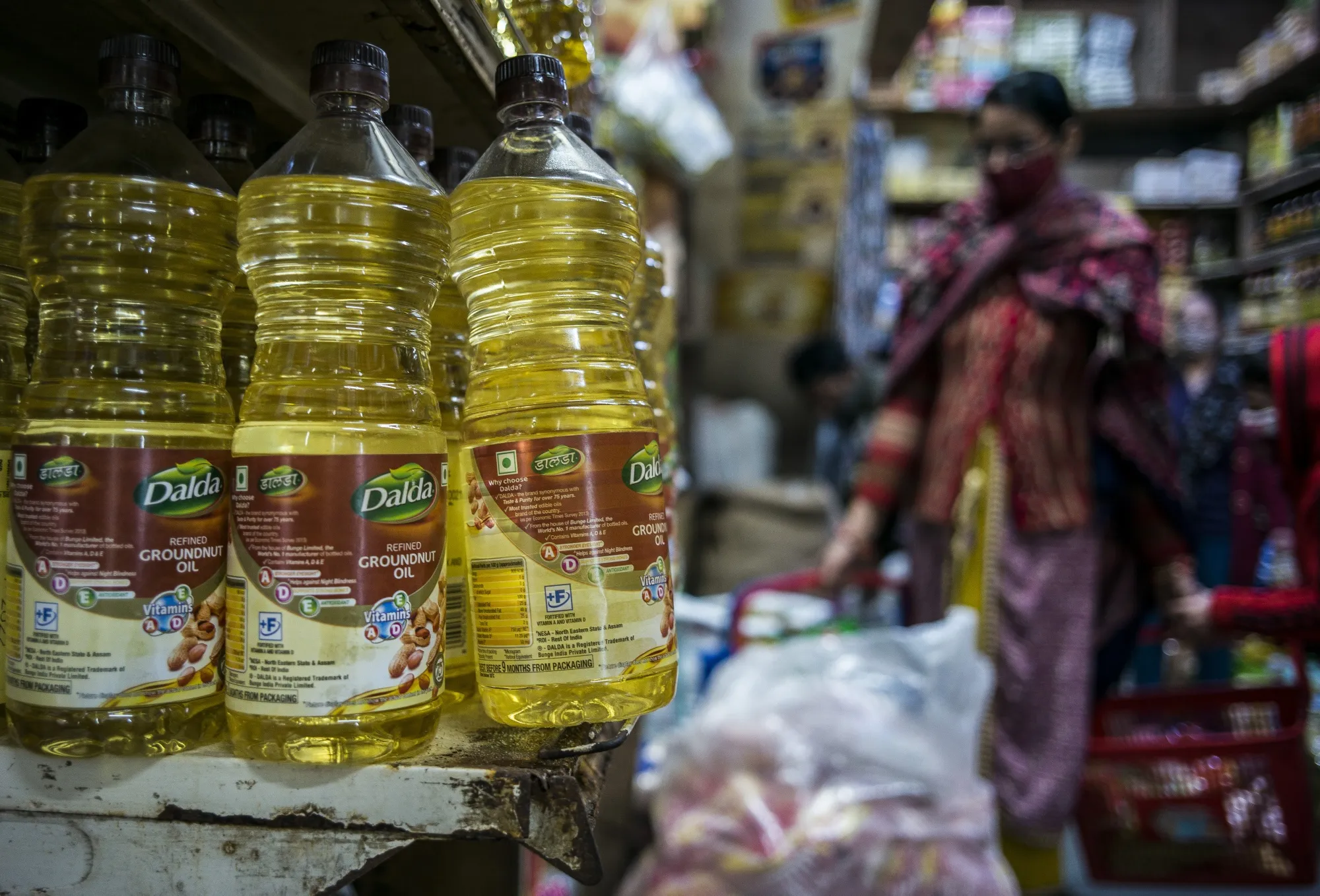
On the buy side, Egyptian flour millers and GASC face immediate cost pressure and supply chain disruption. GASC typically purchases wheat through monthly international tenders, securing 500,000-700,000 tons per purchase at prices benchmarked to Chicago Board of Trade futures plus freight and insurance. The shadow fleet wheat came at an estimated discount of $5-15/MT below legitimate Russian export prices — a meaningful savings on Egypt's massive import volumes that helped Cairo manage food subsidy costs. Without this discount supply, Egyptian buyers must now compete in legitimate markets where Ukrainian wheat trades at parity or premium to Russian grain, depending on protein content and harvest timing. For private flour millers operating on razor-thin margins — typically 2-4% of flour sale price — the loss of discounted feedstock forces immediate cost pass-through to Egyptian bakeries or margin compression.
On the sell side, Ukrainian grain exporters gain access to premium Egyptian demand while Russian traders face route displacement worth $160 million annually. Ukrainian exporters can now compete directly for Egyptian business that was previously captured by shadow fleet operations, potentially commanding premium pricing over Russian alternatives due to Egypt's diplomatic commitment to sourcing legitimate grain. The Ukrainian Grain Association estimates that regaining 40% of the shadow fleet's Egyptian sales — roughly 800,000 tons annually — would add $40-120 million in export revenue, assuming the $5-15/MT premium over shadow fleet pricing holds. Conversely, legitimate Russian grain traders lose a guaranteed sales channel and must redirect approximately 800,000 tons of Egyptian-bound shipments to alternative buyers, likely in North Africa or Middle East markets with less favorable freight economics from Black Sea loading ports.
For large integrated grain traders like Cargill, ADM, or Louis Dreyfus — companies with global supply networks and derivatives market access — the Egyptian pivot creates both hedging complexity and arbitrage opportunity. These operators can quickly establish new Ukrainian supplier relationships through existing Black Sea infrastructure, potentially locking in forward delivery contracts before spot prices adjust to reflect the supply shift. Their derivatives trading desks can hedge against Ukrainian hryvnia currency risk and use wheat futures to manage price exposure across multiple delivery months. Smaller regional importers — independent Egyptian flour mills or regional grain cooperatives — face greater operational challenges without access to sophisticated financial instruments. These operators typically rely on bilateral supplier relationships and letters of credit financing, making rapid supplier transitions more difficult and expensive. Their practical equivalent involves immediately contacting established Ukrainian grain traders for direct supply agreements and potentially accepting shorter payment terms to secure prompt delivery.
The Egyptian pivot creates a 30-day window for market observers to track whether legitimate suppliers can quickly fill the shadow fleet gap. Watch Ukraine's State Statistics Service monthly grain export data, typically released 15-20 days after month-end, for evidence of increased Egypt-bound shipments from Ukrainian ports like Odesa or Chornomorsk. A sustained increase in Ukrainian wheat exports to Egypt above 100,000 tons monthly — compared to the pre-war average of 50,000-60,000 tons — would confirm successful route substitution. For those monitoring freight markets, watch the Baltic Exchange's BSI (Baltic Supramax Index) and BCI (Baltic Capesize Index) for vessels loading grain from Ukrainian ports versus Russian alternatives — if Ukrainian port queues extend beyond normal 3-5 day wait times while Russian grain vessels show excess capacity, the arbitrage gap between legitimate and shadow fleet pricing is closing faster than supply chains can adjust.

.jpg)

'%3e%3cg id='Final-Copy-2_2_' transform='translate(1275.000000, 200.000000)'%3e%3cpath class='st0' d='M7.4,12.8h6.8l3.1-11.6H7.4C4.2,1.2,1.6,3.8,1.6,7S4.2,12.8,7.4,12.8z'/%3e%3c/g%3e%3c/g%3e%3c/g%3e%3cg id='final---dec.11-2020'%3e%3cg id='_x30_208-our-toggle' transform='translate(-1275.000000, -200.000000)'%3e%3cg id='Final-Copy-2' transform='translate(1275.000000, 200.000000)'%3e%3cpath class='st1' d='M22.6,0H7.4c-3.9,0-7,3.1-7,7s3.1,7,7,7h15.2c3.9,0,7-3.1,7-7S26.4,0,22.6,0z M1.6,7c0-3.2,2.6-5.8,5.8-5.8 h9.9l-3.1,11.6H7.4C4.2,12.8,1.6,10.2,1.6,7z'/%3e%3cpath id='x' class='st2' d='M24.6,4c0.2,0.2,0.2,0.6,0,0.8l0,0L22.5,7l2.2,2.2c0.2,0.2,0.2,0.6,0,0.8c-0.2,0.2-0.6,0.2-0.8,0 l0,0l-2.2-2.2L19.5,10c-0.2,0.2-0.6,0.2-0.8,0c-0.2-0.2-0.2-0.6,0-0.8l0,0L20.8,7l-2.2-2.2c-0.2-0.2-0.2-0.6,0-0.8 c0.2-0.2,0.6-0.2,0.8,0l0,0l2.2,2.2L23.8,4C24,3.8,24.4,3.8,24.6,4z'/%3e%3cpath id='y' class='st3' d='M12.7,4.1c0.2,0.2,0.3,0.6,0.1,0.8l0,0L8.6,9.8C8.5,9.9,8.4,10,8.3,10c-0.2,0.1-0.5,0.1-0.7-0.1l0,0 L5.4,7.7c-0.2-0.2-0.2-0.6,0-0.8c0.2-0.2,0.6-0.2,0.8,0l0,0L8,8.6l3.8-4.5C12,3.9,12.4,3.9,12.7,4.1z'/%3e%3c/g%3e%3c/g%3e%3c/g%3e%3c/g%3e%3c/svg%3e) Privacy Choices
Privacy Choices