.avif)

Fertilizer importers worldwide face immediate margin compression of $250-400/MT as nitrogen (urea) prices climbed above $850/MT in April up 80% since February while sulfur and phosphate prices have doubled since January. This crisis stems from the Strait of Hormuz closure disrupting roughly 30-35% of global urea exports and 20-30% of ammonia exports, but the deeper commercial reality is that fertilizer supply chains require 3-6 month lead times from production to field application. Even if Hormuz reopened tomorrow, the supply shock is already locked in through Q4 2026, as Iran halted ammonia production and Qatar suspended urea manufacturing following LNG production halts.
For a mid-sized European fertilizer importer handling 50,000 MT annually, the arithmetic is stark. Before the crisis, delivered DAP (diammonium phosphate) a key phosphate fertilizer containing both nitrogen and phosphorus cost approximately $600/MT landed in Hamburg. DAP prices rose more than 10% in April, driven by tightening supply conditions and sulfur prices that have doubled since January. Gulf DAP prices surged from $583/MT in January 2025 to nearly $800/MT by August, representing a 36% increase in eight months. Add freight premiums of $40-60/MT for alternative routing around Africa and insurance surcharges of $15-25/MT, and the same cargo now costs $900-950/MT delivered. That $300-350/MT increase erases operating margins entirely for importers working on traditional 8-12% gross margins.
The Hormuz chokepoint disruption triggered price spikes that reverberated quickly across importing markets, with urea prices jumping 55% since the conflict began in late February. Urea and ammonia prices surged by around 50% and 20%, respectively, since the war began. But this is not merely a transportation crisis it is a production crisis. The Persian Gulf region is not just a shipping route; it is the world's fertilizer manufacturing hub. The Persian Gulf accounts for roughly 30-35% of global urea exports and around 20-30% of ammonia exports, meaning alternative supply sources cannot easily replace the lost volume.
On the buy side, agricultural cooperatives and large farming operations face impossible arithmetic. Since mid-December, urea is up $100/MT, with UAN (urea ammonium nitrate) and anhydrous ammonia poised to jump, while phosphate is likely to rally as soon as spring demand appears. A 5,000 hectare corn operation in Ukraine typically applies 200 kg/hectare of nitrogen fertilizer. At previous prices of $400/MT for urea (46% nitrogen), the fertilizer cost was $174/hectare. At current prices of $700/MT, the same application costs $305/hectare a $131/hectare increase that adds $655,000 to the operation's annual input bill. In Argentina, benchmark urea prices surged to around $1,000/MT from $500 before the crisis, while the FAO warned global fertilizer prices could average 15-20% higher in H1 2026 if the crisis continues.
On the sell side, non-Gulf fertilizer producers are capturing extraordinary margins but cannot scale quickly enough to offset global shortfalls. A urea plant in Egypt or Algeria that previously competed at $450/MT FOB now achieves $700/MT while operating at maximum capacity. Analysts report FOB granular urea in Egypt a bellwether of nitrogen fertilizers jumped to around $700/MT, up from $400-490 before the war began. That $250/MT windfall flows directly to producers' margins, but global urea nameplate capacity outside the Gulf cannot replace 35% of world exports. Sulfur price increases in Q3 and Q4 pulled marginal phosphate production off the market, causing stripping margins for phosphate producers to collapse through the floor, with some geographies showing negative gross margins.
For large integrated traders like Yara, Mosaic, or CF Industries with global production footprints, the crisis creates mixed impacts. Their North American and European plants benefit from premium pricing while their procurement arms face supply shortages. New North American ammonia capacity is coming online, which should help over the longer term. A major trader can hedge price exposure through forward sales contracts and maintain inventory buffers, but cannot escape the fundamental supply constraint. The commercial strategy shifts to maximizing margins on limited volume rather than volume growth.
For smaller regional fertilizer distributors agricultural cooperatives, independent dealers, rural supply companies without derivatives access or inventory financing, the crisis demands immediate operational adjustments. They cannot hedge price risk but must secure supply months ahead of planting seasons. The practical equivalent becomes bilateral long-term supply agreements with North American or European producers, accepting 15-25% price premiums in exchange for delivery certainty. China changes its export rules with little notice, creating uncertainty for buyers and sellers worldwide, with each policy shift rippling quickly through international prices and eventually into farm budgets.
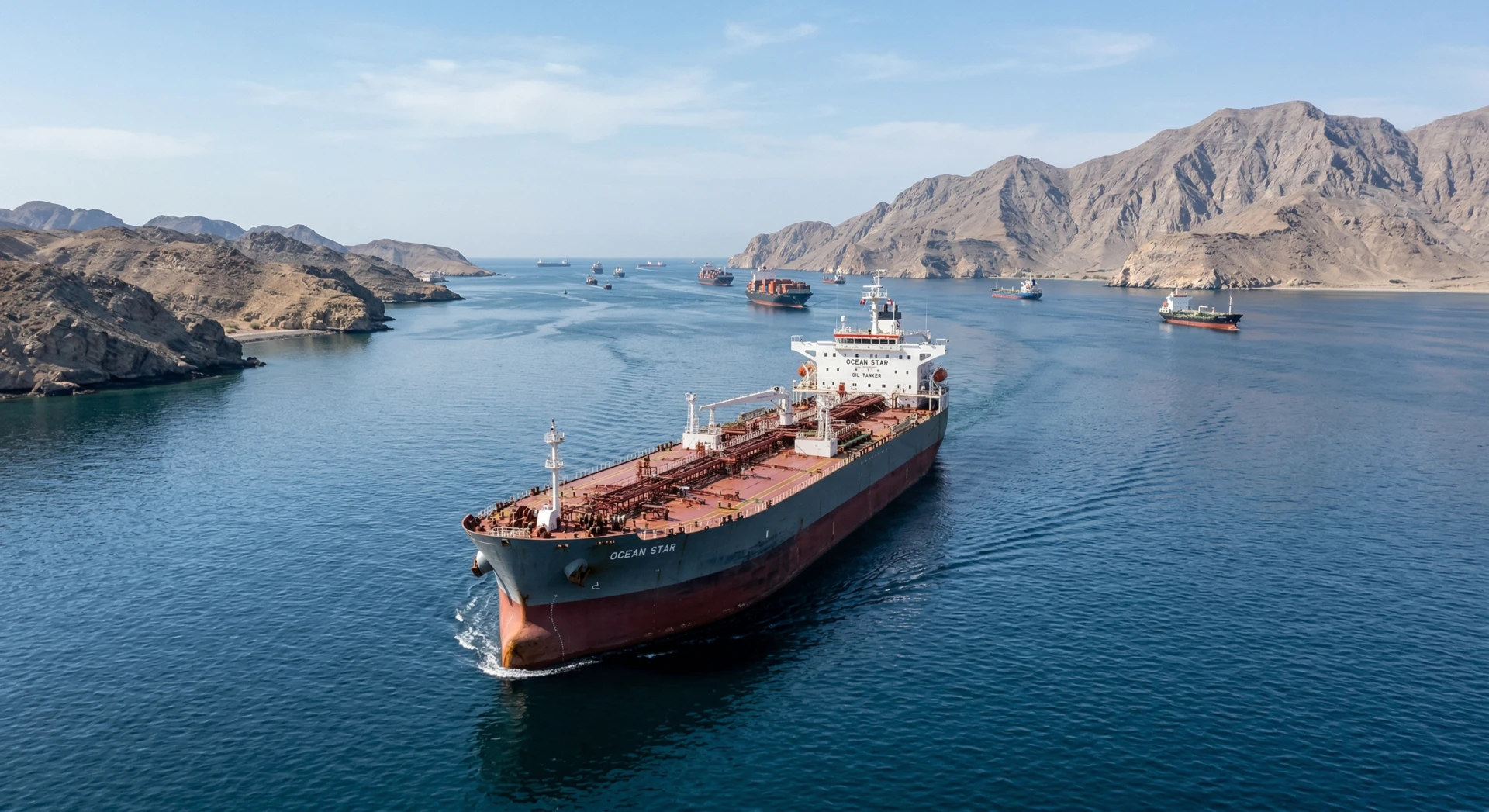
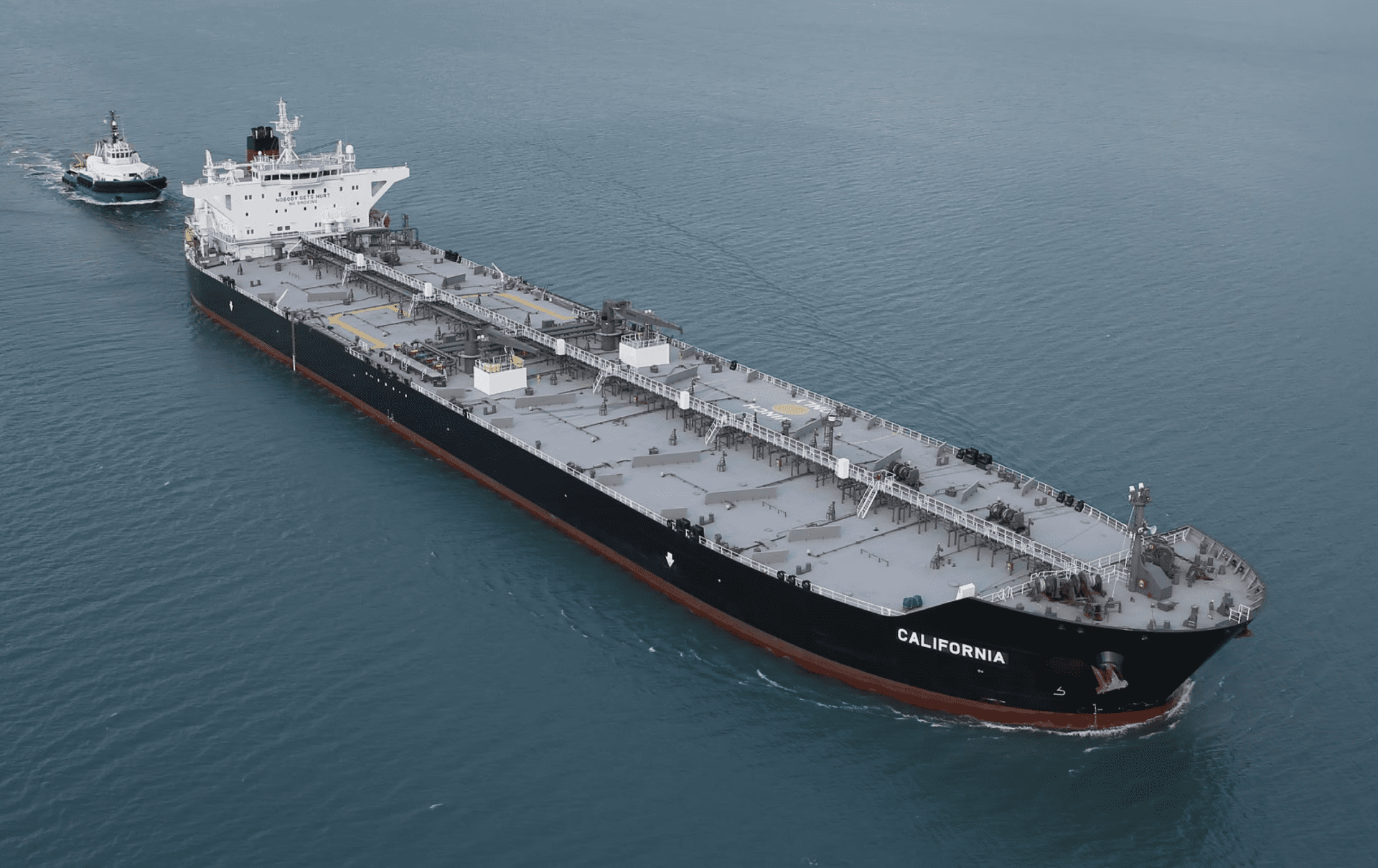
Urea prices are projected to rise nearly 60% in 2026 before easing in 2027 as Middle East exports recover and natural gas prices moderate, but risks remain tilted upward including prolonged shipping disruptions from the Middle East. The freight dimension amplifies the crisis because fertilizer shipping requires specialized bulk carriers and dedicated storage facilities. Alternative routes around the Cape of Good Hope add 2-3 weeks to voyage times and increase freight costs by 60-80%. The crisis is pushing up prices for commodities tied to Gulf exports, with crude oil and fertilizer prices rising sharply, reflecting the region's central role in global supply chains.
China another large fertilizer exporter has put restrictions on exports to protect its domestic market from shortages, while Chinese government restrictions on phosphate and urea exports sharply reduced global availability and contributed to higher prices. This compounds the Gulf supply loss because Chinese export policy typically provides the marginal supply that balances global markets. China's export restrictions sharply tightened nitrogen supplies, with 2024 exports dropping more than 90% year on year as the country prioritized domestic price stability, with these measures continuing through H1 2025.
Nitrogen fertilizers like urea are at the forefront of the Middle East crisis because nitrogen is the one element that must be delivered to plants every single year you can skip a season of potash or phosphates, but not nitrogen and the supply constraint has intersected with cyclical demand as Northern Hemisphere farmers begin fertilizing fields. The timing maximizes commercial impact because spring application deadlines are inflexible. Farmers are clearly responding to high prices, particularly on nutrients where application can be adjusted, with phosphate taking the brunt of cuts last fall, but nitrogen application cannot be deferred without yield losses.
For observers, urea prices reached $402/MT on June 9, 2026, up 6.49% from the previous day, while over the past month prices have fallen 26.58% but remain 11.20% higher than a year ago. The key monitoring signal is the Egypt FOB urea price, which serves as the global benchmark for non-Gulf supply. When Egyptian urea exceeds $750/MT FOB, it indicates global supply stress that will persist regardless of Hormuz shipping resumption. The EIA assumes the Strait of Hormuz will remain effectively closed in the near term, with oil shipments through the strait resuming in Q3 2026, but expects it will take several months to ramp up to pre-conflict traffic, which likely won't occur until early 2027. Fertilizer supply chains follow similar recovery timelines, meaning the margin squeeze persists through Q4 2026 minimum.

.jpg)
'%3e%3cg id='Final-Copy-2_2_' transform='translate(1275.000000, 200.000000)'%3e%3cpath class='st0' d='M7.4,12.8h6.8l3.1-11.6H7.4C4.2,1.2,1.6,3.8,1.6,7S4.2,12.8,7.4,12.8z'/%3e%3c/g%3e%3c/g%3e%3c/g%3e%3cg id='final---dec.11-2020'%3e%3cg id='_x30_208-our-toggle' transform='translate(-1275.000000, -200.000000)'%3e%3cg id='Final-Copy-2' transform='translate(1275.000000, 200.000000)'%3e%3cpath class='st1' d='M22.6,0H7.4c-3.9,0-7,3.1-7,7s3.1,7,7,7h15.2c3.9,0,7-3.1,7-7S26.4,0,22.6,0z M1.6,7c0-3.2,2.6-5.8,5.8-5.8 h9.9l-3.1,11.6H7.4C4.2,12.8,1.6,10.2,1.6,7z'/%3e%3cpath id='x' class='st2' d='M24.6,4c0.2,0.2,0.2,0.6,0,0.8l0,0L22.5,7l2.2,2.2c0.2,0.2,0.2,0.6,0,0.8c-0.2,0.2-0.6,0.2-0.8,0 l0,0l-2.2-2.2L19.5,10c-0.2,0.2-0.6,0.2-0.8,0c-0.2-0.2-0.2-0.6,0-0.8l0,0L20.8,7l-2.2-2.2c-0.2-0.2-0.2-0.6,0-0.8 c0.2-0.2,0.6-0.2,0.8,0l0,0l2.2,2.2L23.8,4C24,3.8,24.4,3.8,24.6,4z'/%3e%3cpath id='y' class='st3' d='M12.7,4.1c0.2,0.2,0.3,0.6,0.1,0.8l0,0L8.6,9.8C8.5,9.9,8.4,10,8.3,10c-0.2,0.1-0.5,0.1-0.7-0.1l0,0 L5.4,7.7c-0.2-0.2-0.2-0.6,0-0.8c0.2-0.2,0.6-0.2,0.8,0l0,0L8,8.6l3.8-4.5C12,3.9,12.4,3.9,12.7,4.1z'/%3e%3c/g%3e%3c/g%3e%3c/g%3e%3c/g%3e%3c/svg%3e) Privacy Choices
Privacy Choices