.avif)
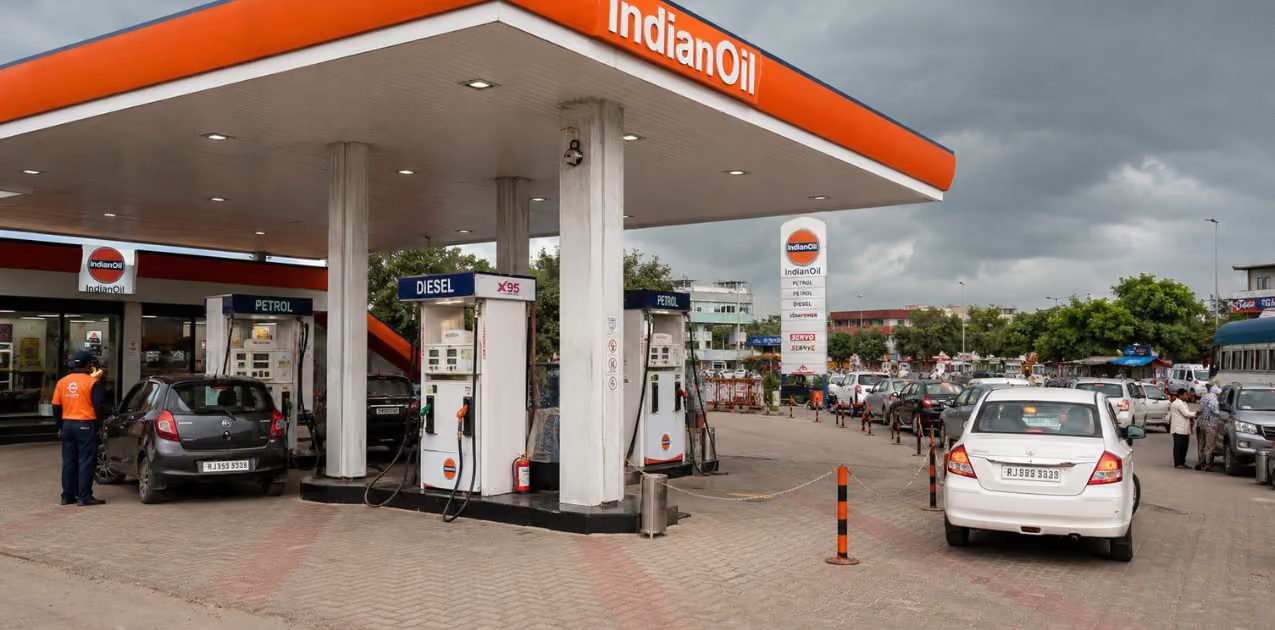
Commercial diesel buyers across India lost access to subsidized retail fuel on June 11, when the Ministry of Petroleum issued the Motor Spirit and High Speed Diesel (Temporary Regulation of Supply through Retail Outlets) Order, 2026, restricting industrial, commercial and institutional users from buying petrol and diesel at retail fuel stations for up to 90 days. The immediate trigger was a ₹39/litre price gap that made retail diesel cheaper than bulk supply retail diesel at ₹95.20/litre versus bulk prices at ₹134.50/litre in Delhi. For a mid-sized logistics operator filling 500 litres daily, this represented ₹19,500 in daily savings, or ₹585,000 monthly enough to fundamentally alter purchasing behavior.
State fuel retailers are reportedly losing about ₹36.5 a litre on diesel sold to retail customers and ₹9 a litre on petrol sales, while supplies to industrial buyers are sold at market prices. The margin anatomy is stark: every litre of commercial diesel sold at retail cost state oil marketing companies (OMCs) Indian Oil Corporation (IOC), Bharat Petroleum (BPCL), and Hindustan Petroleum (HPCL) ₹36.5 in subsidies intended for individual consumers. In May, IOC, BPCL and HPCL recorded a 4.8 per cent rise in petrol sales and a 6.4 per cent increase in diesel sales, reflecting the accelerating shift of commercial buyers to retail channels. On the buy side, telecom tower operators, construction companies, and industrial generator users gained immediate access to consumer-subsidized fuel pricing. On the sell side, state refiners hemorrhaged margins as commercial volumes displaced intended consumer sales.
The freight dimension reveals distribution cost pressures intensifying across India's fuel supply chain. These three state-run fuel retailers control about 90 per cent of India's more than 100,000 fuel stations, creating a concentrated distribution network where retail throughput directly affects logistics economics. Commercial buyers fragmenting purchases across multiple retail locations imposed additional delivery costs on OMCs, who maintain separate wholesale distribution infrastructure for bulk sales. The regulation eliminates this distribution inefficiency by forcing commercial buyers back to dedicated bulk supply points, reducing transport costs and improving asset utilization across the state refiner network.
For large integrated players the big three state OMCs with captive refining capacity and nationwide retail networks the regulation immediately improves unit economics. India is a net exporter of refined fuels, but higher fuel sales at subsidised retail rates within the country have affected the profitability of Indian Oil Corporation, Bharat Petroleum Corporation and Hindustan Petroleum Corporation. Every commercial litre redirected from retail to bulk pricing adds ₹36.5/litre to gross margins. For a regional fuel distributor or smaller commercial buyer without access to direct refinery supply contracts, the regulation eliminates the retail arbitrage but forces acceptance of bulk market pricing or development of alternative supply relationships.
The regulation's enforcement mechanism centers on container restrictions and purchase limits. The notification also restricts diesel sales at retail outlets to vehicle fuel tanks or Petroleum and Explosives Safety Organisation (PESO) approved containers, with purchases capped at 200 litres per customer or vehicle per day. Such diesel "cannot be resold", the order said. This creates practical barriers to commercial scale purchasing: a construction site requiring 2,000 litres daily would need 10 separate transactions across multiple outlets, using only approved containers, with explicit resale prohibitions. The transaction costs make retail purchasing impractical at commercial scale, effectively closing the arbitrage window through operational friction rather than pricing alone.
Financing structures in India's fuel trade typically involve 30-60 day payment terms for bulk purchases, with letters of credit (LCs) bank guarantees ensuring payment upon document presentation standard for large volume contracts. Retail purchases require immediate payment, creating a cash flow advantage for commercial buyers exploiting the price gap. The regulation eliminates this financing arbitrage by forcing commercial buyers back to credit based bulk channels, where working capital costs partially offset the higher unit prices. For smaller operators without established LC facilities, this creates immediate liquidity pressure as they lose both price advantage and cash payment flexibility.
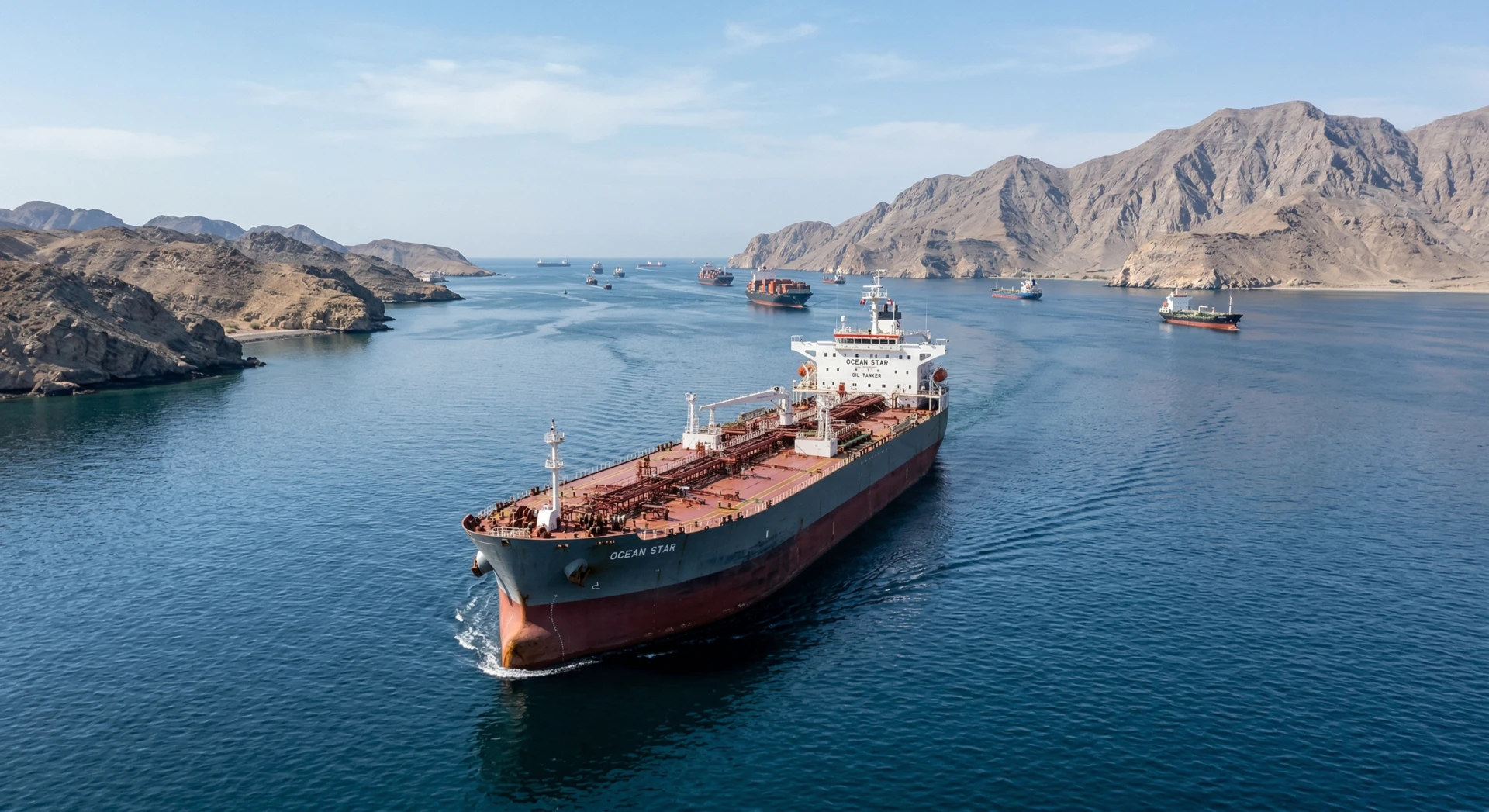
The geopolitical context amplifies supply chain vulnerabilities underlying the regulation. The notification cited the current geopolitical situation affecting certain regions of the world as having adversely impacted international petroleum supply chains, shipping logistics and availability of petroleum products. Brent fell to 87.43 USD/Bbl on June 12, 2026, down 3.26% from the previous day, but remains elevated due to Middle East tensions affecting Strait of Hormuz transit. India imports roughly 85% of its crude oil needs, making fuel supply security a strategic priority that justifies protecting retail distribution channels from commercial demand distortions.
Historically, India has used similar regulatory interventions during supply crises, most notably during the Gulf War period when fuel rationing and purchase restrictions maintained strategic reserves. The current 90 day timeframe suggests authorities expect either crude price stabilization or resolution of Middle East supply disruptions within that period. The 90 day window gives markets a clear timeline to watch. If the order gets revoked early, it signals stabilization. If it gets extended, the supply and pricing dynamics are more entrenched than the government's current messaging suggests.
Commercial substitution patterns will likely concentrate on four channels: direct bulk supply contracts with OMCs at market pricing; development of captive fuel storage and distribution infrastructure; cross-border fuel sourcing where geographically feasible; and operational efficiency improvements to reduce overall fuel consumption. For trucking companies and logistics operators, this forces immediate fuel cost increases of 30-40%, potentially triggering freight rate adjustments across Indian commercial transport. Construction and industrial users face similar input cost pressures, with limited short-term alternatives to absorb the price differential.
Observers should monitor three specific indicators through the 90-day period: retail fuel sales volumes at state OMC outlets, which should normalize if the regulation successfully redirects commercial buyers; bulk fuel pricing trends, where increased commercial demand may create upward pressure on wholesale rates; and enforcement effectiveness, particularly in regions where informal fuel markets provide alternative supply channels. The regulation's success depends on consistent implementation across India's fragmented retail network any significant enforcement gaps will create regional arbitrage opportunities and undermine the policy's effectiveness in protecting consumer-oriented fuel subsidies.
.jpg)

'%3e%3cg id='Final-Copy-2_2_' transform='translate(1275.000000, 200.000000)'%3e%3cpath class='st0' d='M7.4,12.8h6.8l3.1-11.6H7.4C4.2,1.2,1.6,3.8,1.6,7S4.2,12.8,7.4,12.8z'/%3e%3c/g%3e%3c/g%3e%3c/g%3e%3cg id='final---dec.11-2020'%3e%3cg id='_x30_208-our-toggle' transform='translate(-1275.000000, -200.000000)'%3e%3cg id='Final-Copy-2' transform='translate(1275.000000, 200.000000)'%3e%3cpath class='st1' d='M22.6,0H7.4c-3.9,0-7,3.1-7,7s3.1,7,7,7h15.2c3.9,0,7-3.1,7-7S26.4,0,22.6,0z M1.6,7c0-3.2,2.6-5.8,5.8-5.8 h9.9l-3.1,11.6H7.4C4.2,12.8,1.6,10.2,1.6,7z'/%3e%3cpath id='x' class='st2' d='M24.6,4c0.2,0.2,0.2,0.6,0,0.8l0,0L22.5,7l2.2,2.2c0.2,0.2,0.2,0.6,0,0.8c-0.2,0.2-0.6,0.2-0.8,0 l0,0l-2.2-2.2L19.5,10c-0.2,0.2-0.6,0.2-0.8,0c-0.2-0.2-0.2-0.6,0-0.8l0,0L20.8,7l-2.2-2.2c-0.2-0.2-0.2-0.6,0-0.8 c0.2-0.2,0.6-0.2,0.8,0l0,0l2.2,2.2L23.8,4C24,3.8,24.4,3.8,24.6,4z'/%3e%3cpath id='y' class='st3' d='M12.7,4.1c0.2,0.2,0.3,0.6,0.1,0.8l0,0L8.6,9.8C8.5,9.9,8.4,10,8.3,10c-0.2,0.1-0.5,0.1-0.7-0.1l0,0 L5.4,7.7c-0.2-0.2-0.2-0.6,0-0.8c0.2-0.2,0.6-0.2,0.8,0l0,0L8,8.6l3.8-4.5C12,3.9,12.4,3.9,12.7,4.1z'/%3e%3c/g%3e%3c/g%3e%3c/g%3e%3c/g%3e%3c/svg%3e) Privacy Choices
Privacy Choices