.avif)
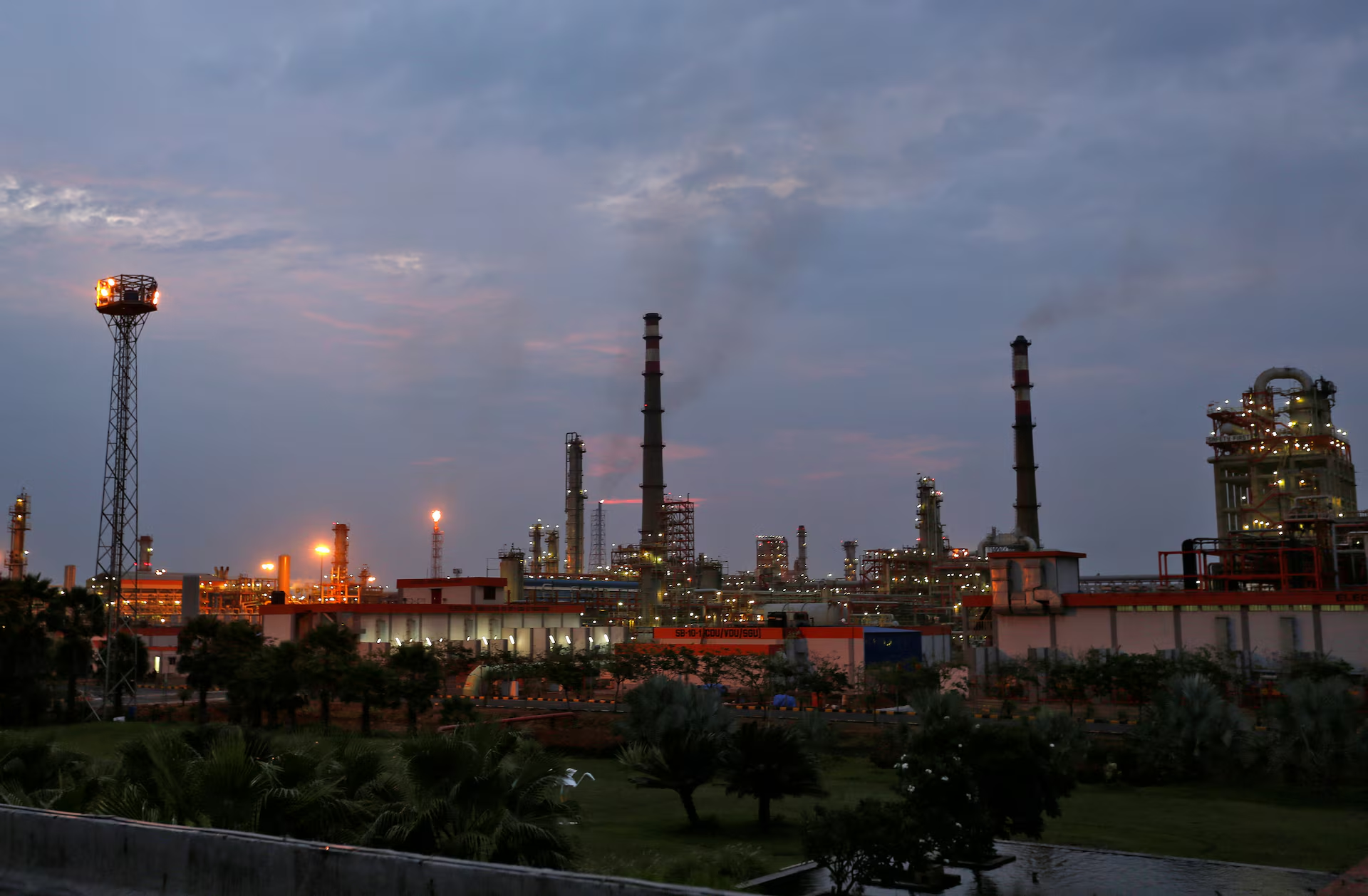
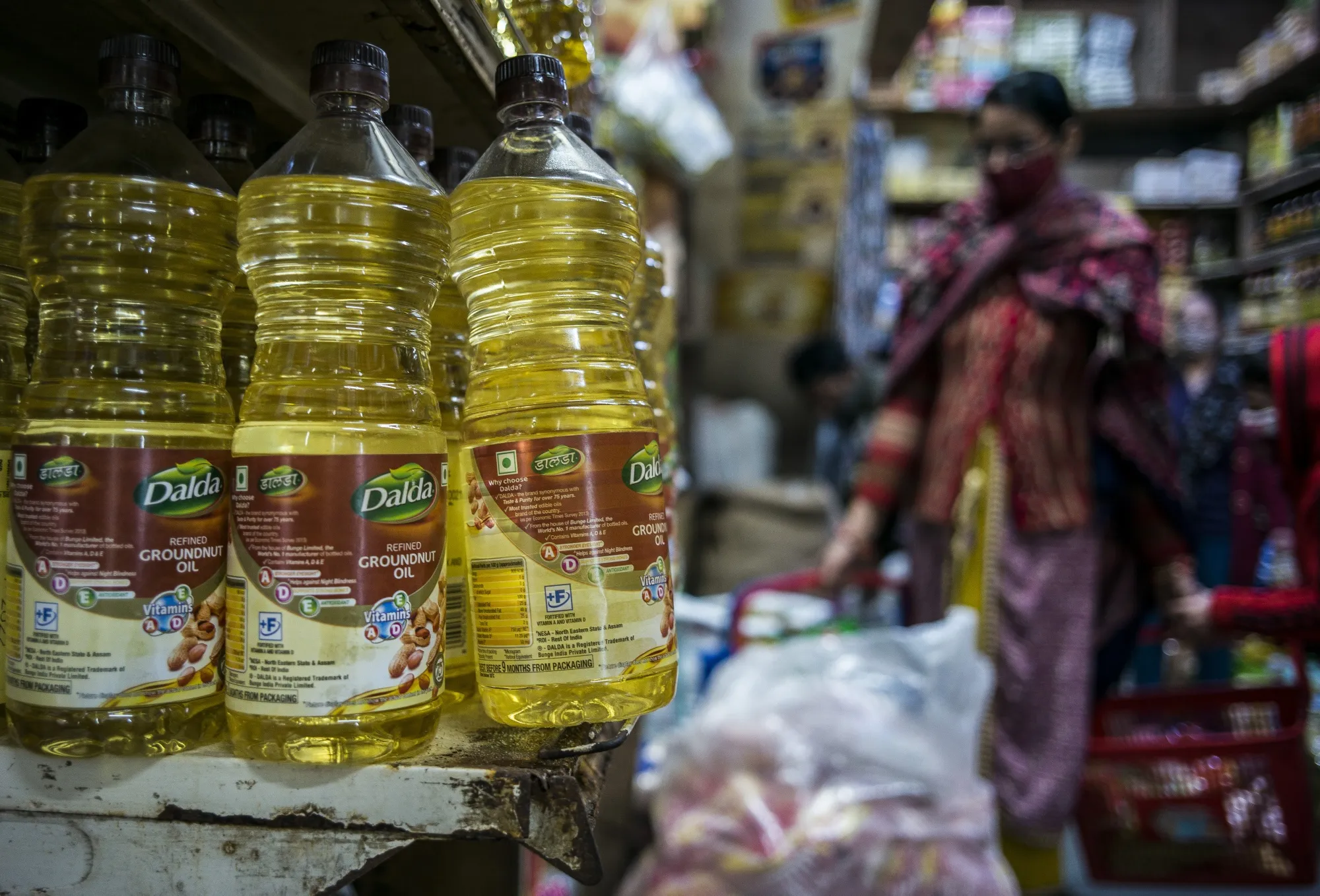
Indian State Refiners face a margin squeeze as merchandise imports surged 7.4% to $57.48 billion in July, pushing the trade deficit to a three month high despite record petroleum product exports reaching $43.56 billion in April. With Brent crude trading at $94 per barrel and WTI at $91 amid Middle East tensions, the refining spread the difference between crude input costs and refined product selling prices has compressed by approximately 15-20% from peak levels earlier this year. The merchandise trade deficit the gap between what India buys and sells globally widened as import costs rose faster than export revenues, creating a structural challenge for state refiners operating on thin margins.
The trade deficit reached $28.4 billion in April, the highest on record for that period, driven by a 10% annual jump in imports to $71.9 billion, lifted by surging oil, fuel, and coal prices due to Middle East conflict. Consider Indian Oil Corporation (IOC) processing a 250,000 barrel per day refinery: at current crude prices of $94 per barrel, daily feedstock costs reach $23.5 million. The refinery produces roughly 45% gasoline and diesel, 25% fuel oil, and 30% other products including petrochemicals. With export netbacks the price received after deducting transport and marketing costs averaging $98-102 per barrel equivalent for premium products, the gross refining margin sits at $4-8 per barrel. However, operating costs of $3-4 per barrel leave net margins of just $1-5 per barrel, vulnerable to any crude price spike or demand softening.
India consumes roughly 5.5 million barrels of crude oil per day and has diversified supply sources in recent years, now importing from around 40 countries with approximately 70% of crude imports routed through alternative maritime routes. As of March 2026, the Indian crude basket price reached $113.57 per barrel, marking a sharp jump from previous months. On the buy side: Large integrated refiners like IOC, Bharat Petroleum (BPCL), and Hindustan Petroleum (HPCL) benefit from economies of scale and government fuel price support but face margin pressure from higher crude costs. Their advantage lies in processing flexibility ability to handle various crude grades and established export infrastructure. On the sell side: Private refiners including Reliance Industries and Nayara Energy operate with greater commercial flexibility, adjusting crude sourcing and product slates based on market signals, but lack the policy cushioning available to state enterprises.
India imported crude oil from around 40 countries as of March 2026, with the Indian crude basket price generally fluctuating within $62-70 per barrel for much of FY 2025-26 before recent spikes. The Strait of Hormuz remains effectively closed under a dual blockade by the US and Iran, severely disrupting shipments of crude, refined fuels, and natural gas. For large integrated state refiners with government backing: Long-term crude supply contracts provide price stability, and domestic fuel subsidies cushion margin volatility, but higher import costs still pressure profitability. Strategic petroleum reserves government-held emergency stocks offer 10-12 days of import cover, providing short-term supply security. For smaller regional refiners without government support: Limited crude procurement power means paying spot prices during supply disruptions, and no access to subsidy mechanisms requires full market-price recovery from customers, creating cash flow vulnerability during price spikes.
A 24×7 control room monitors India's petroleum stocks and fuel availability, with the central government announcing on March 11, 2026 that inventories of petrol, diesel, and aviation turbine fuel remain sufficient to manage short-term disruptions. For observers: Watch the Brent-Dubai crude spread the price difference between North Sea and Middle East crude benchmarks which currently trades at $2-3 per barrel. A widening beyond $5 per barrel signals Asian refiners can no longer economically process Middle East crude, forcing supply realignments. Monitor India's Strategic Petroleum Reserve utilization rates, published monthly by the Petroleum Planning and Analysis Cell (PPAC). Utilization above 85% indicates supply stress; below 60% suggests adequate buffer capacity. Track freight rates on the Persian Gulf to India route via the Baltic Exchange's BDTI (Baltic Dirty Tanker Index) rates above 150 points indicate logistics constraints affecting crude delivery costs by $2-4 per barrel.


.jpg)
'%3e%3cg id='Final-Copy-2_2_' transform='translate(1275.000000, 200.000000)'%3e%3cpath class='st0' d='M7.4,12.8h6.8l3.1-11.6H7.4C4.2,1.2,1.6,3.8,1.6,7S4.2,12.8,7.4,12.8z'/%3e%3c/g%3e%3c/g%3e%3c/g%3e%3cg id='final---dec.11-2020'%3e%3cg id='_x30_208-our-toggle' transform='translate(-1275.000000, -200.000000)'%3e%3cg id='Final-Copy-2' transform='translate(1275.000000, 200.000000)'%3e%3cpath class='st1' d='M22.6,0H7.4c-3.9,0-7,3.1-7,7s3.1,7,7,7h15.2c3.9,0,7-3.1,7-7S26.4,0,22.6,0z M1.6,7c0-3.2,2.6-5.8,5.8-5.8 h9.9l-3.1,11.6H7.4C4.2,12.8,1.6,10.2,1.6,7z'/%3e%3cpath id='x' class='st2' d='M24.6,4c0.2,0.2,0.2,0.6,0,0.8l0,0L22.5,7l2.2,2.2c0.2,0.2,0.2,0.6,0,0.8c-0.2,0.2-0.6,0.2-0.8,0 l0,0l-2.2-2.2L19.5,10c-0.2,0.2-0.6,0.2-0.8,0c-0.2-0.2-0.2-0.6,0-0.8l0,0L20.8,7l-2.2-2.2c-0.2-0.2-0.2-0.6,0-0.8 c0.2-0.2,0.6-0.2,0.8,0l0,0l2.2,2.2L23.8,4C24,3.8,24.4,3.8,24.6,4z'/%3e%3cpath id='y' class='st3' d='M12.7,4.1c0.2,0.2,0.3,0.6,0.1,0.8l0,0L8.6,9.8C8.5,9.9,8.4,10,8.3,10c-0.2,0.1-0.5,0.1-0.7-0.1l0,0 L5.4,7.7c-0.2-0.2-0.2-0.6,0-0.8c0.2-0.2,0.6-0.2,0.8,0l0,0L8,8.6l3.8-4.5C12,3.9,12.4,3.9,12.7,4.1z'/%3e%3c/g%3e%3c/g%3e%3c/g%3e%3c/g%3e%3c/svg%3e) Privacy Choices
Privacy Choices