.avif)
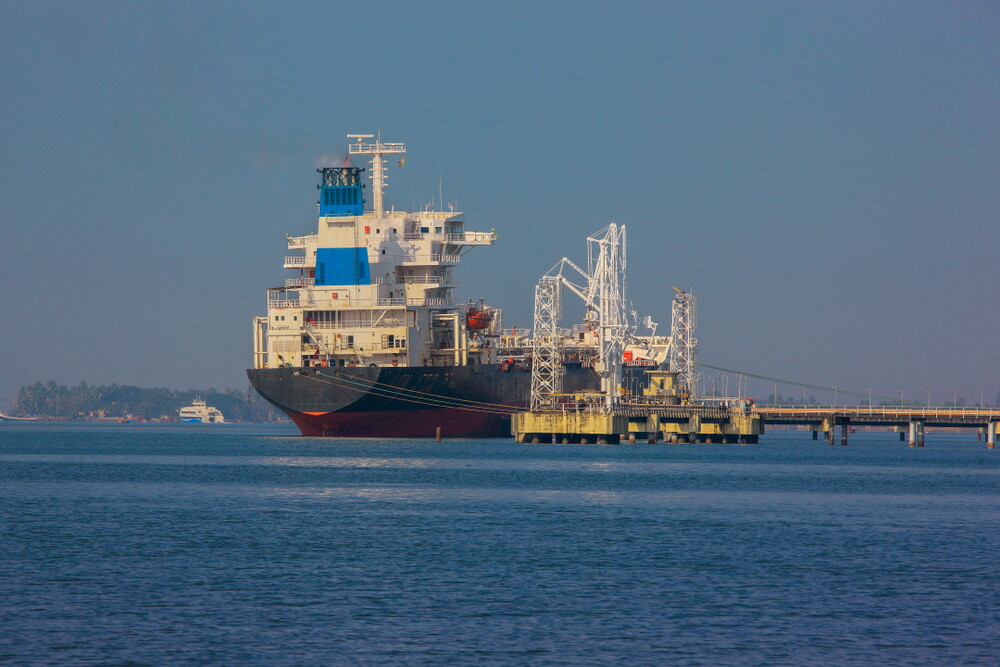
Indian state refiners gained immediate export margin relief when New Delhi reduced export duties to ₹1.5 per litre on petrol and ₹13.5 per litre on diesel from June 1, down from ₹3 and ₹16.5 per litre respectively. The margin improvement is not uniform across products. Singapore gasoline crack spreads the difference between refined gasoline and crude oil prices recently traded at $14.23 per barrel, while Singapore gasoil futures have shown significant volatility with current levels around $155.77 per barrel. For a mid-sized Indian refinery exporting a 30,000 tonne gasoline cargo to Singapore, the ₹1.5/L reduction translates to roughly $13 per metric tonne margin improvement meaningful but not transformative given current crack spreads.
The margin anatomy reveals why New Delhi's policy makers treat gasoline and diesel exports differently. The government initially imposed peak export duties of ₹55 per litre on diesel and ₹42 per litre on ATF in April, reflecting acute concerns over domestic availability. The Special Additional Excise Duty (SAED) an export specific levy distinct from domestic excise duty operates as a variable margin capture mechanism. When international product prices rise relative to crude, the SAED automatically increases to extract windfall export margins. When cracks compress, duties fall. The current structure means a state refinery's diesel export margin remains under pressure at ₹13.5/L approximately $14 per metric tonne while gasoline exports recover profitability.
On the buy side, international fuel buyers face differentiated supply dynamics from Indian refiners. Fuel exports accounted for 10.2% of India's gross exports by value in April, with Reliance Industries dominating 88% of India's fuel exports. For Asian gasoline importers Singapore trading houses, Japanese utilities, Southeast Asian distributors the duty reduction makes Indian cargoes more competitive versus Middle East alternatives. A typical Aframax cargo (80,000 tonnes) from India to Singapore now carries $1 million less in export duty burden for gasoline, making Indian supply more attractive in spot tenders. Diesel buyers, however, still face the embedded cost of India's ₹13.5/L duty, keeping Indian diesel at a structural disadvantage.
On the sell side, Indian state refiners operate within capacity constraints that limit their response to duty changes. Refined product exports fell to around 925,000 barrels per day in May the lowest since October 2022 driven partly by maintenance shutdowns at major refineries including Reliance's Jamnagar complex. Indian Oil Corporation Limited (IOCL), Hindustan Petroleum Corporation Limited (HPCL), and Bharat Petroleum Corporation Limited (BPCL) must balance export optimization with domestic supply obligations. These state entities lack the operational flexibility of private refiners like Reliance to quickly pivot between export and domestic sales based on margin signals.
For large integrated traders Vitol, Trafigura, national oil company trading arms the duty structure creates specific arbitrage opportunities and risks. The West Asia conflict has restricted nearly all traffic through the Strait of Hormuz, disrupting 20% of global oil supplies. Integrated traders with derivative access can hedge the policy risk through crack spread options or bilateral supply agreements that pass through duty changes to end buyers. A major trading house might structure a quarterly supply agreement with automatic adjustment mechanisms tied to India's fortnightly duty revisions, effectively transferring policy risk to the buyer while capturing the volume.
For smaller regional operators mid-sized fuel distributors, independent importers, regional refinery cooperatives the duty changes create planning challenges without hedging solutions. A regional distributor in Thailand importing 10,000 tonnes per month of Indian gasoline benefits immediately from the ₹1.5/L reduction, seeing a $130,000 monthly cost saving. However, these operators cannot easily hedge against future duty increases and must build margin buffers for policy uncertainty. Regional players typically respond by diversifying supply sources or negotiating pass-through clauses in their customer contracts.
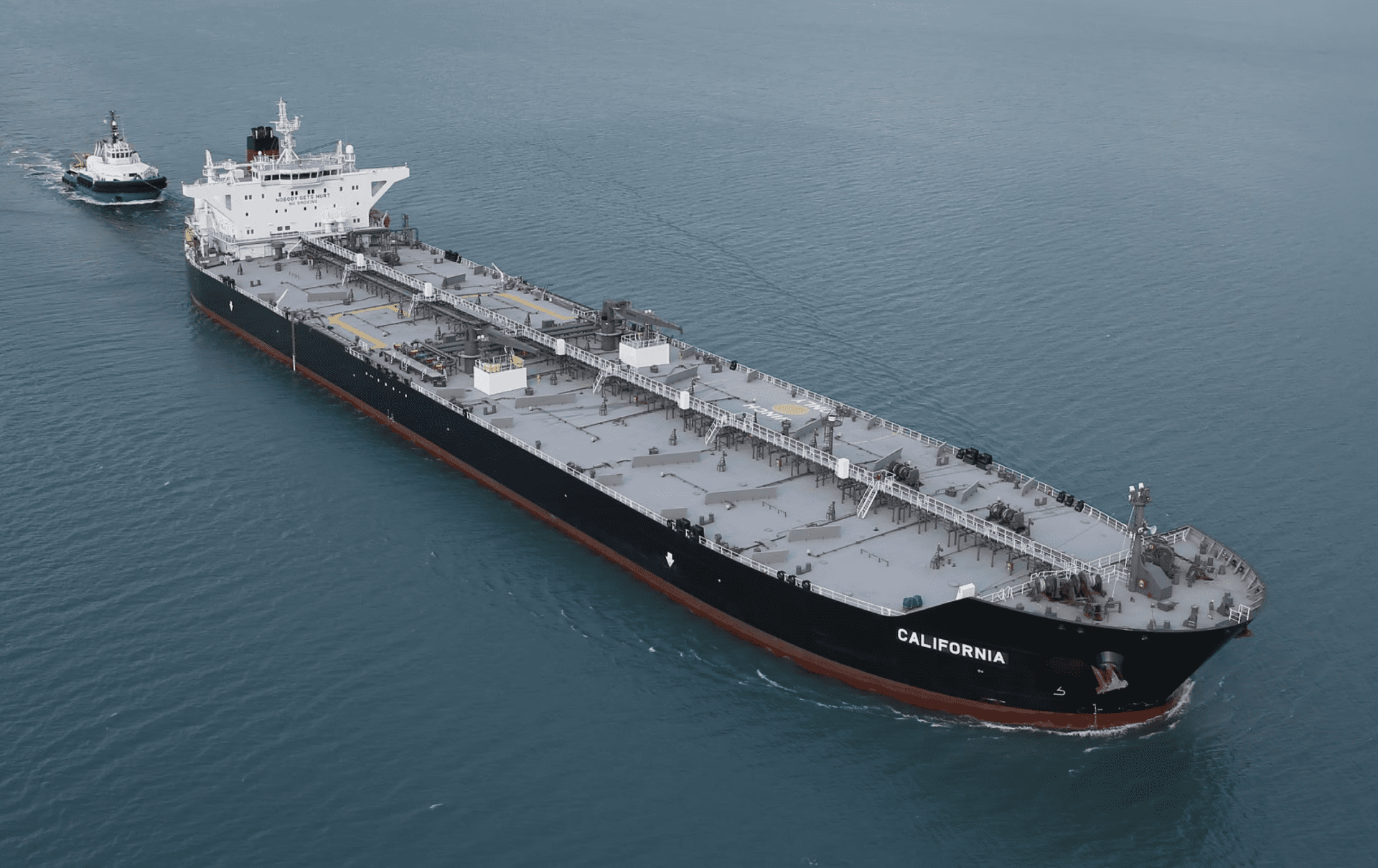
The freight dimension concentrates margin impact differently across the refined product complex. The West Asia conflict eliminated supplies of around 18 million barrels per day of oil and products, causing Indian fuel exports to decline 33% year over year. Product tankers (Medium Range vessels carrying 35,000-55,000 tonnes) serving the India to Singapore route have seen freight rates increase as alternative supply sources require longer voyages. A Medium Range tanker earns approximately $8,000-12,000 per day on the India-Singapore route versus $15,000-20,000 on longer Atlantic Basin routes. The duty reduction may increase Indian export volumes, supporting regional freight rates, but cannot offset the broader supply disruption impact on shipping markets.
The structural constraint remains India's domestic demand growth versus refinery capacity utilization. Refinery capacity optimization has become a cornerstone of domestic energy strategy, with utilization rates exceeding 95% during normal operations. State refiners must allocate output between domestic sales (regulated margins) and exports (market driven margins minus duties). The government clarified there is no change in existing duty rates on petrol and diesel for domestic consumption. This creates a two-tier margin structure where export netbacks determine incremental barrel allocation once domestic obligations are met.
For market observers, the key signal is India's fortnightly duty revision mechanism responding to international price movements. The rates are revised on a fortnightly basis based on average international crude oil prices. The next revision scheduled for mid-June will reflect crude product spreads, West Asia conflict developments, and seasonal demand patterns. A sustained period of stable or declining international product prices would likely trigger further duty reductions, potentially restoring Indian refiners' export competitiveness to pre-March 2026 levels when duties were first imposed.


.jpg)

'%3e%3cg id='Final-Copy-2_2_' transform='translate(1275.000000, 200.000000)'%3e%3cpath class='st0' d='M7.4,12.8h6.8l3.1-11.6H7.4C4.2,1.2,1.6,3.8,1.6,7S4.2,12.8,7.4,12.8z'/%3e%3c/g%3e%3c/g%3e%3c/g%3e%3cg id='final---dec.11-2020'%3e%3cg id='_x30_208-our-toggle' transform='translate(-1275.000000, -200.000000)'%3e%3cg id='Final-Copy-2' transform='translate(1275.000000, 200.000000)'%3e%3cpath class='st1' d='M22.6,0H7.4c-3.9,0-7,3.1-7,7s3.1,7,7,7h15.2c3.9,0,7-3.1,7-7S26.4,0,22.6,0z M1.6,7c0-3.2,2.6-5.8,5.8-5.8 h9.9l-3.1,11.6H7.4C4.2,12.8,1.6,10.2,1.6,7z'/%3e%3cpath id='x' class='st2' d='M24.6,4c0.2,0.2,0.2,0.6,0,0.8l0,0L22.5,7l2.2,2.2c0.2,0.2,0.2,0.6,0,0.8c-0.2,0.2-0.6,0.2-0.8,0 l0,0l-2.2-2.2L19.5,10c-0.2,0.2-0.6,0.2-0.8,0c-0.2-0.2-0.2-0.6,0-0.8l0,0L20.8,7l-2.2-2.2c-0.2-0.2-0.2-0.6,0-0.8 c0.2-0.2,0.6-0.2,0.8,0l0,0l2.2,2.2L23.8,4C24,3.8,24.4,3.8,24.6,4z'/%3e%3cpath id='y' class='st3' d='M12.7,4.1c0.2,0.2,0.3,0.6,0.1,0.8l0,0L8.6,9.8C8.5,9.9,8.4,10,8.3,10c-0.2,0.1-0.5,0.1-0.7-0.1l0,0 L5.4,7.7c-0.2-0.2-0.2-0.6,0-0.8c0.2-0.2,0.6-0.2,0.8,0l0,0L8,8.6l3.8-4.5C12,3.9,12.4,3.9,12.7,4.1z'/%3e%3c/g%3e%3c/g%3e%3c/g%3e%3c/g%3e%3c/svg%3e) Privacy Choices
Privacy Choices