.avif)
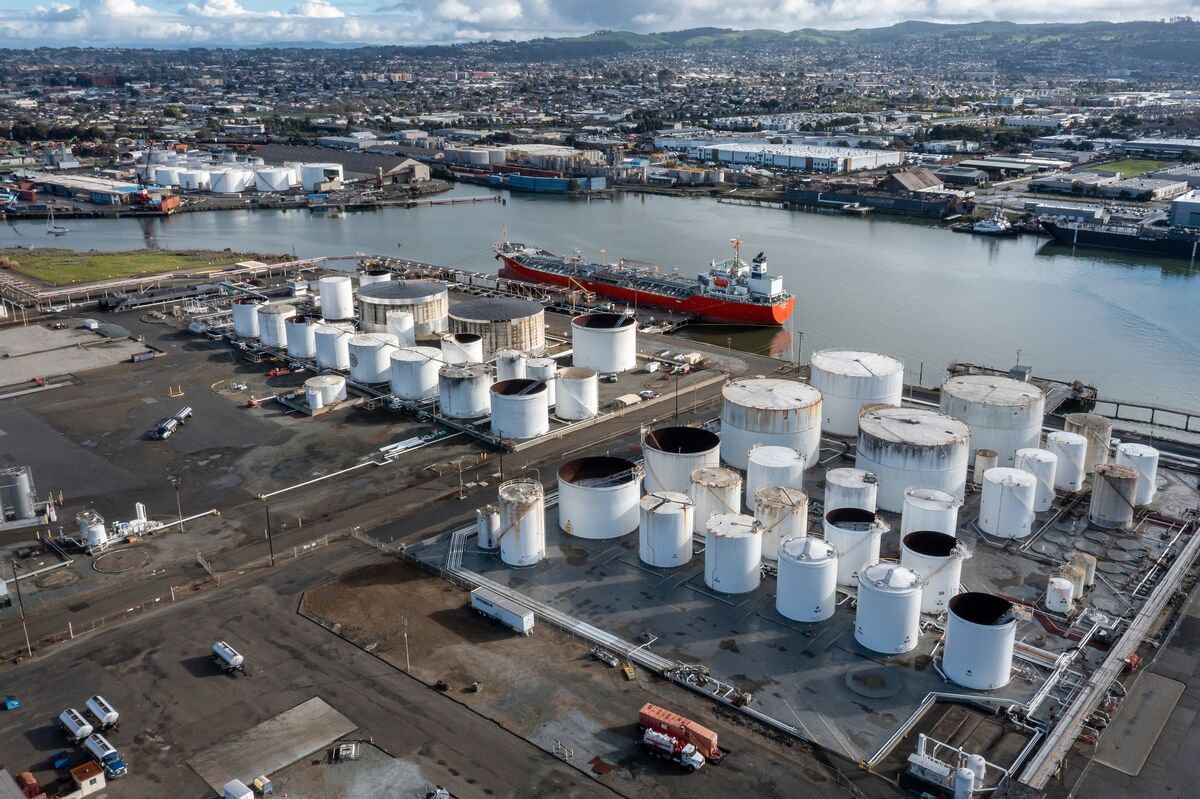
Brent crude oil fell below $94 per barrel on Tuesday, erasing most of Monday's gains, as Iran and Israel agreed to halt attacks against each other, delivering immediate margin compression to crude oil trading houses holding long geopolitical risk positions. Iran announced on Monday afternoon that it was halting attacks, but warned that they would resume if Israel carried out further acts of "aggression and hostility", including in Lebanon. For traders who built positions on $98+ oil during Monday's spike, the $4-5/barrel retreat translates directly to margin destruction roughly $4,000-$5,000 per 1,000 barrel lot. The reversal is not technical noise. It reflects markets reading Iran's pause as tactical completion rather than strategic escalation, compressing the acute war premium that drove oil from $91 to $98 within hours.
The operational distinction matters profoundly for risk assessment. While the ceasefire remains intact, the Strait of Hormuz is still effectively closed under a dual blockade by the US and Iran, severely disrupting shipments of crude, refined fuels, and natural gas to global markets. Backwardation where near-term prices exceed forward prices signals that physical tightness persists despite the diplomatic pause. Cumulative oil supply losses from producers in the Middle East now exceed 1 billion barrels, with more than 14 mb/d of oil production shut in, while mounting supply losses from the Strait of Hormuz are depleting global oil inventories at a record pace. A cargo of Middle East crude that cost $91/barrel to secure in January now costs $94/barrel minimum, and availability remains constrained by the Hormuz closure that began in March.
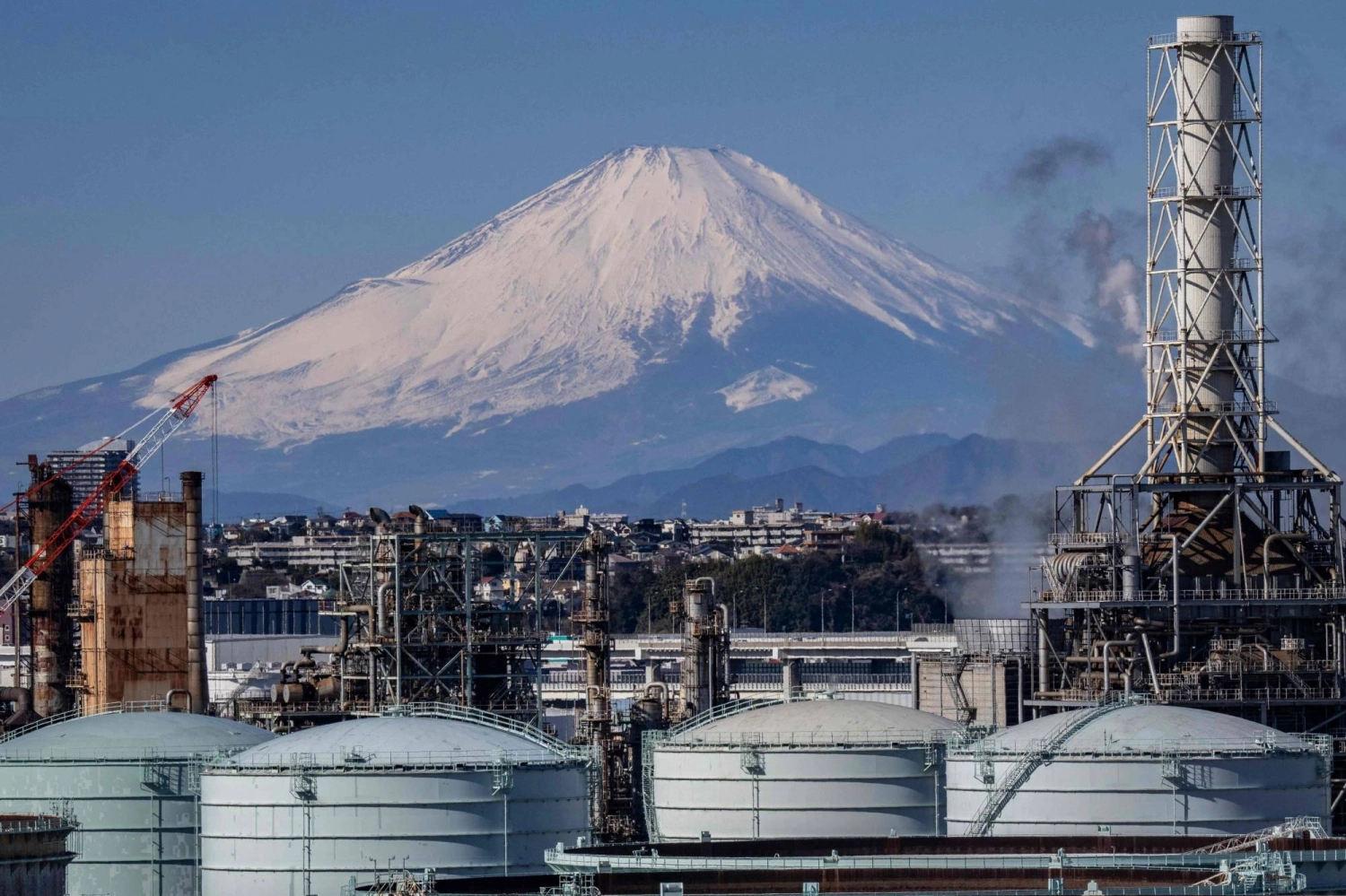
On the buy side: Asian refiners face the most acute pressure. Japanese refiners obtain about 95% of their crude oil from Saudi Arabia, Kuwait, the United Arab Emirates, and Qatar, with about 70% of this Middle Eastern oil delivered by ships that pass through the Strait of Hormuz. Consider a mid-sized Japanese refiner requiring 150,000 barrels per day: at current pricing, the Hormuz premium adds approximately $450,000 daily to crude procurement costs compared to pre-crisis levels. Due to rising tensions in the Middle East, Japanese refiners have asked the government to release some of their stockpiled oil, demonstrating the commercial pressure that persists despite Iran's operational pause.
On the sell side: Alternative crude suppliers outside the Persian Gulf maintain embedded risk premiums. Producers outside of the Middle East have pushed output higher and lifted exports to record levels in response to the crisis. North Sea Brent producers, West African exporters, and US shale operators capture $3-6/barrel premiums over their normal netbacks a direct transfer from consumers unable to access traditional Middle East supply. OPEC+ approved another increase in July oil production quotas of 188,000 barrels per day despite persistent supply risks stemming from tensions in the Middle East. This modest increase cannot offset the 14 million barrels per day of Middle East production that remains effectively stranded.
For large integrated trading houses Vitol, Trafigura, national oil company trading arms hedging the geopolitical volatility requires sophisticated positioning across time spreads and geographic arbitrages. The Brent-WTI spread the price difference between North Sea crude and US crude has widened to reflect Atlantic Basin oil's enhanced value when Middle East supply remains constrained. WTI crude oil futures eased to $91 per barrel after having reached $95 earlier on Monday after Iran stated it had ended its military operations against Israel, while Brent crude oil futures eased to $94 per barrel after having crossed $98 earlier. Traders with derivatives access can monetise this volatility through calendar spreads, buying near-term contracts against selling forward contracts to capture the supply tightness premium.
For smaller regional operators mid-sized fuel importers, independent distributors, regional cooperatives without derivatives access, practical risk management concentrates on bilateral contract terms and supplier diversification. The rest of the world has been affected by panic buying and severe disruption to the distribution of petroleum, while the Philippines declared a state of emergency on the 24th March due to a concurrent strike by transport workers. A regional distributor in Southeast Asia securing term contracts must now negotiate force majeure clauses that address both Hormuz disruption and supplier allocation during shortages. The cost of this security appears in higher minimum volume commitments and extended payment terms.
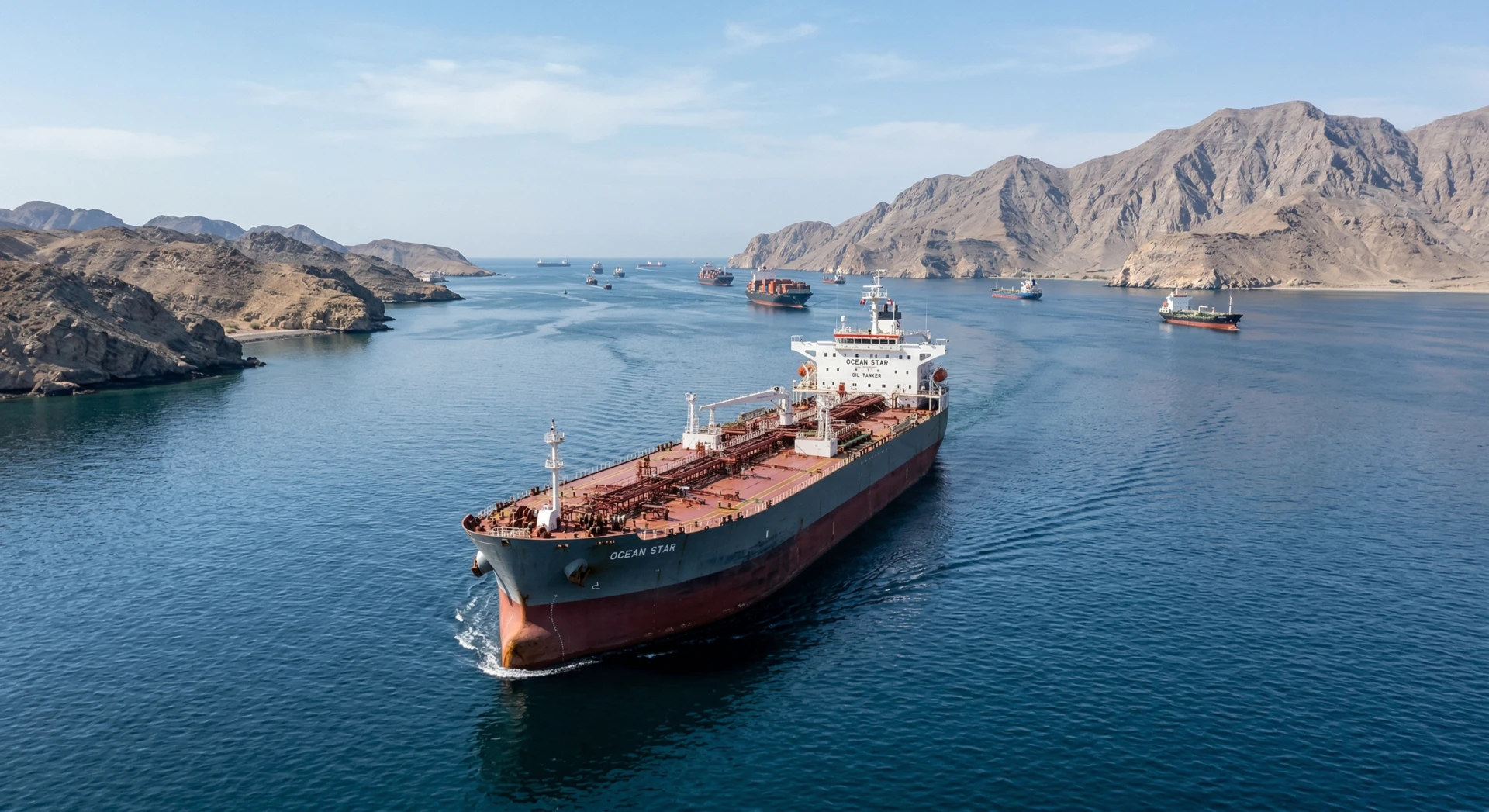
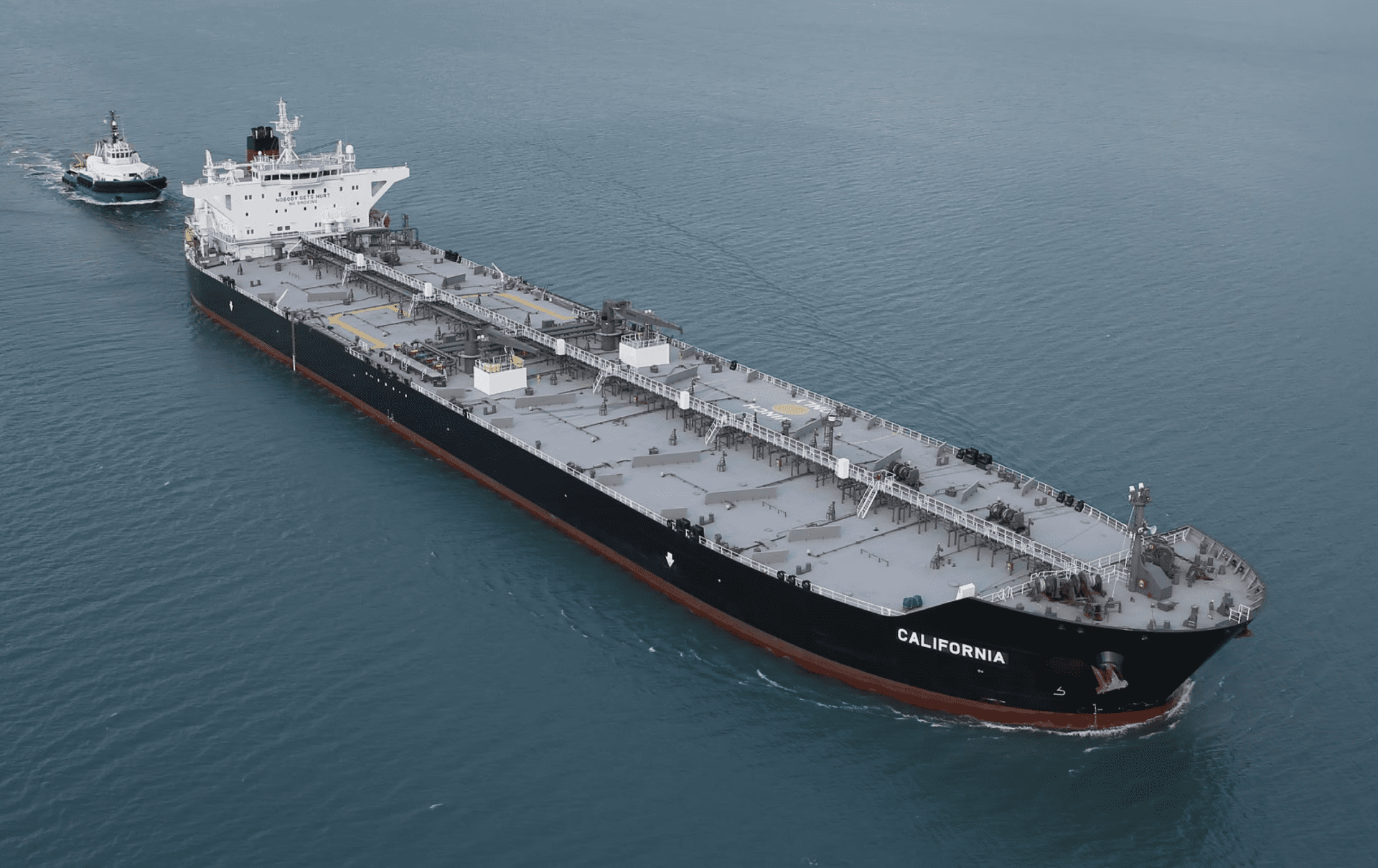
Freight rates compound the supply challenge. War-risk ship insurance premiums for the strait increased from 0.125% to between 0.2% and 0.4% of the ship insurance value per transit. A VLCC (Very Large Crude Carrier) carrying 2 million barrels faces insurance costs of $800,000-$1.6 million per voyage at current premiums, compared to $500,000 before the crisis. Despite US President Donald Trump's announcement that the United States military would "guide" commercial vessels through the critical strait, shipping companies have been hesitant to transit the waterway amid persistent safety concerns, while there have yet to be any signs of a substantial resumption of maritime traffic. The additional insurance cost flows directly to cargo values, not vessel operators.
The tactical nature of Iran's halt preserves systemic risks that markets are not fully pricing. Efforts to revive diplomatic negotiations between the United States and Iran appear increasingly deadlocked, raising the prospect of a prolonged confrontation that could keep one of the world's most important energy chokepoints under pressure, while both Washington and Tehran may see strategic advantages in allowing the conflict to drag on. What is being priced today is a fundamentally revised probability distribution for Gulf supply security one that treats active conflict as an operational scenario rather than a tail risk, while oil volatility amid Strait of Hormuz tensions has permanently rewritten the assumptions underpinning global energy risk models. Iran's conditional halt means the next escalation trigger whether Israeli operations in southern Lebanon or broader regional developments could instantly restore the acute risk premium that drove oil above $98 on Monday.
For observers tracking this story's evolution: monitor the Baltic Dirty Tanker Index through the rest of June. According to the International Maritime Organization, up to 20,000 seafarers remain stranded on some 2,000 vessels in the Strait of Hormuz. Any meaningful increase in tanker fixtures for Persian Gulf loading indicates either genuine diplomatic progress or market participants accepting higher war-risk exposure. A sustained move above 1,000 points suggests commercial shipping is pricing Hormuz reopening as probable within 30-45 days. Below 800 points indicates continued commercial paralysis despite diplomatic rhetoric.
.jpg)

'%3e%3cg id='Final-Copy-2_2_' transform='translate(1275.000000, 200.000000)'%3e%3cpath class='st0' d='M7.4,12.8h6.8l3.1-11.6H7.4C4.2,1.2,1.6,3.8,1.6,7S4.2,12.8,7.4,12.8z'/%3e%3c/g%3e%3c/g%3e%3c/g%3e%3cg id='final---dec.11-2020'%3e%3cg id='_x30_208-our-toggle' transform='translate(-1275.000000, -200.000000)'%3e%3cg id='Final-Copy-2' transform='translate(1275.000000, 200.000000)'%3e%3cpath class='st1' d='M22.6,0H7.4c-3.9,0-7,3.1-7,7s3.1,7,7,7h15.2c3.9,0,7-3.1,7-7S26.4,0,22.6,0z M1.6,7c0-3.2,2.6-5.8,5.8-5.8 h9.9l-3.1,11.6H7.4C4.2,12.8,1.6,10.2,1.6,7z'/%3e%3cpath id='x' class='st2' d='M24.6,4c0.2,0.2,0.2,0.6,0,0.8l0,0L22.5,7l2.2,2.2c0.2,0.2,0.2,0.6,0,0.8c-0.2,0.2-0.6,0.2-0.8,0 l0,0l-2.2-2.2L19.5,10c-0.2,0.2-0.6,0.2-0.8,0c-0.2-0.2-0.2-0.6,0-0.8l0,0L20.8,7l-2.2-2.2c-0.2-0.2-0.2-0.6,0-0.8 c0.2-0.2,0.6-0.2,0.8,0l0,0l2.2,2.2L23.8,4C24,3.8,24.4,3.8,24.6,4z'/%3e%3cpath id='y' class='st3' d='M12.7,4.1c0.2,0.2,0.3,0.6,0.1,0.8l0,0L8.6,9.8C8.5,9.9,8.4,10,8.3,10c-0.2,0.1-0.5,0.1-0.7-0.1l0,0 L5.4,7.7c-0.2-0.2-0.2-0.6,0-0.8c0.2-0.2,0.6-0.2,0.8,0l0,0L8,8.6l3.8-4.5C12,3.9,12.4,3.9,12.7,4.1z'/%3e%3c/g%3e%3c/g%3e%3c/g%3e%3c/g%3e%3c/svg%3e) Privacy Choices
Privacy Choices