.avif)
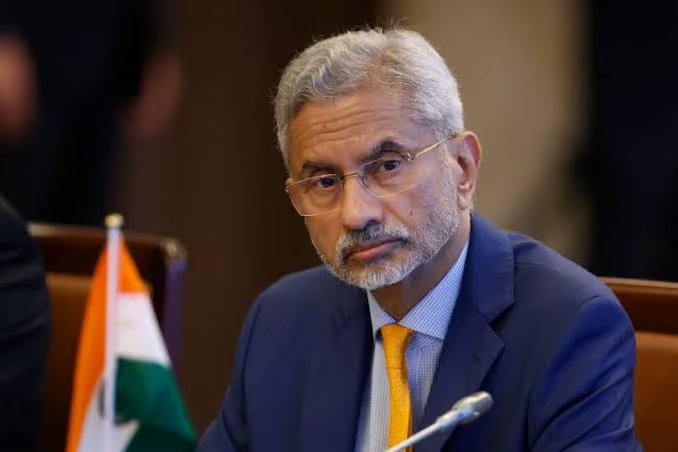
Indian state refiners IOC, BPCL and HPCL face a combined crude import bill running approximately $15–18 billion per quarter at current Brent levels above $100/barrel, and the actual commercial purpose of External Affairs Minister S Jaishankar's July 5–10 Gulf tour is to create the diplomatic conditions under which those costs might be managed through preferential Official Selling Price (OSP) terms, extended LPG supply contracts, or priority loading slots none of which will appear in any Ministry of External Affairs readout. The public framing is bilateral ties and regional developments. The commercial substance is margin protection for three state-owned enterprises that together process roughly 200 million tonnes of crude per year and cannot pass elevated input costs upstream to a government committed to retail fuel price stability. Jaishankar visits Qatar, Bahrain, Kuwait and Oman from July 5 to 10, followed by New York on July 13 for India's UN Security Council non-permanent seat campaign and Brussels on July 14–15 for the third India-EU Trade and Technology Council meeting. The Gulf leg is the one with immediate energy market consequence.
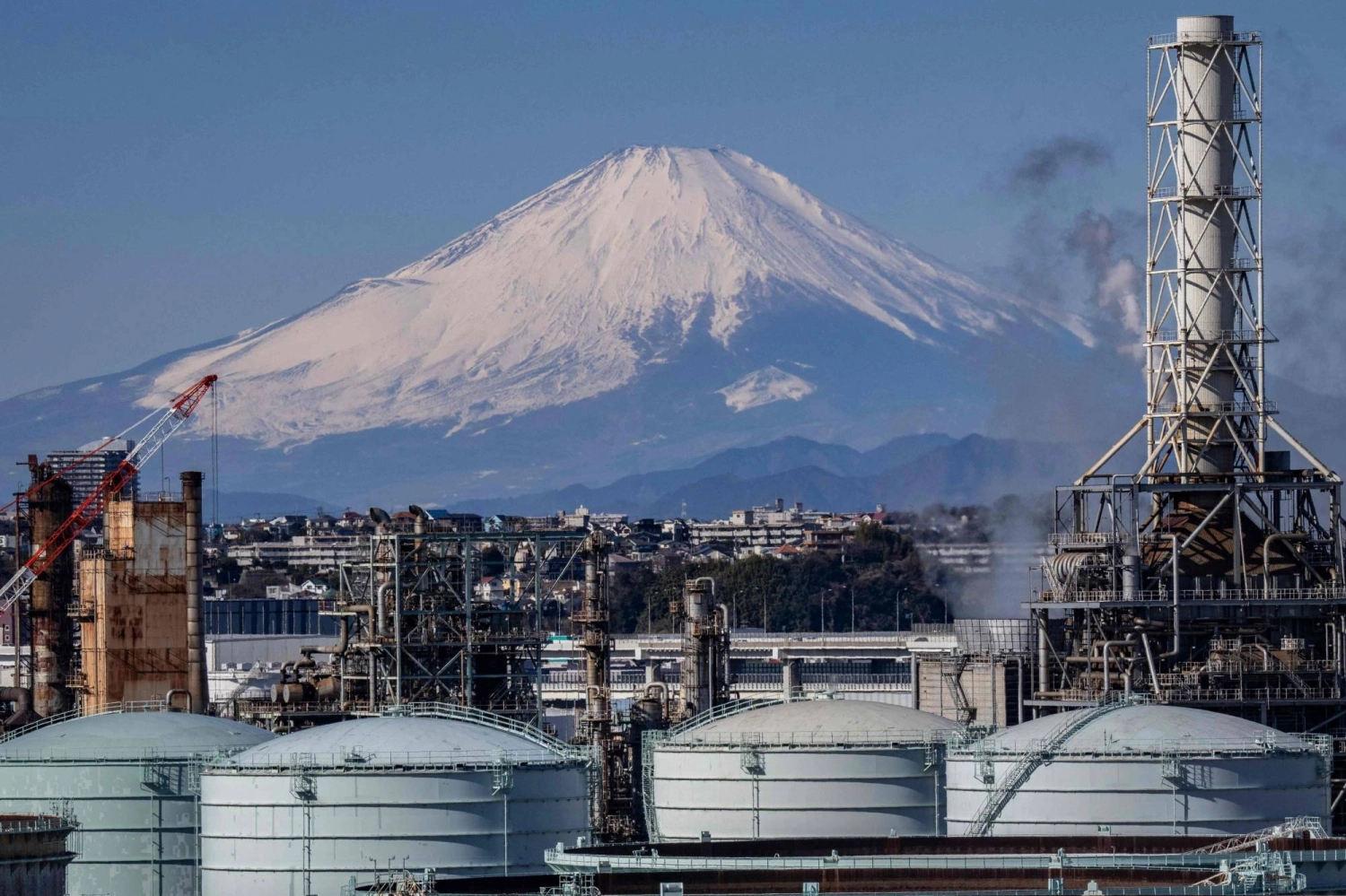
The regional backdrop matters to price. Qatar and Oman have acted as mediators in the evolving US-Iran peace framework according to reports, Doha talks are expected to resume at the earliest possible time following Ayatollah Khamenei's funeral. The Hormuz risk premium the additional cost embedded in crude and freight prices to account for the possibility of disruption to the strait has been elevated throughout 2026. If the Doha mediation track resumes and progresses, that risk premium compresses. The OSP, or Official Selling Price, is the monthly price adjustment that Gulf national oil companies (NOCs) Saudi Aramco, ADNOC, QatarEnergy, Kuwait Petroleum Corporation apply above or below a benchmark such as Oman/Dubai crude to sell into specific regional markets. India's ability to negotiate OSP discounts, or at minimum resist OSP increases, depends partly on the diplomatic temperature of these bilateral relationships. Jaishankar's meetings are the temperature check.
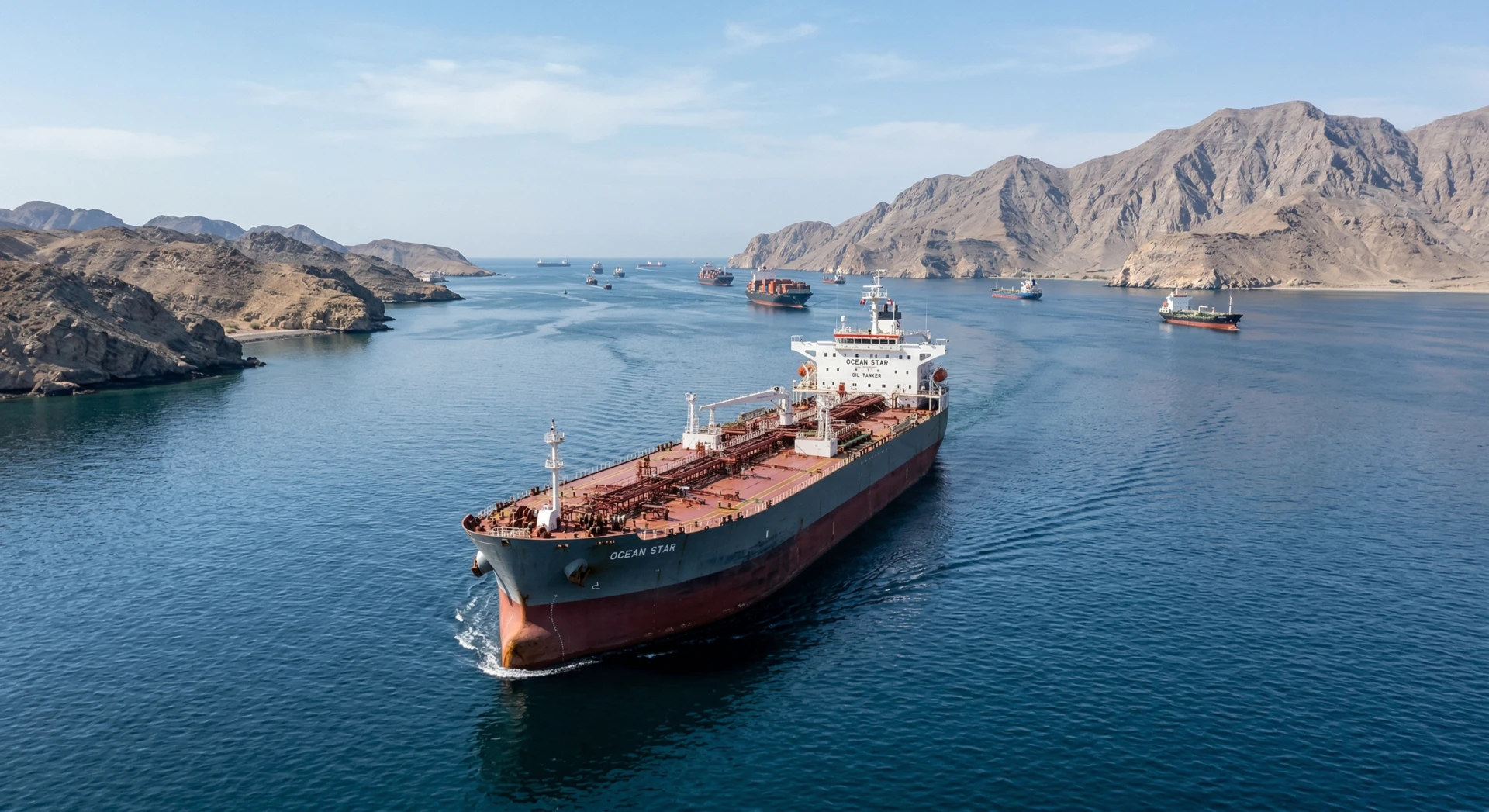
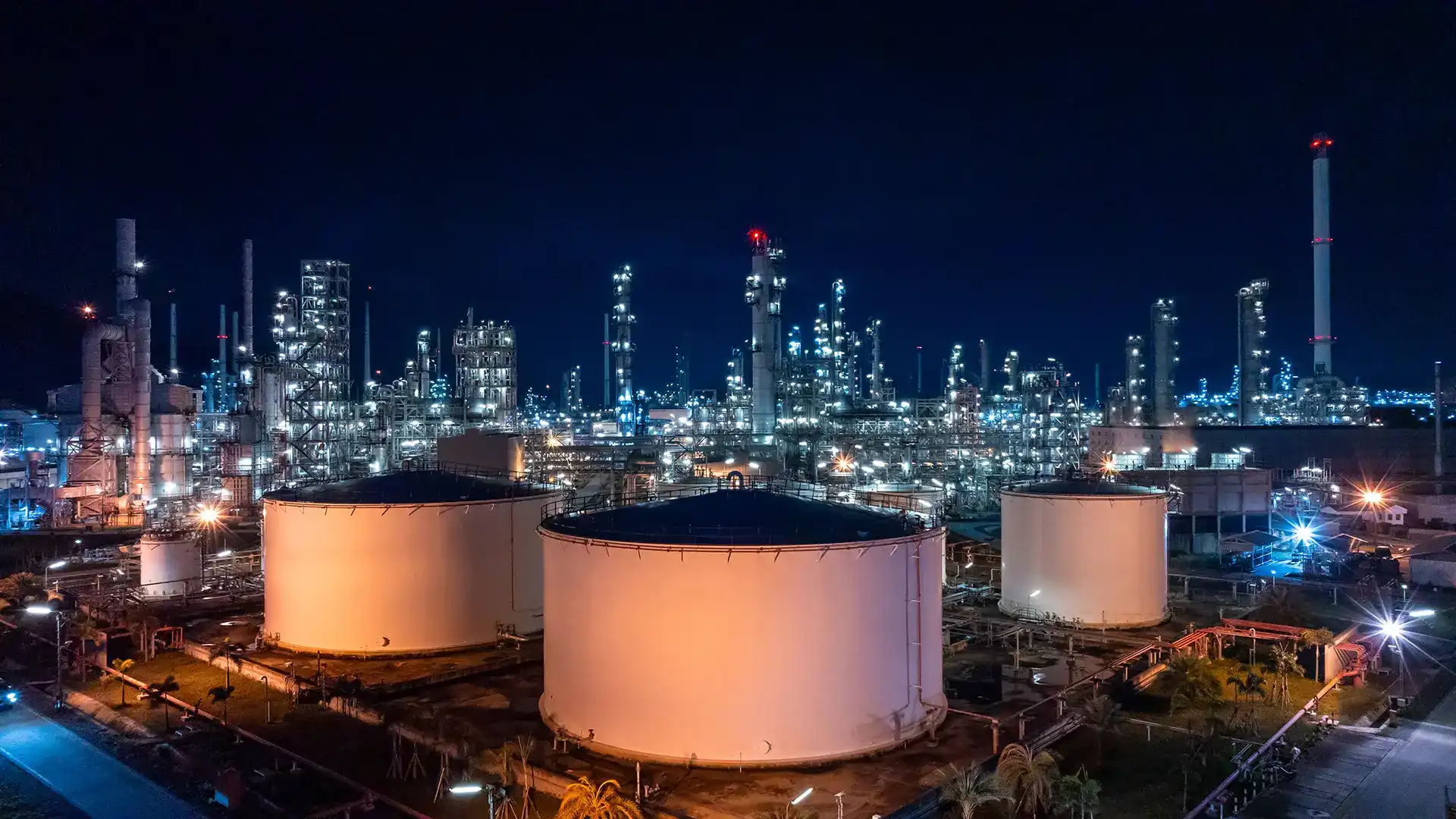
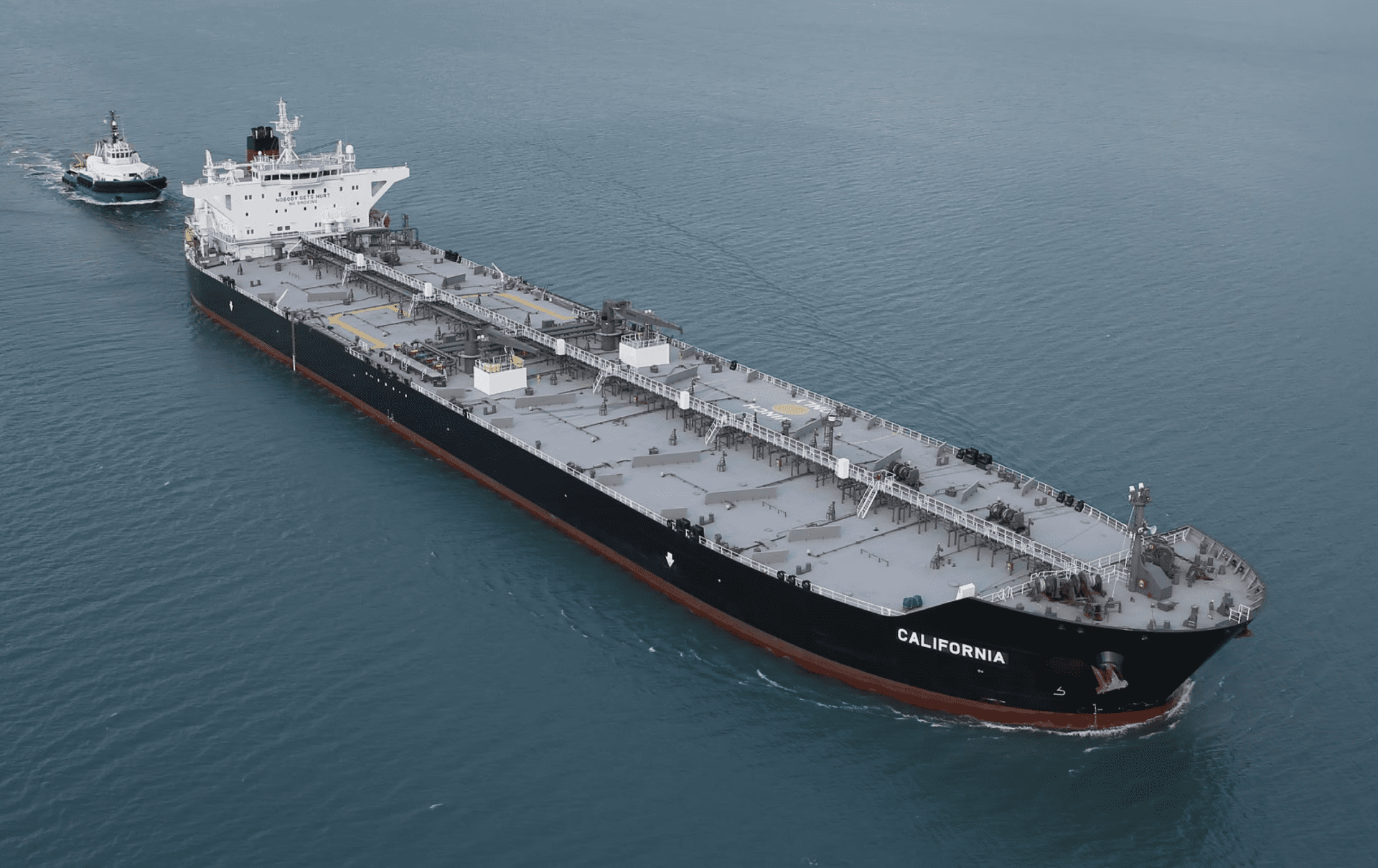
Consider what the numbers look like at the refinery gate. IOC's Paradip refinery on India's east coast processes approximately 15 million tonnes of crude per year, sourcing heavily from the Gulf. A crude cargo of 1 million barrels one standard VLCC (Very Large Crude Carrier, the supertanker class capable of carrying 2 million barrels, though partial loads are standard for Indian port infrastructure) at $102/barrel costs $102 million to purchase. A $1/barrel OSP discount on that cargo saves $1 million. Across IOC's annual crude slate, a $1/barrel structural discount is worth approximately $150–200 million per year. That is not a rounding error; it is the difference between a refining margin that is viable and one that requires government transfer payments to sustain. On the sell side, Gulf NOCs price at a premium when demand is captive and diversification options are limited. India's periodic overtures toward Russian ESPO Blend and African grades Angola, Nigeria are the negotiating leverage that disciplines Gulf OSP behaviour. Diplomatic warmth, paradoxically, can reduce that leverage if it signals reduced diversification appetite.
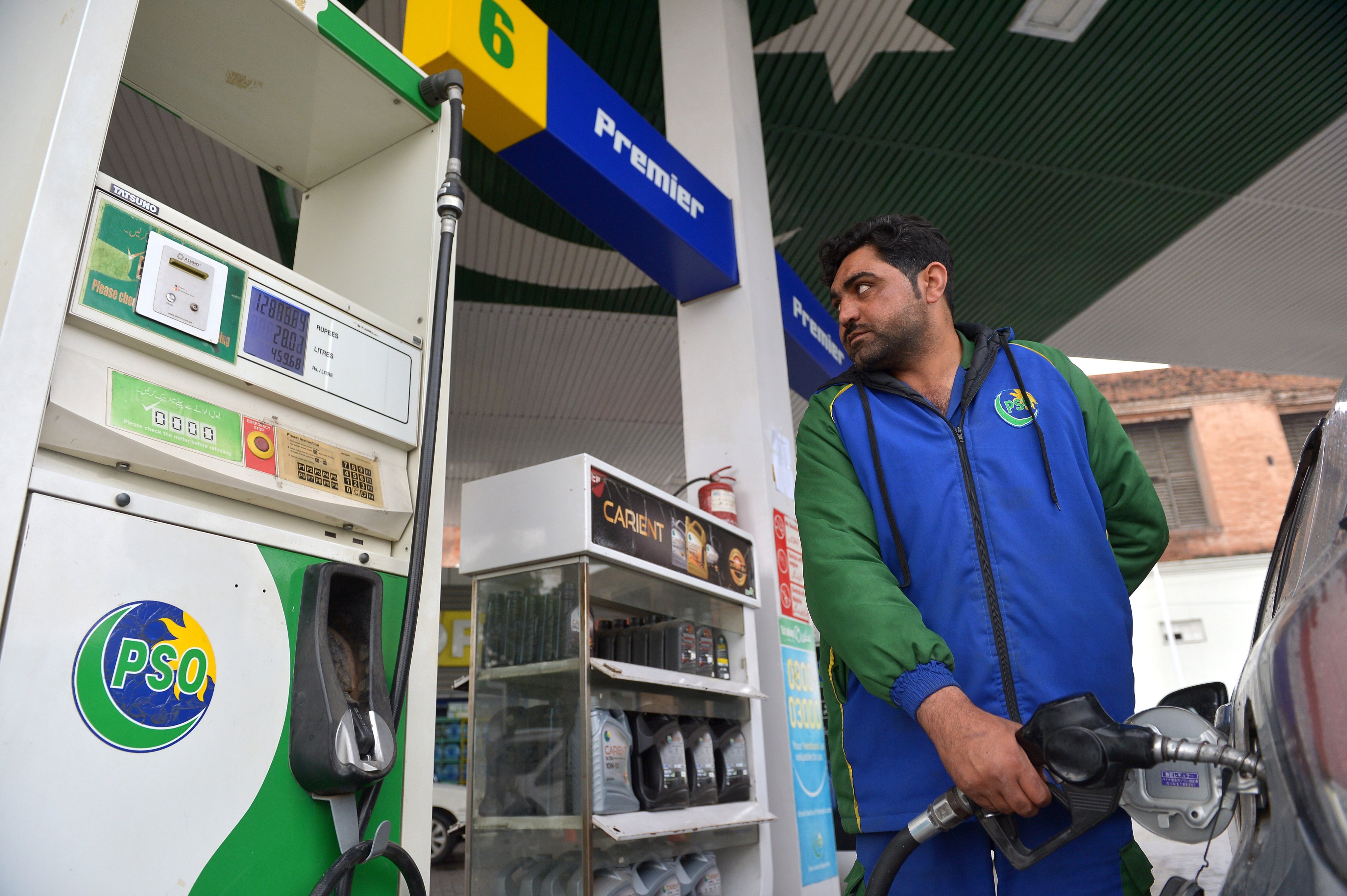
On the buy side, Indian state refiners benefit from ministerial level relationship capital when OSP negotiations occur at the technical level in subsequent weeks. The practical deliverable is not a signed deal from the tour; it is a posture established that discourages Gulf NOCs from widening their OSP to Asian buyers when the next monthly price-setting cycle occurs. For smaller regional operators an independent fuel distributor in western India sourcing LPG from Kuwait Petroleum Corporation on a spot basis, without access to derivatives hedging the freight and OSP environment set by these sovereign level discussions determines whether a spot cargo is commercially viable. LPG freight rates on the Persian Gulf–India route, tracked on the Baltic Exchange's LPG indices, have added $15–20/MT to delivered costs in the first half of 2026 relative to the prior year. A diplomatic signal that extends a long-term LPG supply agreement locks in volume priority, reducing exposure to that spot freight volatility. For large integrated traders a Trafigura or Vitol holding FOB Gulf crude positions a resumption of Doha talks that compresses Hormuz risk premiums creates a brief arbitrage window: FOB Gulf barrels become cheaper in risk adjusted terms relative to CIF India positions, a spread that can be monetised through freight derivatives on the Baltic Exchange.
The forward signal observers should watch is the Saudi Aramco OSP for Arab Light crude to Asia, published in the first week of August for September loading cargoes. That single number expressed as a differential to the Oman/Dubai average will indicate whether Gulf producers have read the Jaishankar tour as a demand signal that justifies widening the spread, or whether the diplomatic engagement has produced enough supply relationship reinforcement to hold the differential flat or narrow it. A widening of more than $0.50/barrel relative to the July OSP would confirm that Gulf NOCs are pricing India's demand as captive regardless of diplomatic effort. A flat or narrowing differential would suggest the relationship channel is doing measurable commercial work. Watch also the Baltic Exchange's LPG Pressurised Index on the AG–India route through July and into August: a softening in that rate concurrent with Doha talk resumption would signal Hormuz risk compression translating into real freight relief for state refiner LPG import desks within 30 days.
.jpg)

'%3e%3cg id='Final-Copy-2_2_' transform='translate(1275.000000, 200.000000)'%3e%3cpath class='st0' d='M7.4,12.8h6.8l3.1-11.6H7.4C4.2,1.2,1.6,3.8,1.6,7S4.2,12.8,7.4,12.8z'/%3e%3c/g%3e%3c/g%3e%3c/g%3e%3cg id='final---dec.11-2020'%3e%3cg id='_x30_208-our-toggle' transform='translate(-1275.000000, -200.000000)'%3e%3cg id='Final-Copy-2' transform='translate(1275.000000, 200.000000)'%3e%3cpath class='st1' d='M22.6,0H7.4c-3.9,0-7,3.1-7,7s3.1,7,7,7h15.2c3.9,0,7-3.1,7-7S26.4,0,22.6,0z M1.6,7c0-3.2,2.6-5.8,5.8-5.8 h9.9l-3.1,11.6H7.4C4.2,12.8,1.6,10.2,1.6,7z'/%3e%3cpath id='x' class='st2' d='M24.6,4c0.2,0.2,0.2,0.6,0,0.8l0,0L22.5,7l2.2,2.2c0.2,0.2,0.2,0.6,0,0.8c-0.2,0.2-0.6,0.2-0.8,0 l0,0l-2.2-2.2L19.5,10c-0.2,0.2-0.6,0.2-0.8,0c-0.2-0.2-0.2-0.6,0-0.8l0,0L20.8,7l-2.2-2.2c-0.2-0.2-0.2-0.6,0-0.8 c0.2-0.2,0.6-0.2,0.8,0l0,0l2.2,2.2L23.8,4C24,3.8,24.4,3.8,24.6,4z'/%3e%3cpath id='y' class='st3' d='M12.7,4.1c0.2,0.2,0.3,0.6,0.1,0.8l0,0L8.6,9.8C8.5,9.9,8.4,10,8.3,10c-0.2,0.1-0.5,0.1-0.7-0.1l0,0 L5.4,7.7c-0.2-0.2-0.2-0.6,0-0.8c0.2-0.2,0.6-0.2,0.8,0l0,0L8,8.6l3.8-4.5C12,3.9,12.4,3.9,12.7,4.1z'/%3e%3c/g%3e%3c/g%3e%3c/g%3e%3c/g%3e%3c/svg%3e) Privacy Choices
Privacy Choices