.avif)
.jpg)
Kenya's fuel importers gained immediate access to $15–30/MT cheaper refined products on April 30, when the government relaxed diesel and gasoline sulphur limits from 10mg/kg to 50mg/kg for six months. The waiver a five-fold increase in legally permitted sulphur content permits imports that would have triggered criminal investigation three weeks earlier. For a mid-sized East African importer shipping a 50,000-tonne diesel cargo from Singapore, the relaxed standards reduce procurement costs by approximately $750,000–1.5 million per cargo. The decision amounts to the government quietly admitting it cannot source clean fuel at prices the political system can survive.
The sulphur parameter the concentration of sulphur compounds in refined fuel measured in milligrams per kilogram (mg/kg) determines both fuel quality and refining costs. Kenya's new standards under KS EAS 177:2025 for diesel and KS EAS 158:2025 for petrol had imposed a 10mg/kg ceiling, aligning with global ultra-low sulphur diesel (ULSD) specifications. The global trend has been toward ultra-low sulphur fuels at 10–15mg/kg, but Kenya's waiver temporarily steps back from that shift. Higher sulphur fuel burns less efficiently, increases emissions, and can damage modern diesel particulate filters (DPF) exhaust treatment systems that cost over $3,000 to replace on European vehicles.
On the buy side: East African fuel importers National Oil Corporation of Kenya (NOCK), Total Energies Kenya, Vivo Energy Kenya can now source 50mg/kg sulphur diesel from Middle Eastern and Russian refineries previously excluded by the 10mg/kg limit. A typical 30,000-tonne gasoline cargo that costs $650/MT at ultra-low sulphur specifications can be procured at $625–635/MT with higher sulphur content a $450,000–750,000 saving that flows directly to importer margins. The flexibility allows oil marketers to source fuel from a broader range of international refineries that may not yet produce ultra-low sulphur variants.
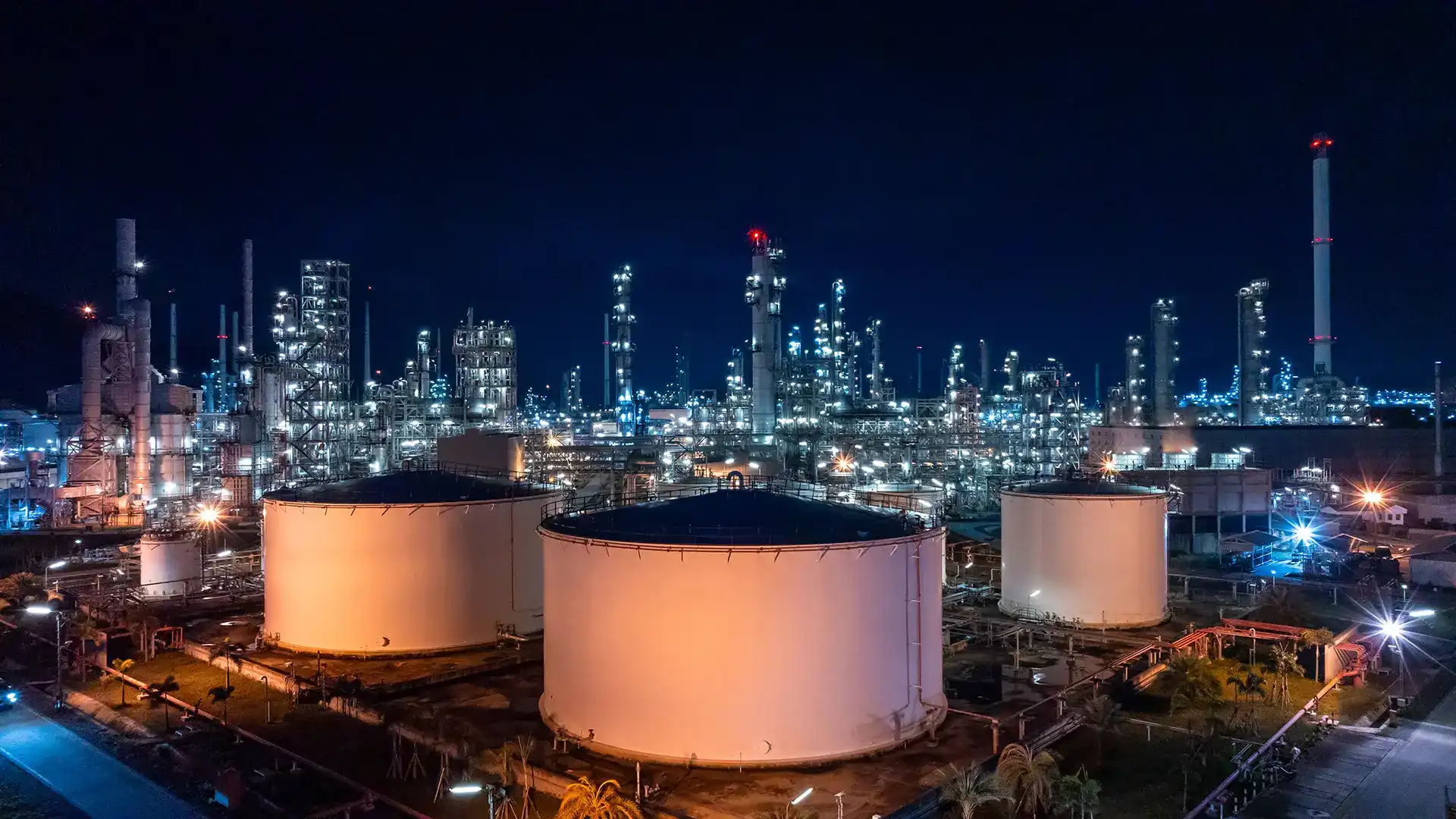
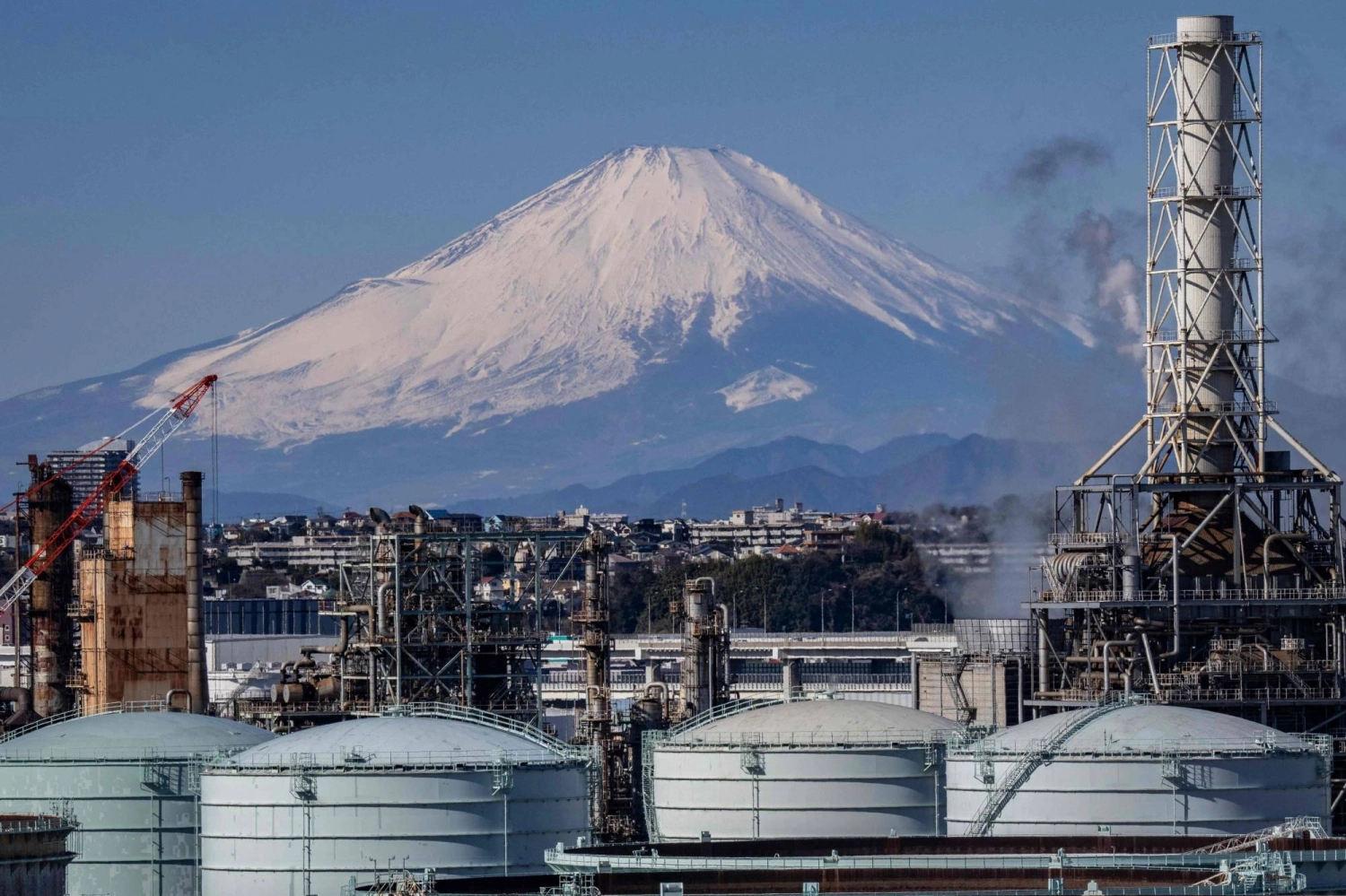
On the sell side: Kenya's domestic refiners primarily Essar Energy's shutdown facility in Mombasa and smaller blending operations lose competitive advantage during the waiver period. Investments in hydrotreating units and desulphurisation equipment that enable low-sulphur production become temporarily worthless. Local refiners that spent $50–100 million upgrading to meet the 10mg/kg standard now compete against imports of cheaper, lower-quality products. The waiver effectively subsidises foreign refiners at the expense of domestic processing capacity.
For large integrated traders (Vitol, Trafigura, Gunvor) with derivatives access: The sulphur spread the price difference between 10mg/kg and 50mg/kg products creates an immediate arbitrage opportunity. Traders can hedge exposure through gasoil crack spreads on ICE Brent while sourcing higher-sulphur cargoes from Russia's Tuapse or India's Reliance refineries. A cargo differential of $25/MT on 50,000 tonnes generates $1.25 million gross margin, minus freight and financing costs.
For smaller regional operators independent fuel distributors, transport cooperatives, rural retailers without derivatives access: The practical equivalent involves bilateral term contracts with suppliers guaranteeing delivery of compliant (now 50mg/kg) fuel at fixed monthly premiums. Regional distributors can negotiate 180 day payment terms with importers, shifting inventory risk while securing price certainty. Diversifying between Tanzanian, Ugandan, and Kenyan supply sources provides operational flexibility when quality standards diverge.
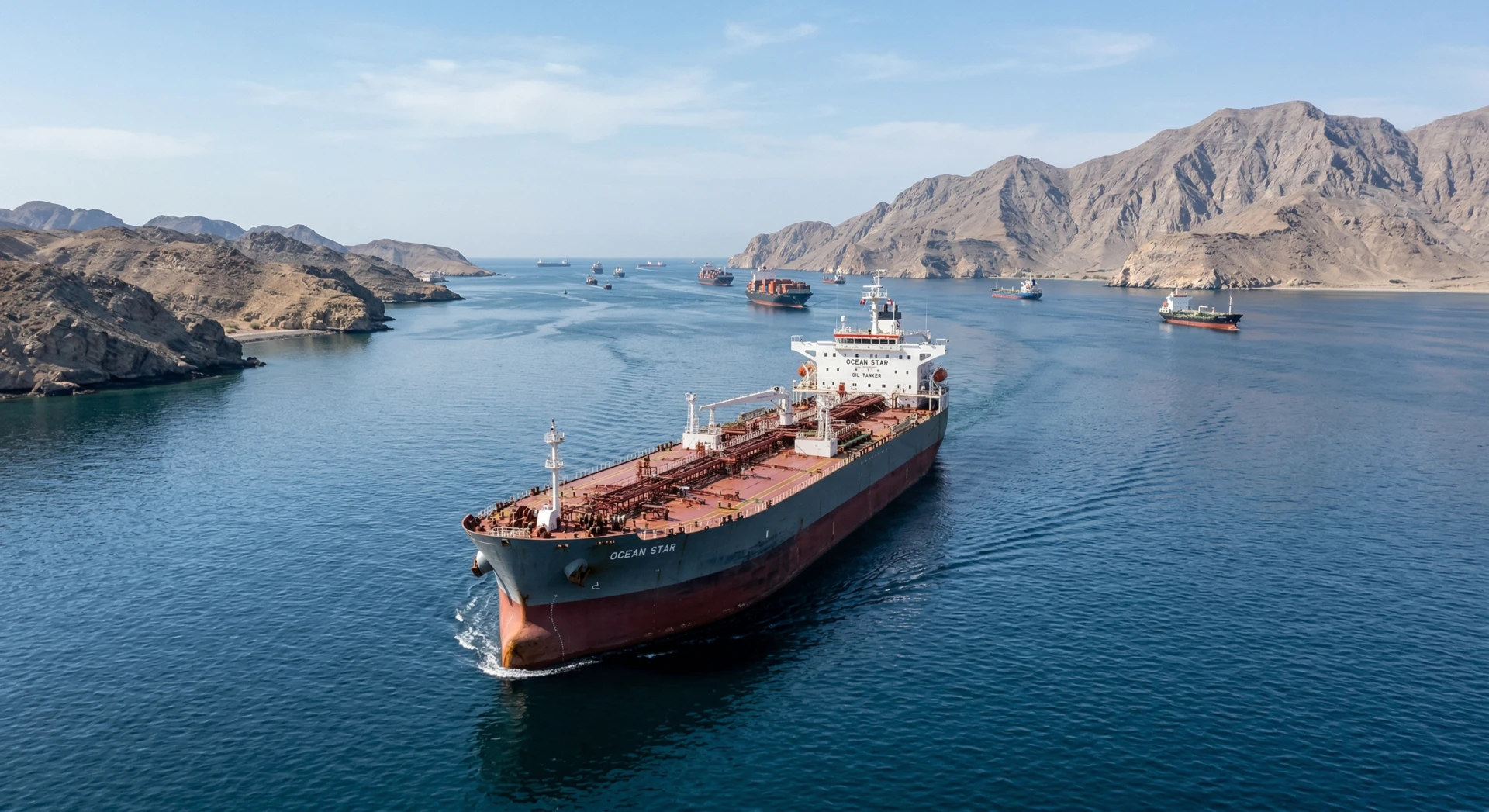
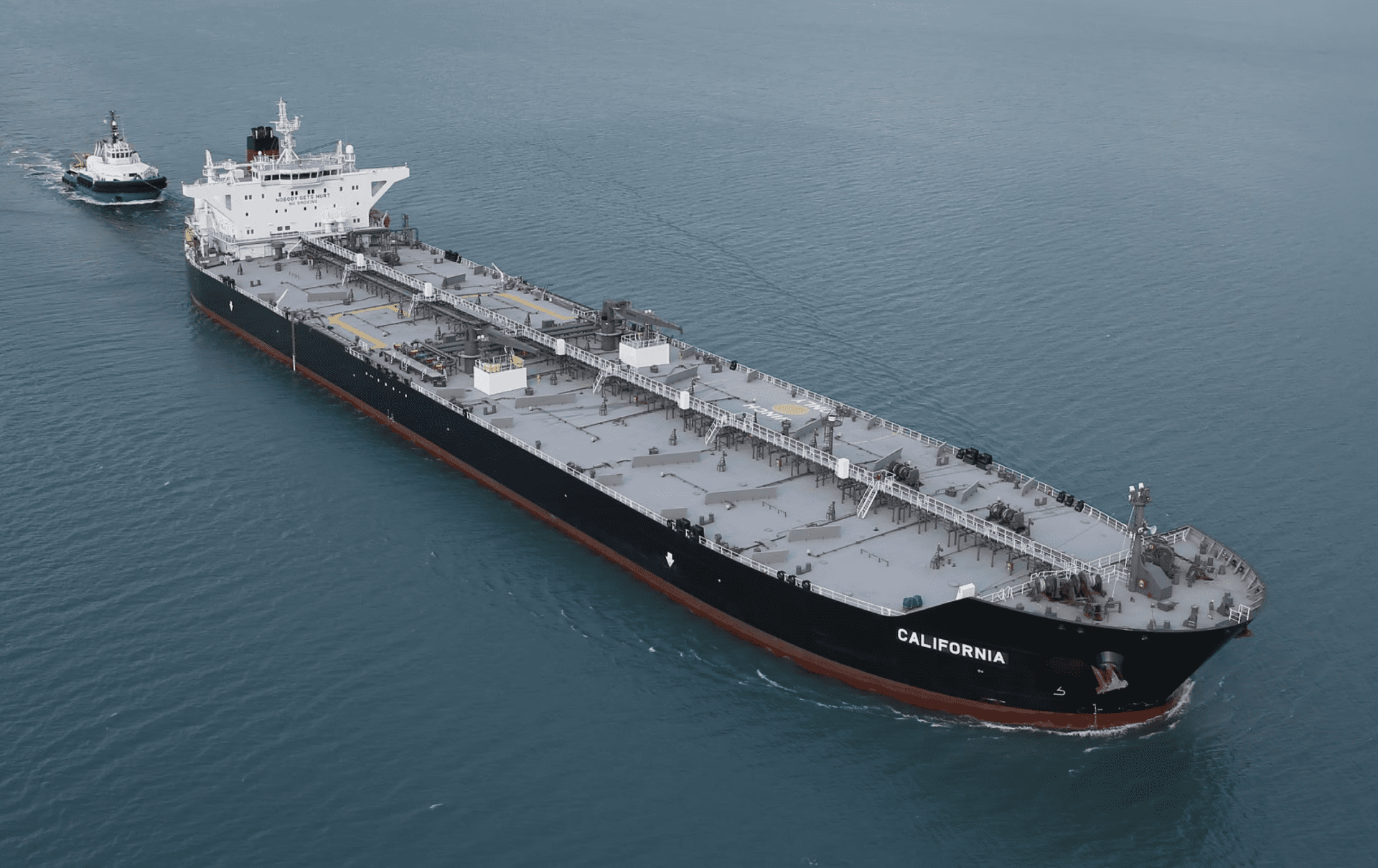
The Strait of Hormuz disruption where shipping traffic has been largely blocked since February 28, affecting 25% of seaborne oil trade and 20% of LNG constrains access to Persian Gulf refined products that historically supplied East Africa. The closure affects around 20% of world oil trade and has led to fuel shortages in countries importing from the Persian Gulf region. A VLCC (Very Large Crude Carrier) carrying 2 million barrels typically transits from Ras Tanura, Saudi Arabia, through Hormuz to Mombasa in 18–22 days. With Hormuz effectively closed, the same cargo must route via the Red Sea and Suez Canal adding 5–7 days and $2–3 million in additional freight costs.
Kenya's Government-to-Government fuel import framework with Saudi Aramco, ADNOC, and ENOC was supposed to insulate Kenya from supply shocks, but has produced the most expensive petrol in East Africa and its first stress test triggered a quality crisis. The framework's 180 day credit terms provide financing relief but lock Kenya into specific suppliers now disrupted by the Hormuz closure. Fuel prices reached approximately 200 shillings per litre in April 2026, contributing to inflation rising from 4.4% in March to 5.6%. The waiver trades environmental standards for supply security a calculation repeated across import-dependent economies globally.
For observers: Monitor Singapore gasoil 0.05% sulphur vs 0.5% sulphur crack spreads on ICE the price differential between low and high sulphur diesel. If the spread exceeds $35/MT by July 2026, Kenya's waiver becomes economically unsustainable and early termination likely. Watch for similar waivers from Tanzania, Uganda, and Ethiopia as regional fuel standards face identical pressure from Middle East supply disruptions.

.jpg)

'%3e%3cg id='Final-Copy-2_2_' transform='translate(1275.000000, 200.000000)'%3e%3cpath class='st0' d='M7.4,12.8h6.8l3.1-11.6H7.4C4.2,1.2,1.6,3.8,1.6,7S4.2,12.8,7.4,12.8z'/%3e%3c/g%3e%3c/g%3e%3c/g%3e%3cg id='final---dec.11-2020'%3e%3cg id='_x30_208-our-toggle' transform='translate(-1275.000000, -200.000000)'%3e%3cg id='Final-Copy-2' transform='translate(1275.000000, 200.000000)'%3e%3cpath class='st1' d='M22.6,0H7.4c-3.9,0-7,3.1-7,7s3.1,7,7,7h15.2c3.9,0,7-3.1,7-7S26.4,0,22.6,0z M1.6,7c0-3.2,2.6-5.8,5.8-5.8 h9.9l-3.1,11.6H7.4C4.2,12.8,1.6,10.2,1.6,7z'/%3e%3cpath id='x' class='st2' d='M24.6,4c0.2,0.2,0.2,0.6,0,0.8l0,0L22.5,7l2.2,2.2c0.2,0.2,0.2,0.6,0,0.8c-0.2,0.2-0.6,0.2-0.8,0 l0,0l-2.2-2.2L19.5,10c-0.2,0.2-0.6,0.2-0.8,0c-0.2-0.2-0.2-0.6,0-0.8l0,0L20.8,7l-2.2-2.2c-0.2-0.2-0.2-0.6,0-0.8 c0.2-0.2,0.6-0.2,0.8,0l0,0l2.2,2.2L23.8,4C24,3.8,24.4,3.8,24.6,4z'/%3e%3cpath id='y' class='st3' d='M12.7,4.1c0.2,0.2,0.3,0.6,0.1,0.8l0,0L8.6,9.8C8.5,9.9,8.4,10,8.3,10c-0.2,0.1-0.5,0.1-0.7-0.1l0,0 L5.4,7.7c-0.2-0.2-0.2-0.6,0-0.8c0.2-0.2,0.6-0.2,0.8,0l0,0L8,8.6l3.8-4.5C12,3.9,12.4,3.9,12.7,4.1z'/%3e%3c/g%3e%3c/g%3e%3c/g%3e%3c/g%3e%3c/svg%3e) Privacy Choices
Privacy Choices