.avif)
.jpg)
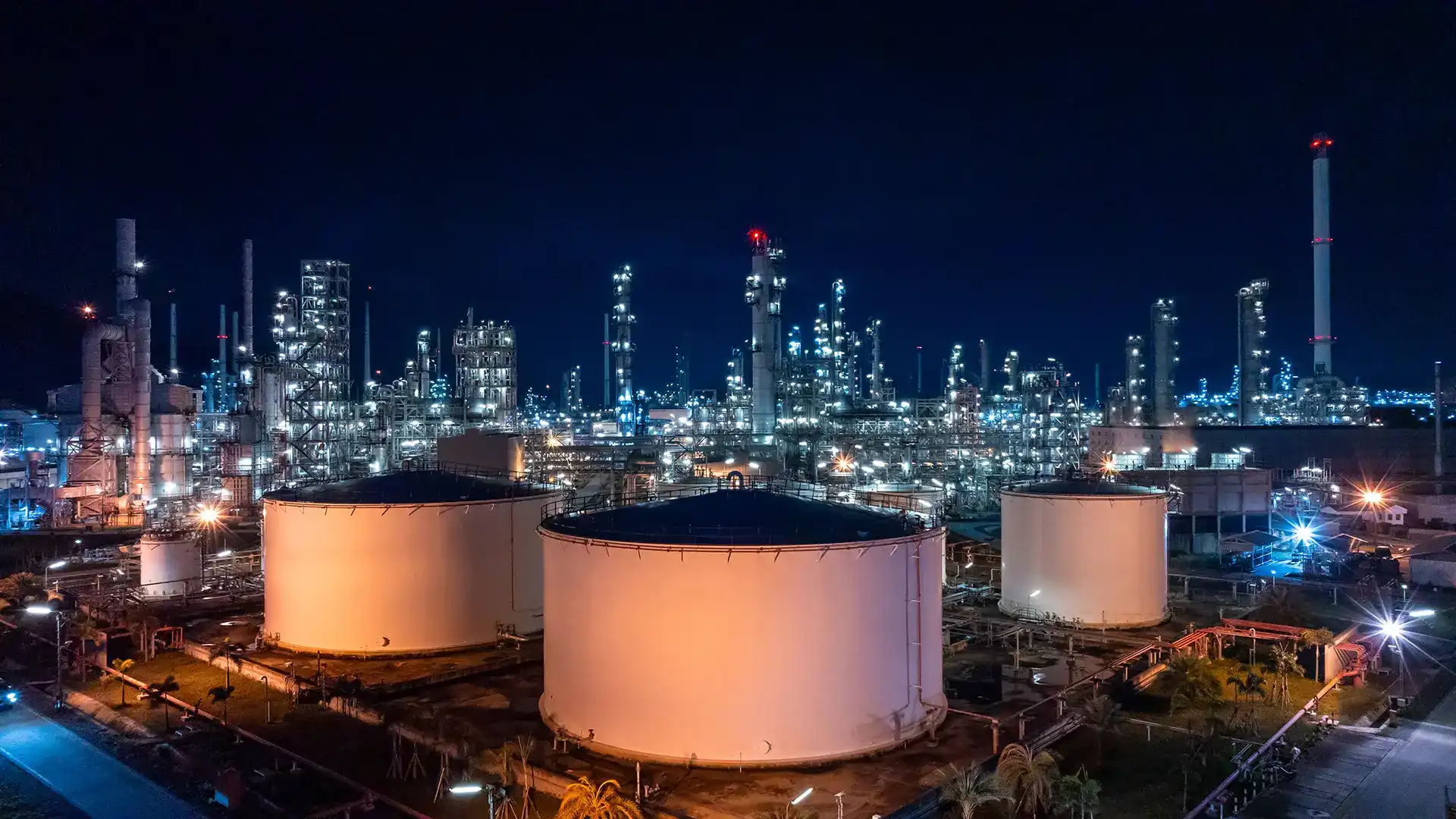
Black Sea product traders are confronting a new margin reality as Ukraine conducted its fourth strike on Russia's Tuapse oil refinery and marine terminal on May 1, marking the latest attack on the site in just over two weeks. The refinery had a capacity of 12 million tons of oil per year, but following the fourth attack, production capacity has decreased. This represents approximately 240,000 barrels per day offline enough to tighten regional product markets and create margin opportunities for alternative suppliers. Reuters calculations show that recent strikes on Russian oil refineries have cut its refining capacity by 17%, or about 1.1 million barrels per day.
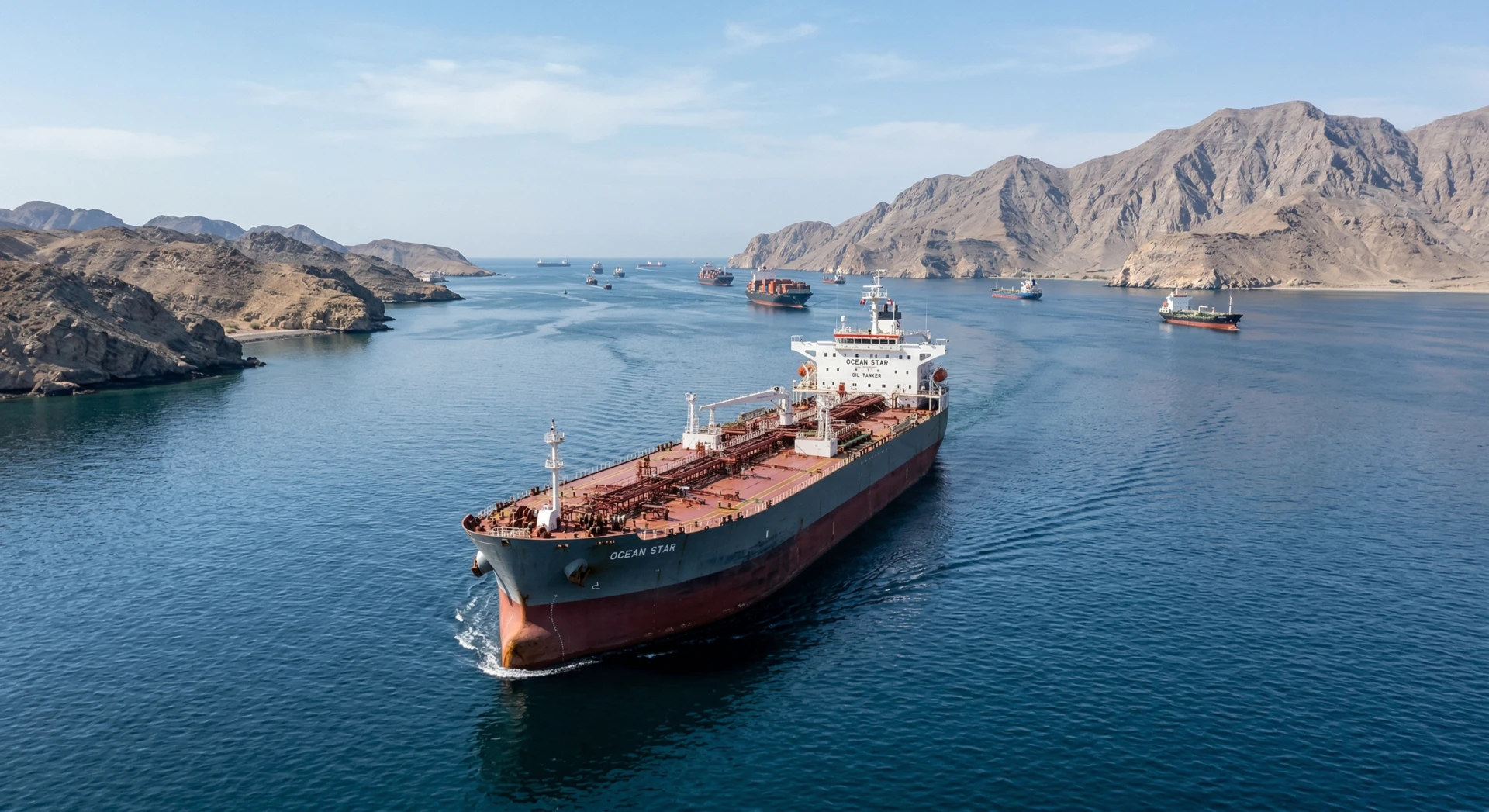
The commercial anatomy tells a clear story: the Tuapse oil refinery, located on the Black Sea Coast in Krasnodar Krai, processes about 12 million tons of oil annually. It functions as both a refinery and export terminal a marine terminal capable of loading products directly onto vessels for regional distribution. With Brent crude at $108.17 per barrel following the May 1 attacks, product margins are historically elevated across the Black Sea basin. The emergency response involved 128 personnel and 41 units of equipment to contain the blaze, with no casualties reported by local authorities. The pattern of repeated strikes previously on April 16, 20, and 28 indicates sustained operational disruption rather than temporary damage.
The Tuapse refinery processes up to 12 million tons of crude oil per year and ranks among Russia's top ten refineries. Consider the margin structure for a Black Sea product trader shipping 30,000 tonnes of gasoil (diesel) from Tuapse to Istanbul the standard Handymax cargo size for this route. Before the strikes, the delivered margin was approximately $45–55 per metric tonne, accounting for product differentials, freight at $18/MT (typical for Black Sea-Mediterranean), and operational costs. With Tuapse offline, alternative supply sources primarily Novorossiysk or imported material command premiums of $15–25/MT. The margin shift flows entirely to traders with alternative access, not to the disrupted Russian operator.
On the buy side: Regional fuel importers Turkish distributors, Bulgarian refiners, Romanian trading houses face supply tightness that forces source diversification. A mid-sized Turkish importer typically purchasing 50,000 tonnes monthly from Tuapse now competes for limited Novorossiysk slots or sources from Mediterranean refiners at higher netbacks. The attack significantly disrupted operations at one of Russia's key export-oriented refineries, reducing throughput and forcing the diversion of tanker traffic to alternative ports such as Novorossiysk. Procurement officers report premiums for prompt Black Sea gasoil reaching $20–30/MT above normal levels, with some buyers accepting longer lead times to avoid spot premiums.
On the sell side: Russian product exporters lose operational flexibility and margin. Rosneft's trading arm, which typically moved 1.2 million tonnes monthly through Tuapse, must now concentrate volumes through Novorossiysk or reduce export commitments entirely. The Rosneft-operated refinery had stopped operations after it was first attacked on April 16. The margin compression is structural alternative loading terminals charge higher port fees, and vessel queuing adds demurrage costs of $25,000–40,000 per day for product tankers. For smaller Russian exporters without integrated logistics, the disruption eliminates export viability entirely.
For large integrated traders (Trafigura, Vitol, Glencore): The disruption creates arbitrage opportunities across time and geography. A major trader with storage in both Novorossiysk and Mediterranean hubs can capitalize on the $20–35/MT spread between disrupted Black Sea supply and alternative sources. The instrument is inventory positioning building product stocks before further escalation while maintaining optionality on destination markets. Operational hedging involves booking vessel tonnage forward to capture freight spreads.
For smaller regional operators independent Bulgarian importers, mid-sized Turkish distributors, Balkan fuel cooperatives: The equivalent is bilateral supply agreements with multiple refiners and strategic inventory builds. Without derivatives access, protection comes through diversifying sourcing geography (Mediterranean, Baltic) and accepting higher working capital costs to maintain 45–60 days of inventory rather than the typical 30 day cycle. The practical approach involves forward contracts at fixed premiums rather than spot market exposure.
The fires released hazardous substances into the atmosphere, including benzene and xylene, leading to severe air pollution around Tuapse. Authorities advised residents to remain indoors due to toxic conditions. The environmental dimension constrains restart timelines even after equipment repairs, environmental clearances and safety certifications will delay resumption. The spill, which covers an area of 10 square kilometers (3.9 square miles), prompted authorities to declare a state of emergency. This extends the commercial disruption beyond immediate fire damage to regulatory and environmental remediation timelines measured in months, not weeks.
For observers monitoring market positioning: Track the Platts Black Sea-Mediterranean gasoil spread, currently widening beyond seasonal norms. If this spread exceeds $25/MT sustained for more than two weeks, it signals structural rather than temporary disruption. Monitor Novorossiysk berth congestion vessel delays exceeding 7–10 days indicate insufficient alternative capacity to absorb diverted volumes. The key signal is Russian Urals crude discount to Brent if the discount narrows below $20/barrel from current levels around $25, it suggests export terminal constraints are forcing crude supply reductions upstream.

.jpg)

'%3e%3cg id='Final-Copy-2_2_' transform='translate(1275.000000, 200.000000)'%3e%3cpath class='st0' d='M7.4,12.8h6.8l3.1-11.6H7.4C4.2,1.2,1.6,3.8,1.6,7S4.2,12.8,7.4,12.8z'/%3e%3c/g%3e%3c/g%3e%3c/g%3e%3cg id='final---dec.11-2020'%3e%3cg id='_x30_208-our-toggle' transform='translate(-1275.000000, -200.000000)'%3e%3cg id='Final-Copy-2' transform='translate(1275.000000, 200.000000)'%3e%3cpath class='st1' d='M22.6,0H7.4c-3.9,0-7,3.1-7,7s3.1,7,7,7h15.2c3.9,0,7-3.1,7-7S26.4,0,22.6,0z M1.6,7c0-3.2,2.6-5.8,5.8-5.8 h9.9l-3.1,11.6H7.4C4.2,12.8,1.6,10.2,1.6,7z'/%3e%3cpath id='x' class='st2' d='M24.6,4c0.2,0.2,0.2,0.6,0,0.8l0,0L22.5,7l2.2,2.2c0.2,0.2,0.2,0.6,0,0.8c-0.2,0.2-0.6,0.2-0.8,0 l0,0l-2.2-2.2L19.5,10c-0.2,0.2-0.6,0.2-0.8,0c-0.2-0.2-0.2-0.6,0-0.8l0,0L20.8,7l-2.2-2.2c-0.2-0.2-0.2-0.6,0-0.8 c0.2-0.2,0.6-0.2,0.8,0l0,0l2.2,2.2L23.8,4C24,3.8,24.4,3.8,24.6,4z'/%3e%3cpath id='y' class='st3' d='M12.7,4.1c0.2,0.2,0.3,0.6,0.1,0.8l0,0L8.6,9.8C8.5,9.9,8.4,10,8.3,10c-0.2,0.1-0.5,0.1-0.7-0.1l0,0 L5.4,7.7c-0.2-0.2-0.2-0.6,0-0.8c0.2-0.2,0.6-0.2,0.8,0l0,0L8,8.6l3.8-4.5C12,3.9,12.4,3.9,12.7,4.1z'/%3e%3c/g%3e%3c/g%3e%3c/g%3e%3c/g%3e%3c/svg%3e) Privacy Choices
Privacy Choices