.avif)
Malaysian rice mills face a structural supply crisis as the country loses over 20,000 hectares of paddy fields to urban development and farm abandonment, forcing increased reliance on imports from Thailand and Vietnam. The hectare loss — equivalent to roughly 60,000-80,000 tonnes of annual paddy production capacity — represents a permanent erosion of domestic supply that cannot be offset by yield improvements on remaining fields. Agriculture Minister Datuk Seri Mohamad Sabu attributed the land conversion to housing projects and commercial development, while abandoned plots reflect younger generations migrating to cities rather than continuing rice cultivation. This structural shift fundamentally alters Malaysia's rice procurement landscape: domestic mills that historically sourced 70% of their paddy locally now face permanent supply shortfalls requiring expanded import programs. The timing compounds the challenge as regional rice prices remain elevated following export restrictions imposed by India and Myanmar's ongoing production disruptions.
On the buy side, Malaysian rice importers — particularly large-scale operations like Bernas and FFM — gain permanent market share as domestic production contracts structurally. A major importer previously handling 200,000 tonnes annually from Thailand can now expand to 250,000-300,000 tonnes with minimal competition from local paddy. Import margins improve as domestic supply tightness supports premium pricing: Malaysian consumers pay roughly RM 2.60/kg for local white rice versus RM 2.40/kg for Thai imports, creating sustainable arbitrage for importers with established supply chains. On the sell side, remaining Malaysian paddy farmers face intensifying pressure as available cultivation area shrinks while land costs rise. Farmers in Kedah and Perlis — Malaysia's rice bowl states — report rental rates climbing from RM 800-1,000 per hectare to RM 1,200-1,500 as competition for viable fields intensifies. The rental rehabilitation model pioneered by PLS Group in Pahang, covering 200 hectares through six-season agreements, assumes abandoned fields retain cultivation viability, but soil degradation and irrigation decay may require capital investment exceeding rental economics.
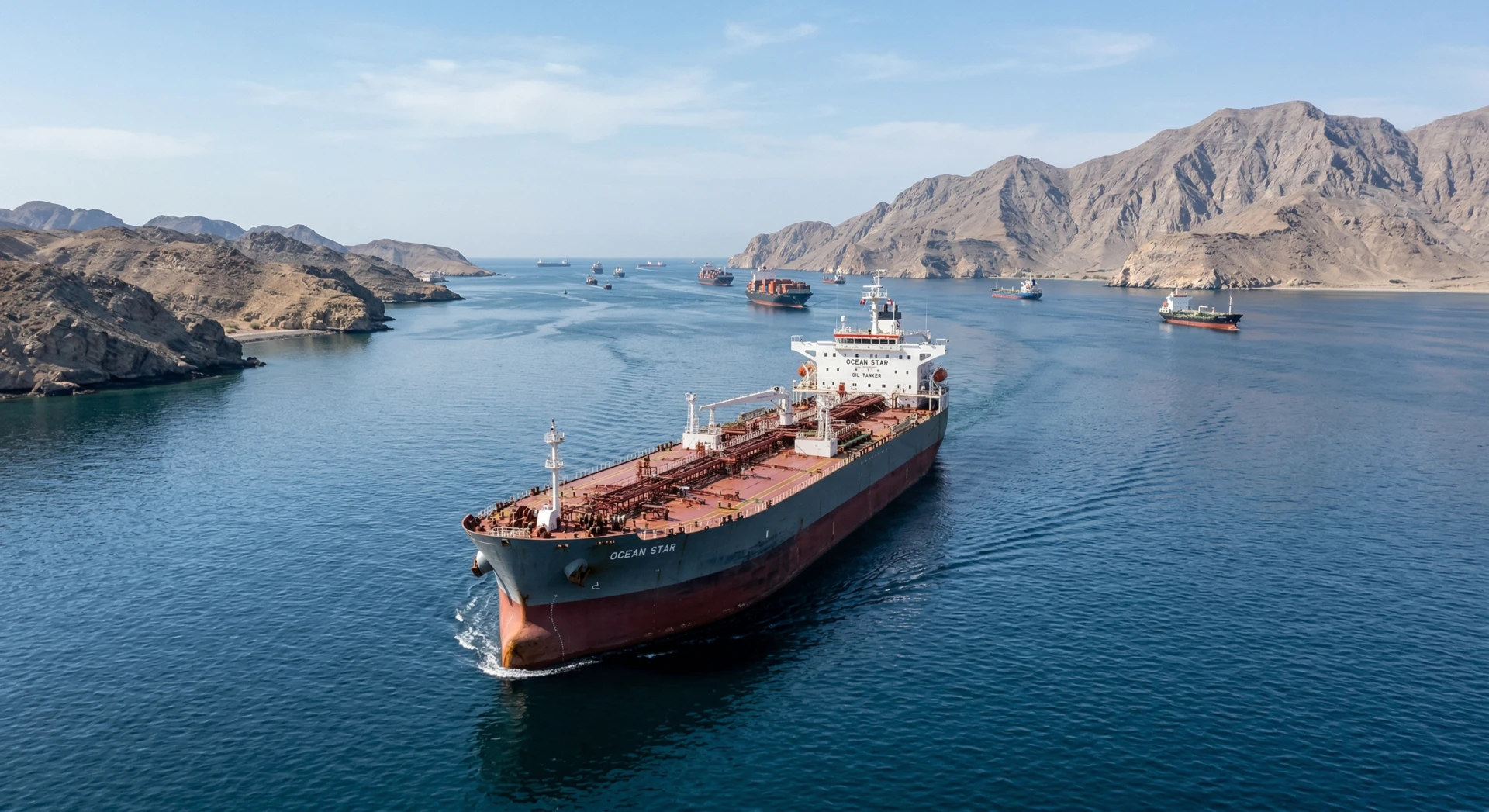
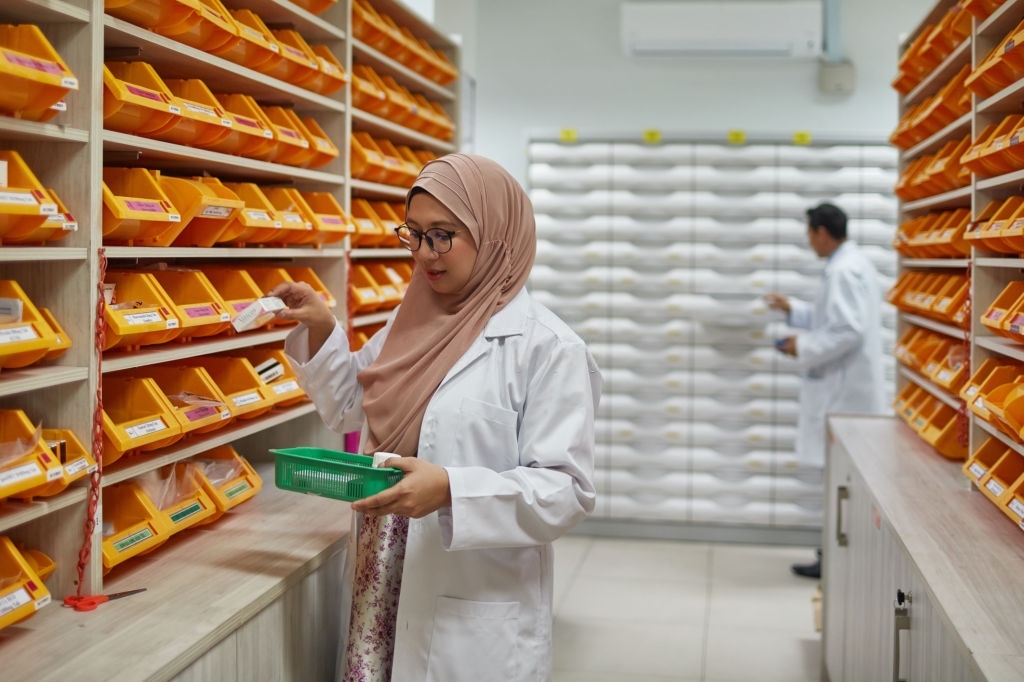
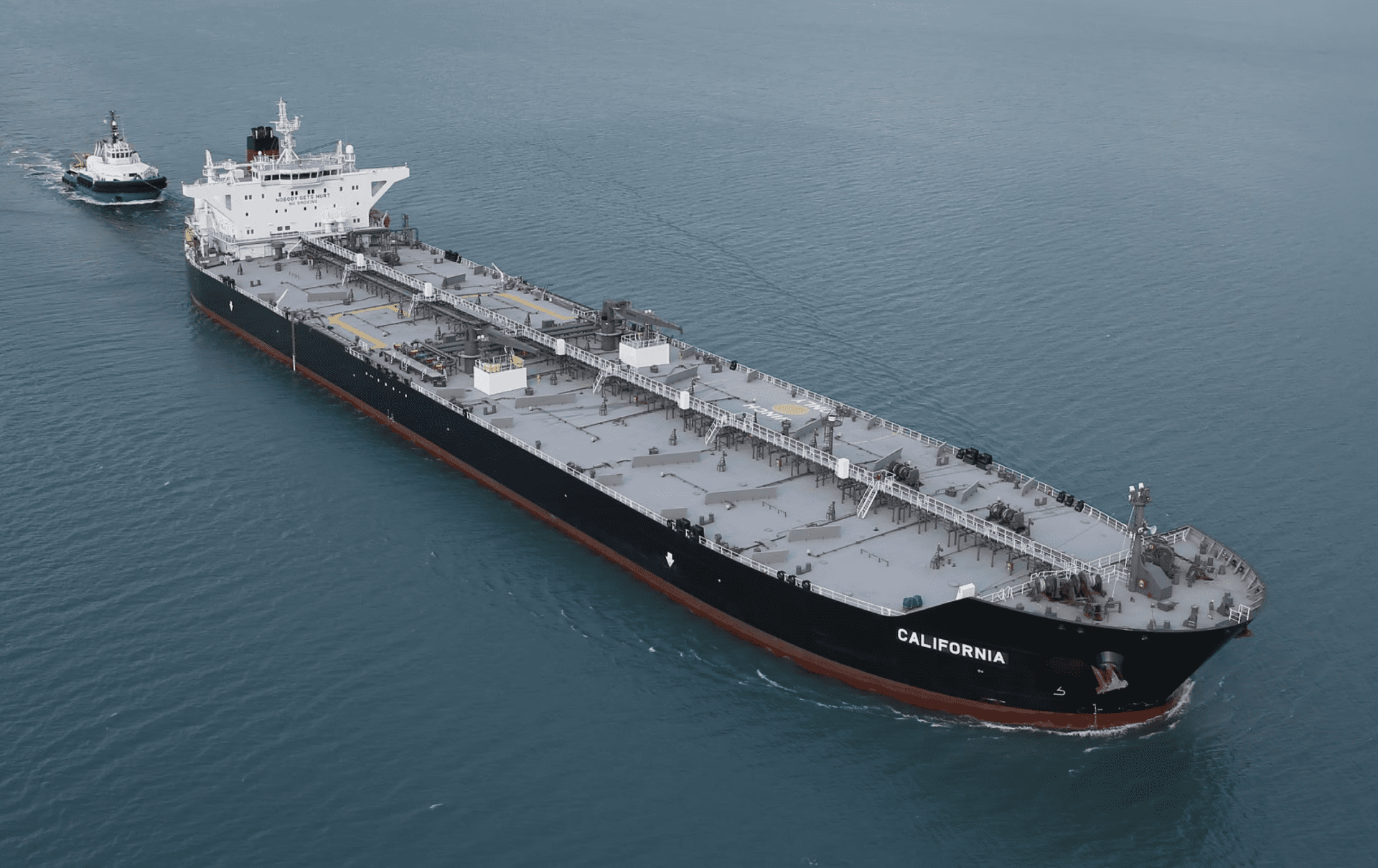
The 20,000-hectare loss triggers immediate supply chain recalibrations across Southeast Asian rice trade routes. Thailand's rice exporters, already operating near capacity with 6.5 million tonnes shipped annually, face expanded Malaysian demand adding 60,000-100,000 tonnes to their order books. Thai export prices for 5% broken white rice — the benchmark grade — trade at $580-600 per tonne FOB Bangkok, with Malaysian buyers paying an additional $40-50/tonne for freight via 25,000-tonne Handysize vessels on the 48-hour Bangkok-Port Klang route. Vietnamese exporters, traditionally focused on African and Middle Eastern markets, redirect 5-10% broken grades toward Malaysia at $560-580/tonne FOB Ho Chi Minh City. The infrastructure ceiling becomes apparent: Port Klang's grain terminals handle maximum 2.8 million tonnes annually across all cereals, requiring Malaysian importers to diversify discharge points to Penang and Johor ports as rice volumes expand. Regional rice storage capacity emerges as the binding constraint, with Malaysian silos designed for 200,000-300,000 tonnes but now requiring 400,000+ tonnes to buffer increased import dependency.
For large integrated trading houses with derivatives access, the Malaysian supply deficit creates systematic long positioning opportunities in Chicago rough rice futures and regional physical contracts. A major house can establish 2,000-3,000 tonne positions in CBOT rough rice at $16-17 per hundredweight, hedging against regional price spikes while securing Thai and Vietnamese supply through forward contracts 3-6 months out. The strategy requires $800,000-1.2 million working capital per 1,000 tonnes but generates 8-12% returns as Malaysian demand premium sustains. Mid-tier importers without derivatives capability focus on bilateral term contracts with Thai exporters, fixing 12-month supply agreements at $590-610/tonne to avoid spot market volatility. A 50,000-tonne annual importer can secure supply through payment terms extending letters of credit to 180 days, reducing working capital pressure while locking favorable pricing. Smaller Malaysian rice distributors face the most acute pressure, unable to access forward contracts or significant storage capacity, forcing reliance on spot purchases that expose them to regional price volatility without hedging mechanisms.
The structural supply loss extends beyond immediate procurement challenges to reshape Malaysia's food security calculus and regional trade dependencies. Malaysia's rice self-sufficiency ratio — the percentage of domestic consumption met by local production — drops from approximately 70% toward 60-65% as the 20,000-hectare loss compounds with stagnant yields on remaining fields. This decline accelerates import dependency growth from 800,000 tonnes annually to potentially 1.0-1.2 million tonnes within 24 months, creating permanent demand for Thai and Vietnamese exporters while exposing Malaysian consumers to regional supply shocks. The PLS Group's rehabilitation model in Pahang, despite covering only 200 hectares with 100 participating farmers, demonstrates private-sector solutions but operates at insufficient scale to offset the broader land loss. Forward market signals suggest recognition of this structural shift: Malaysian rice import licensing allocations for 2026 increased 15% year-over-year to 1.1 million tonnes, indicating government acknowledgment that domestic production cannot recover to historical levels. The lost hectares represent infrastructure that cannot be quickly restored — paddy field development requires 18-24 months for soil preparation, irrigation installation, and initial cultivation cycles, making the supply deficit effectively permanent absent major agricultural investment.

.jpg)

'%3e%3cg id='Final-Copy-2_2_' transform='translate(1275.000000, 200.000000)'%3e%3cpath class='st0' d='M7.4,12.8h6.8l3.1-11.6H7.4C4.2,1.2,1.6,3.8,1.6,7S4.2,12.8,7.4,12.8z'/%3e%3c/g%3e%3c/g%3e%3c/g%3e%3cg id='final---dec.11-2020'%3e%3cg id='_x30_208-our-toggle' transform='translate(-1275.000000, -200.000000)'%3e%3cg id='Final-Copy-2' transform='translate(1275.000000, 200.000000)'%3e%3cpath class='st1' d='M22.6,0H7.4c-3.9,0-7,3.1-7,7s3.1,7,7,7h15.2c3.9,0,7-3.1,7-7S26.4,0,22.6,0z M1.6,7c0-3.2,2.6-5.8,5.8-5.8 h9.9l-3.1,11.6H7.4C4.2,12.8,1.6,10.2,1.6,7z'/%3e%3cpath id='x' class='st2' d='M24.6,4c0.2,0.2,0.2,0.6,0,0.8l0,0L22.5,7l2.2,2.2c0.2,0.2,0.2,0.6,0,0.8c-0.2,0.2-0.6,0.2-0.8,0 l0,0l-2.2-2.2L19.5,10c-0.2,0.2-0.6,0.2-0.8,0c-0.2-0.2-0.2-0.6,0-0.8l0,0L20.8,7l-2.2-2.2c-0.2-0.2-0.2-0.6,0-0.8 c0.2-0.2,0.6-0.2,0.8,0l0,0l2.2,2.2L23.8,4C24,3.8,24.4,3.8,24.6,4z'/%3e%3cpath id='y' class='st3' d='M12.7,4.1c0.2,0.2,0.3,0.6,0.1,0.8l0,0L8.6,9.8C8.5,9.9,8.4,10,8.3,10c-0.2,0.1-0.5,0.1-0.7-0.1l0,0 L5.4,7.7c-0.2-0.2-0.2-0.6,0-0.8c0.2-0.2,0.6-0.2,0.8,0l0,0L8,8.6l3.8-4.5C12,3.9,12.4,3.9,12.7,4.1z'/%3e%3c/g%3e%3c/g%3e%3c/g%3e%3c/g%3e%3c/svg%3e) Privacy Choices
Privacy Choices