.avif)
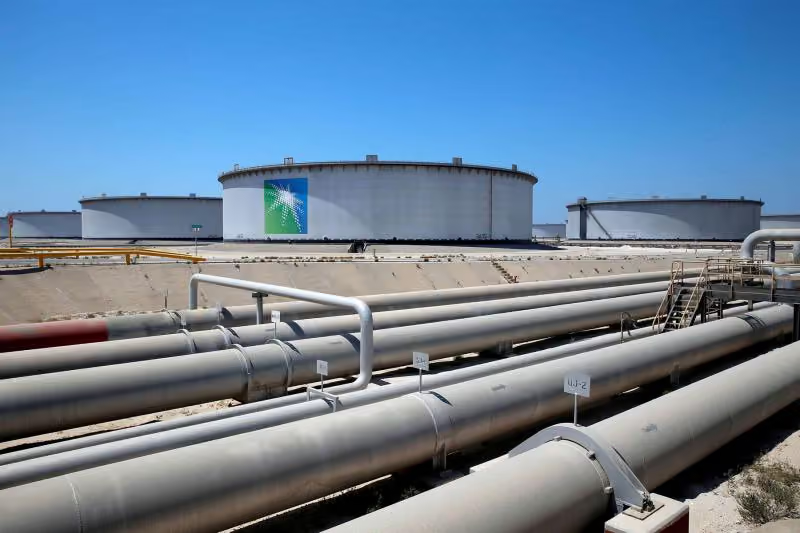
Crude oil traders face compressed margins as Brent dropped 4% to $89 per barrel on Thursday, extending losses from peace negotiations that may reopen the Strait of Hormuz after 100 days of closure. The strait normally carries 20 million barrels per day, but Saudi Arabia's East-West pipeline operates at maximum 7 million barrels per day capacity. For traders, this arithmetic creates a permanent 13 million barrel shortfall not a gap that hedging can cover, but a structural reality that determines which cargoes move and which stay stranded.
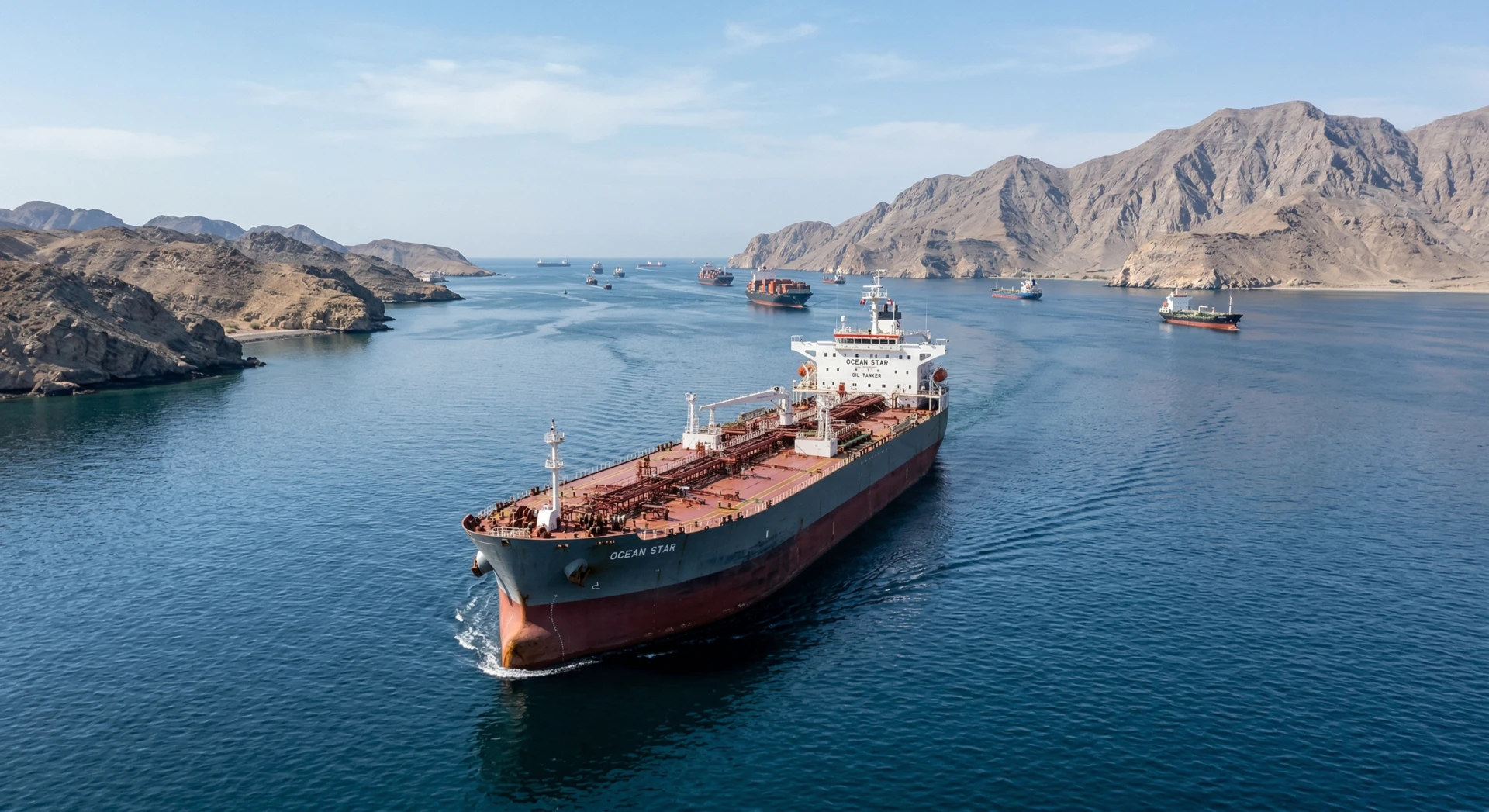
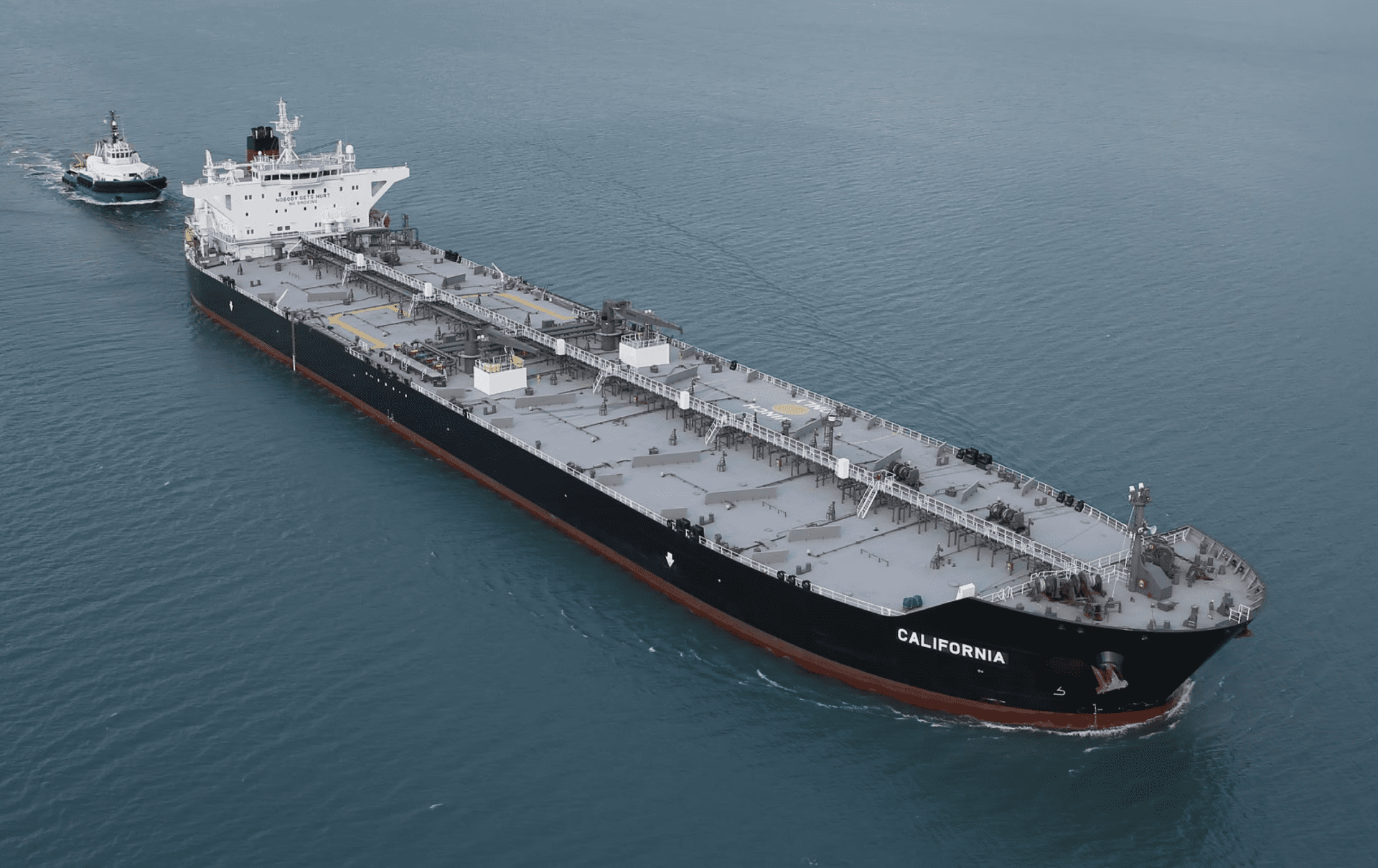
The Strait of Hormuz carried 25% of world seaborne oil trade and 20% of global LNG before closure, with China receiving 40% of oil imports and Japan 70% of Middle East crude through the strait. For large integrated traders Vitol, Trafigura, or a national oil company trading arm the closure means fundamental route economics have shifted. A VLCC (Very Large Crude Carrier a supertanker holding 2 million barrels) that previously earned $30-35 per metric ton on a 25 day Hormuz to Singapore voyage now faces either Red Sea routing via Saudi's Yanbu terminal, adding 10-15 days transit time, or alternative sourcing from West Africa at $18-25/MT premium. The additional freight cost alone approximately $12-18/MT on longer routes often eliminates traditional arbitrage margins entirely.
Defining backwardation where near-term oil prices trade higher than forward prices the market signals immediate supply tightness requiring physical inventory draws. Energy analysts warn that by July, without supply relief, prices will reverse from current levels, with US officials considering oil at $200 per barrel. For refiners in Asia, this creates a brutal cost structure: Asia faces energy crisis conditions with rationing shortages, no fertilizer, and no diesel for farming. A mid-sized Japanese refiner processing 150,000 barrels daily faces feedstock cost increases of $1.8-2.4 million per day at current price premiums. Letters of credit (LC) bank guarantees enabling commodity trade now require war risk insurance adding 0.2-0.4% of cargo value, translating to $400,000-800,000 additional cost per VLCC cargo.
Aramco has shifted crude flows to Yanbu terminal on the Red Sea, quadrupling crude shipments from Red Sea terminals since February. But this solution creates a new chokepoint problem: oil leaving Yanbu for Asian buyers must transit the Bab el-Mandeb strait between Yemen and Djibouti, creating exposure to Houthi attacks. For freight operators, this transforms risk premiums. Aframax tankers (750,000 barrel capacity) suitable for Red Sea routing now command $65-85/MT versus $45-55/MT pre-crisis. The premium accrues to vessel owners, not cargo owners creating margin concentration in shipping rather than crude trading. Both Middle East maritime corridors are simultaneously blocked, with Red Sea operating at 49% of pre-crisis capacity before renewed Houthi attacks.
For regional operators smaller fuel importers, independent distributors, or industrial consumers without derivatives access the financing dimension becomes critical. Traditional 90 day payment terms on crude purchases now extend to 120-150 days due to longer shipping routes and port congestion. A mid-sized Korean refinery importing 1 million barrels monthly faces additional working capital requirements of $8-12 million per month at current price levels. Without derivatives hedging capability, these operators rely on supplier credit facilities or strategic inventory draws. Japan has already asked government to release strategic petroleum reserves, signaling that private sector inventory buffers are depleted.
The Saudi East-West pipeline also called Petroline connects the Abqaiq oil processing center to Yanbu port on the Red Sea via 746 miles of pipeline. Capacity increased to 7 million barrels per day in 2026 when natural gas liquids lines were converted to carry crude oil. The pipeline supplies 2 million bpd to west coast refineries, leaving 5 million bpd for export. For Saudi Aramco, this creates margin leverage: pipeline transport rates are internal, but the company earns premium pricing on Red Sea deliveries versus stranded Gulf production. However, maximizing crude throughput means abandoning natural gas liquids and products transport, forcing trade-offs between crude exports and refined product flows.
Aramco's CEO warns of "catastrophic consequences" for world oil markets, noting Saudi Arabia cut output by 2 million bpd after Iran blockaded Hormuz. This production cut approximately 2% of global supply compounds the transport bottleneck. The market faces simultaneous supply reduction and logistics constraints. For crude oil futures traders, this creates calendar spread opportunities: front-month Brent trades at $10-15/barrel premium to six-month contracts, reflecting physical supply tightness. But recovery will take six months to reach 80% of pre-crisis flows, requiring tanker repositioning and production restart, meaning the backwardation structure could persist through Q4 2026.
Freight becomes profit in this environment, with shipping rates determining margin concentration rather than commodity price movements alone. Crude prices continue climbing as stalled peace talks keep Hormuz closed, with crude prices adding gains on bullish EIA inventory reports. Tanker operators control the scarce transport capacity: VLCC rates from West Africa to Asia now reach $85-110/MT versus $35-45/MT pre-crisis. For integrated oil majors with shipping arms Shell, TotalEnergies, or Chevron this creates internal margin transfer from commodity trading to logistics. Independent shipping companies like Frontline or DHT Holdings capture pure margin expansion without commodity price risk.
March 2026 recorded the largest monthly oil price increase in history, making this the largest world energy supply disruption since the 1970s crisis. Unlike previous crises, this disruption affects multiple product streams simultaneously: LNG exports from Qatar and UAE representing 20% of global trade are stranded, with no alternative routes to global markets. The financing implications cascade through commodity markets: aluminum, fertilizer, and helium supplies face similar disruptions. For commodity finance banks JPMorgan's commodities division, Société Générale, or ING letter of credit pricing must incorporate not just war risk but logistics complexity across multiple chokepoints.
For observers monitoring market signals, Brent crude moves between gains and losses near $93/barrel as tanker traffic through Hormuz has increased, suggesting partial reopening attempts. The key indicator is Saudi crude loadings from Gulf ports: loadings dropped to 3 million barrels March 8 versus 19.9 million barrels pre-conflict. Recovery above 10 million barrels daily signals meaningful progress. Second, monitor Red Sea freight rates on Aframax tankers: rates declining below $60/MT indicate Houthi attack risk is receding. Third, watch Chinese crude import data monthly: any increase in Saudi volumes via Red Sea routes confirms the pipeline bypass strategy is scaling. The timeline for full normalization extends well beyond any diplomatic breakthrough recovery requires six months minimum to restore 80% of pre-crisis capacity, making this a structural shift rather than temporary disruption.

.jpg)

'%3e%3cg id='Final-Copy-2_2_' transform='translate(1275.000000, 200.000000)'%3e%3cpath class='st0' d='M7.4,12.8h6.8l3.1-11.6H7.4C4.2,1.2,1.6,3.8,1.6,7S4.2,12.8,7.4,12.8z'/%3e%3c/g%3e%3c/g%3e%3c/g%3e%3cg id='final---dec.11-2020'%3e%3cg id='_x30_208-our-toggle' transform='translate(-1275.000000, -200.000000)'%3e%3cg id='Final-Copy-2' transform='translate(1275.000000, 200.000000)'%3e%3cpath class='st1' d='M22.6,0H7.4c-3.9,0-7,3.1-7,7s3.1,7,7,7h15.2c3.9,0,7-3.1,7-7S26.4,0,22.6,0z M1.6,7c0-3.2,2.6-5.8,5.8-5.8 h9.9l-3.1,11.6H7.4C4.2,12.8,1.6,10.2,1.6,7z'/%3e%3cpath id='x' class='st2' d='M24.6,4c0.2,0.2,0.2,0.6,0,0.8l0,0L22.5,7l2.2,2.2c0.2,0.2,0.2,0.6,0,0.8c-0.2,0.2-0.6,0.2-0.8,0 l0,0l-2.2-2.2L19.5,10c-0.2,0.2-0.6,0.2-0.8,0c-0.2-0.2-0.2-0.6,0-0.8l0,0L20.8,7l-2.2-2.2c-0.2-0.2-0.2-0.6,0-0.8 c0.2-0.2,0.6-0.2,0.8,0l0,0l2.2,2.2L23.8,4C24,3.8,24.4,3.8,24.6,4z'/%3e%3cpath id='y' class='st3' d='M12.7,4.1c0.2,0.2,0.3,0.6,0.1,0.8l0,0L8.6,9.8C8.5,9.9,8.4,10,8.3,10c-0.2,0.1-0.5,0.1-0.7-0.1l0,0 L5.4,7.7c-0.2-0.2-0.2-0.6,0-0.8c0.2-0.2,0.6-0.2,0.8,0l0,0L8,8.6l3.8-4.5C12,3.9,12.4,3.9,12.7,4.1z'/%3e%3c/g%3e%3c/g%3e%3c/g%3e%3c/g%3e%3c/svg%3e) Privacy Choices
Privacy Choices