.avif)
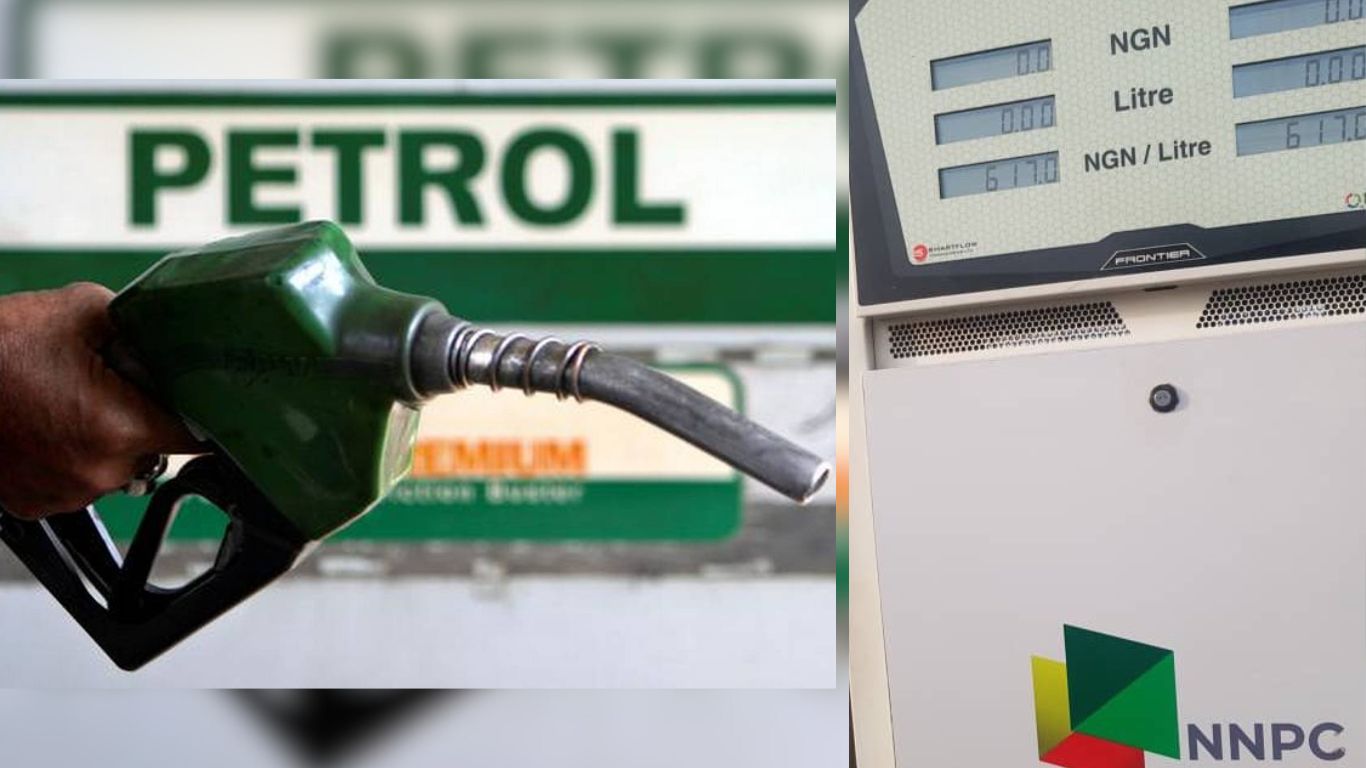
Nigerian petroleum product importers face an immediate margin emergency as April 2026 diesel costs jumped 50% month on month to ₦2,475/litre while petrol climbed 19% to ₦1,533/litre, according to National Bureau of Statistics data. The surge follows the effective closure of the Strait of Hormuz since 28 February 2026, a maritime chokepoint that carried 25% of global oil trade before US-Israeli strikes on Iran triggered the largest energy supply disruption since the 1970s. Nigeria's 80%+ import dependence on refined products means every dollar of Hormuz disruption premium flows directly to pump prices with no domestic processing buffer.
The margin anatomy reveals who wins and loses in Nigeria's fuel import crisis. Nigeria's petroleum product prices are now largely deregulated following the removal of fuel subsidy in May 2023, with prices determined by market forces, the cost of crude oil, exchange rates and logistics costs. Consider a mid-sized fuel importer bringing in 5,000 metric tonnes of diesel monthly through Lagos. Before the Hormuz crisis, the landed cost crude feedstock, refining margin, freight, insurance, and port charges averaged approximately ₦1,650/litre. With Brent crude trading around $95 per barrel as of June 2026, up from roughly $65 pre-crisis, the feedstock premium alone adds ₦400-500/litre. The 50% diesel price jump to ₦2,475/litre creates a ₦300-400/litre margin expansion for existing inventory roughly $150,000 additional profit per 5,000 tonne shipment at current exchange rates.
On the buy side, industrial operators face immediate cost compression without rate pass-through mechanisms. Diesel prices increased 64.58% year on year to ₦1,406/litre in August 2024 data, with month on month increases of 1.93%, but April 2026's 50% monthly surge represents unprecedented velocity. A Lagos based logistics company operating 50 heavy duty trucks burns approximately 15,000 litres of diesel monthly. At the previous ₦1,650/litre average, monthly fuel costs were ₦24.75 million. At ₦2,475/litre, the same consumption costs ₦37.1 million an additional ₦12.35 million monthly burden. Most freight contracts include quarterly fuel adjustment clauses, leaving operators to absorb the ₦12+ million gap until contract renegotiation.
On the sell side, product importers benefit from inventory revaluation while struggling with forward supply security. The Dangote Refinery Nigeria's largest domestic refining capacity currently sells petrol at ₦1,175/litre, with depot owners raising prices to ₦1,175/litre for Dangote Refinery and ₦1,100/litre for Masters and Liquid Bulk depots. However, Dangote's 650,000 barrel per day capacity cannot meet Nigeria's 500,000+ bpd refined product demand, particularly with the Strait of Hormuz largely blocked by Iran since 28 February, with the Iranian Revolutionary Guard Corps issuing warnings forbidding passage, boarding and attacking merchant ships, and laying sea mines. Importers holding 30-45 days of inventory benefit from the price reset, but forward contracting faces force majeure risk as all major carriers, including Maersk, CMA CGM, MSC, and Hapag-Lloyd, have suspended transits through the strait.
For large integrated players Total Energies' Nigerian downstream unit, Eterna Plc, or similar NOC trading arms derivatives access provides partial hedge protection. Brent futures contracts can lock future feedstock costs, though with Brent swinging $8 within a single week, fuel clauses negotiated quarterly cannot keep pace, and the gap between contracted rates and pump reality widens. A major importer with 10,000 tonne monthly volume might hedge 60-70% of next quarter's requirements through paper contracts, absorbing the remaining 30-40% exposure. The hedge cost typically 2-3% of cargo value becomes cheaper than spot market volatility when the standard deviation of daily Brent closing prices in 2026 already stands at crisis territory.
For smaller regional operators independent marketers under IPMAN (Independent Petroleum Marketers Association of Nigeria), mid-sized distributors, fuel cooperatives without derivatives access, risk management relies on supplier relationships and inventory timing. The Nigerian National Petroleum Company Limited (NNPCL) operates filling stations across the country and typically sells at a lower reference price, while independent marketers operating under IPMAN may charge more depending on supply conditions. These operators cannot hedge currency or commodity exposure directly, instead negotiating fixed-price contracts with suppliers for 30-60 day windows or accepting floating price exposure. The strategy shifts to inventory acceleration taking delivery when prices dip and extending payment terms when costs spike.
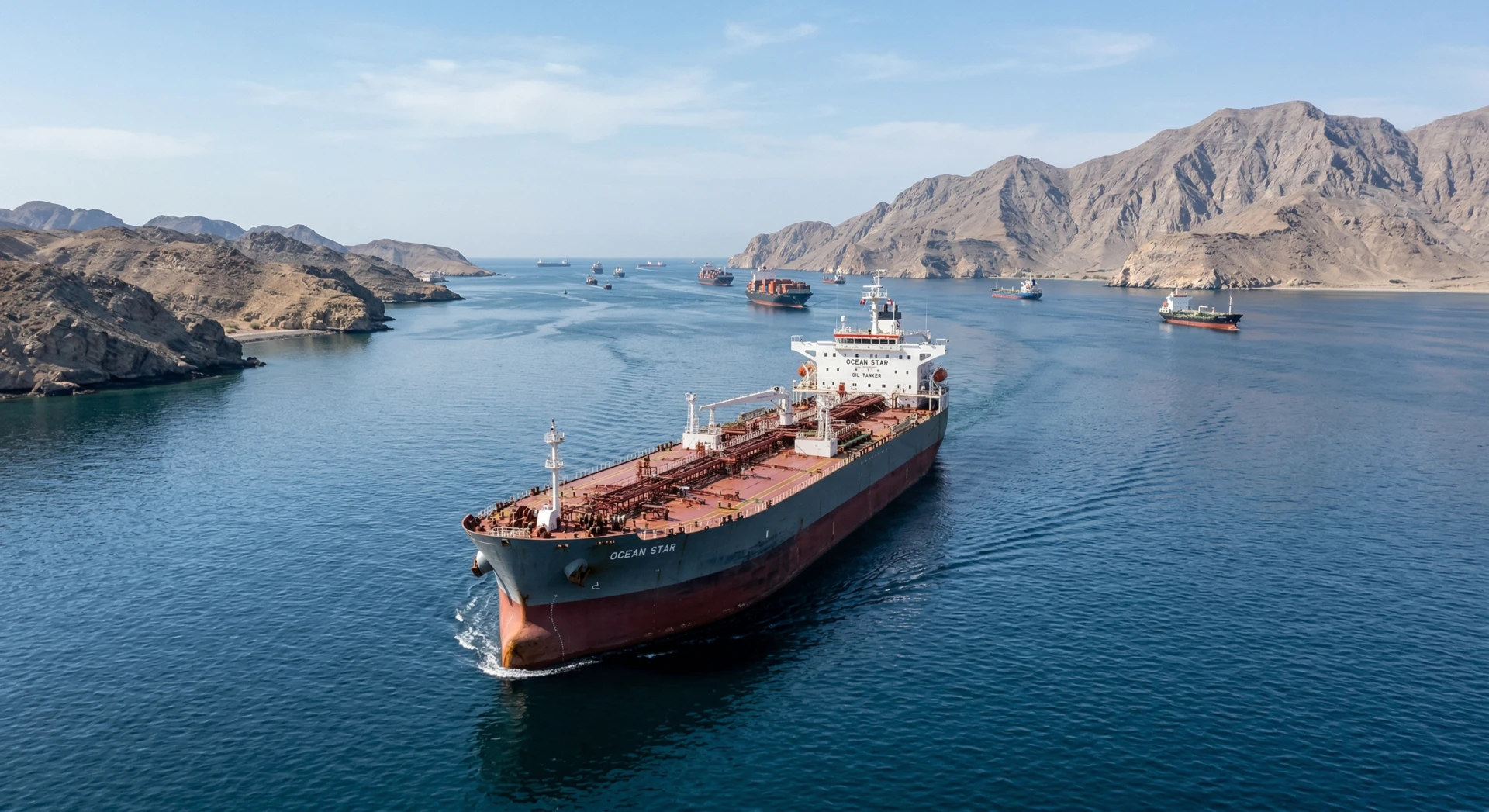
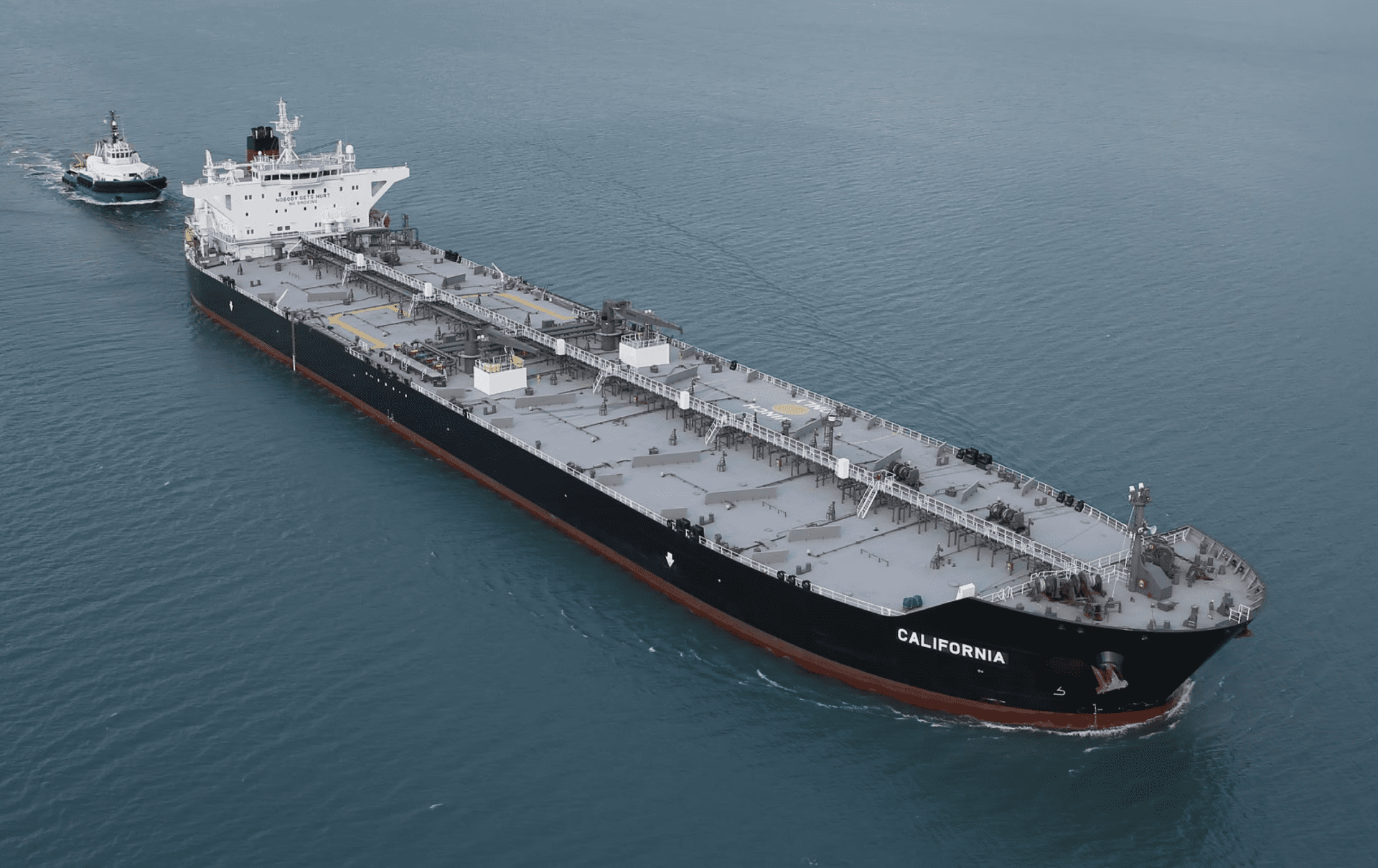
The freight dimension concentrates margin among vessel operators and logistics intermediaries. Middle East diesel deliveries collapsed from 1.59 million tonnes in March to 0.36 in April and just 0.1 in early May, with EU and UK diesel arrivals at a ten-year low. Alternative routing West African refined products via Tema, Abidjan, or Luanda to Lagos adds 8-12 sailing days and approximately $15-25/MT in additional freight. For a standard 30,000 tonne product tanker, this route extension generates an additional $450,000-750,000 per voyage for vessel operators. Nigeria's fuel importers face this freight premium as a pass-through cost, but the margin concentration shifts from crude producers to shipping intermediaries.
The structural constraint emerges in geographic price disparity and distribution bottlenecks. The North-East Zone recorded the highest average retail price in August 2024 at ₦908.21, while the South-West recorded the lowest price at ₦677.11 per litre, with Kaduna State recording the highest diesel price at ₦1,979.23 per litre. Nigeria's distribution network depends on road transport from coastal depots to interior markets, with diesel-powered trucks carrying the refined products that power the rest of the economy. The 50% diesel cost increase feeds directly into transport margins, creating a compounding effect where fuel price inflation drives fuel distribution cost inflation.
For market observers, the immediate signal is Lagos wholesale diesel pricing relative to Singapore gasoil futures the Asian refined product benchmark. When Lagos diesel trades at parity or premium to Singapore gasoil plus freight ($150-200/MT), alternative supply routes remain uneconomical. The current ₦2,475/litre Lagos price (approximately $1,550/MT) suggests continued supply tightness until the Strait of Hormuz reopens, with shipping traffic beginning to pick up in June and oil shipments not likely reaching pre-conflict levels until later this year. Watch for Lagos-Singapore diesel spreads to narrow by August 2026 if they remain wide, Nigeria's fuel crisis extends into Q4.

.jpg)

'%3e%3cg id='Final-Copy-2_2_' transform='translate(1275.000000, 200.000000)'%3e%3cpath class='st0' d='M7.4,12.8h6.8l3.1-11.6H7.4C4.2,1.2,1.6,3.8,1.6,7S4.2,12.8,7.4,12.8z'/%3e%3c/g%3e%3c/g%3e%3c/g%3e%3cg id='final---dec.11-2020'%3e%3cg id='_x30_208-our-toggle' transform='translate(-1275.000000, -200.000000)'%3e%3cg id='Final-Copy-2' transform='translate(1275.000000, 200.000000)'%3e%3cpath class='st1' d='M22.6,0H7.4c-3.9,0-7,3.1-7,7s3.1,7,7,7h15.2c3.9,0,7-3.1,7-7S26.4,0,22.6,0z M1.6,7c0-3.2,2.6-5.8,5.8-5.8 h9.9l-3.1,11.6H7.4C4.2,12.8,1.6,10.2,1.6,7z'/%3e%3cpath id='x' class='st2' d='M24.6,4c0.2,0.2,0.2,0.6,0,0.8l0,0L22.5,7l2.2,2.2c0.2,0.2,0.2,0.6,0,0.8c-0.2,0.2-0.6,0.2-0.8,0 l0,0l-2.2-2.2L19.5,10c-0.2,0.2-0.6,0.2-0.8,0c-0.2-0.2-0.2-0.6,0-0.8l0,0L20.8,7l-2.2-2.2c-0.2-0.2-0.2-0.6,0-0.8 c0.2-0.2,0.6-0.2,0.8,0l0,0l2.2,2.2L23.8,4C24,3.8,24.4,3.8,24.6,4z'/%3e%3cpath id='y' class='st3' d='M12.7,4.1c0.2,0.2,0.3,0.6,0.1,0.8l0,0L8.6,9.8C8.5,9.9,8.4,10,8.3,10c-0.2,0.1-0.5,0.1-0.7-0.1l0,0 L5.4,7.7c-0.2-0.2-0.2-0.6,0-0.8c0.2-0.2,0.6-0.2,0.8,0l0,0L8,8.6l3.8-4.5C12,3.9,12.4,3.9,12.7,4.1z'/%3e%3c/g%3e%3c/g%3e%3c/g%3e%3c/g%3e%3c/svg%3e) Privacy Choices
Privacy Choices