.avif)
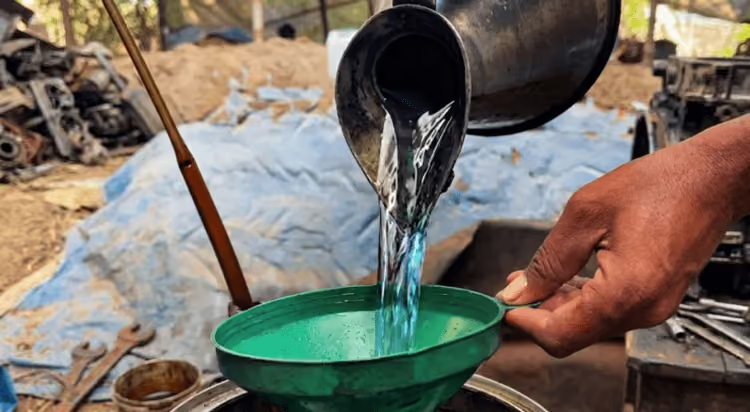
Pakistani kerosene importers face immediate margin compression as the government raised prices by Rs8.70 per litre to Rs280.70 on June 6, while simultaneously cutting petrol by Rs4 per litre. This differential pricing strategy a subsidy shift rather than genuine market pricing reflects Pakistan's selective approach to absorbing international oil volatility through fiscal transfers rather than transparent pass-through costs.
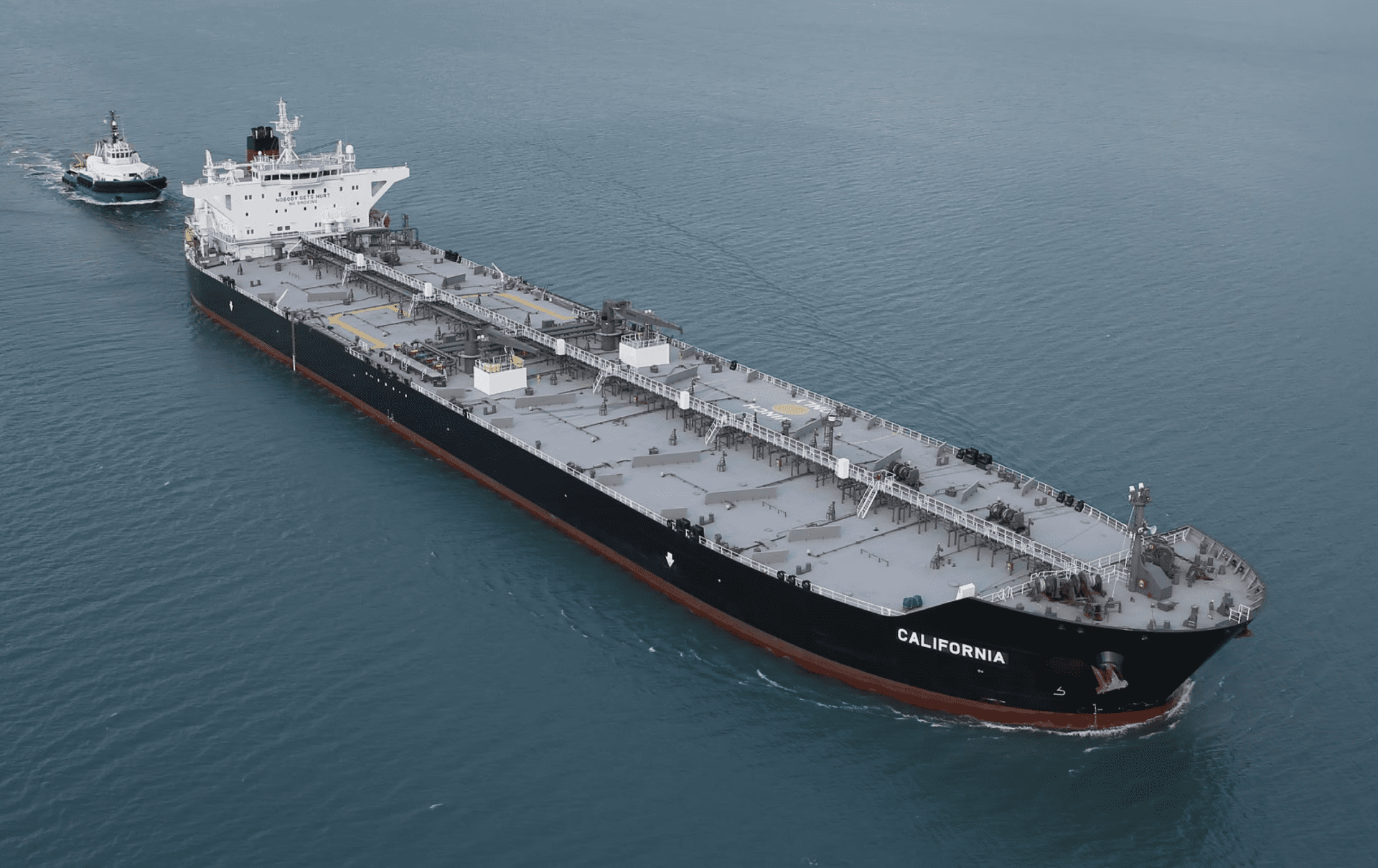
Kerosene pricing operates differently from other refined products in Pakistan's subsidy architecture. The petroleum levy remains unchanged at Rs20.36 per litre, meaning the Rs8.70 increase flows directly to importers as improved netbacks. Consider a typical Pakistani kerosene importer bringing in a 20,000 tonne cargo from Singapore: the price increase adds approximately $2 million in gross revenue per shipment but only if demand holds. For households consuming 10-20 litres monthly, this translates to Rs87-174 additional monthly costs, potentially forcing consumption cuts that reduce total import volumes. The margin improvement for importers depends entirely on demand elasticity in Pakistan's lowest-income consumer segment.
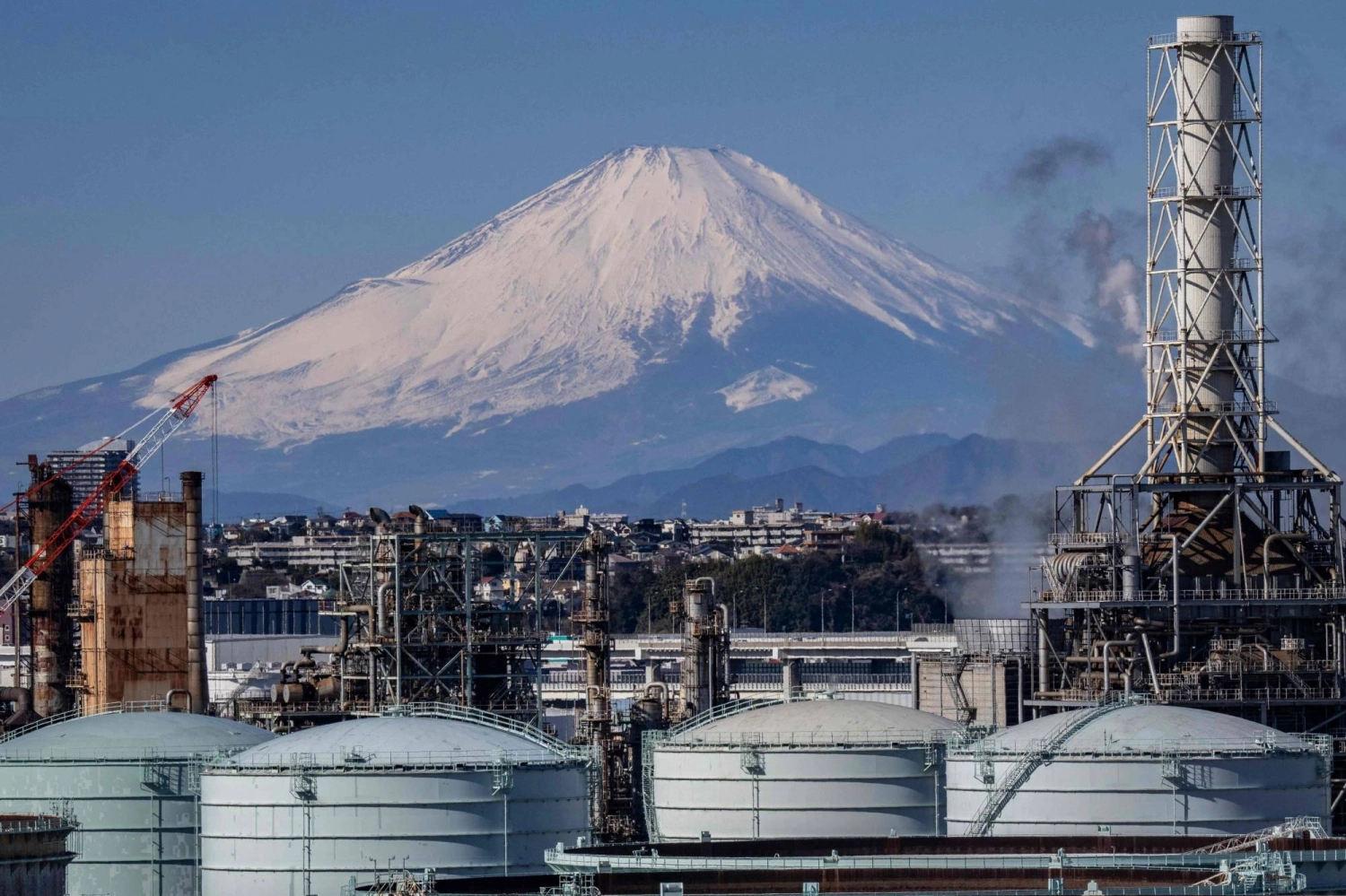
Pakistan imports 22.2% of its total import bill in petroleum products, making the economy acutely vulnerable to price volatility. With Brent crude trading around $93-97 per barrel amid Iran-Israel tensions and ongoing Strait of Hormuz disruptions, international kerosene prices remain elevated. On the buy side: Large Pakistani fuel importers like Pakistan State Oil benefit from improved kerosene netbacks of roughly $0.10 per litre, but face increased working capital requirements as subsidy timing creates cash flow gaps between import costs and government reimbursements. On the sell side: Regional kerosene exporters primarily Indian and Middle Eastern suppliers see improved economics for Pakistani sales, though total volumes may decline as price sensitivity hits lowest-income consumers hardest.
The IMF has specifically flagged Pakistan's petroleum pricing distortions, opposing across the board relief and highlighting diesel pricing imbalances where the petroleum development levy stands at zero against a budgeted Rs80 per litre target. For large integrated traders with derivatives access: The Rs129 billion subsidy cost Pakistan has absorbed since the Middle East conflict began suggests hedging instruments protecting against further policy reversals three-month Pakistani rupee forwards or kerosene crack spread options. For smaller regional importers without derivatives access: Bilateral term contracts with fixed pricing mechanisms offer protection, though limited Pakistani refining capacity means most must accept spot price volatility from Singapore or Middle East suppliers.
Pakistan's monthly kerosene demand is approximately 10,000 tonnes compared to 700,000-800,000 tonnes for petrol and diesel combined, making it a politically easier target for price increases. Officials attribute the adjustments to global oil price fluctuations and exchange rate movements, with further revisions likely depending on international market conditions. For observers: Monitor Pakistan's fortnightly fuel price announcements scheduled every two weeks the next review around June 20 will signal whether this represents a sustained policy shift toward cost reflective kerosene pricing or temporary revenue raising. The government's move toward "improved price transmission" and more targeted subsidies suggests kerosene users Pakistan's most vulnerable energy consumers will bear increasing cost burden while petrol subsidies protect middle-class vehicle owners.
.jpg)

'%3e%3cg id='Final-Copy-2_2_' transform='translate(1275.000000, 200.000000)'%3e%3cpath class='st0' d='M7.4,12.8h6.8l3.1-11.6H7.4C4.2,1.2,1.6,3.8,1.6,7S4.2,12.8,7.4,12.8z'/%3e%3c/g%3e%3c/g%3e%3c/g%3e%3cg id='final---dec.11-2020'%3e%3cg id='_x30_208-our-toggle' transform='translate(-1275.000000, -200.000000)'%3e%3cg id='Final-Copy-2' transform='translate(1275.000000, 200.000000)'%3e%3cpath class='st1' d='M22.6,0H7.4c-3.9,0-7,3.1-7,7s3.1,7,7,7h15.2c3.9,0,7-3.1,7-7S26.4,0,22.6,0z M1.6,7c0-3.2,2.6-5.8,5.8-5.8 h9.9l-3.1,11.6H7.4C4.2,12.8,1.6,10.2,1.6,7z'/%3e%3cpath id='x' class='st2' d='M24.6,4c0.2,0.2,0.2,0.6,0,0.8l0,0L22.5,7l2.2,2.2c0.2,0.2,0.2,0.6,0,0.8c-0.2,0.2-0.6,0.2-0.8,0 l0,0l-2.2-2.2L19.5,10c-0.2,0.2-0.6,0.2-0.8,0c-0.2-0.2-0.2-0.6,0-0.8l0,0L20.8,7l-2.2-2.2c-0.2-0.2-0.2-0.6,0-0.8 c0.2-0.2,0.6-0.2,0.8,0l0,0l2.2,2.2L23.8,4C24,3.8,24.4,3.8,24.6,4z'/%3e%3cpath id='y' class='st3' d='M12.7,4.1c0.2,0.2,0.3,0.6,0.1,0.8l0,0L8.6,9.8C8.5,9.9,8.4,10,8.3,10c-0.2,0.1-0.5,0.1-0.7-0.1l0,0 L5.4,7.7c-0.2-0.2-0.2-0.6,0-0.8c0.2-0.2,0.6-0.2,0.8,0l0,0L8,8.6l3.8-4.5C12,3.9,12.4,3.9,12.7,4.1z'/%3e%3c/g%3e%3c/g%3e%3c/g%3e%3c/g%3e%3c/svg%3e) Privacy Choices
Privacy Choices