.avif)
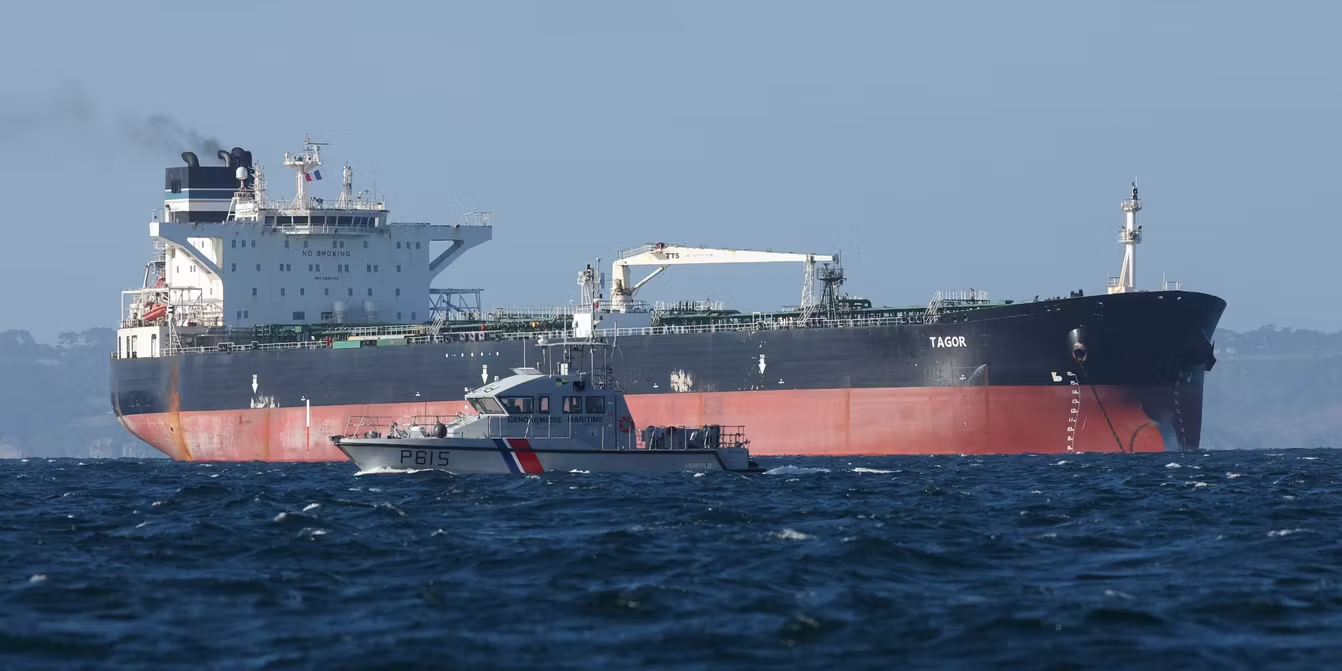
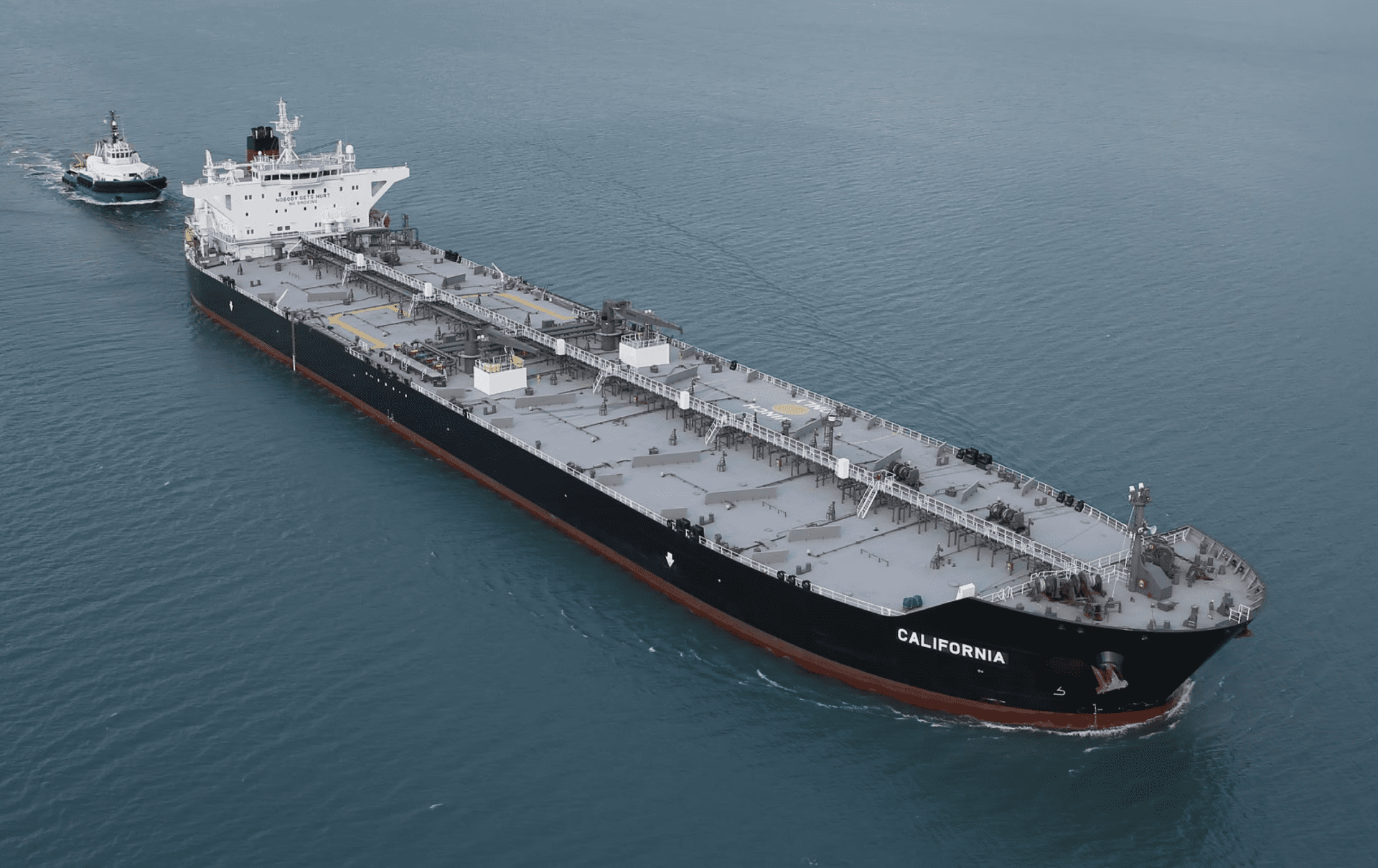
French prosecutors released the Russian captain of the tanker Tagor after approximately 24 hours in detention while the vessel remains impounded in Douarnenez Bay, creating immediate operational costs that exceed crude oil trading margins for most regional operators. This marks France's fourth shadow fleet tanker seizure since September, establishing a pattern that forces crude traders to recalculate route economics. The captain faces up to €150,000 in fines and one year imprisonment, while vessel owners face identical penalties costs that ultimately flow back to whoever chartered the crude cargo sitting in the bay.
The liability structure matters more than the legal drama. The tanker remains under detention order with exclusion zone and restricted airspace around the vessel while demurrage costs vessel hire charges that continue accumulating during detention mount daily. For a crude tanker of Tagor's size, demurrage typically runs $35,000-50,000 per day. After 10 days detained, those costs approach $500,000 enough to erase the margin on most regional crude trades. The question becomes: who contracted for the crude cargo, and did their charter party include force majeure clauses covering sanctions enforcement?
The vessel is reportedly linked to a network controlled by Mohammad Hossein Shamkhani, whom the United States sanctioned for running companies involved in Iranian oil transport. This creates compliance complexity beyond simple ownership verification. A protection and indemnity (P&I) insurance policy the maritime liability coverage that protects against cargo claims, pollution, and crew costs becomes worthless if the vessel operates under sanctions. Shadow fleet tankers often lack proper insurance and pose higher risks of spills and collisions. For a crude cargo worth $60-80 million, operating without legitimate P&I coverage means the commercial operator assumes unlimited liability for environmental damage.
On the buy side: European refiners importing Russian crude through intermediaries face immediate supply disruption when vessels like Tagor disappear from scheduled deliveries. A refinery expecting 50,000 tonnes of Urals crude for processing must source replacement barrels at spot prices typically $3-5/barrel above contract prices during tight market conditions. That $3-5 premium translates to $150,000-250,000 in additional procurement costs per cargo. Refiners are shifting toward suppliers who provide transparent vessel ownership documentation and legitimate insurance certification, even at margin cost.
On the sell side: The Tagor was traveling from Murmansk toward Cameroon when intercepted, representing a typical shadow fleet crude export route from Russian Arctic terminals to African buyers. Russian crude exporters using shadow fleet vessels face escalating detention risk an estimated 120 shadow fleet tankers are expected to reflag to Russia's registry for legal protection, but this provides limited protection in international waters. Each detention delays crude delivery by 15-30 days minimum, forcing exporters to either accept below market prices from buyers willing to wait or find alternative vessels at short notice.
For large integrated traders Trafigura, Vitol, major oil companies' trading arms the solution involves charter party amendments requiring vessel operators to provide sanctions compliance warranties and maintain legitimate insurance. These operators can also access freight derivatives to hedge detention risk, paying approximately $2-4/barrel in risk premium for sanctions compliant shipping. The additional cost is manageable within their broader portfolio margins and significantly lower than potential liability exposure.
For smaller regional operators independent fuel importers, regional trading companies, smaller national oil companies protection involves bilateral supply agreements with established crude suppliers who warrant vessel compliance. The Baltic Dirty Tanker Index (BDTI) currently sits at 1,107 points, reflecting elevated freight costs partly driven by shadow fleet enforcement reducing available tonnage. Regional operators typically pay 15-25% freight premiums for certified compliant vessels, but this cost is predictable and insurable, unlike potential detention liability.
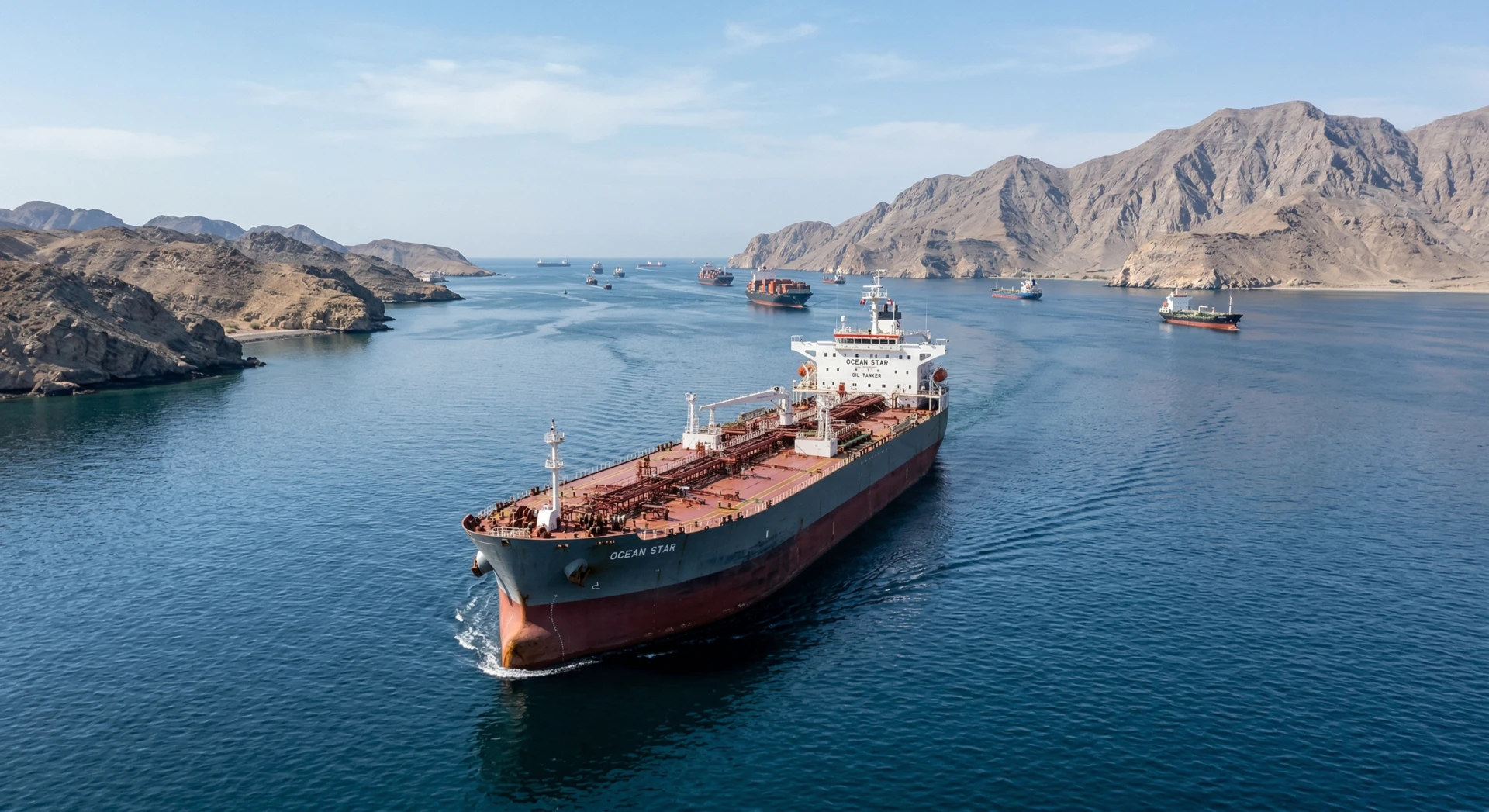
The freight dimension concentrates margin in vessel operators who maintain legitimate registry and insurance. The West imposed more than 900 shadow fleet sanctions in 2025, with EU countries and the U.S. now seizing sanctioned tankers. This enforcement escalation reduces the available vessel pool for compliant crude trade, pushing freight rates higher for legitimate operators. Ship owners operating transparent, well-documented vessels can command premium rates an additional $5-8/barrel compared to shadow fleet rates because charterers value certainty over cost savings.
For market observers: Monitor the Baltic Dirty Tanker Index for continued upward pressure reflecting shadow fleet capacity removal. The shadow fleet faces coordinated enforcement, technology-enabled detection, insurance collapse, and military targeting. If the BDTI exceeds 1,200 points within 45 days, it signals that enforcement actions are meaningfully constraining crude shipping capacity. Additionally, watch for announcements of charter party insurance clause modifications from major trading houses these typically precede broader market adoption of stricter vessel compliance requirements by 60-90 days.

.jpg)
'%3e%3cg id='Final-Copy-2_2_' transform='translate(1275.000000, 200.000000)'%3e%3cpath class='st0' d='M7.4,12.8h6.8l3.1-11.6H7.4C4.2,1.2,1.6,3.8,1.6,7S4.2,12.8,7.4,12.8z'/%3e%3c/g%3e%3c/g%3e%3c/g%3e%3cg id='final---dec.11-2020'%3e%3cg id='_x30_208-our-toggle' transform='translate(-1275.000000, -200.000000)'%3e%3cg id='Final-Copy-2' transform='translate(1275.000000, 200.000000)'%3e%3cpath class='st1' d='M22.6,0H7.4c-3.9,0-7,3.1-7,7s3.1,7,7,7h15.2c3.9,0,7-3.1,7-7S26.4,0,22.6,0z M1.6,7c0-3.2,2.6-5.8,5.8-5.8 h9.9l-3.1,11.6H7.4C4.2,12.8,1.6,10.2,1.6,7z'/%3e%3cpath id='x' class='st2' d='M24.6,4c0.2,0.2,0.2,0.6,0,0.8l0,0L22.5,7l2.2,2.2c0.2,0.2,0.2,0.6,0,0.8c-0.2,0.2-0.6,0.2-0.8,0 l0,0l-2.2-2.2L19.5,10c-0.2,0.2-0.6,0.2-0.8,0c-0.2-0.2-0.2-0.6,0-0.8l0,0L20.8,7l-2.2-2.2c-0.2-0.2-0.2-0.6,0-0.8 c0.2-0.2,0.6-0.2,0.8,0l0,0l2.2,2.2L23.8,4C24,3.8,24.4,3.8,24.6,4z'/%3e%3cpath id='y' class='st3' d='M12.7,4.1c0.2,0.2,0.3,0.6,0.1,0.8l0,0L8.6,9.8C8.5,9.9,8.4,10,8.3,10c-0.2,0.1-0.5,0.1-0.7-0.1l0,0 L5.4,7.7c-0.2-0.2-0.2-0.6,0-0.8c0.2-0.2,0.6-0.2,0.8,0l0,0L8,8.6l3.8-4.5C12,3.9,12.4,3.9,12.7,4.1z'/%3e%3c/g%3e%3c/g%3e%3c/g%3e%3c/g%3e%3c/svg%3e) Privacy Choices
Privacy Choices