.avif)
.avif)
US crude inventories are expected to decline by 3.3 million barrels for the sixth consecutive week, falling to 438.4 million barrels a streak that concentrates margin pressure on Asian refiners while creating windfall opportunities for US crude exporters. Refinery utilization reached 94.8% last week, approaching operational maximum capacity that constrains further inventory draws without demand destruction or import surges. For a mid-sized Asian refiner importing 200,000 barrels per day of US crude: six weeks ago, delivered costs to Singapore were roughly $88/barrel. Today, the same cargo costs approximately $96/barrel an $8/barrel increase that directly erodes processing margins when product prices lag crude.
The inventory drawdown mechanism reveals structural supply tightness beneath volatile headline prices. WTI crude futures trade near $96/barrel while Brent hovers around $98/barrel, but these spot prices mask deeper supply chain stress. Commercial crude stocks the buffer between production disruption and price shock have fallen from 452.9 million barrels six weeks ago to projected 438.4 million barrels today. Each million barrel draw represents roughly half a day of US refinery demand. At current utilization rates, refiners are processing crude faster than the system can replenish stocks through domestic production and imports combined.
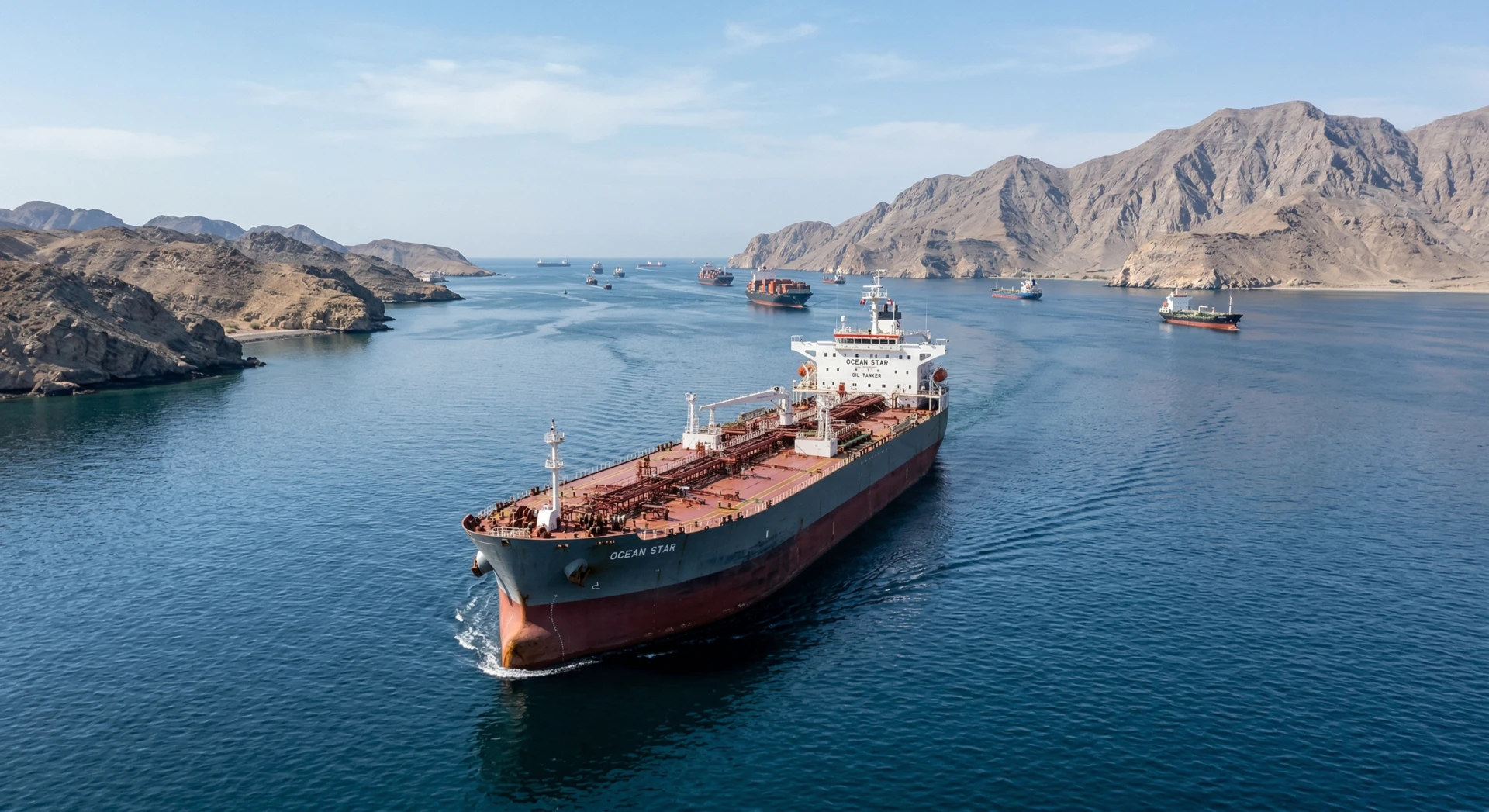
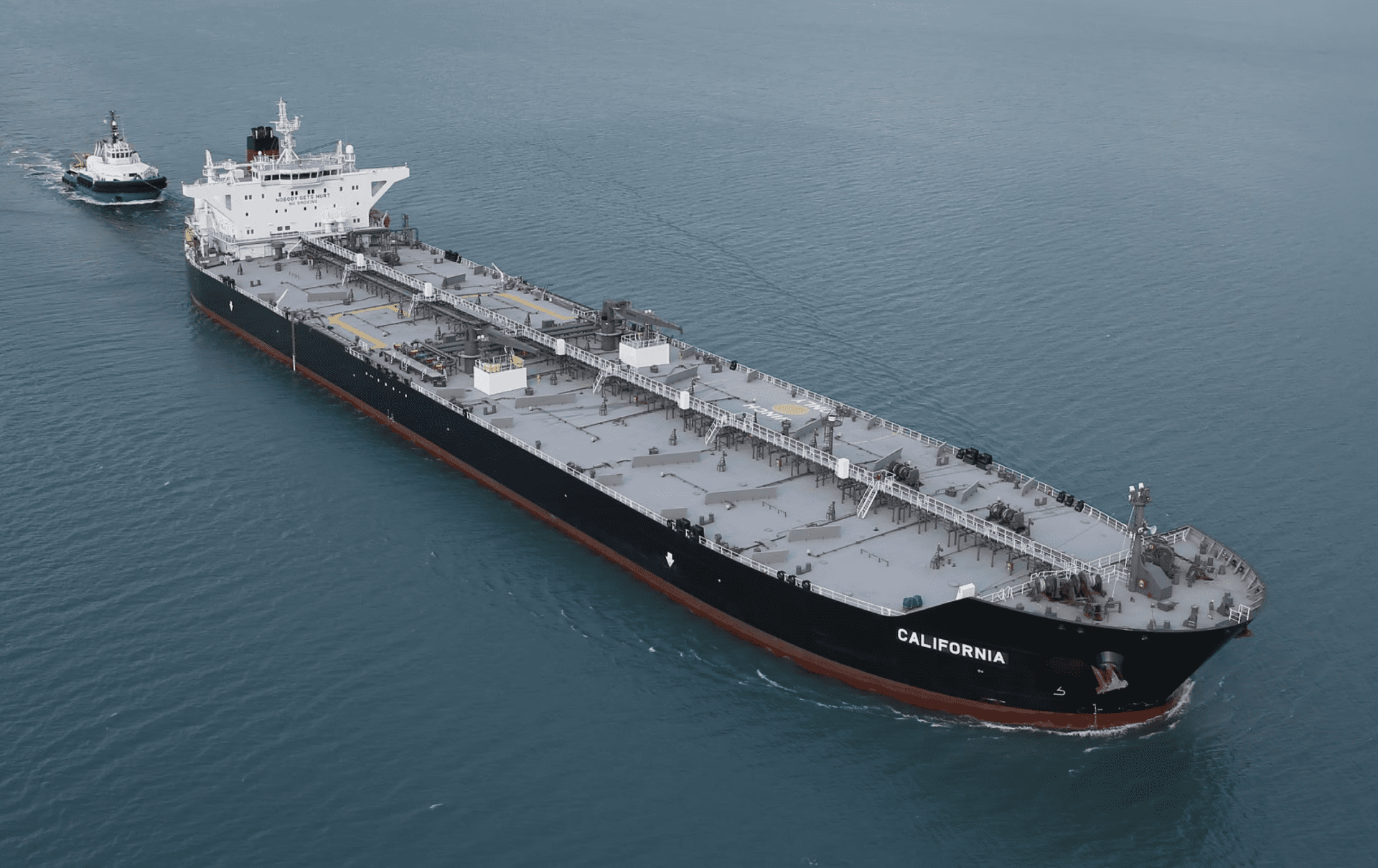
The EIA expects global oil inventories to fall by an average of 8.5 million barrels per day in the second quarter, keeping Brent prices around $106/barrel through June. This inventory arithmetic creates asymmetric risk: modest supply additions cannot quickly rebuild stocks when refineries operate at maximum throughput. Consider the freight dimension US crude exports reached nearly 12.9 million barrels per day in late April, straining available Very Large Crude Carrier (VLCC) capacity. A VLCC carrying 2 million barrels earns approximately $18–20/barrel at current rates, compared to $12–14/barrel three months ago. This $6–8/barrel freight premium accrues entirely to vessel operators, not cargo owners, but it signals tight logistical capacity.
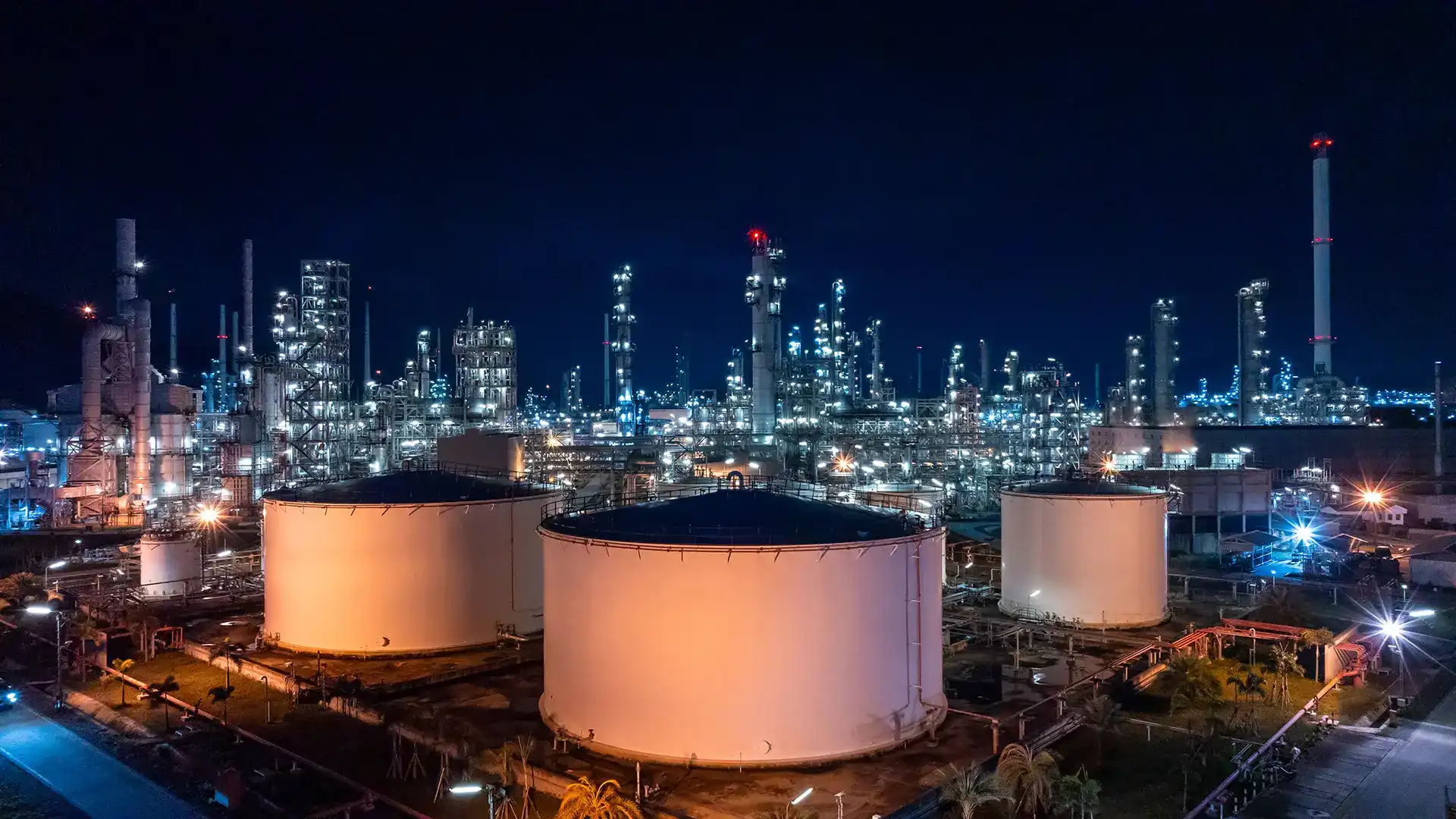
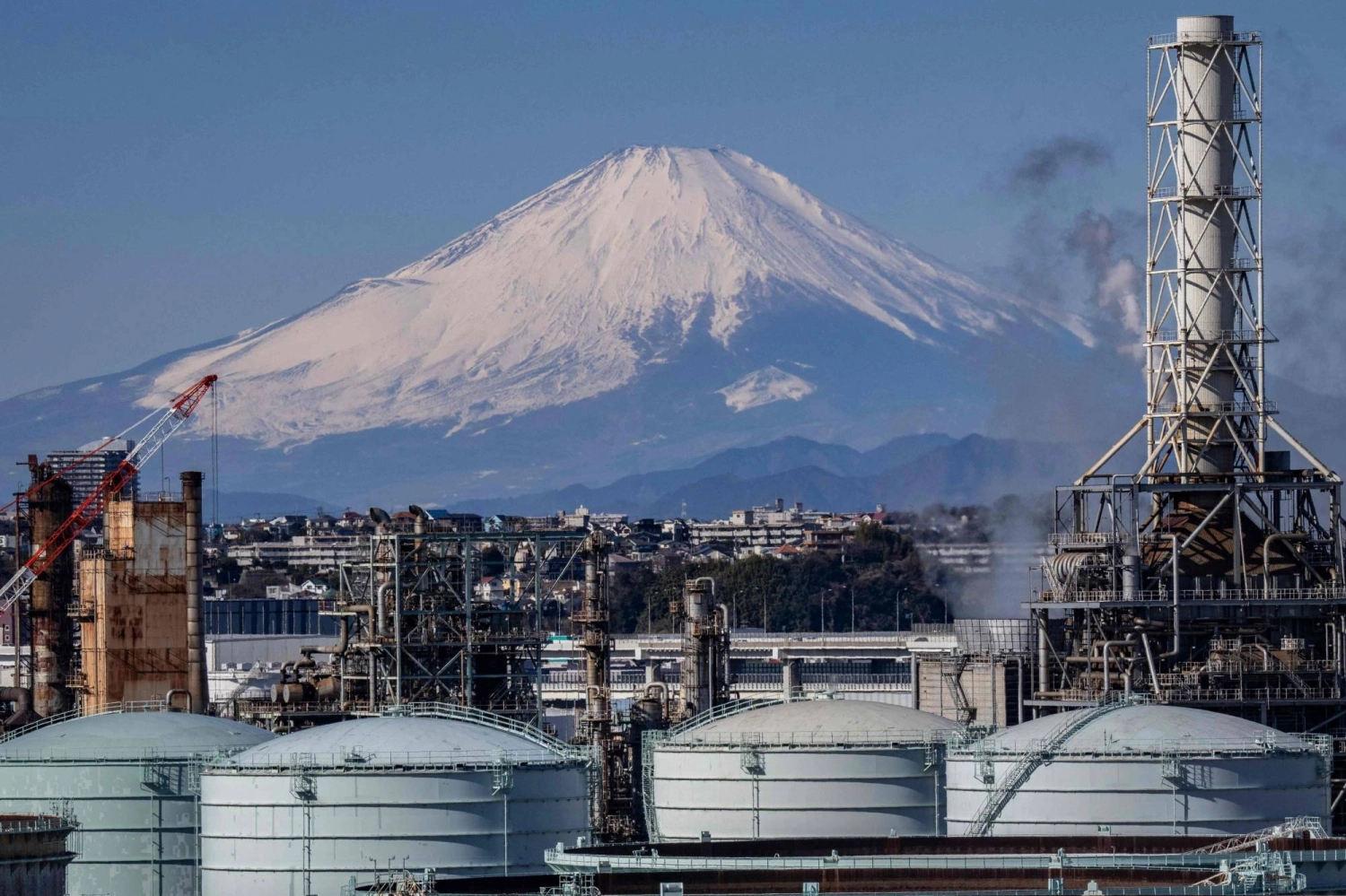
On the buy side: Asian refiners face margin compression as crude costs rise faster than refined product prices. A 300,000 barrel per day refinery in South Korea processing US crude now pays an additional $2.4 million per day compared to six weeks ago roughly $876 million annually. Product crack spreads the difference between crude costs and gasoline or diesel prices have narrowed as crude prices outpaced refined fuel pricing. This margin squeeze forces refiners to either accept lower profitability or pass costs to consumers through higher pump prices.
On the sell side: US crude producers and exporters benefit from inventory driven price floors. The US benefits from surging oil prices as an energy powerhouse, with exports reaching record levels. Independent US shale producers with hedging capacity can lock current prices through forward sales, protecting against potential price declines if Hormuz reopens. For integrated oil companies with trading arms (Exxon Mobil's trading division, ConocoPhillips' commercial organization), the arbitrage between US coastal pricing and Asian delivery creates margin opportunities of $3–5/barrel on well-timed cargoes.
For large integrated traders (Vitol, Trafigura, Glencore) with derivatives access: the inventory situation creates both hedging imperatives and positioning opportunities. A trader holding 5 million barrels of crude can hedge through WTI futures or options, locking delivery prices while inventory remains tight. The cost of this protection roughly $0.50–0.75/barrel for three month coverage provides insurance against sudden Hormuz reopening that could crash prices by $10–15/barrel within days.
For smaller regional operators mid-sized fuel distributors, independent refiners, trucking cooperatives without derivatives access: protection requires physical strategies. Smaller players can negotiate bilateral supply agreements with fixed price terms, typically 30–60 days forward. Regional distributors can increase inventory levels while storage costs remain below potential price appreciation. Independent trucking companies can implement fuel surcharges tied to weekly EIA data, transferring price risk to customers.
The Strait of Hormuz remains effectively closed since March 4, 2026, when Iranian forces declared it off-limits, but Secretary of State Marco Rubio indicates ongoing diplomatic progress in negotiations. However, President Trump maintains that talks continue despite Iranian media reports of suspended communications. DBS strategist Eugene Leow warns that "we are growing increasingly wary of the oil inventory drawdown over the past few months and the consequences if market participants suddenly decide that oil prices should be much higher." This reflects concern that inventory scarcity creates repricing vulnerability regardless of geopolitical outcomes.
The strategic petroleum reserve (SPR) adds complexity to inventory dynamics. Government SPR draws totaled 9.9 million barrels in mid-May, bringing reserves 6.6% below year ago levels. SPR releases can temporarily mask commercial inventory tightness, but they represent one time supply additions rather than sustainable production increases. When SPR releases end, commercial inventory pressure intensifies, potentially accelerating price moves.
For observers: monitor the weekly EIA Petroleum Status Report each Wednesday at 10:30 AM Eastern. Recent data shows Cushing hub stocks WTI's delivery point fell 2.794 million barrels in the week ending May 22, the largest decline since August 2023. Cushing inventory below 25 million barrels historically signals acute supply stress. Current levels near 30 million barrels provide limited buffer. Additionally, watch refinery utilization data: sustained rates above 95% indicate system stress that could force crude imports or demand rationing. Any utilization decline below 92% suggests either maintenance requirements or margin pressure affecting run rates.

.jpg)

'%3e%3cg id='Final-Copy-2_2_' transform='translate(1275.000000, 200.000000)'%3e%3cpath class='st0' d='M7.4,12.8h6.8l3.1-11.6H7.4C4.2,1.2,1.6,3.8,1.6,7S4.2,12.8,7.4,12.8z'/%3e%3c/g%3e%3c/g%3e%3c/g%3e%3cg id='final---dec.11-2020'%3e%3cg id='_x30_208-our-toggle' transform='translate(-1275.000000, -200.000000)'%3e%3cg id='Final-Copy-2' transform='translate(1275.000000, 200.000000)'%3e%3cpath class='st1' d='M22.6,0H7.4c-3.9,0-7,3.1-7,7s3.1,7,7,7h15.2c3.9,0,7-3.1,7-7S26.4,0,22.6,0z M1.6,7c0-3.2,2.6-5.8,5.8-5.8 h9.9l-3.1,11.6H7.4C4.2,12.8,1.6,10.2,1.6,7z'/%3e%3cpath id='x' class='st2' d='M24.6,4c0.2,0.2,0.2,0.6,0,0.8l0,0L22.5,7l2.2,2.2c0.2,0.2,0.2,0.6,0,0.8c-0.2,0.2-0.6,0.2-0.8,0 l0,0l-2.2-2.2L19.5,10c-0.2,0.2-0.6,0.2-0.8,0c-0.2-0.2-0.2-0.6,0-0.8l0,0L20.8,7l-2.2-2.2c-0.2-0.2-0.2-0.6,0-0.8 c0.2-0.2,0.6-0.2,0.8,0l0,0l2.2,2.2L23.8,4C24,3.8,24.4,3.8,24.6,4z'/%3e%3cpath id='y' class='st3' d='M12.7,4.1c0.2,0.2,0.3,0.6,0.1,0.8l0,0L8.6,9.8C8.5,9.9,8.4,10,8.3,10c-0.2,0.1-0.5,0.1-0.7-0.1l0,0 L5.4,7.7c-0.2-0.2-0.2-0.6,0-0.8c0.2-0.2,0.6-0.2,0.8,0l0,0L8,8.6l3.8-4.5C12,3.9,12.4,3.9,12.7,4.1z'/%3e%3c/g%3e%3c/g%3e%3c/g%3e%3c/g%3e%3c/svg%3e) Privacy Choices
Privacy Choices