.avif)
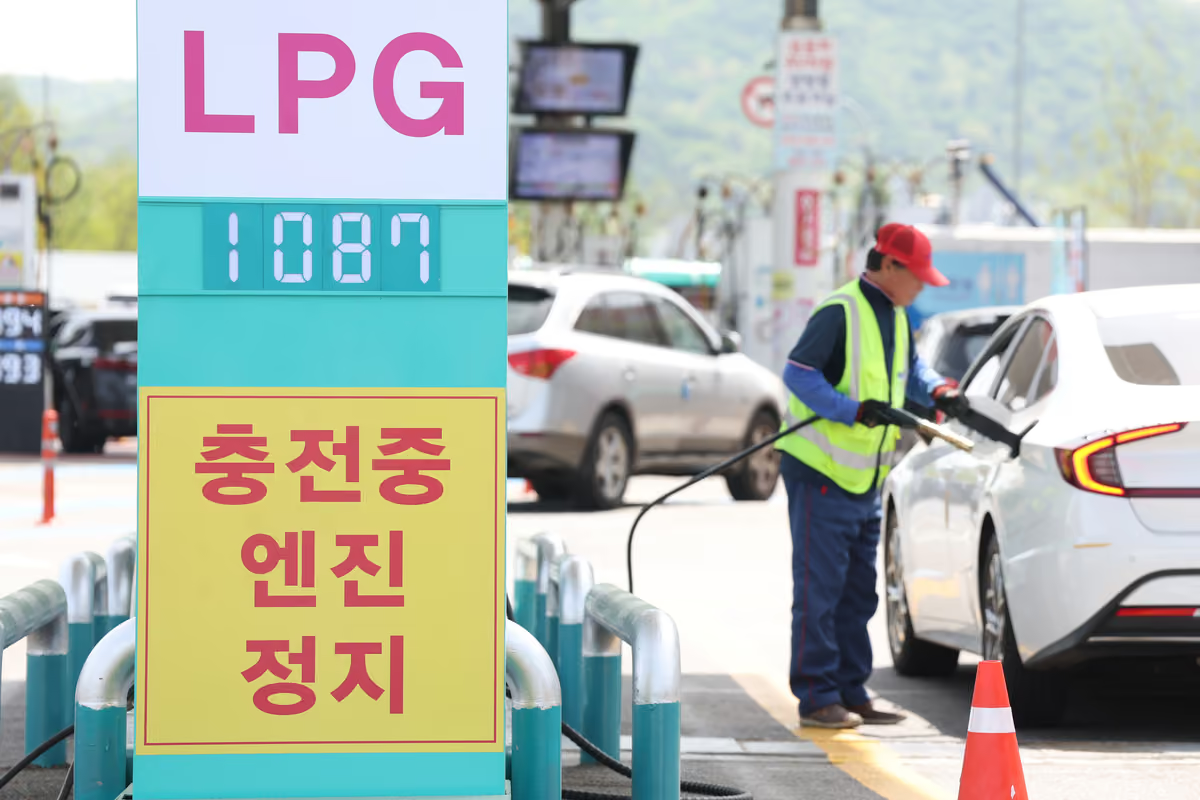
South Korea's LNG and LPG importers principally KOGAS, SK Gas, and E1 will see their landed cargo costs fall by an estimated $0.24 to $0.42 per MMBtu on dutiable volumes from July 1, 2026, as the government zeros out quota tariffs on LNG, LPG, and crude oil used for LPG production for the second half of the year. The trigger is a 26 month inflation high: South Korean consumer prices rose 3.1% year on year in May 2026, and the finance ministry has responded with a broad cost of living package that uses the tariff mechanism as its primary energy lever. The savings are real. Whether they reach households is a separate and more contested question.
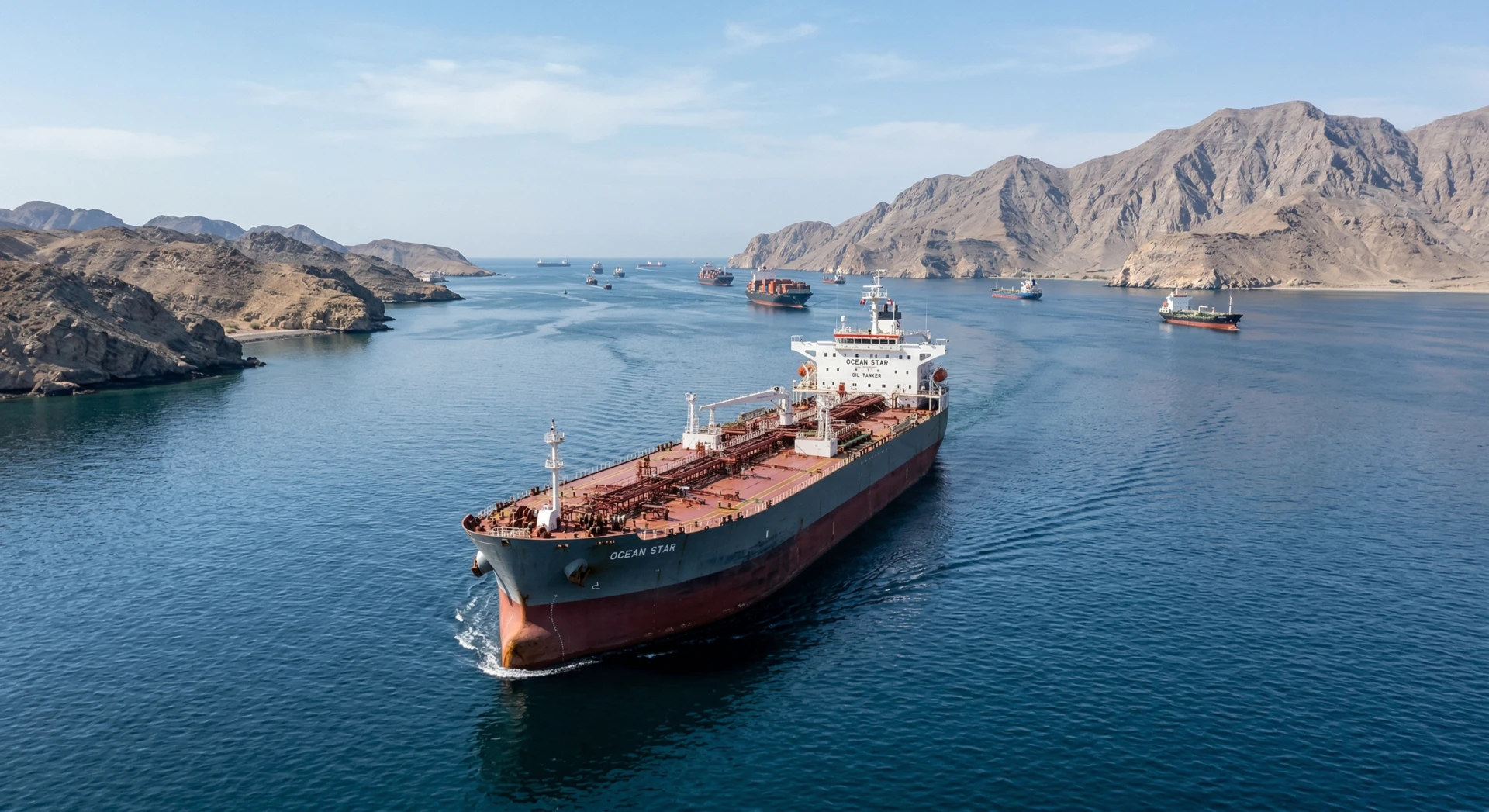
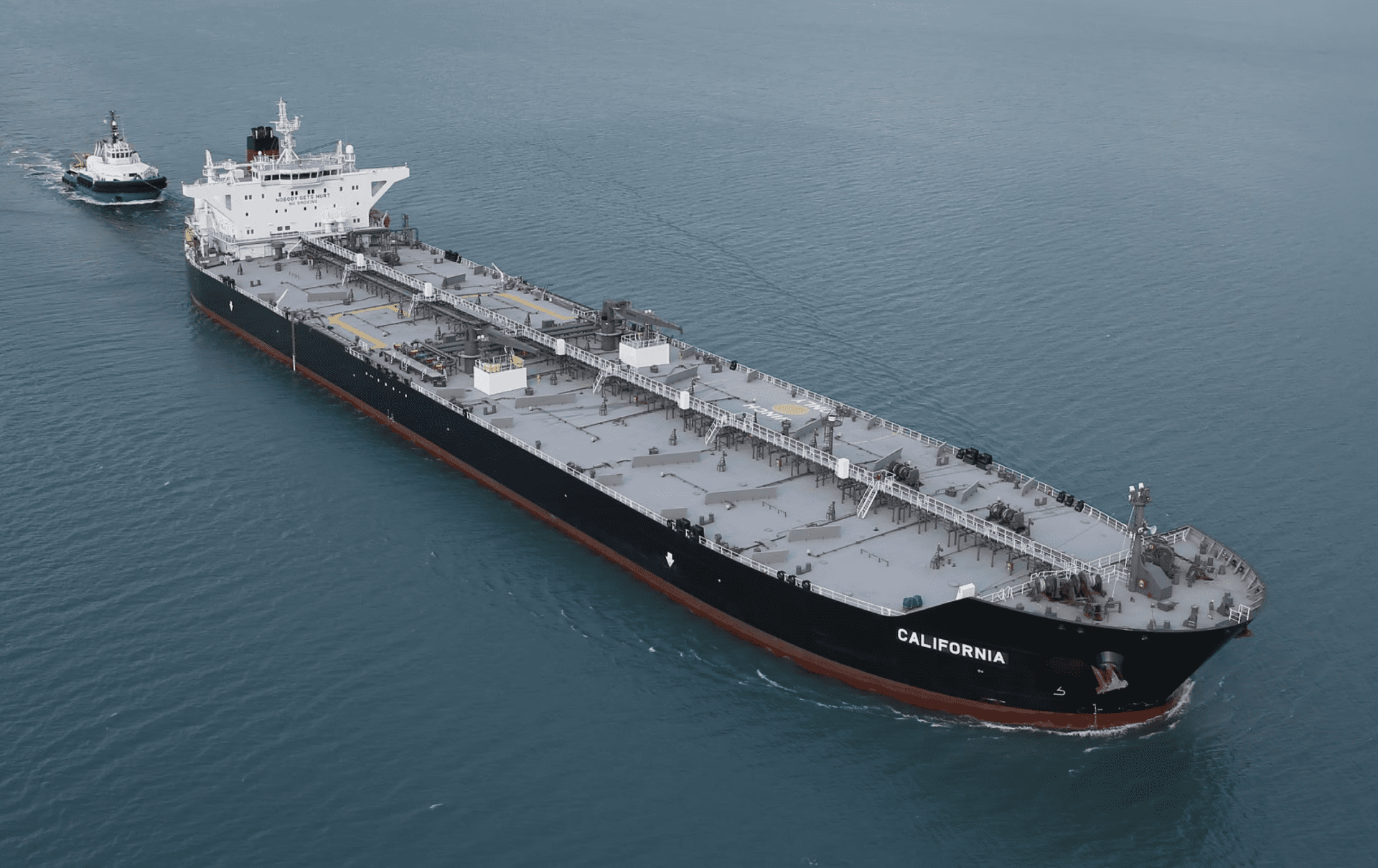
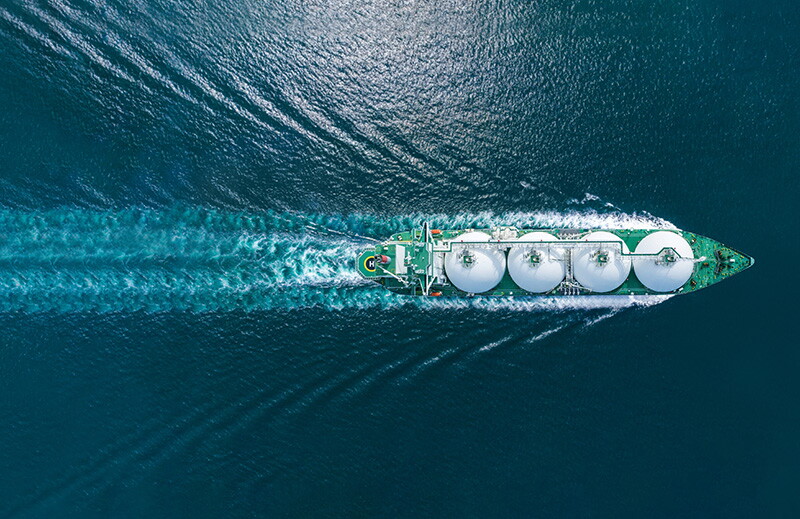
To understand why the transmission gap matters, it helps to trace how LNG physically reaches a Korean consumer. A cargo typically loaded from Qatar's Ras Laffan terminal or Australia's Gorgon facility onto an LNG carrier, a cryogenic tanker capable of carrying 138,000 to 174,000 cubic metres of gas cooled to minus 162 degrees Celsius arrives at one of Korea's regasification terminals, most prominently KOGAS's Incheon and Pyeongtaek facilities. There, it is converted back to gas and injected into the pipeline network that eventually reaches power plants and household meters. Between the ship's manifest and the utility bill sit multiple contractual layers: long-term take or pay agreements (contracts under which the buyer must pay for a minimum volume whether or not they lift it), regulated tariff schedules, and government price monitoring. The tariff saving enters the system at the first layer the importer's landed cost and does not automatically cascade downstream.
The margin anatomy here is critical. Under the Korea-US Free Trade Agreement (KORUS FTA a bilateral trade deal that eliminated most tariffs between the two countries), US LNG already enters Korea duty-free for nine months of the year. Between October and March, however, a 2% customs tax applies. For non-KORUS origins Australian, Qatari, Malaysian LNG a positive tariff rate has applied year round until now. At a JKM price (the Japan-Korea Marker the benchmark spot price for LNG delivered into Northeast Asia) of approximately $13/MMBtu, a 2–3% effective tariff represents roughly $0.26 to $0.39 per MMBtu. On a standard 65,000-tonne LNG cargo approximately 3.4 million MMBtu in energy equivalent that is between $880,000 and $1.3 million per shipment that previously went to the Korean government and now stays with the importer. That is not a rounding error.
The buy-side picture depends entirely on contract structure. For KOGAS, Korea's dominant state-owned gas buyer, the bulk of its import portfolio is locked into long-term oil indexed contracts formulas where the LNG price is calculated as a percentage of the Japan Crude Cocktail (JCC the average price of crude oils imported into Japan). For these cargoes, the tariff reduction improves KOGAS's net landed cost regardless of the underlying commodity price. KOGAS has a degree of obligation to reflect cost improvements in regulated downstream tariffs, but the timing and magnitude of any pass-through is subject to government approval and utility pricing reviews processes that run on their own administrative calendar, not the cargo's arrival date. The finance ministry's own candid admission that the effect "may not be immediately noticeable to households" is not a caveat. It is an accurate description of how the mechanism works.
On the sell side, the zero-tariff regime marginally improves the competitive position of Middle Eastern and Australian LNG exporters relative to their US counterparts for Korean delivery in H2 2026. US LNG retained its KORUS advantage for most of the year but faced the 2% October-March levy that other suppliers did not face asymmetrically now that differential effectively disappears for dutiable origins in July through September. For a Qatari or Australian cargo owner evaluating competing destinations Korea versus Japan versus Taiwan the net-back calculation (the price received at the loading terminal after subtracting freight and all destination costs) improves by those same $0.24 to $0.42 per MMBtu. Freight from Ras Laffan to Pyeongtaek runs approximately 18–20 days; at current LNG tanker rates of roughly $40,000–$55,000 per day for a standard vessel, freight adds around $1.00–$1.30 per MMBtu. The tariff saving is meaningful but does not transform the freight economics it simply makes Korea marginally more attractive when competing destinations offer equivalent net backs.
The LPG dimension deserves separate attention. LPG liquefied petroleum gas, primarily propane and butane reaches Korean households and the taxi fleet directly, making its pricing more politically visible than power generation LNG. SK Gas and E1, the two dominant private LPG importers, source primarily from Middle Eastern producers under contract and purchase spot volumes through the Saudi Aramco Contract Price (CP the monthly official price set by Saudi Aramco and used as the benchmark for most Middle Eastern LPG trade globally). The zero tariff on LPG and on crude oil used for LPG production, combined with the extended fuel-tax cut on LPG butane, removes a layer of cost that both companies had previously embedded in their distribution pricing. Unlike KOGAS, SK Gas and E1 operate in a partially liberalised market but one now subject to intensified monitoring under the government's "petroleum ceiling price system," a framework that sets reference prices above which retail margins attract regulatory scrutiny.
For large integrated LNG traders Vitol, TotalEnergies' trading arm, Shell's LNG portfolio with flexible spot cargoes available for Northeast Asian delivery, the practical consequence is a modestly improved Korean net-back that should be re-evaluated against competing buyers in Japan and Taiwan on a cargo by cargo basis during H2 2026. The instrument is straightforward: a delivered ex-ship (DES where the seller delivers the cargo to the destination port and bears freight risk) offer to a Korean terminal at a price that incorporates the now absent tariff, making the all in cost competitive with JKM alternatives. For smaller regional LNG operators a second tier Southeast Asian buyer, a mid-sized trading house without a diverse Northeast Asian book the actionable step is more limited: monitor the JKM-TTF spread (the differential between the Asian benchmark and the Dutch Title Transfer Facility, Europe's primary gas hub) as a signal of whether spot cargoes are being redirected toward Korea or away from it, and adjust bilateral supply terms accordingly before the October shoulder season tightens availability.
The historical parallel worth noting is Korea's response to the 2022 energy price shock, when the government extended import duty suspensions on LNG indefinitely a measure that remained in force through 2025 and is now being deepened rather than reversed. That decision also produced a transmission lag: industrial gas prices responded within one to two quarters, household utility rates within two to three, and the full benefit was partially absorbed by distribution margin compression along the way. The current package is structurally similar. Investors and buyers watching for evidence of actual consumer price relief should track Korea's monthly CPI energy sub-index and the Ministry of Trade, Industry and Energy's quarterly gas tariff review the latter is the administrative gateway through which KOGAS's landed cost improvements become utility bill reductions.
The watch signal for observers is specific and time-bound. Korea's next official gas tariff review is expected in Q3 2026, typically announced in August or September for a subsequent quarter implementation. If KOGAS files for a tariff reduction citing improved landed costs incorporating the zero tariff benefit on H2 cargoes that is the confirmation that the transmission mechanism is functioning. If no filing emerges before end September, the savings have been absorbed into the importer's margin rather than passed downstream. Track the Ministry of Trade, Industry and Energy's tariff review announcements alongside the Korea Gas Corporation's quarterly earnings disclosures for the clearest read on where the money actually went. The policy is real. The beneficiary is, for now, the importer.


'%3e%3cg id='Final-Copy-2_2_' transform='translate(1275.000000, 200.000000)'%3e%3cpath class='st0' d='M7.4,12.8h6.8l3.1-11.6H7.4C4.2,1.2,1.6,3.8,1.6,7S4.2,12.8,7.4,12.8z'/%3e%3c/g%3e%3c/g%3e%3c/g%3e%3cg id='final---dec.11-2020'%3e%3cg id='_x30_208-our-toggle' transform='translate(-1275.000000, -200.000000)'%3e%3cg id='Final-Copy-2' transform='translate(1275.000000, 200.000000)'%3e%3cpath class='st1' d='M22.6,0H7.4c-3.9,0-7,3.1-7,7s3.1,7,7,7h15.2c3.9,0,7-3.1,7-7S26.4,0,22.6,0z M1.6,7c0-3.2,2.6-5.8,5.8-5.8 h9.9l-3.1,11.6H7.4C4.2,12.8,1.6,10.2,1.6,7z'/%3e%3cpath id='x' class='st2' d='M24.6,4c0.2,0.2,0.2,0.6,0,0.8l0,0L22.5,7l2.2,2.2c0.2,0.2,0.2,0.6,0,0.8c-0.2,0.2-0.6,0.2-0.8,0 l0,0l-2.2-2.2L19.5,10c-0.2,0.2-0.6,0.2-0.8,0c-0.2-0.2-0.2-0.6,0-0.8l0,0L20.8,7l-2.2-2.2c-0.2-0.2-0.2-0.6,0-0.8 c0.2-0.2,0.6-0.2,0.8,0l0,0l2.2,2.2L23.8,4C24,3.8,24.4,3.8,24.6,4z'/%3e%3cpath id='y' class='st3' d='M12.7,4.1c0.2,0.2,0.3,0.6,0.1,0.8l0,0L8.6,9.8C8.5,9.9,8.4,10,8.3,10c-0.2,0.1-0.5,0.1-0.7-0.1l0,0 L5.4,7.7c-0.2-0.2-0.2-0.6,0-0.8c0.2-0.2,0.6-0.2,0.8,0l0,0L8,8.6l3.8-4.5C12,3.9,12.4,3.9,12.7,4.1z'/%3e%3c/g%3e%3c/g%3e%3c/g%3e%3c/g%3e%3c/svg%3e) Privacy Choices
Privacy Choices