.avif)
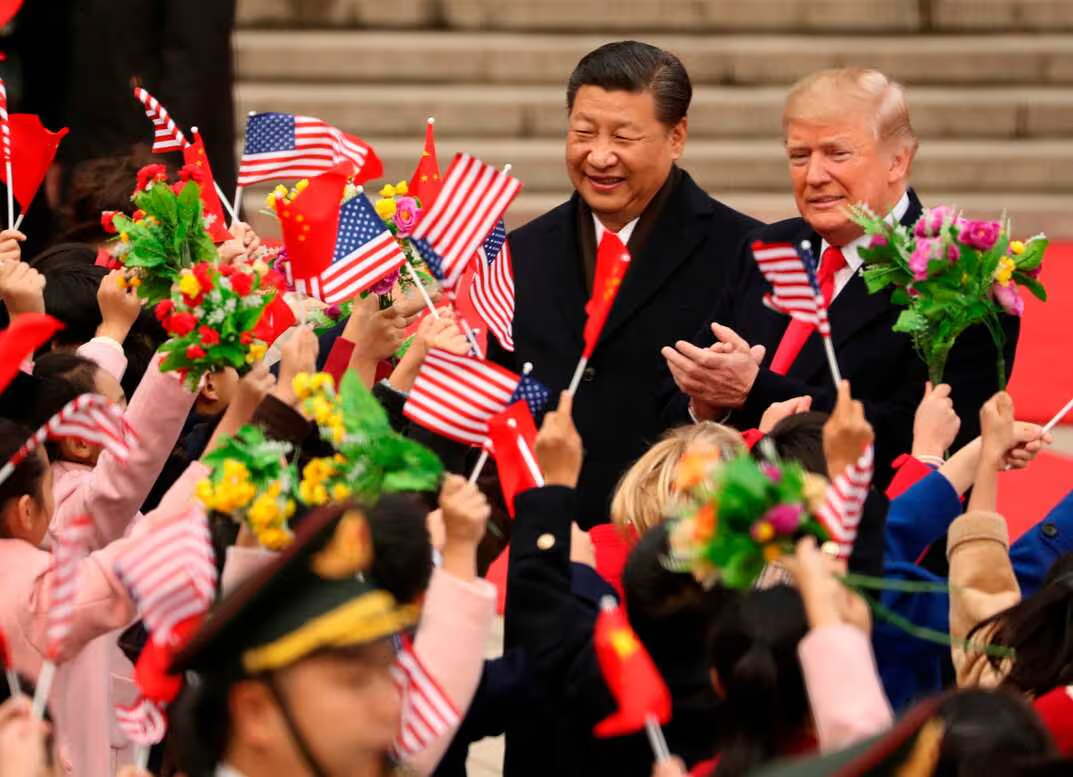
Trump announced Friday he will decide within days whether to lift sanctions on Chinese companies buying Iranian oil, a decision that directly affects margins across a quarter of China's refining capacity. Teapot refineries account for 25% of Chinese refinery capacity and operate with narrow, sometimes negative margins. The sanctions have created an unprecedented inversion in Iranian crude pricing: these independent refiners now pay premiums above international Brent prices instead of the traditional sanctioned crude discount. This pricing flip from discount to premium represents the difference between profitability and severe financial stress for China's smallest, most marginal refiners.
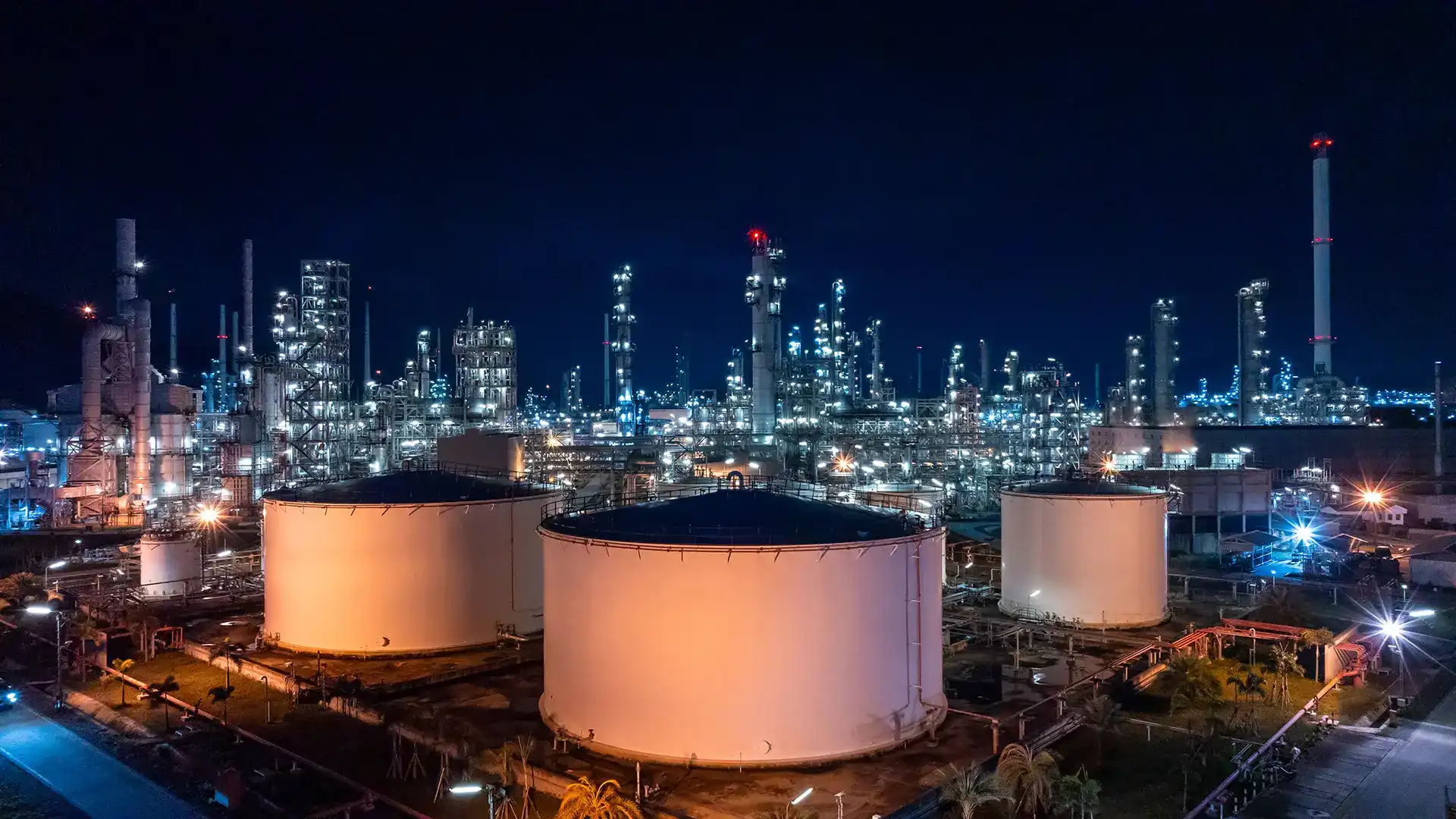
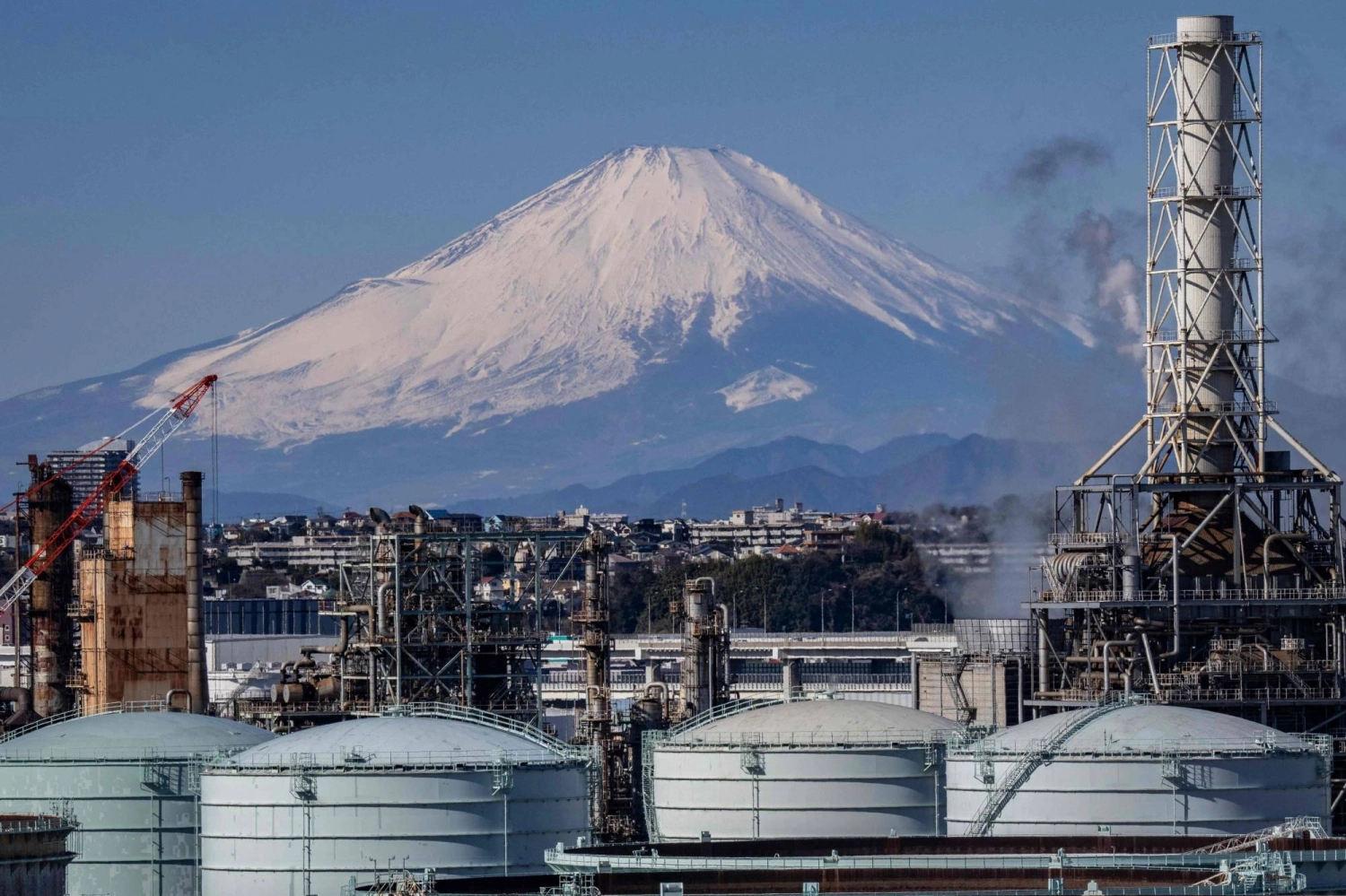
A teapot refinery the colloquial term for China's independent, privately owned refineries, so named for their compact, teapot-like processing units typically processes 50,000–200,000 barrels per day. These facilities are small, privately owned refineries, mostly based in Shandong province and nicknamed for their teapot like shape. They play a key role in beefing up China's oil supplies by importing and stockpiling discounted Iranian and Russian oil while allowing state-owned enterprises to remain more insulated from politically risky oil trading. Before sanctions tightening, Iranian crude typically traded at $3–8 per barrel below Brent, providing these refiners their essential margin cushion. Now, shadow fleet transportation costs, insurance premiums, and sanctions compliance expenses have pushed Iranian crude to trade above Brent a complete reversal that eliminates profitability.
Consider Hengli Petrochemical (Dalian), sanctioned in April as one of China's largest teapot refineries importing Iranian oil. The facility processes 400,000 barrels per day, making it unusually large for the teapot sector. At current above Brent pricing for Iranian crude, a facility this size faces additional costs of roughly $1.2–2.4 million per day compared to pre-sanctions Iranian crude discounts. For smaller teapots processing 50,000 barrels daily, the impact is proportionally devastating: an extra $150,000–300,000 daily in crude costs with no ability to fully pass through the premium to refined product prices in China's partially regulated domestic market.
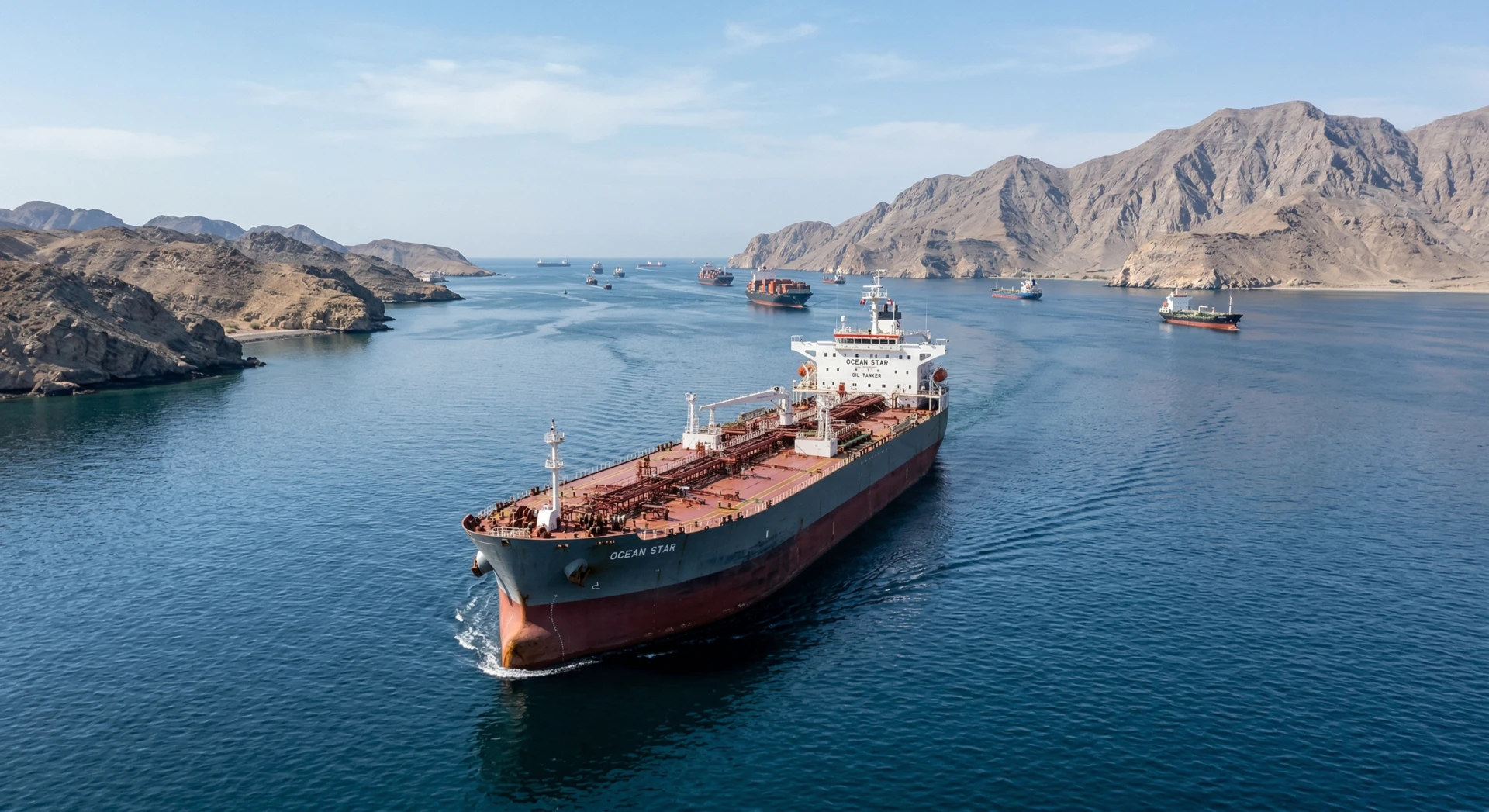
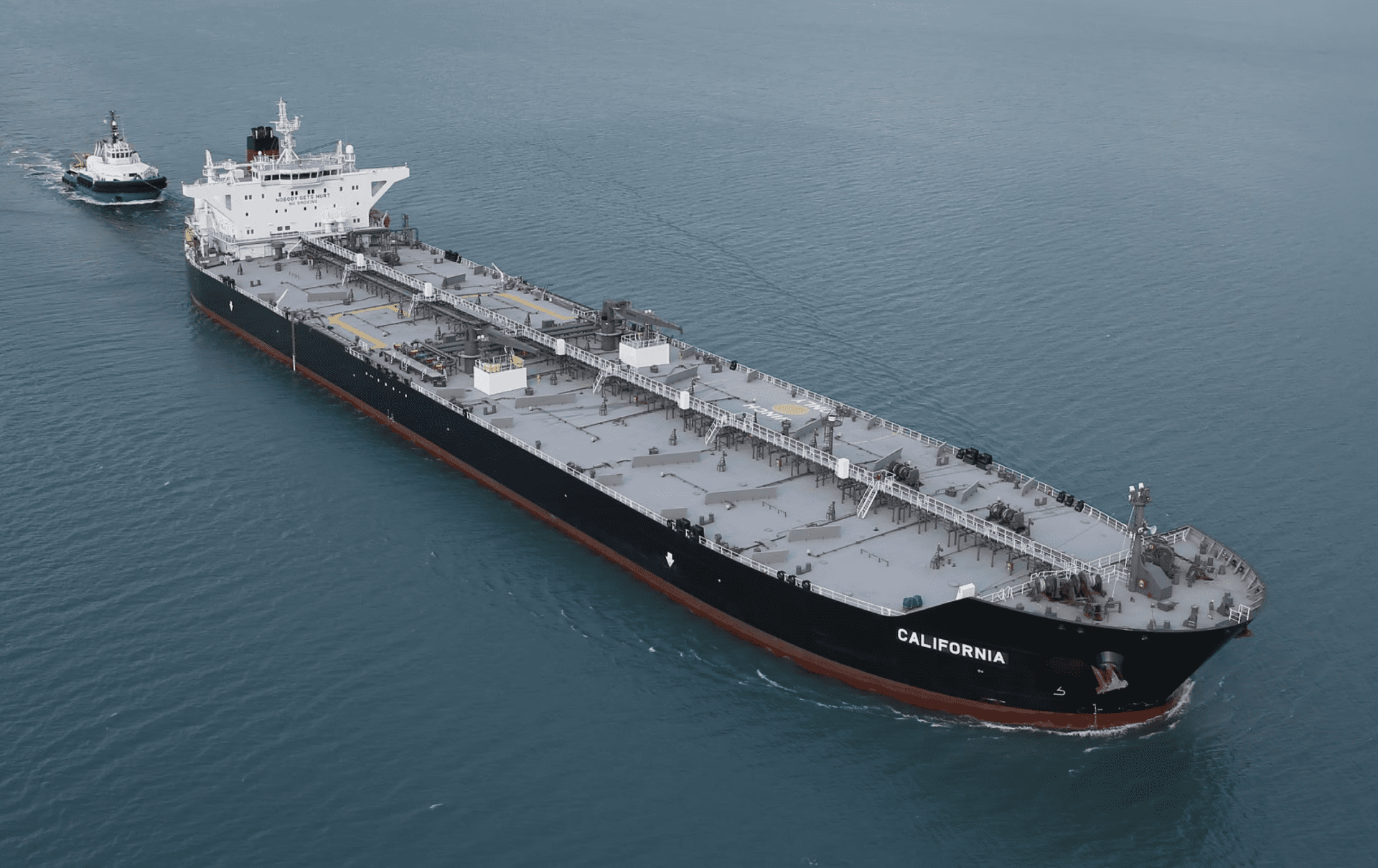
The shadow fleet tankers that transport sanctioned Iranian crude through deceptive practices has become the critical link determining teapot profitability. Iranian crude is transported to Chinese teapot refineries using a "shadow fleet" of tankers which use deceptive tactics such as disabling tracking systems and forging registration to avoid detection. These vessels manipulate their location data, conduct multiple ship to ship transfers using scrapped vessels, and often relabel Iranian oil as "Malaysian blend" with forged documents. Each deceptive layer adds cost: vessel charter rates for shadow fleet tankers run 30–50% above conventional rates, insurance premiums are 2–3 times higher, and the complex logistics of ship to ship transfers can add $2–4 per barrel in handling costs.
Treasury sanctioned approximately 40 shipping companies and vessels operating as part of Iran's shadow fleet, directly reducing available tonnage and driving up freight costs. A standard Suezmax tanker (1 million barrel capacity) moving Iranian crude to China now earns $18,000–25,000 per day versus $12,000–16,000 for conventional crude routes. The vessel operator captures this premium; the refinery pays it. For a teapot importing 10 cargoes annually, shadow fleet premiums alone add $15–25 million in annual costs.
On the buy side, Chinese teapot refiners face an impossible squeeze. China buys more than 80% of Iran's shipped oil, with teapots handling the majority of these imports because state-owned refiners avoid sanctions exposure. These facilities cannot easily substitute alternative crude supplies: their configurations are optimized for heavy, high-sulfur Iranian crude, and switching to lighter, sweeter alternatives requires significant operational adjustments and typically yields lower-value product slates. The refiners also lack financial resources for extensive crude oil hedging, leaving them exposed to both price volatility and sanctions related supply disruptions.
On the sell side, Iranian crude producers have few alternatives to Chinese teapot customers. China is the largest buyer of Iranian oil in the world, importing 80-90% of Iran's exported crude before the conflict began. This dependence gives Chinese buyers theoretical leverage to demand discounts, but sanctions enforcement has paradoxically reduced that leverage by constraining available transportation and financing options. Iranian sellers must now price in shadow fleet costs, sanctions risk premiums, and the reduced pool of willing buyers.
For large integrated traders (Vitol, Trafigura, Sinopec), this market dislocation creates arbitrage opportunities and operational complexity. Integrated players with derivatives access can hedge sanctions risk through options strategies, but physical exposure remains high. A major trader financing a Iranian crude cargo to a Chinese teapot faces 60–90 day payment terms, sanctions exposure throughout the transaction lifecycle, and potential asset freezes if compliance violations occur. The working capital requirements are substantial: a single 1 million barrel Iranian crude cargo represents $100+ million in exposure, with limited recourse if sanctions enforcement escalates.
For smaller regional operators independent fuel importers, regional cooperatives, smaller Chinese trading houses the Iranian crude trade has become practically impossible. These entities lack the compliance infrastructure, legal resources, and financial buffers to manage sanctions risk. They cannot afford specialized sanctions lawyers charging $1,000+ per hour, cannot obtain sanctions compliant insurance, and cannot access shadow fleet vessels. The Iranian crude trade has effectively consolidated among the largest, most sophisticated players, reducing competition and increasing margins for those remaining.
The financing dimension reveals how sanctions have restructured trade economics beyond simple price impacts. Treasury warned financial institutions they could face sanctions for facilitating transactions with Chinese refineries processing Iranian oil. Letter of credit (LC) financing the standard trade finance instrument where banks guarantee payment upon document presentation has become unavailable for Iranian crude transactions. Teapots must now rely on cash prepayment, supplier financing, or complex barter arrangements. Cash prepayment ties up working capital for 30–60 days per cargo, representing tens of millions in additional financing costs annually for active importers.
Secondary sanctions risk has extended beyond direct crude purchasers to encompass the broader Chinese banking system. Treasury disclosed warning two Chinese banks about secondary sanctions if Iranian money flows through their accounts. This threat forces Chinese banks to implement enhanced due diligence on all energy sector transactions, slowing trade financing and increasing compliance costs. Banks now require additional documentation, longer approval processes, and higher fees for any transaction potentially involving Middle Eastern counterparties.
If Trump lifts sanctions, the above Brent Iranian crude premium should collapse within days as shadow fleet vessels normalize operations and conventional financing resumes. Treasury issued a one month General License allowing firms to conclude dealings with Hengli Petrochemical, with action against continued dealings occurring after the Trump-Xi summit. This suggests formal relief could eliminate the current $5–12 per barrel sanctions premium, directly improving teapot margins by $250,000–2.4 million daily depending on facility size.
However, Trump expects Xi to push Iran to reopen the Strait of Hormuz and agree to a peace deal in exchange for sanctions relief. US officials suggest China should play a greater role in pushing Iran to reopen the strait, but analysts say Beijing will require concessions from the US, likely over Taiwan. The sanctions decision thus depends on broader geopolitical negotiations extending far beyond oil market fundamentals.
The commercial signal for practitioners is clear: Iranian crude pricing normalization requires formal OFAC guidance, not presidential statements. Trump said he would make a decision over the next few days about lifting sanctions on Chinese oil companies purchasing Iranian oil, but until Treasury publishes specific delisting notices or general licenses, teapots face unchanged compliance exposure. The above Brent premium reflects sanctions risk, not crude quality and that risk persists until legal frameworks change.
For observers, monitor OFAC's sanctions list updates and Treasury's General License announcements within 72 hours of any Trump decision announcement. Iranian crude pricing relative to Brent provides real-time indication of sanctions effectiveness: continued premiums signal ongoing enforcement, while rapid discount restoration indicates effective relief. The Shandong teapot refinery utilization rates, published monthly by Chinese authorities, offer the clearest measure of policy impact on physical crude flows.

.jpg)

'%3e%3cg id='Final-Copy-2_2_' transform='translate(1275.000000, 200.000000)'%3e%3cpath class='st0' d='M7.4,12.8h6.8l3.1-11.6H7.4C4.2,1.2,1.6,3.8,1.6,7S4.2,12.8,7.4,12.8z'/%3e%3c/g%3e%3c/g%3e%3c/g%3e%3cg id='final---dec.11-2020'%3e%3cg id='_x30_208-our-toggle' transform='translate(-1275.000000, -200.000000)'%3e%3cg id='Final-Copy-2' transform='translate(1275.000000, 200.000000)'%3e%3cpath class='st1' d='M22.6,0H7.4c-3.9,0-7,3.1-7,7s3.1,7,7,7h15.2c3.9,0,7-3.1,7-7S26.4,0,22.6,0z M1.6,7c0-3.2,2.6-5.8,5.8-5.8 h9.9l-3.1,11.6H7.4C4.2,12.8,1.6,10.2,1.6,7z'/%3e%3cpath id='x' class='st2' d='M24.6,4c0.2,0.2,0.2,0.6,0,0.8l0,0L22.5,7l2.2,2.2c0.2,0.2,0.2,0.6,0,0.8c-0.2,0.2-0.6,0.2-0.8,0 l0,0l-2.2-2.2L19.5,10c-0.2,0.2-0.6,0.2-0.8,0c-0.2-0.2-0.2-0.6,0-0.8l0,0L20.8,7l-2.2-2.2c-0.2-0.2-0.2-0.6,0-0.8 c0.2-0.2,0.6-0.2,0.8,0l0,0l2.2,2.2L23.8,4C24,3.8,24.4,3.8,24.6,4z'/%3e%3cpath id='y' class='st3' d='M12.7,4.1c0.2,0.2,0.3,0.6,0.1,0.8l0,0L8.6,9.8C8.5,9.9,8.4,10,8.3,10c-0.2,0.1-0.5,0.1-0.7-0.1l0,0 L5.4,7.7c-0.2-0.2-0.2-0.6,0-0.8c0.2-0.2,0.6-0.2,0.8,0l0,0L8,8.6l3.8-4.5C12,3.9,12.4,3.9,12.7,4.1z'/%3e%3c/g%3e%3c/g%3e%3c/g%3e%3c/g%3e%3c/svg%3e) Privacy Choices
Privacy Choices