.avif)

Adani Ports' marine services subsidiary will earn $7 million annually over ten years from Argentina's first LNG export project, but the economics suggest either aggressive pricing to secure market entry or a narrow scope of services. With JKM (Japan Korea Marker) the benchmark for Asian LNG spot deliveries trading around $18.3/MMBtu in early June, the Southern Energy FLNG project's 2.45 million tonnes annual output equates to roughly 28 LNG carrier calls per year. At $250,000 per carrier call a typical benchmark for comprehensive tugboat, pilotage, and offshore support services at established terminals the contract should generate closer to $7 million annually. Either Adani is pricing below market to establish South American presence, or the service scope excludes higher-value operations like pilotage and bunker supply.
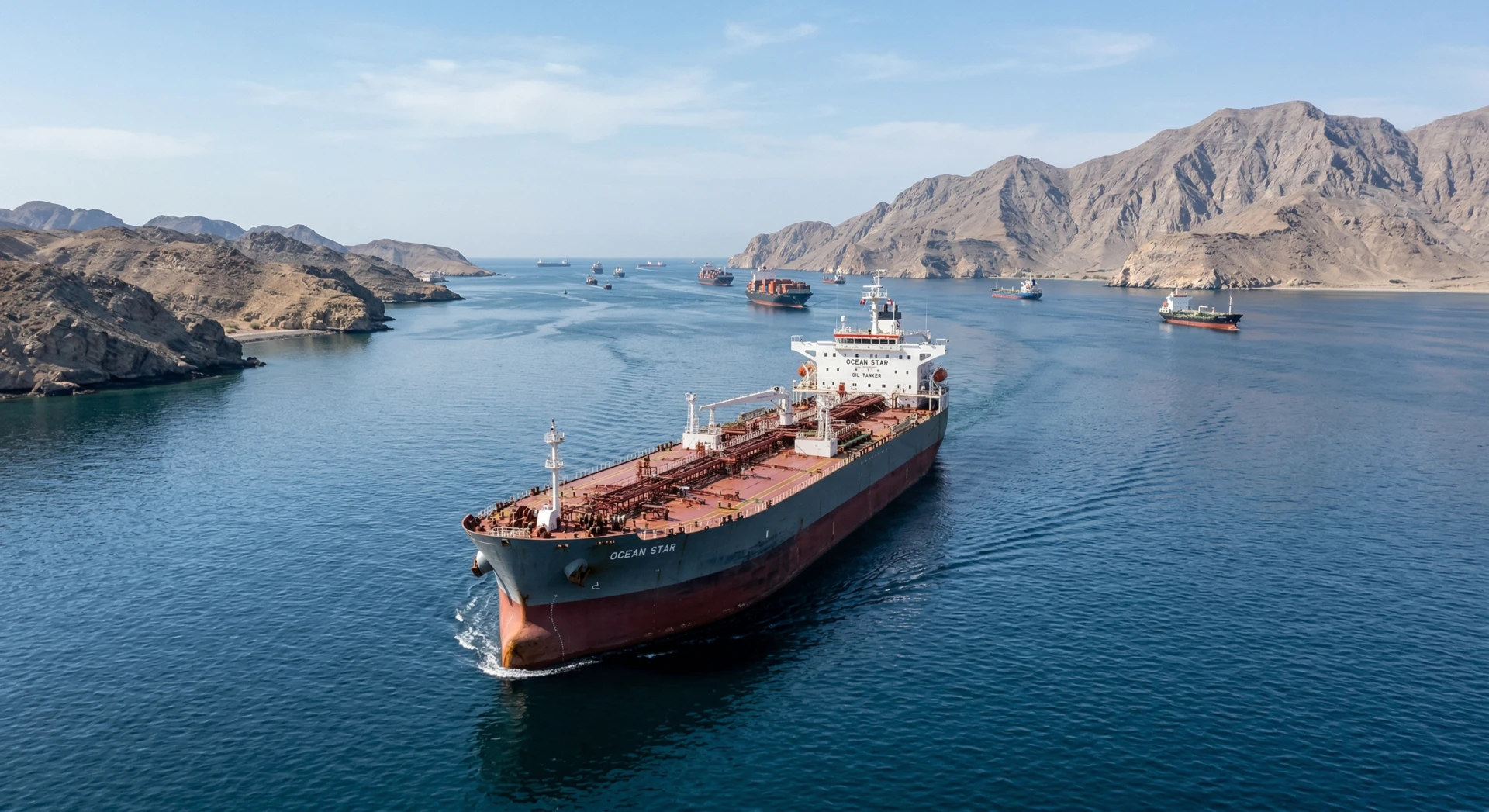
The Southern Energy FLNG project will liquefy gas from Argentina's General San Martin pipeline aboard the floating vessel Hilli Episeyo, with commercial operations beginning September 2027. FLNG Floating Liquefied Natural Gas refers to a vessel that liquefies natural gas at sea rather than at an onshore terminal, eliminating the need for coastal infrastructure but requiring specialized marine support. The contract operates through Meridian Transportes Marítimos, a 51:49 joint venture between Adani Harbour International and Argentina's Meridian Group, granting Adani operational control while satisfying local content requirements. Services include four high-specification tugboats, one anchor handling tug supply vessel, and one crew transfer vessel a comprehensive marine package for FLNG operations in San Matías Gulf's exposed waters.
On the buy side: Argentina has agreements to export up to 10 million tonnes of LNG annually to India from 2027, positioning this project as the opening tranche of a larger supply corridor. With Asian LNG prices at $18.3/MMBtu versus US Henry Hub at $3.17/MMBtu, Argentine gas enjoys a significant netback advantage to Asian markets compared to US competition. Indian buyers particularly state utilities like GAIL and Petronet LNG gain supply diversification away from Middle Eastern and US sources, though they pay the freight premium for South Atlantic shipments (approximately 25 days versus 15 days from the US Gulf Coast). On the sell side: Argentina possesses vast unconventional reserves in the Vaca Muerta shale basin but needs infrastructure to connect supply centers to export facilities. The FLNG approach bypasses onshore terminal construction but caps volumes the Hilli Episeyo's 2.45 million tonne capacity represents roughly 3% of global LNG trade.
For large integrated players major LNG portfolio holders like Shell, TotalEnergies, or Japan's JERA this project offers a hedge against supply concentration risk, particularly given ongoing Middle East tensions affecting TTF gas prices and supply security. Larger developments are progressing: YPF, Eni, and ADNOC's XRG are targeting a final investment decision in mid-2026 for a $20 billion integrated LNG project capable of exporting 12 million tonnes annually by 2030. For smaller regional operators independent LNG importers, regional utilities, industrial gas users this project represents a test case for South American supply reliability. At 28 cargoes per year, volume is insufficient for baseload supply but suitable for supplemental or seasonal contracts. The marine services requirement demonstrates operational complexity: FLNG operations in open waters demand specialized support unavailable from standard port services.
Observers should monitor YPF's final investment decision for the larger Argentina LNG project, expected in the second half of 2026. A positive FID would signal Argentina's commitment to LNG export infrastructure and validate long-term gas development in Vaca Muerta. Shell's December 2025 withdrawal from one phase of Argentina LNG development indicates major operators remain cautious about execution risk, making the Adani marine services contract a practical indicator of project momentum. Track the JKM-Henry Hub spread if Asian premiums compress below $15/MMBtu, Argentine LNG economics deteriorate rapidly given the additional shipping distance and FLNG cost structure.




'%3e%3cg id='Final-Copy-2_2_' transform='translate(1275.000000, 200.000000)'%3e%3cpath class='st0' d='M7.4,12.8h6.8l3.1-11.6H7.4C4.2,1.2,1.6,3.8,1.6,7S4.2,12.8,7.4,12.8z'/%3e%3c/g%3e%3c/g%3e%3c/g%3e%3cg id='final---dec.11-2020'%3e%3cg id='_x30_208-our-toggle' transform='translate(-1275.000000, -200.000000)'%3e%3cg id='Final-Copy-2' transform='translate(1275.000000, 200.000000)'%3e%3cpath class='st1' d='M22.6,0H7.4c-3.9,0-7,3.1-7,7s3.1,7,7,7h15.2c3.9,0,7-3.1,7-7S26.4,0,22.6,0z M1.6,7c0-3.2,2.6-5.8,5.8-5.8 h9.9l-3.1,11.6H7.4C4.2,12.8,1.6,10.2,1.6,7z'/%3e%3cpath id='x' class='st2' d='M24.6,4c0.2,0.2,0.2,0.6,0,0.8l0,0L22.5,7l2.2,2.2c0.2,0.2,0.2,0.6,0,0.8c-0.2,0.2-0.6,0.2-0.8,0 l0,0l-2.2-2.2L19.5,10c-0.2,0.2-0.6,0.2-0.8,0c-0.2-0.2-0.2-0.6,0-0.8l0,0L20.8,7l-2.2-2.2c-0.2-0.2-0.2-0.6,0-0.8 c0.2-0.2,0.6-0.2,0.8,0l0,0l2.2,2.2L23.8,4C24,3.8,24.4,3.8,24.6,4z'/%3e%3cpath id='y' class='st3' d='M12.7,4.1c0.2,0.2,0.3,0.6,0.1,0.8l0,0L8.6,9.8C8.5,9.9,8.4,10,8.3,10c-0.2,0.1-0.5,0.1-0.7-0.1l0,0 L5.4,7.7c-0.2-0.2-0.2-0.6,0-0.8c0.2-0.2,0.6-0.2,0.8,0l0,0L8,8.6l3.8-4.5C12,3.9,12.4,3.9,12.7,4.1z'/%3e%3c/g%3e%3c/g%3e%3c/g%3e%3c/g%3e%3c/svg%3e) Privacy Choices
Privacy Choices